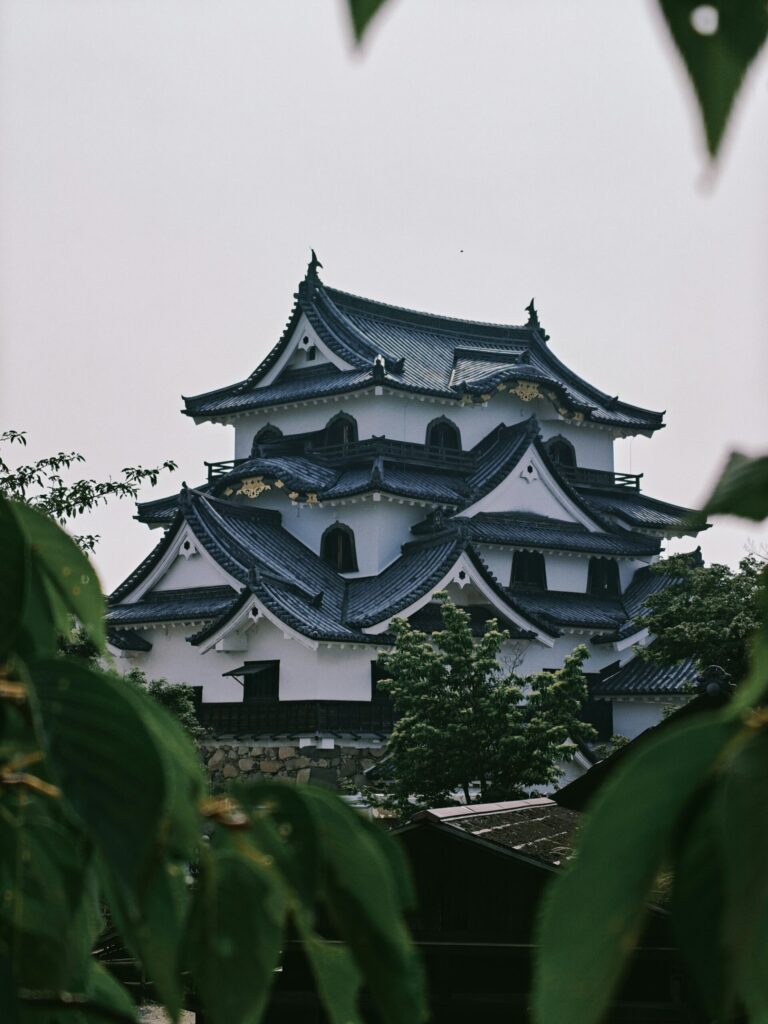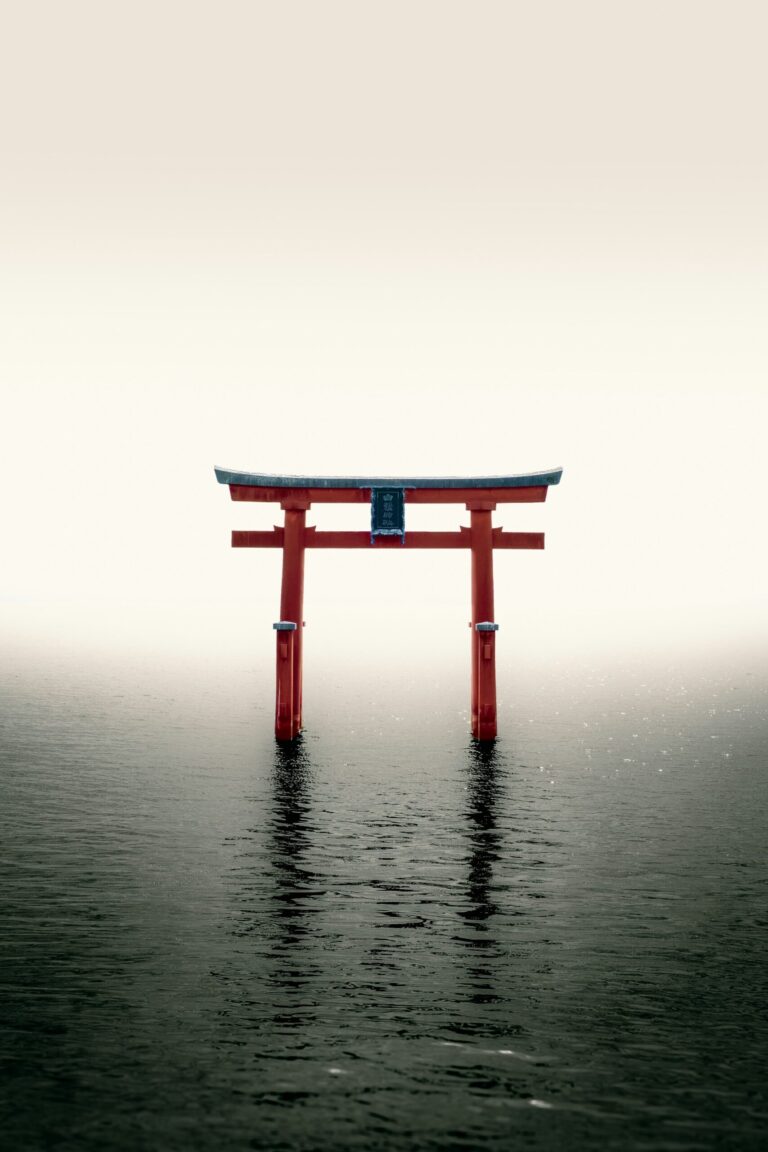
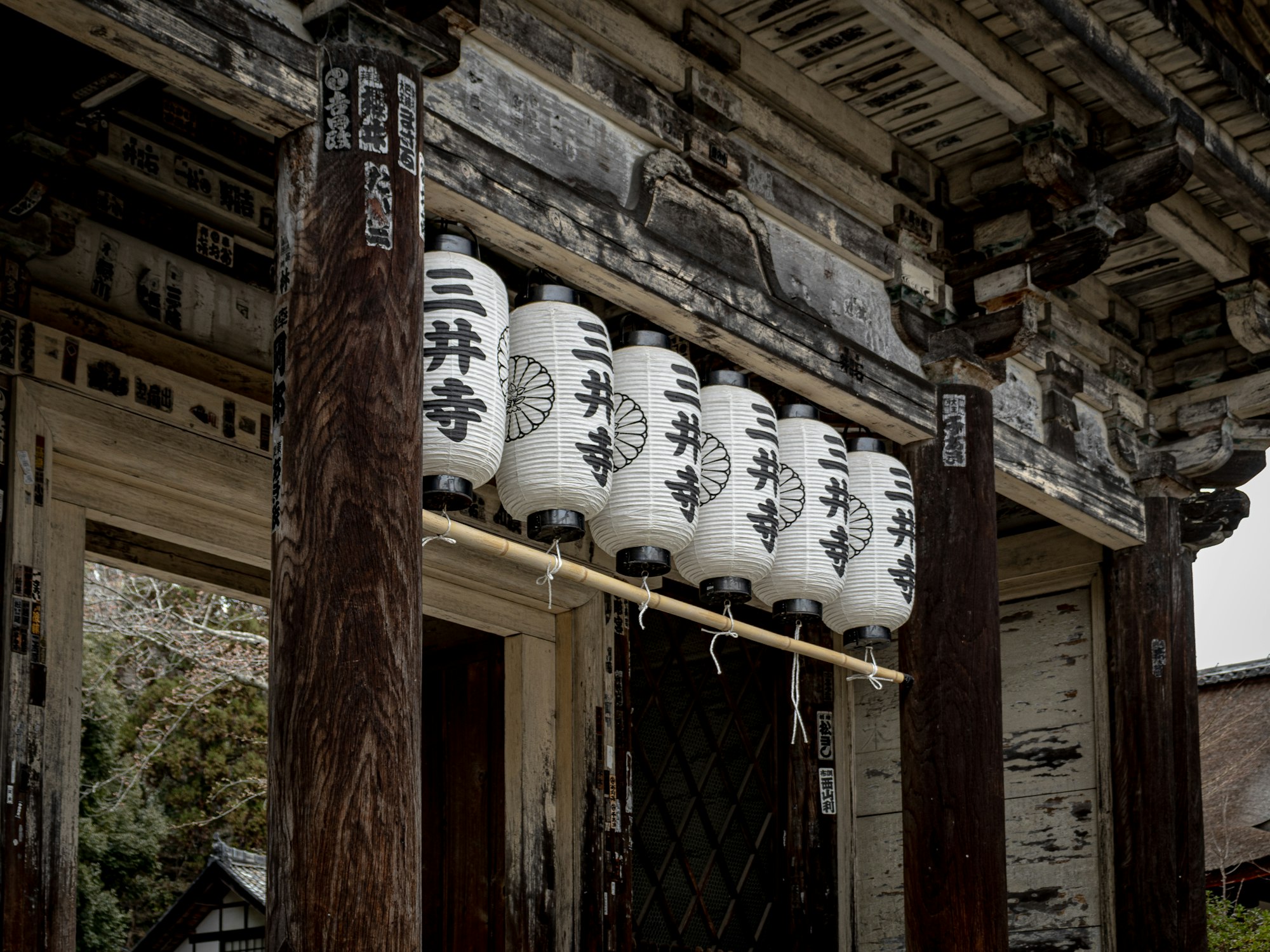
Mii-dera, Hiyoshi Taisha and Omi Jingu are three of the finest temples and shrines in Otsu, the capital of Shiga Prefecture, just one stop from Kyoto on the JR line. Otsu sits on the southern shore of Lake Biwa and was briefly Japan’s capital in the 7th century, and its sacred sites are older, quieter and far less crowded than many in Kyoto. You can hear one of Japan’s most famous temple bells, walk under thousands of maples at the head shrine of nearly 3,800 shrines nationwide, and learn the story behind competitive karuta. This guide covers the three highlights, how to get around and where to stay in Otsu.
1. Mii-dera Temple
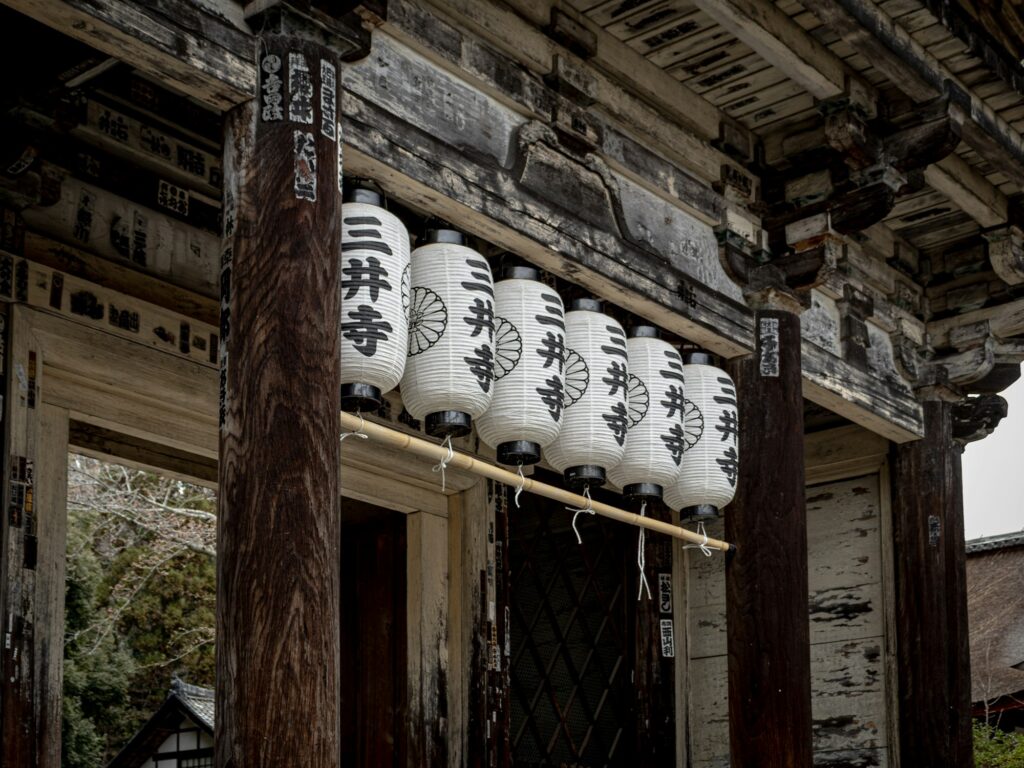
Mii-dera, officially Onjo-ji, is one of the great temples of the Kyoto area, founded in 686 on the wooded slopes above Otsu. Its temple bell is one of the Eight Views of Omi, classic scenes celebrated in Japanese art, and the evening bell has been admired for centuries. The large grounds include a massive Kondo main hall, a three-story pagoda, an old spring said to have been used for imperial bathing, and many smaller halls along forest paths, so allow at least an hour and a half. Admission is 800 yen, and the temple opens 9:00 to 16:30, with last entry at 16:00. Mii-dera is particularly beautiful during cherry blossom season and in autumn, when the maples around the halls turn red. It is about a 7-minute walk from Mii-dera Station on the Keihan Ishiyama Sakamoto Line, which links easily with JR Otsu and Otsukyo stations.
2. Hiyoshi Taisha Shrine
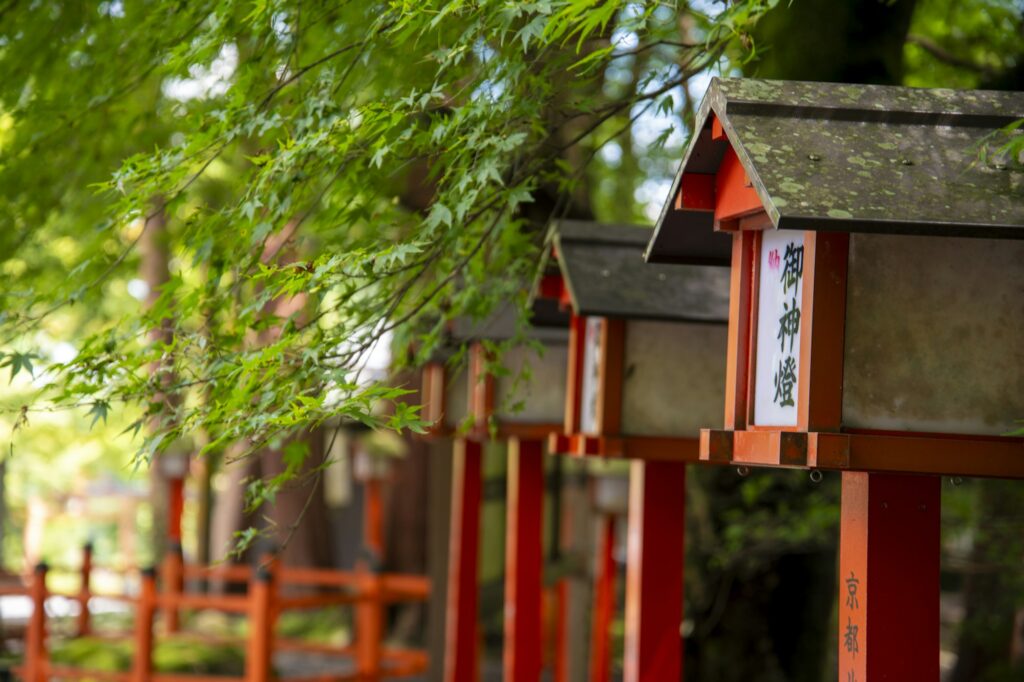
Hiyoshi Taisha, at the foot of Mount Hiei in the old temple town of Sakamoto, is the head shrine of about 3,800 Hiyoshi, Hie and Sanno shrines across Japan and the guardian shrine of Enryaku-ji on the mountain above. Its history goes back about 2,100 years, and nearly 40 deities are enshrined across the forested Higashi-hongu and Nishi-hongu precincts, whose main halls are National Treasures built in a style unique to this shrine. Monkeys are the shrine’s sacred messengers, and you will see monkey figures and charms throughout the grounds. Around 3,000 maples make it one of Shiga’s best autumn color spots, usually from mid-November to early December. Admission is 500 yen, and it opens 9:00 to 16:00. The shrine is about 10 minutes on foot from Sakamoto-hieizanguchi Station on the Keihan line, or 20 minutes from JR Hieizan-Sakamoto. Stroll Sakamoto’s lanes of old stone walls on the way.
3. Omi Jingu Shrine
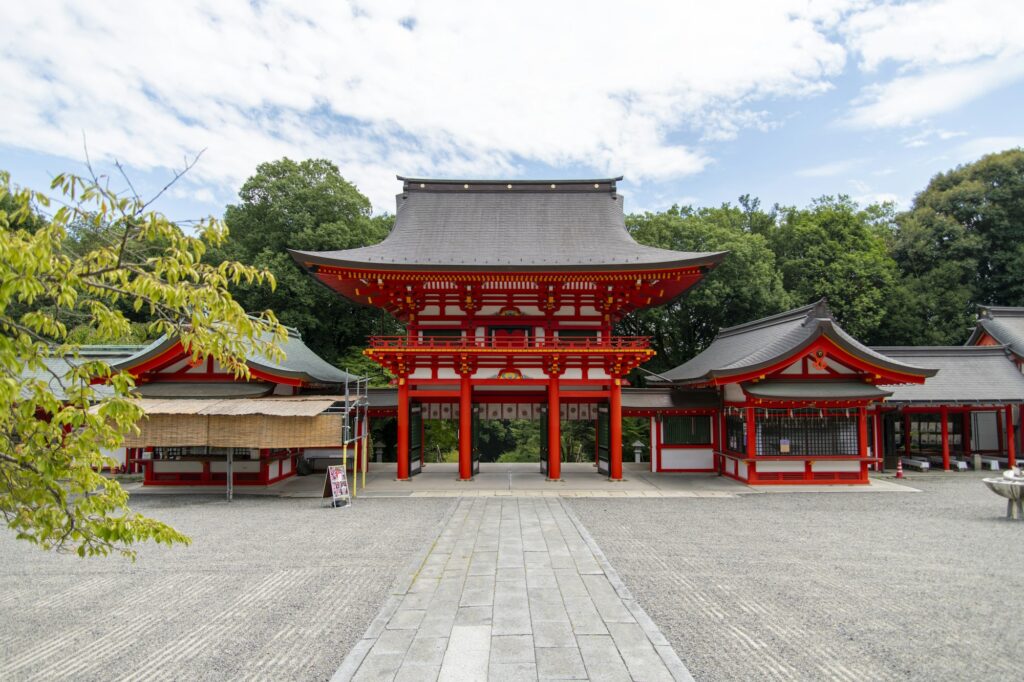
Omi Jingu is a striking vermilion shrine set in the forest on the edge of Otsu, founded in 1940 on the site of the 7th-century capital Otsu-kyo. It honors Emperor Tenji, who founded that capital and is remembered for writing one of the poems in the famous Hyakunin Isshu collection, so the shrine is the home of competitive karuta, the fast-paced poetry card game. National karuta championships are held here every January, and fans of the anime and manga Chihayafuru often visit. Emperor Tenji is also credited with making Japan’s first water clock, and a small clock museum on the grounds displays water clocks and sundials; it costs 300 yen and is closed on Mondays. The shrine grounds are free and open 9:00 to 16:30. Omi Jingu is a 10-minute walk from Omi-jingu-mae Station on the Keihan line, or about 20 minutes from JR Otsukyo Station.
Where to Stay Near Otsu
 Where to stay: Otsu
Hotel links in this section go to Booking.com. If you book through them, we may earn a commission at no extra cost to you.
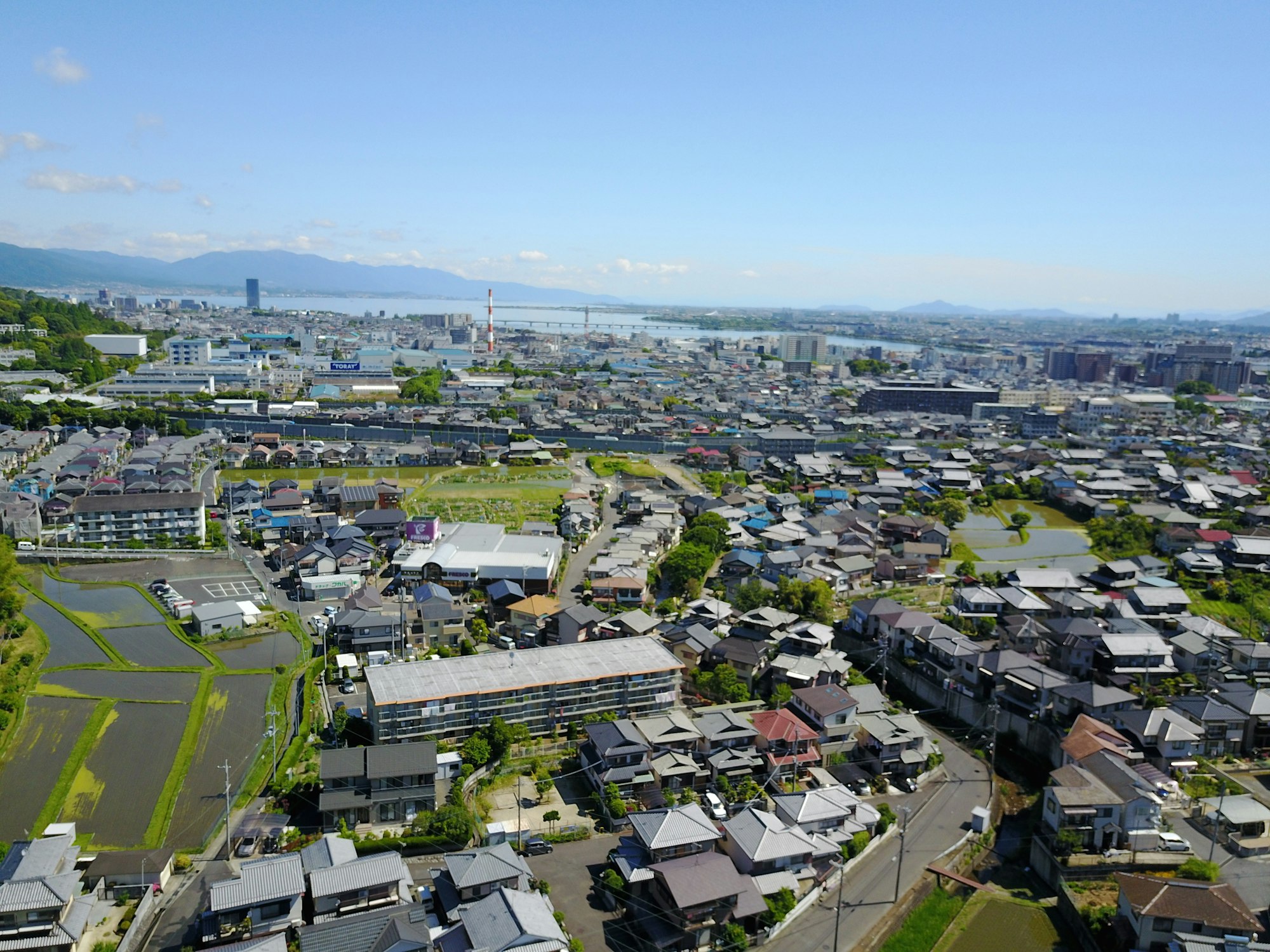
Otsu is a calm, affordable alternative to staying in Kyoto, with lakeside hotels and quick trains into central Kyoto in about 10 minutes. Staying here puts you close to all three sites on the Keihan line, as well as Ishiyama-dera, the Ukimido floating hall and the cable car to Mount Hiei. The area around JR Otsu Station and the Hama-Otsu lakefront has the widest choice of hotels.
Luxury
Biwako Hotel sits right on the lakefront near Hama-Otsu, with many rooms looking out over Lake Biwa and refined Japanese and Western dining. It is a relaxing choice for travelers who want lake views with Kyoto close at hand.
Lakefront hotel with Lake Biwa views.
Mid-Range
Lake Biwa Otsu Prince Hotel is a landmark high-rise on the shore of Lake Biwa, known for wide views from its upper floors, several restaurants and a lakeside promenade. It offers resort-style comfort at a fair price for the area.
Landmark tower hotel with panoramic lake views.
Budget-Friendly
Toyoko Inn Kyoto Biwako Otsu offers the compact, practical rooms and free breakfast of the Toyoko Inn chain. It is a good budget base for travelers combining Otsu with day trips into Kyoto.
Simple chain hotel with free breakfast.
Compare prices before you book
Hotels in Otsu on Booking.com
Stay in Otsu to explore its temples and Lake Biwa in the quiet mornings, with Kyoto just 10 minutes away by train.
Affiliate link — if you book through Booking.com, we may earn a commission at no extra cost to you.
Quick Tips for Visiting
- Buy a Keihan line day pass if you plan to visit all three sites in one day; the Ishiyama Sakamoto Line connects Mii-dera, Omi-jingu-mae and Sakamoto.
- Visit Hiyoshi Taisha from mid-November to early December for its famous maples, and arrive early on weekends.
- Add Ishiyama-dera (600 yen), founded in 747 and linked to the writing of The Tale of Genji, at the southern end of the same Keihan line.
- Take a short trip north to Katata to see the Ukimido floating hall of Mangetsu-ji (300 yen), one of the Eight Views of Omi.
- Wear comfortable shoes: Mii-dera and Hiyoshi Taisha both have hilly paths and stone steps.
Getting there by train: JR trains from Kyoto reach Otsu Station in about 10 minutes and Otsukyo Station on the Kosei Line in about 10 minutes, and Hieizan-Sakamoto in about 14 minutes. Within Otsu, the Keihan Ishiyama Sakamoto Line links Ishiyama-dera, Mii-dera, Omi-jingu-mae and Sakamoto-hieizanguchi. Keihan trains are not covered by the Japan Rail Pass. Read our guide to riding trains in Japan, learn how to ride the Shinkansen, and check whether the JR Pass is worth it for your route.
Frequently Asked Questions
How far is Otsu from Kyoto?
Otsu is about 10 minutes from Kyoto Station by JR train, making it an easy half-day or full-day trip.
How much does Mii-dera cost?
Admission to Mii-dera is 800 yen for adults, and the temple is open from 9:00 to 16:30, with last entry at 16:00.
When are the autumn leaves at Hiyoshi Taisha?
About 3,000 maples usually turn red from mid-November to early December. Admission to the shrine is 500 yen.
Why is Omi Jingu famous for karuta?
The shrine honors Emperor Tenji, author of the first poem in the Hyakunin Isshu used in competitive karuta, and it hosts national karuta championships every January.