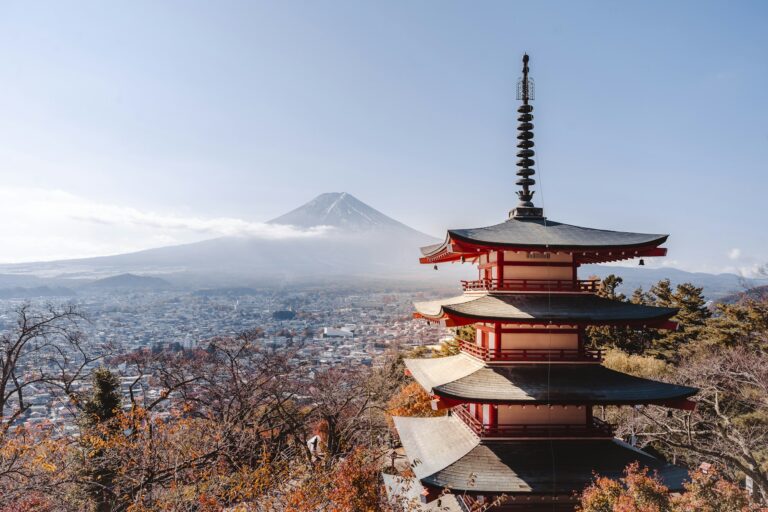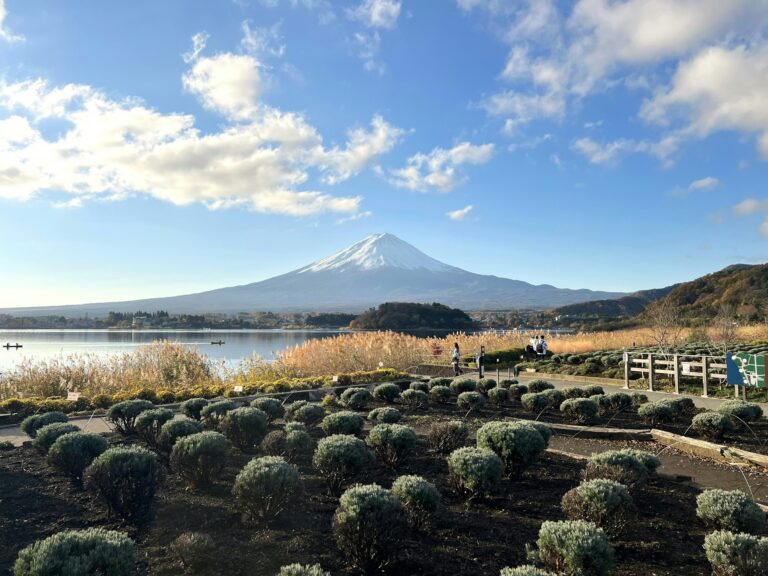
Oshino Hakkai, Lake Yamanaka and Lake Motosu show a calmer, greener side of the Mount Fuji area than the busy viewpoints around Fujiyoshida. All three sit at the northern foot of the mountain in Yamanashi Prefecture and are reached by local buses from Fujisan or Kawaguchiko stations. This guide covers a village of crystal-clear spring ponds, the largest and highest of the Fuji Five Lakes, and the lakeside view that appeared on Japanese money, plus practical tips on getting around and where to stay.
1. Oshino Hakkai
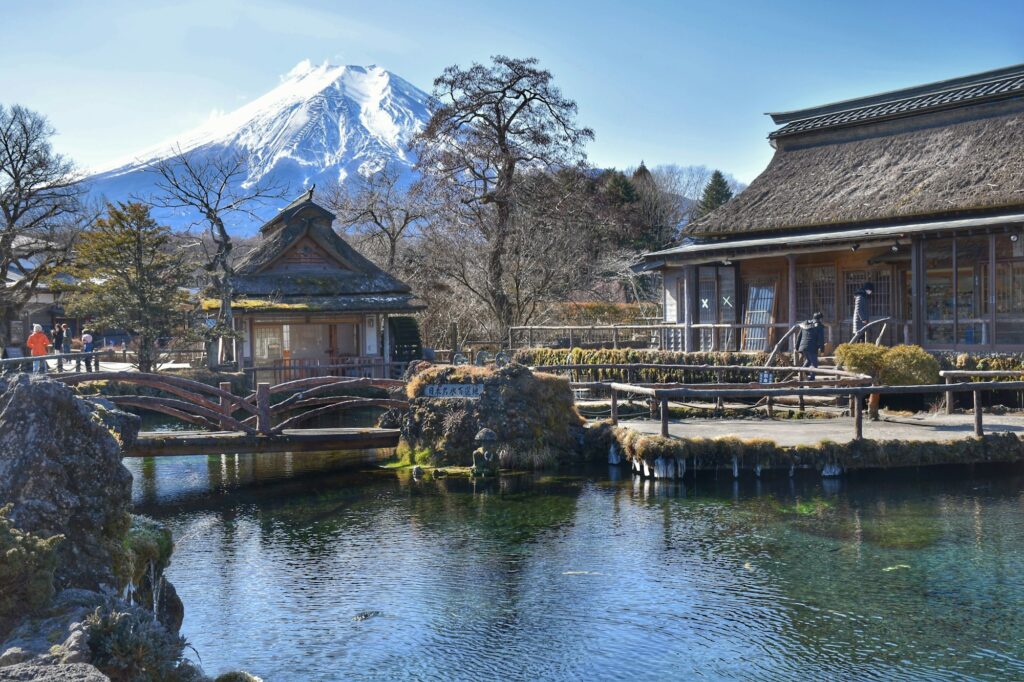
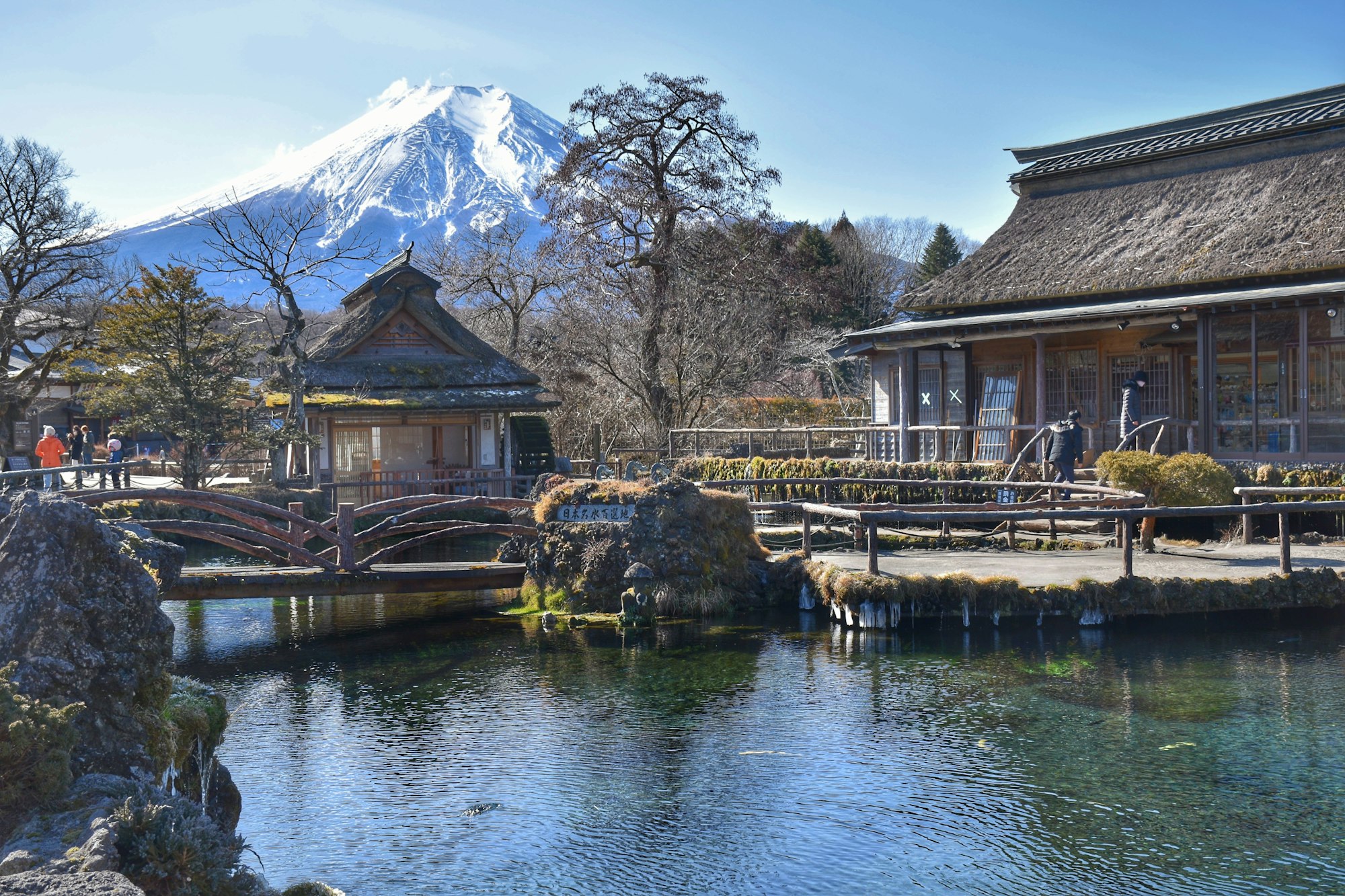
Oshino Hakkai is a group of eight spring-fed ponds in Oshino village, between Lake Kawaguchiko and Lake Yamanaka. The water is snowmelt from Mount Fuji that has filtered through layers of volcanic rock for more than 80 years, which is why the ponds are so clear you can see every pebble and fish on the bottom. Thatched-roof buildings, a small waterwheel and views of the mountain make the village feel like a scene from old Japan, and the ponds themselves are free to visit. Local stalls sell grilled snacks, tofu and fresh vegetables, and you can sample the spring water. The village gets very busy with tour groups from late morning, so arrive early for quieter paths and better photos, and stay on the walkways. Buses from Fujisan Station take about 25 minutes, and the Fujikko loop bus also serves Oshino, so it combines easily with Lake Yamanaka on the same day.
2. Lake Yamanaka
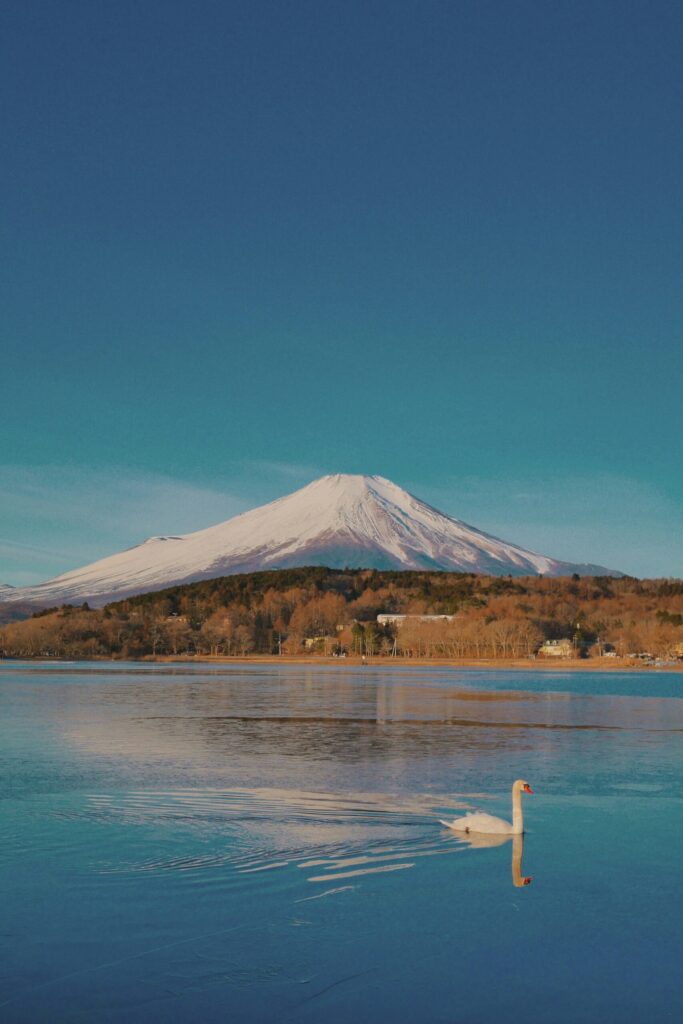
Lake Yamanaka is the largest of the Fuji Five Lakes, covering about 6.57 square kilometers, and also the highest, at about 980 meters above sea level. It sits closest to Mount Fuji, so the mountain looks especially large from its shores, and its cool summers have long made it a popular resort. The lake is nicknamed “Swan Lake” for the swans that glide across it, best seen in winter with Fuji behind them. For the classic panorama, head to Panorama-dai, about a 30-minute walk from the nearest bus stop; from October to February it is a favorite spot to watch “Diamond Fuji,” when the sun sets exactly over the summit. For something fun, the KABA amphibious bus takes a 30-minute tour that drives straight into the lake, and the regular adult fare is 2,800 yen. Buses from Kawaguchiko and Fujisan stations reach the lake in about 30 minutes, and a loop bus circles the shore.
3. Lake Motosu
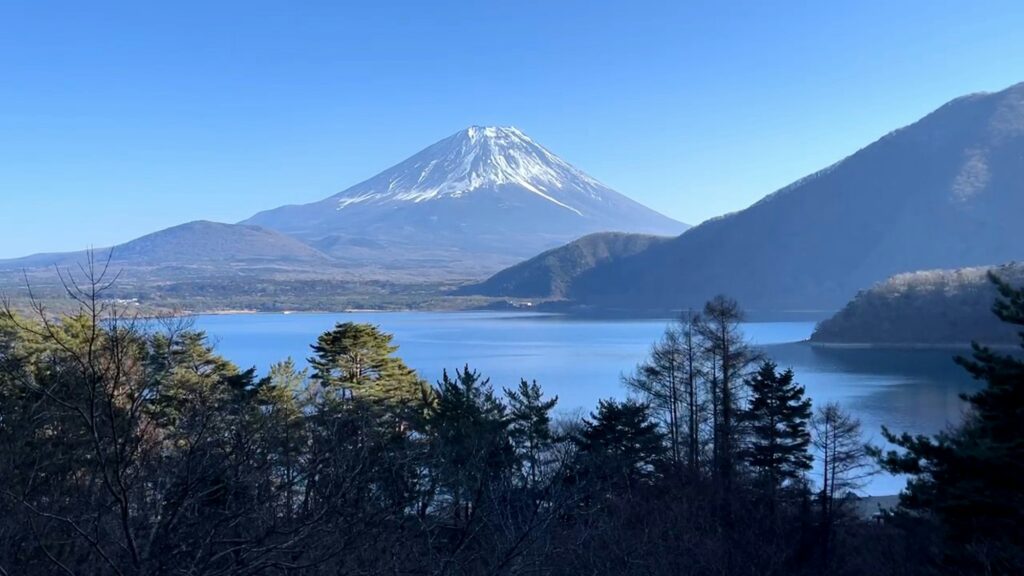
Lake Motosu, the westernmost of the Fuji Five Lakes, is famous across Japan for its view of Mount Fuji rising above deep blue water. The scene comes from a 1935 photograph by Okada Koyo, and it was printed on the back of the previous 1,000-yen bill, which is still in circulation, so try holding one up to compare. The new 1,000-yen bill introduced in 2024 shows Hokusai’s Great Wave instead. The best-known viewpoint lies on the northwest side of the lake and is reached by a steep path of about one kilometer, roughly a 30-minute hike, from the road. Lake Motosu is far quieter than Kawaguchiko, with clear water and few buildings on the shore, which makes it a peaceful place for a picnic or a lakeside walk. The Blue Line sightseeing bus from Kawaguchiko Station serves the lake, but it runs only every one to two hours, so check the timetable before you set out.
Where to Stay Near Lake Yamanaka & Kawaguchiko
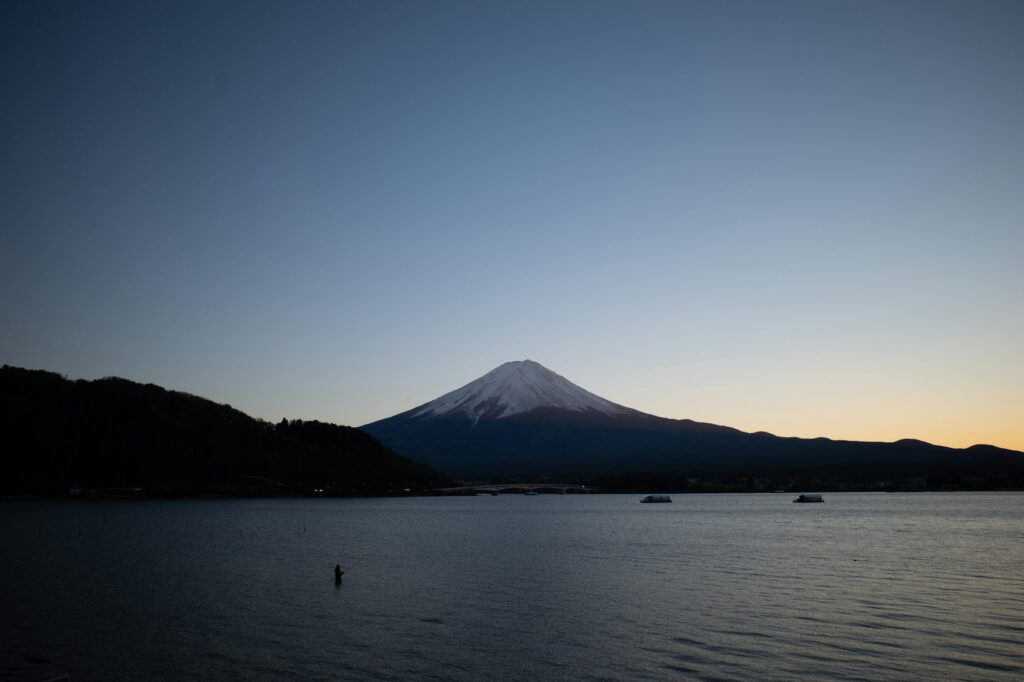 Where to stay: Lake Yamanaka
Hotel links in this section go to Booking.com. If you book through them, we may earn a commission at no extra cost to you.
For a quieter stay, Lake Yamanaka has lakeside hotels and simple inns close to Oshino Hakkai, while Lake Kawaguchiko has more choice and easy bus connections to Lake Motosu. Staying in either area lets you see Mount Fuji at sunrise and soak in a hot spring in the evening.
Luxury
La Vista Fuji Kawaguchiko is a hot spring hotel by Lake Kawaguchiko with an outdoor bath and Fuji-view rooms, some with their own open-air bath, a good choice if you want comfort and a central base for all the lakes.
Hot spring hotel with Fuji-view rooms and open-air baths.
Mid-Range
Hotel Mt. Fuji is a resort hotel at Lake Yamanaka with indoor and outdoor hot spring baths and mountain views, convenient for Oshino Hakkai and Panorama-dai.
Lake Yamanaka resort hotel with hot spring baths.
Budget-Friendly
Yamanakako Ryokan RYOZAN is a simple Japanese-style inn in Yamanakako village. Near Kawaguchiko, K’s House Fuji View is a popular hostel with a rooftop terrace and some Fuji-view rooms.
Simple Japanese-style inn near the lake.
Hostel with a rooftop terrace and some Fuji-view rooms.
Compare prices before you book
Hotels at Lake Yamanaka on Booking.com
Stay by Lake Yamanaka for quiet mornings with Mount Fuji, easy access to Oshino Hakkai and a soak in a hot spring at night.
Check Lake Yamanaka hotel prices →
Affiliate link — if you book through Booking.com, we may earn a commission at no extra cost to you.
Quick Tips for Visiting
- Visit Oshino Hakkai early in the morning, before tour groups arrive.
- Carry an old 1,000-yen bill to compare with the real view at Lake Motosu.
- Buses around the lakes can be infrequent; check timetables and consider a bus pass.
- Mount Fuji is clearest on cold, dry mornings from late autumn to early spring.
- Climbing Mount Fuji? On the Yoshida Trail, the 2026 season ran July 1 to September 10, with a 4,000-yen fee and a daily cap of 4,000 climbers.
Getting there by train: Take the Fuji Excursion limited express from Shinjuku to Fujisan or Kawaguchiko Station, just under two hours, then switch to local buses for Oshino and the lakes. The JR Pass covers only the JR section from Shinjuku to Otsuki, so the Fujikyu Railway section is extra. Direct highway buses from Busta Shinjuku also serve the area. Read our guide to riding trains in Japan, check whether the JR Pass is worth it, and if you are arriving from overseas, see our guide to getting from Narita or Haneda Airport to Tokyo.
Frequently Asked Questions
Is Oshino Hakkai free?
Yes. The eight spring ponds of Oshino Hakkai are free to visit, though some shops, museums and parking in the village charge fees.
Which lake is on the 1,000-yen bill?
The view of Mount Fuji from Lake Motosu appears on the back of the previous 1,000-yen bill, based on a 1935 photo by Okada Koyo. The new bill issued in 2024 shows Hokusai’s Great Wave instead.
How do you get to Lake Yamanaka?
Buses run from Kawaguchiko and Fujisan stations to Lake Yamanaka in about 30 minutes, and a loop bus circles the lake. Highway buses from Shinjuku also stop at the lake.
When can you see Diamond Fuji at Lake Yamanaka?
Diamond Fuji, when the sun sets right over the summit, can be seen from Panorama-dai above Lake Yamanaka from about October to February, depending on the weather.