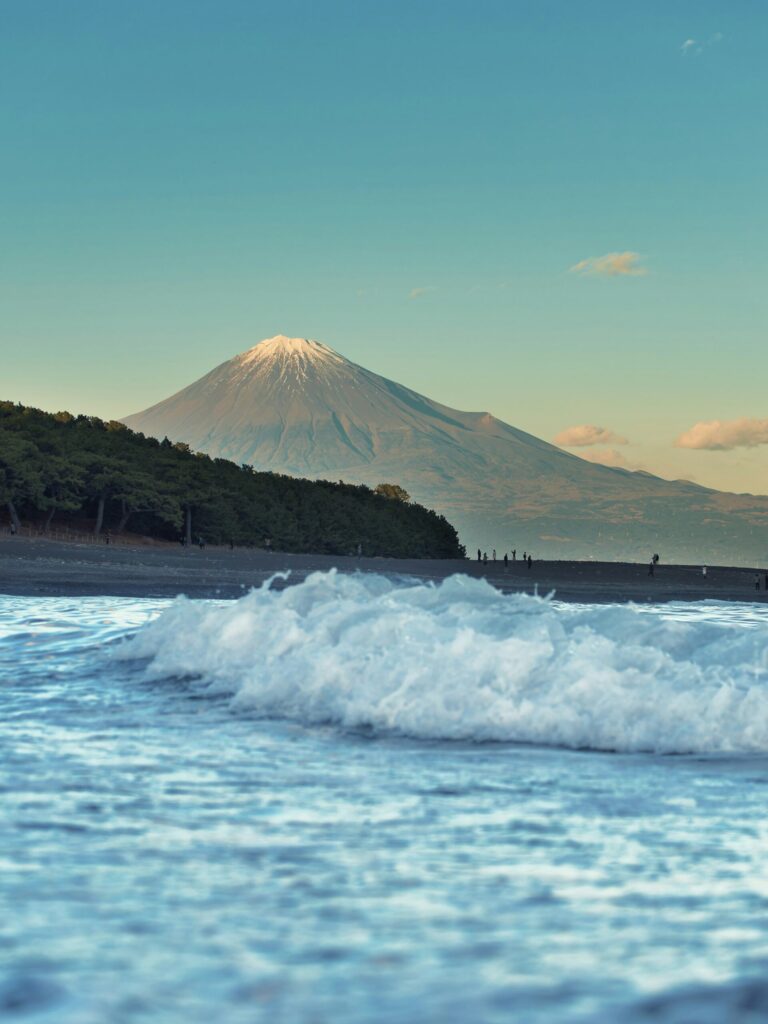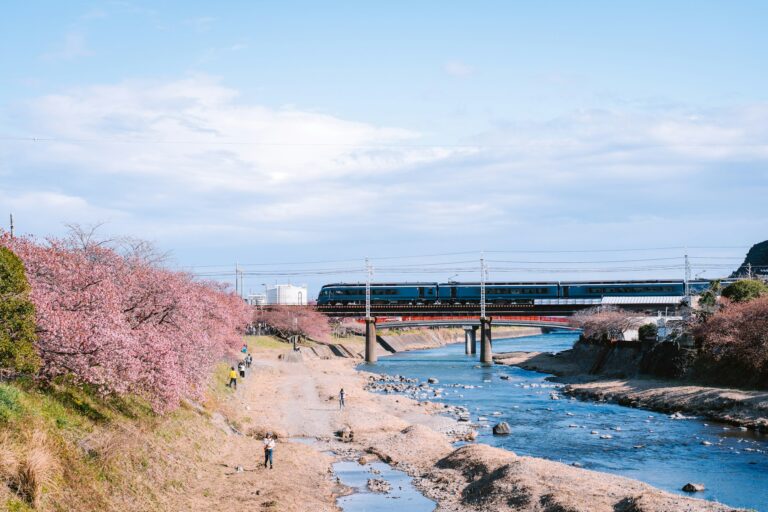
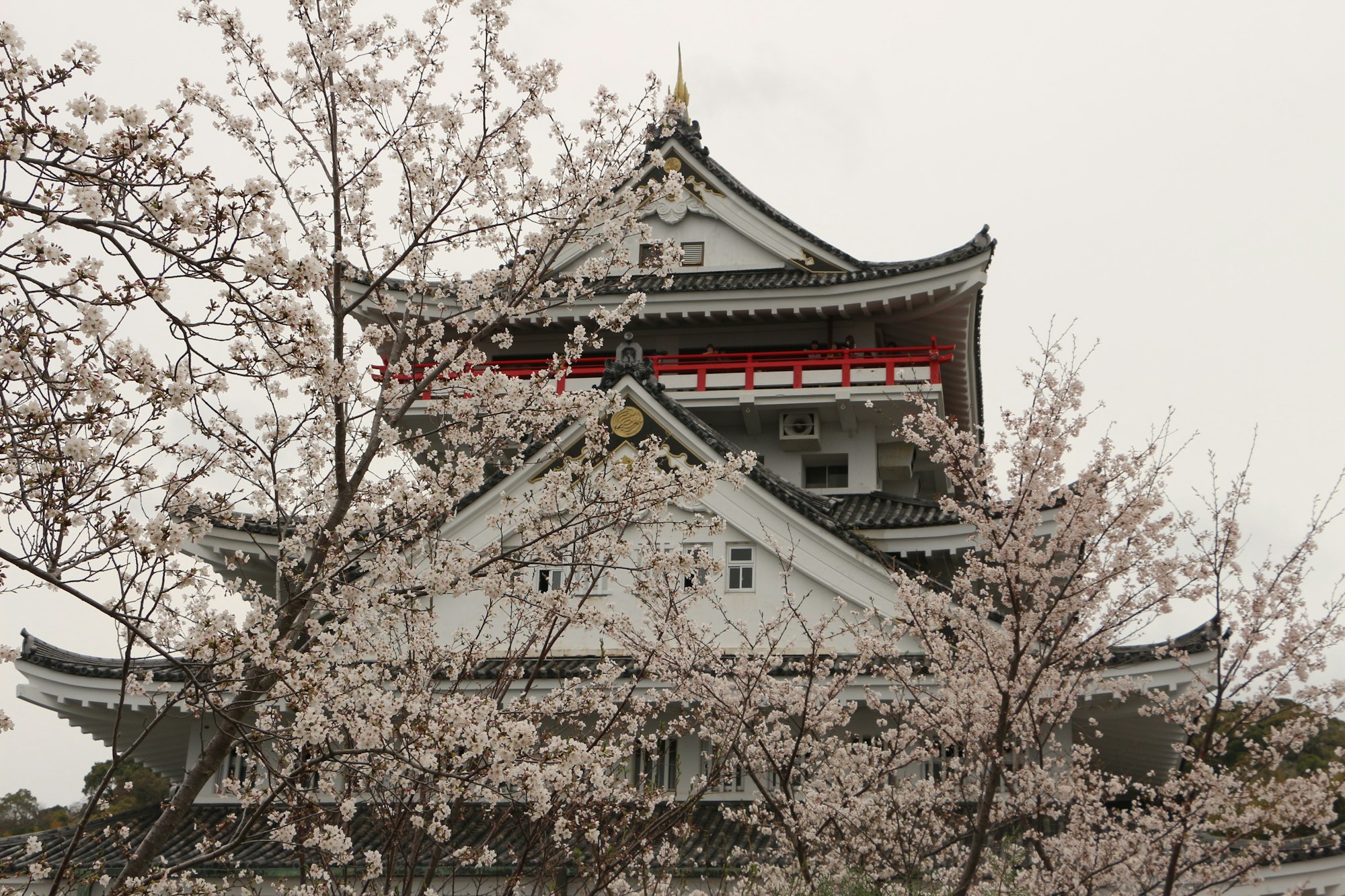
Atami and Shuzenji are two of the best-loved hot spring towns on the Izu Peninsula, the mountainous coast southwest of Tokyo where Japanese families have gone to soak and relax for generations. Atami is less than an hour from Tokyo by Shinkansen and has a seaside resort feel, with hotels stacked on the hills above the bay. Shuzenji, in the forested heart of Izu, is quieter and more traditional. This guide covers three highlights for first-time visitors: the hilltop Atami Castle, the seasonal Atami Baien garden and the historic hot spring town of Shuzenji Onsen, plus where to stay in Atami.
1. Atami Castle
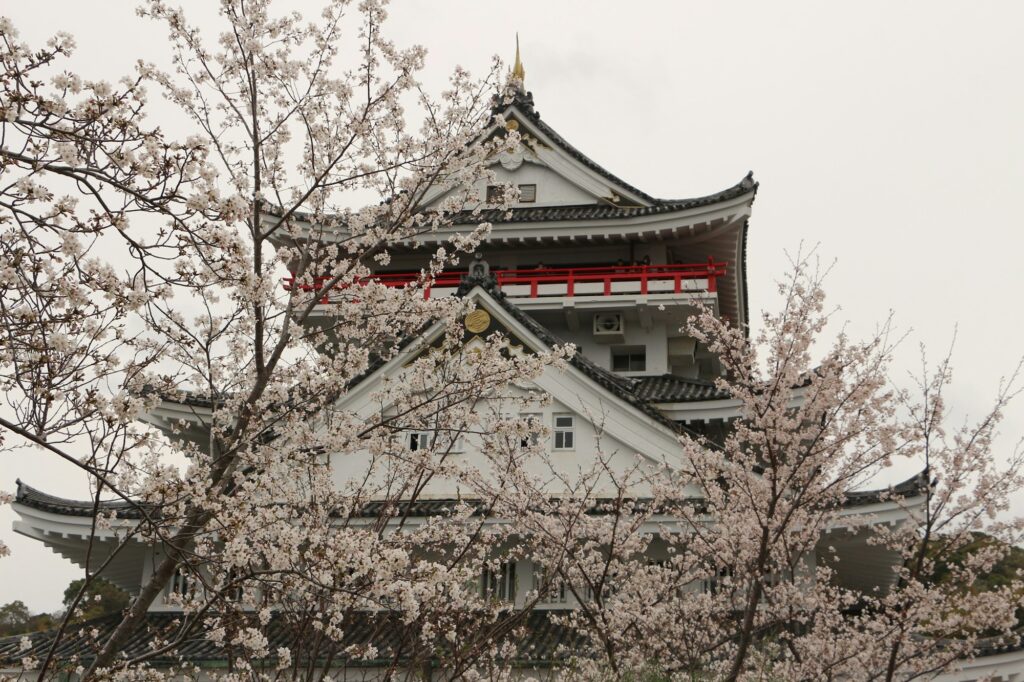
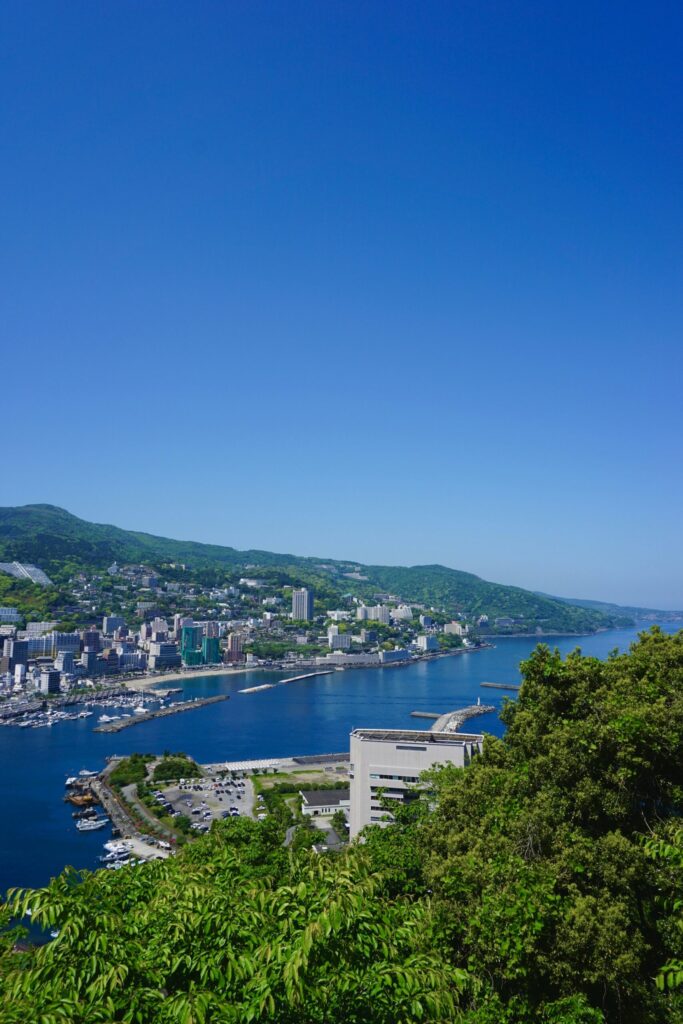
Atami Castle looks like a classic Japanese castle perched on a hill above the bay, but it was built in 1959 as a tourist attraction, and Atami never had a real castle. Think of it as an observation tower and museum dressed in castle style. The reason to come is the view: from the top floors and the observation deck, you get a panoramic view over Atami’s harbor, the curving coastline and Sagami Bay. Inside, an exhibition introduces Japan’s many castles, and you can try on Edo-period costumes for photos, which makes it an easy, lighthearted introduction to castle culture. Note that the basement includes a game center and an adults-oriented ukiyo-e print exhibition, so families may want to skip that floor. In spring, cherry trees around the castle make it especially photogenic. The castle is open daily, generally from 9:00 to 17:00, and a trick art museum next door sells combined tickets. The easiest way up is the Atami Ropeway from the port area; its lower station is about ten minutes by taxi from Atami Station, and the castle is a short walk from the top. Pair the castle with a stroll along Atami Sun Beach and the seaside promenade below.
2. Atami Baien Plum Garden
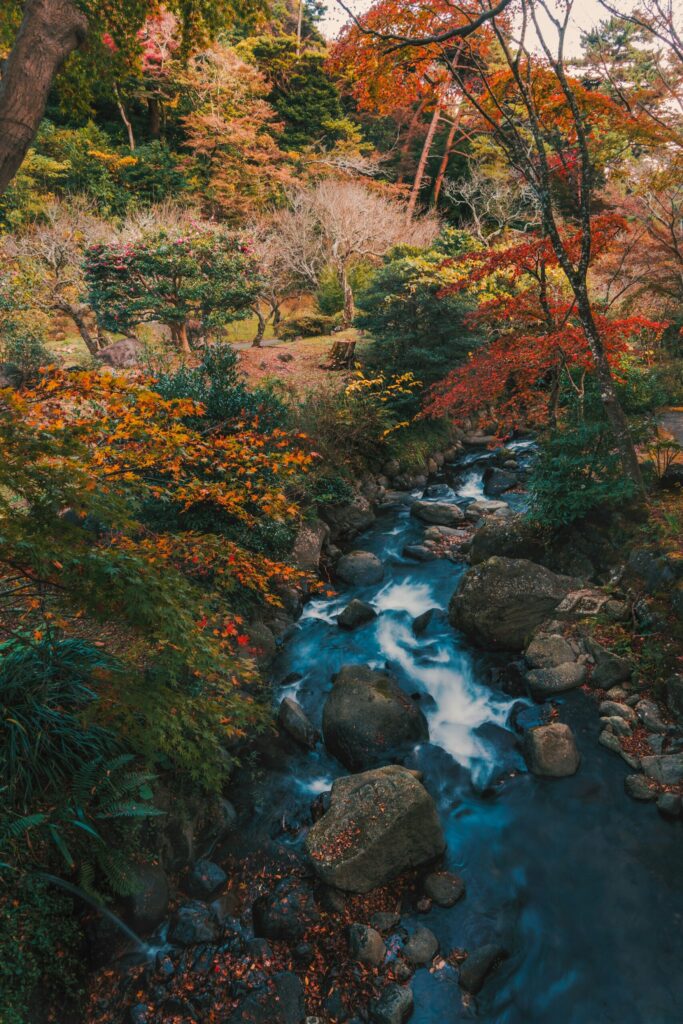
Atami Baien is a hillside garden famous for two seasons. In winter, around 470 plum trees of about 60 varieties bloom, among the earliest in Japan, and the Atami Plum Festival is held from roughly mid-January to early March, when a small entrance fee applies. In late autumn, the garden’s maples turn red and orange, usually from late November into early December, and the trees are lit up in the evenings during the autumn leaves festival. A small stream runs through the garden, crossed by little footbridges, so it is pleasant to walk through even outside the peak seasons, when entry is free. Expect a gentle walk on paths and steps that take 30 to 60 minutes. To get there, take the JR Ito Line one stop from Atami to Kinomiya Station, about three minutes, then walk about ten minutes uphill. Nearby Kinomiya Shrine, known for its enormous ancient camphor tree, is an easy add-on on the way back to the station.
3. Shuzenji Onsen
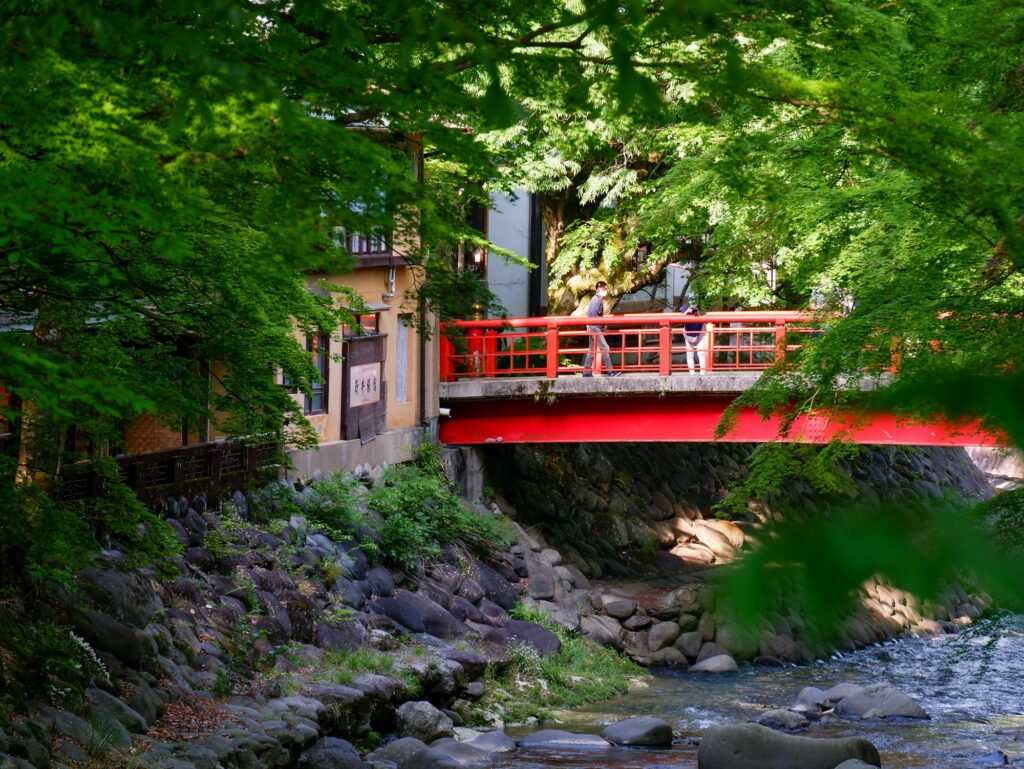
Shuzenji Onsen is a historic hot spring town along the Katsura River in the center of the Izu Peninsula, often called the Little Kyoto of Izu for its temples, red bridges and bamboo groves. The town grew around Shuzenji Temple, founded about 1,200 years ago, and legend says the monk Kukai struck a rock in the river to release the healing waters of Tokko-no-yu, the town’s symbolic hot spring. Today Tokko-no-yu is used only as a foot bath, not for full bathing. Stroll the Bamboo Forest Path, a short path through tall green bamboo beside the river, cross the small red bridges, and stop at the cafes and sweet shops along the way. Many traditional ryokan here have private open-air baths, and some offer day-use bathing. To get there, take the Izuhakone Railway from Mishima Station to Shuzenji Station, about 35 minutes, then a local bus to the hot spring town, about 10 minutes. Note that the JR Pass is not valid on the Izuhakone Railway. Autumn foliage in November and fresh green leaves in spring are especially beautiful.
Where to Stay Near Atami
 Where to stay: Atami
Hotel links in this section go to Booking.com. If you book through them, we may earn a commission at no extra cost to you.
Atami is the easiest place to stay on this trip. It is a Shinkansen stop, hotels line the bay and the hills above it, and nearly all of them have hot spring baths, many with ocean views. From Atami you can also reach Mishima and Shuzenji or continue down the coast to the rest of the Izu Peninsula.
Luxury
Atami Korakuen Hotel is a large bay-front hot spring resort with ocean-view rooms and several baths, right by the Atami Ropeway to Atami Castle. Free pickup from Atami Station makes arriving with luggage easy.
Bay-front hot spring resort with ocean views near the ropeway.
Mid-Range
Atami Seaside Spa & Resort sits next to Atami Sun Beach, with indoor and outdoor hot spring baths and ocean-view rooms, and the seaside promenade, restaurants and the ropeway are all within walking distance.
Seafront hotel with indoor and outdoor hot spring baths.
Budget-Friendly
Toyoko Inn Atami Ekimae is a simple business hotel right next to Atami Station, ideal if you arrive late or want to catch an early train to Shuzenji or down the Izu coast.
Practical budget hotel next to Atami Station.
Compare prices before you book
Hotels in Atami on Booking.com
Soak in an ocean-view hot spring after a day on the Izu Peninsula, less than an hour from Tokyo by Shinkansen.
Affiliate link — if you book through Booking.com, we may earn a commission at no extra cost to you.
Quick Tips for Visiting
- Atami is very hilly; use taxis or buses with luggage and wear comfortable shoes.
- Visit Atami Baien in winter for plum blossoms or in late November and early December for autumn leaves.
- Bring a small towel for the Tokko-no-yu foot bath area and other foot baths in Shuzenji.
- Many ryokan include dinner and breakfast, so check meal plans before booking.
- The JR Pass does not cover the Izuhakone Railway to Shuzenji, so keep an IC card or cash handy.
Getting there by train: Atami is about 40 to 50 minutes from Tokyo on the Tokaido Shinkansen. Kodama trains and some Hikari trains stop there, but Nozomi trains do not. Slower JR Tokaido Line trains and limited express Odoriko trains also run from Tokyo. For Shuzenji, change at Mishima to the Izuhakone Railway. Read our guide to riding trains in Japan, learn how to ride the Shinkansen, check whether the JR Pass is worth it, and see our guide to getting from Narita or Haneda Airport to Tokyo.
Frequently Asked Questions
Is Atami Castle a real castle?
No. Atami Castle was built in 1959 as a tourist attraction, and Atami never had a historic castle. It works as an observation tower and museum with panoramic views over Atami and Sagami Bay.
When do the plum trees bloom at Atami Baien?
The plums are among the earliest in Japan, and the Atami Plum Festival runs from about mid-January to early March. The garden is also known for autumn leaves in late November and early December.
Can you bathe in Tokko-no-yu in Shuzenji?
No. Tokko-no-yu, the hot spring in the river at the center of Shuzenji Onsen, is used only as a foot bath today. For full bathing, stay at a ryokan or use a day-use bath.
How do you get from Tokyo to Shuzenji?
Take the Tokaido Shinkansen to Mishima, then the Izuhakone Railway to Shuzenji Station, about 35 minutes, and a short bus ride to the hot spring town. The JR Pass does not cover the Izuhakone Railway.