Last checked: October 2026 · Part of our Stay Connected in Japan series
There are four ways to get online in Japan: your US carrier’s international roaming, a rented pocket Wi-Fi router, a physical tourist SIM, or a travel eSIM. All of them work in Tokyo, Kyoto and Osaka. The real differences are cost, how much hassle they add on arrival day, and who in your group can use them. Here is an honest side-by-side, with cost examples for a typical 10-day trip.
Disclosure: The First Pick takes part in affiliate programs. If you buy through a link on this page, we may earn a commission at no extra cost to you. Prices, promotions and availability change, so always confirm details on the seller’s page. See our Affiliate Disclosure.
- Solo or couple with unlocked phones: a travel eSIM is usually the cheapest and easiest option.
- Short trip, zero setup: your carrier’s day pass works, but about $12 a day adds up fast.
- Family sharing one connection, or older phones: pocket Wi-Fi still makes sense.
- Need a Japanese phone number: look at a voice SIM, which most short-term visitors do not need.

Side-by-side comparison
| Travel eSIM | US carrier roaming | Pocket Wi-Fi | Physical tourist SIM | |
|---|---|---|---|---|
| Setup | Install at home in minutes | Nothing, or opt in to a pass | Pick up at airport, hotel or by mail | Buy at airport or store, swap the card |
| Works on | Unlocked eSIM phones | Your phone as is | Any Wi-Fi device | Unlocked phones with a SIM tray |
| Keeps your US number | Yes (second line) | Yes | Yes | Only with dual SIM |
| Extra device to carry and charge | No | No | Yes | No |
| Return needed | No | No | Yes | No |
| Sharing | Via phone hotspot (if allowed) | Via hotspot, plan rules vary | Several devices at once | Via phone hotspot |
| Typical cost, 10 days | Low (one plan) | High (daily fees) | Medium (daily rental) | Low to medium |
Option 1: US carrier roaming
The easiest option is simply to use your US plan. Verizon’s TravelPass costs $12 per line per day in most countries and includes 5 GB of high-speed data per day before slowing down. AT&T’s International Day Pass is also $12 a day for the first line, with daily fees capped at 10 per bill period. Some T-Mobile plans include basic data in Japan at no extra charge, but usually at reduced speeds, with paid passes for faster data. Check your own plan before you go, since carriers change these terms often.

Option 2: Pocket Wi-Fi rental
A pocket Wi-Fi is a small battery-powered router that creates a private hotspot. You reserve it online, collect it at an airport counter or have it delivered to your hotel, and return it in a prepaid envelope or at the airport when you leave. It is still a good fit for families or groups who stay together all day, and for anyone whose phone cannot take an eSIM. The downsides: one more gadget to charge every night, everyone must stay within range of it, and a lost or late-returned router can mean extra fees.

Option 3: Physical tourist SIM
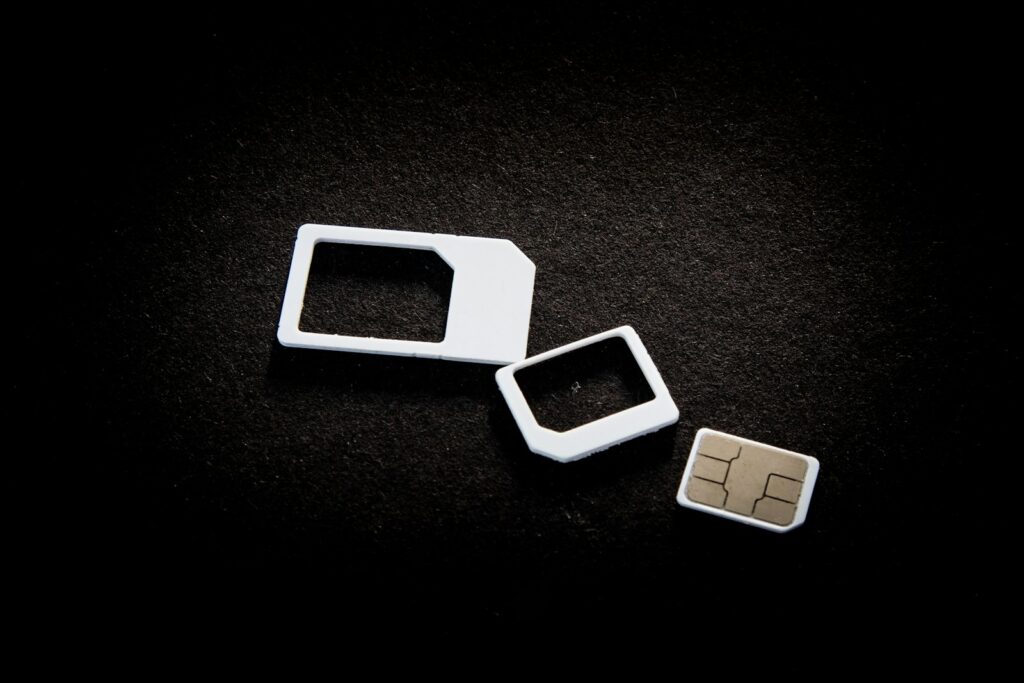
Data-only tourist SIM cards are sold at airports and electronics stores. They work well on unlocked phones, but you have to swap the card, keep your US SIM somewhere safe, and on a single-SIM phone your US number goes offline while the tourist SIM is in. Most new US iPhones no longer have a SIM tray at all, which is why travel eSIMs have largely replaced them.
Option 4: Travel eSIM
A travel eSIM gives you the price of a local SIM with none of the card-swapping. You buy a data plan online, install it over Wi-Fi at home, and switch it on when you land. Your US number stays on your normal line for calls and texts, while the eSIM handles data. It is our default recommendation for most solo travelers and couples. For plan sizes and what to check before you buy, see our eSIM for Japan guide.
your phone is unlocked and supports eSIM, and you want the lowest cost with no pickup or return.
your trip is only a few days, your phone is locked, or your plan already includes Japan.
a family or group shares one connection all day, or someone’s phone cannot use an eSIM.
Skip the airport counter
EVASIM Japan plans run from 1 GB to 50 GB plus unlimited day passes, with hotspot sharing. Code THEFIRSTPICK takes 5% off.
Reader codeTHEFIRSTPICK
A smart combo: eSIM plus free Wi-Fi
Many travelers pair a modest eSIM plan with free Wi-Fi at the hotel, airport and big stations. Download maps and shows on Wi-Fi, use the eSIM for everything on the move, and you rarely need a large plan. Free networks are often open and unencrypted, so read our free Wi-Fi safety checklist before you rely on them.
Get a Japan data plan before you fly
Delivered by email in minutes. Install at home, switch on when you land.
Reader codeTHEFIRSTPICKFAQ
Is an eSIM cheaper than pocket Wi-Fi in Japan?
For one or two travelers it usually is, because you pay once for a plan and there is no daily rental, delivery or return. Pocket Wi-Fi can be better value for a family sharing one connection.
How much does Verizon or AT&T roaming cost in Japan?
Verizon TravelPass and AT&T International Day Pass both cost about $12 per day for the first line as of October 2026. Check your carrier for current pricing and caps.
Can I keep my US phone number with a Japan eSIM?
Yes. A data-only eSIM runs as a second line, so your US number stays on your physical SIM. Turn off data roaming on the US line to avoid daily roaming charges.
Does pocket Wi-Fi work on the Shinkansen?
Yes, it works like any mobile connection, though coverage can drop briefly in tunnels. The same is true for eSIMs and roaming.
Do I need a Japanese phone number as a tourist?
Most short-term visitors do not. Hotels, restaurants and ride apps generally work with your US number or messaging apps over data.