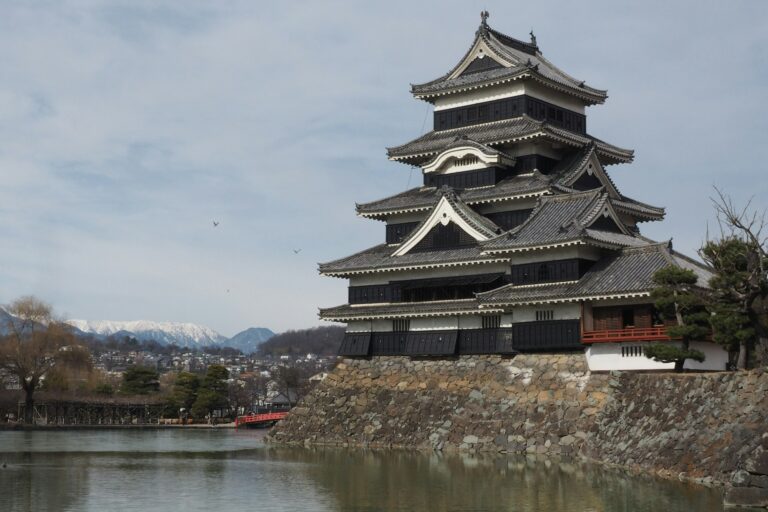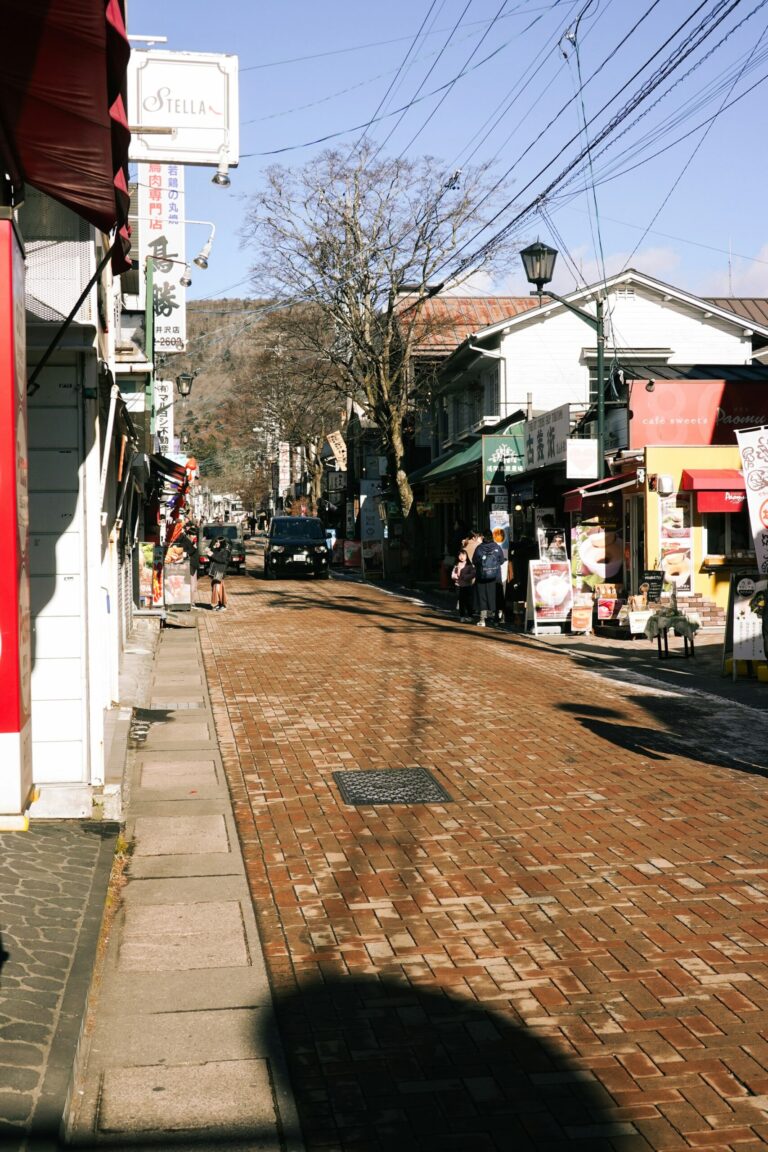
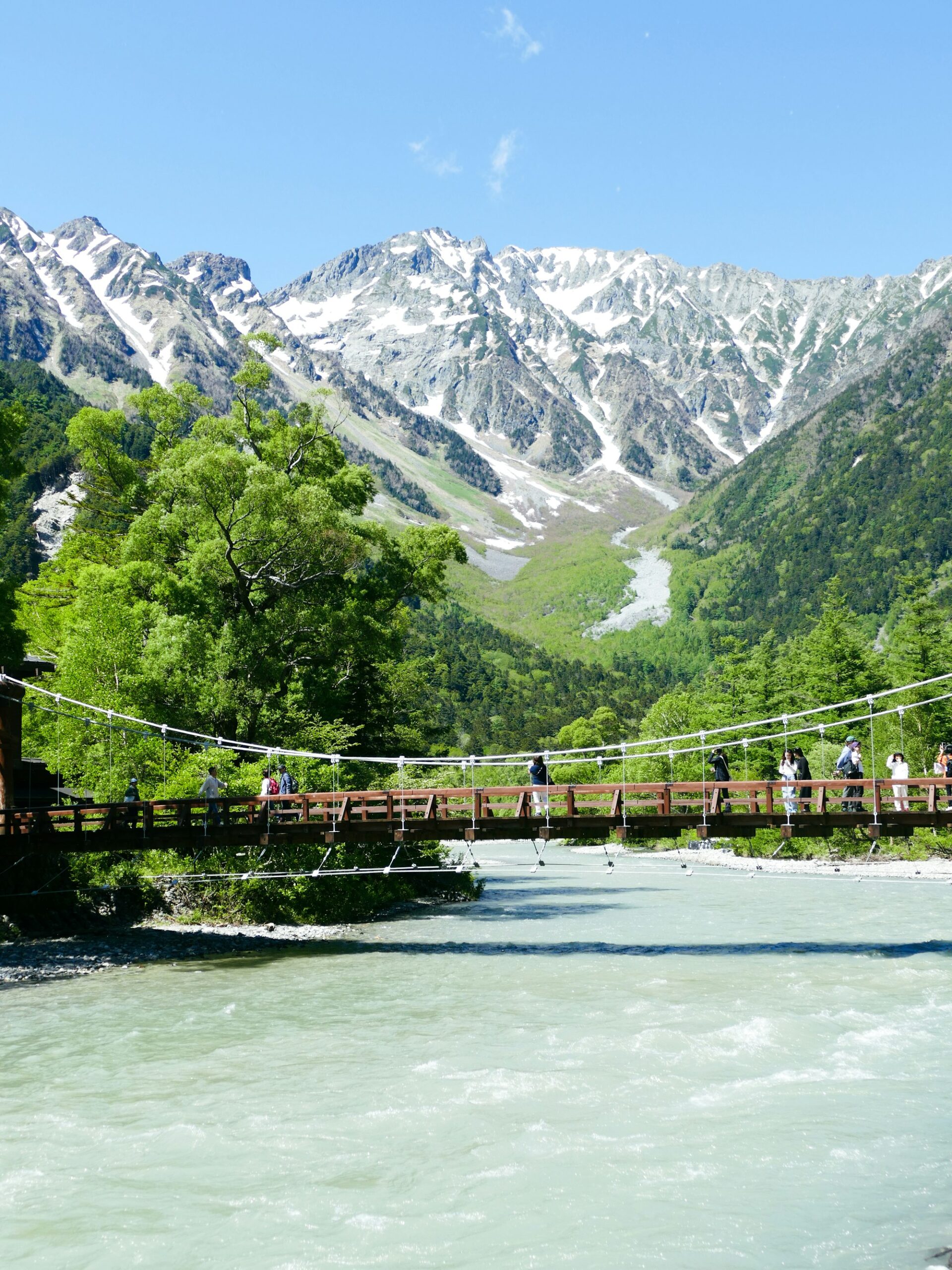
Kamikochi, Hakuba and Togakushi Shrine are the best places in Nagano Prefecture to experience the Japanese Alps. Kamikochi is a car-free alpine valley with turquoise rivers and towering peaks, Hakuba is a former Olympic village that is as good for summer hiking as it is for winter powder, and Togakushi is a mountain shrine reached by an avenue of giant cedar trees. All three are seasonal, so timing matters. This guide explains when to go, how to get there without a car, what to see and where to stay in Hakuba.
1. Kamikochi
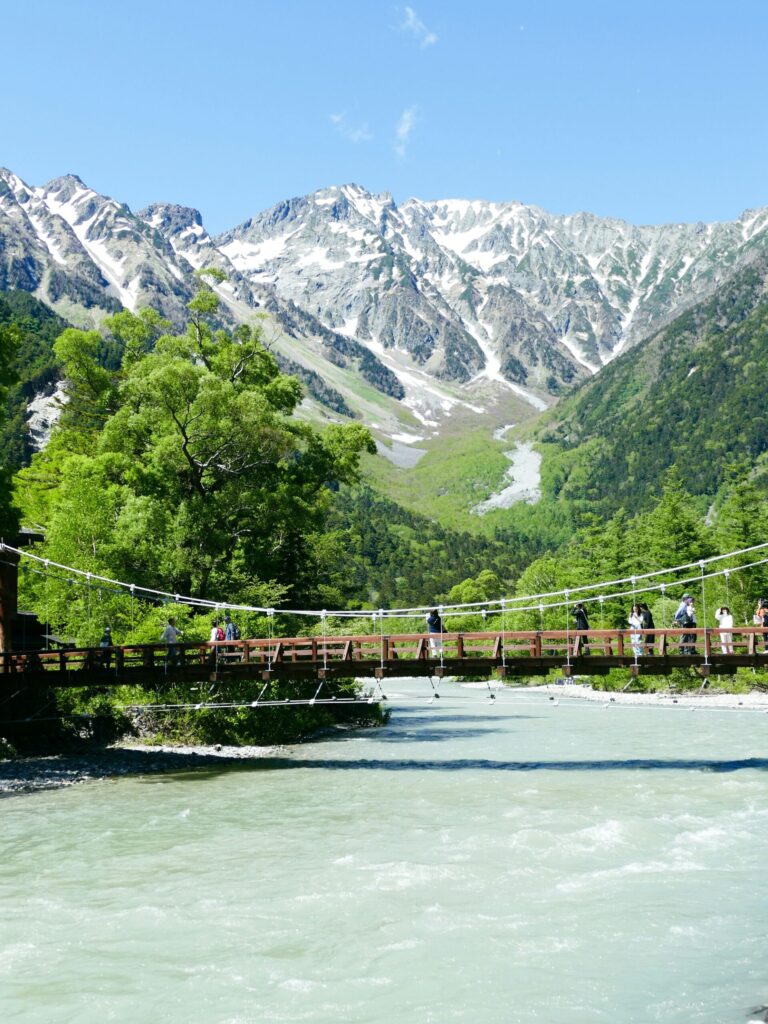
Kamikochi is a high mountain valley at about 1,500 meters inside Chubu Sangaku National Park, and one of the most beautiful places in Japan. A flat riverside trail follows the clear Azusa River past wetlands, forests and the Hotaka peaks, with Kappa Bridge, a wooden suspension bridge, at its center. Taisho Pond, with its dead trees standing in the water, formed in 1915 when a mudflow from the volcano Yakedake dammed the river. The walk from Taisho Pond to Kappa Bridge is about 4 kilometers and takes around 80 minutes, and you can continue another hour to Myojin Pond. Private cars, including rental cars, have been banned since 1975, so take a shuttle bus or taxi from Sawando parking on the Nagano side or Hirayu on the Gifu side, or a bus from Matsumoto via Shin-Shimashima Station. The valley is open from mid to late April until November 15, and it is about 5 to 10 degrees Celsius cooler than Matsumoto, so bring warm layers, especially from mid-October.
2. Hakuba
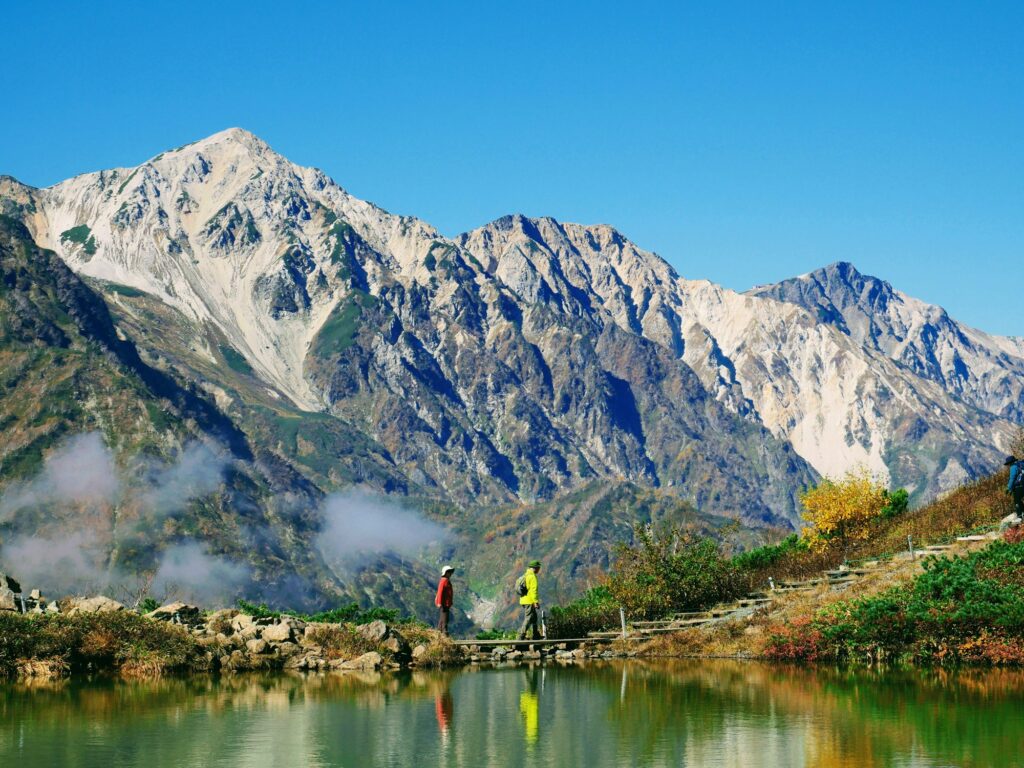
Hakuba is a mountain village in the Northern Alps that hosted events at the 1998 Nagano Winter Olympics and has become one of Japan’s most popular ski destinations, with English widely spoken in its lodges, restaurants and ski schools. Winter brings deep powder snow from December to March, but the green season is just as rewarding. Ride the lifts at Happo-one and hike up to Happo Pond, an alpine lake that reflects the snowy peaks of the Hakuba range on calm days, as in the photo above. At Hakuba Iwatake, the HAKUBA MOUNTAIN HARBOR terrace offers a dramatic view of the mountains, along with a branch of THE CITY BAKERY. In 2026 the Iwatake green season runs from late April to November 15, and its entry ticket for the gondola and lift is 2,900 yen for adults. Hakuba is also a good base for exploring the lakes and villages of northern Nagano. In autumn, the leaves turn from the summits down to the valley over several weeks.
3. Togakushi Shrine
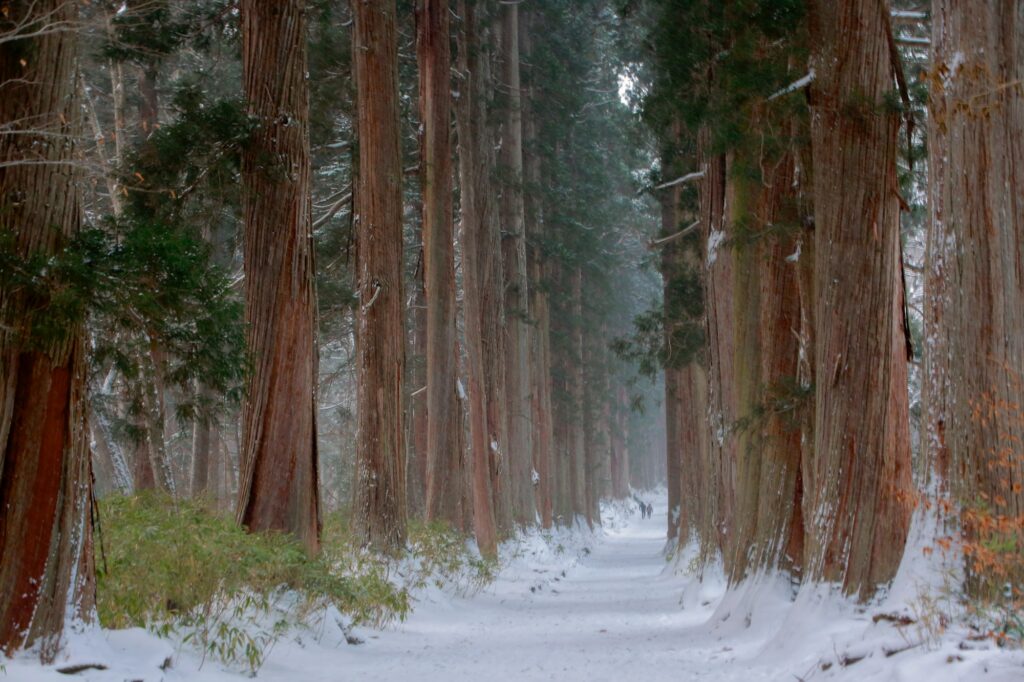
Togakushi Shrine is a group of five shrines scattered across the forested slopes of Mount Togakushi, northwest of Nagano City. The highlight is the walk to the Okusha, the innermost shrine, along an approach of roughly 2 kilometers that passes through the thatched-roof Zuishinmon gate and then an avenue of towering cedar trees around 400 years old. The walk takes about 40 minutes from the Okusha bus stop and climbs gently at the end, so wear comfortable shoes. Togakushi is also famous for soba noodles, and many restaurants near the Chusha shrine serve them handmade; you can even make your own at the local soba museum. The area has long links to mountain ascetics and ninja traditions. Visit between late April and November: in winter, walking past the Zuishinmon gate toward the Okusha is prohibited, and visitors pray at a distant worship site near the entrance instead. Many local businesses also close from late November to early April. Buses run from the Zenkoji exit of Nagano Station, taking about 45 to 75 minutes depending on the stop.
Where to Stay Near Hakuba
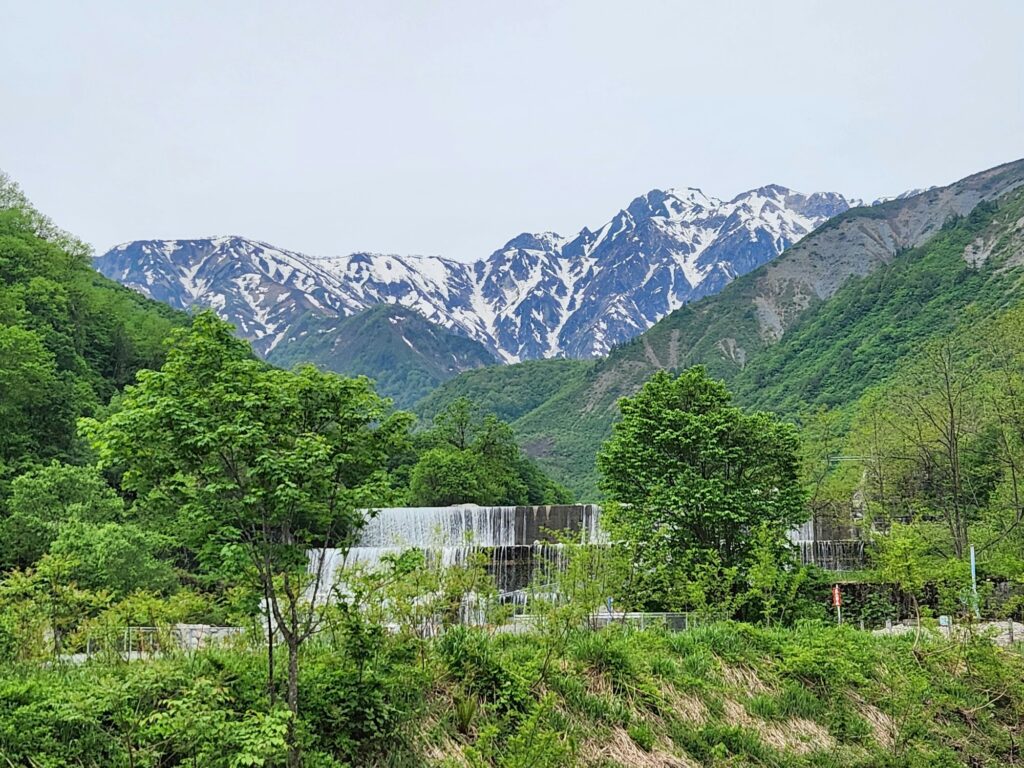 Where to stay: Hakuba
Hotel links in this section go to Orbitz. If you book through them, we may earn a commission at no extra cost to you.
Hakuba is the best place to stay for the mountains of northern Nagano. The village has everything from international-style hotels to small lodges, and it is busy year-round with skiers in winter and hikers in summer. Kamikochi is easier to reach from Matsumoto, and Togakushi from Nagano City, so many travelers split their nights between Hakuba and one of those cities.
Luxury
Hakuba Tokyu Hotel is a long-established resort hotel close to the Happo-one ski area, with mountain views, hot spring baths and restaurants. It is a comfortable base in both winter and summer.
Classic resort hotel near the Happo-one slopes.
Mid-Range
Courtyard by Marriott Hakuba is a familiar choice for American travelers who collect Marriott points, set near the Happo-one area with hot spring baths and easy access to the village.
Marriott hotel with onsen near Happo-one.
Budget-Friendly
Lodge Hitokkira is a casual lodge in Hakuba, a simple, budget-friendly alternative to the larger resort hotels for skiers and hikers who mainly need a warm place to sleep.
Casual lodge, a budget alternative to big hotels.
Compare prices before you book
Hotels in Hakuba on Orbitz
Wake up to views of the Northern Alps, ski or hike Happo-one and explore the lakes and shrines of northern Nagano.
Affiliate link — if you book through Orbitz, we may earn a commission at no extra cost to you.
Quick Tips for Visiting
- Kamikochi is open from mid to late April until November 15; plan your visit within that season.
- Bring layers and rain gear for all three spots, as mountain weather changes quickly.
- Visit Togakushi Shrine between late April and November to walk the full cedar avenue.
- Book Hakuba lodging early for the winter ski season, especially around New Year.
- Carry cash for mountain buses, soba restaurants and shrine amulets.
Getting there by train: From Tokyo, the Hokuriku Shinkansen reaches Nagano in about 80 minutes; from there, buses run to Togakushi and Hakuba. Matsumoto, the gateway to Kamikochi, is about 2.5 hours from Shinjuku by Limited Express Azusa, and the JR Oito line also runs north from Matsumoto to Hakuba. The Shinkansen and JR limited expresses are covered by the JR Pass, but local private buses and the Alpico railway are not. Read our guide to riding trains in Japan, learn how to ride the Shinkansen, and check whether the JR Pass is worth it.
Frequently Asked Questions
When is Kamikochi open?
Kamikochi opens in mid to late April and closes on November 15 each year. In 2026 it opened on April 17. Private cars are banned, so arrive by shuttle bus or taxi.
Can you drive to Kamikochi?
No. Private cars, including rental cars, have been banned since 1975. Park at Sawando on the Nagano side or Hirayu on the Gifu side and take a shuttle bus or taxi.
Is Hakuba worth visiting in summer?
Yes. In the green season you can ride the lifts at Happo-one and hike to Happo Pond, or enjoy the HAKUBA MOUNTAIN HARBOR terrace at Hakuba Iwatake.
Can you visit Togakushi Shrine in winter?
Only partly. In winter, walking beyond the Zuishinmon gate toward the Okusha is prohibited, and visitors pray at a distant worship site near the entrance. The Okusha usually reopens in late April.