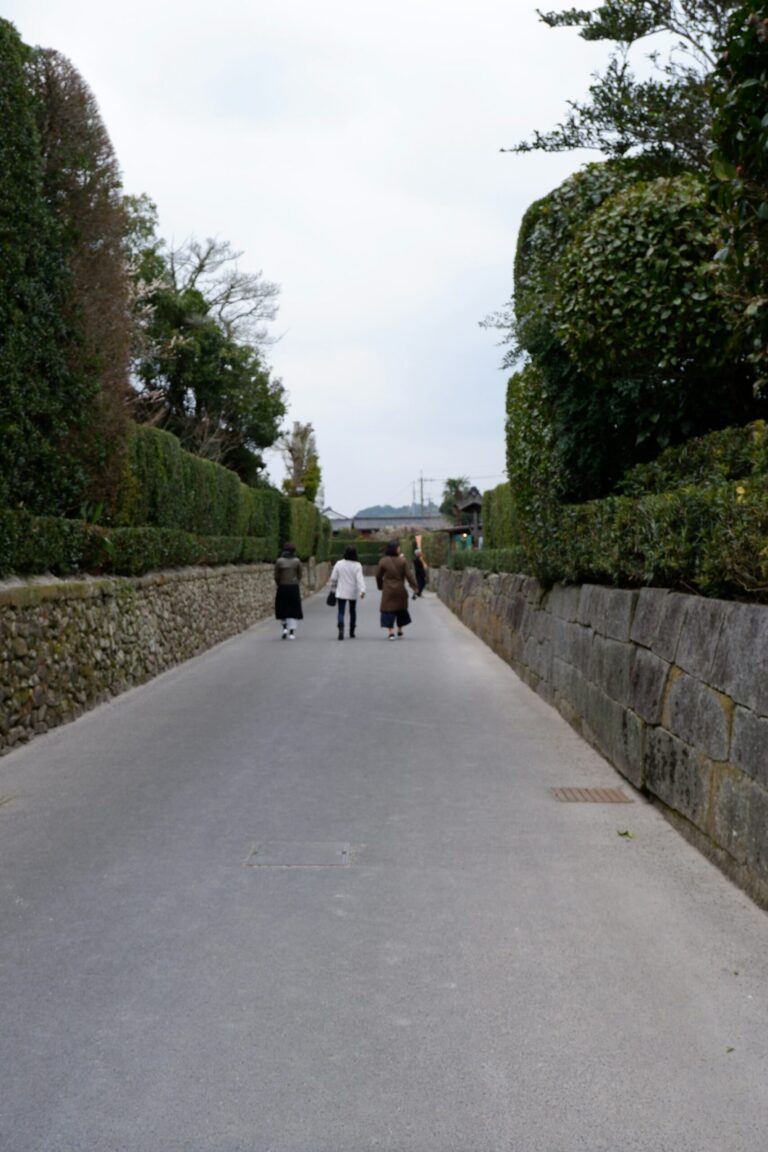
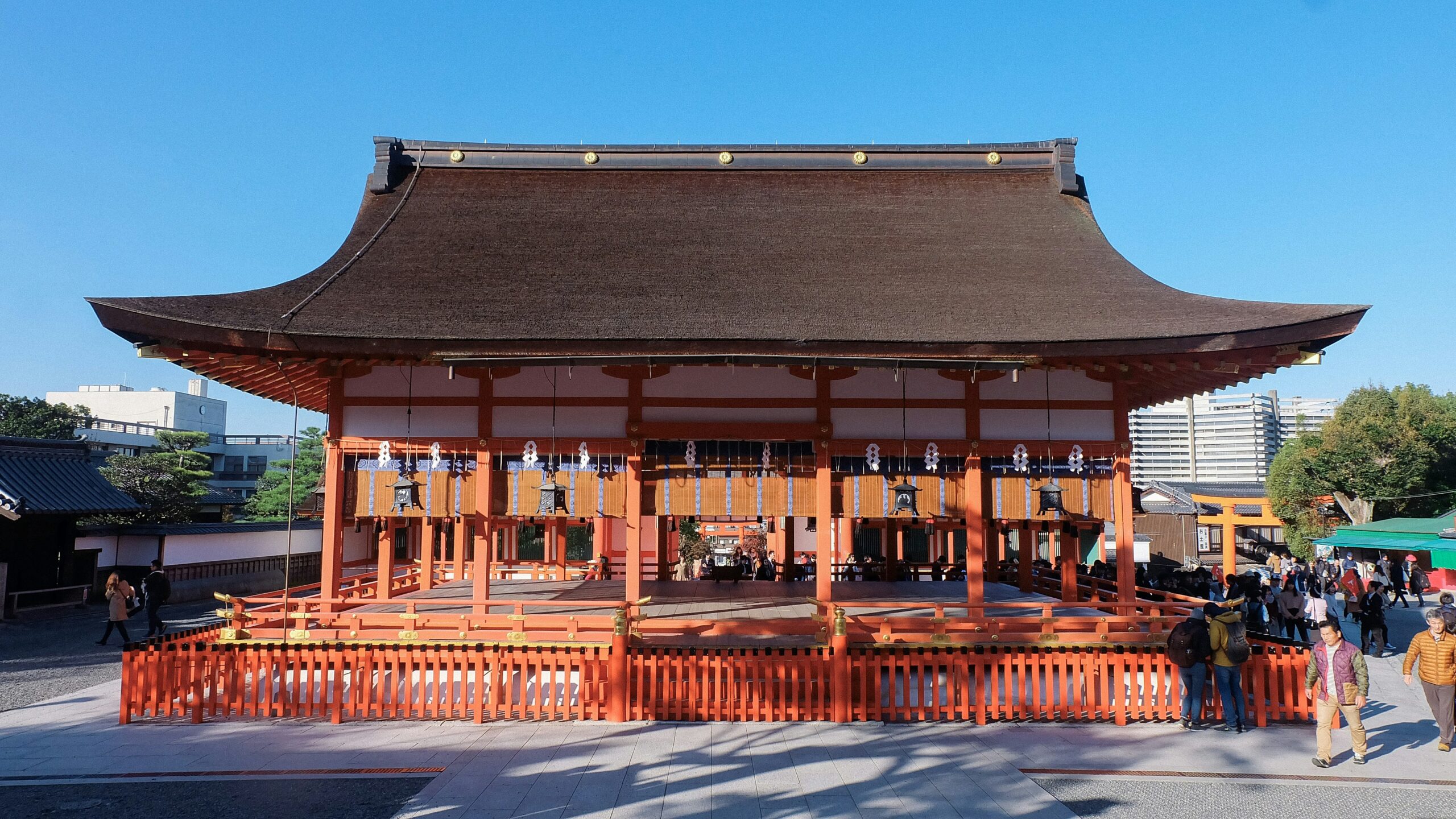
Kyoto served as Japan’s imperial capital for over a thousand years, and its temples and shrines remain some of the best-preserved in the country. This guide covers three of its most iconic sites — a mountain shrine famous for thousands of vermillion gates, a centuries-old wooden temple built without nails, and a pavilion covered entirely in gold leaf.
Planning where to sleep? See our guide to where to stay in Kyoto.
1. Fushimi Inari Taisha
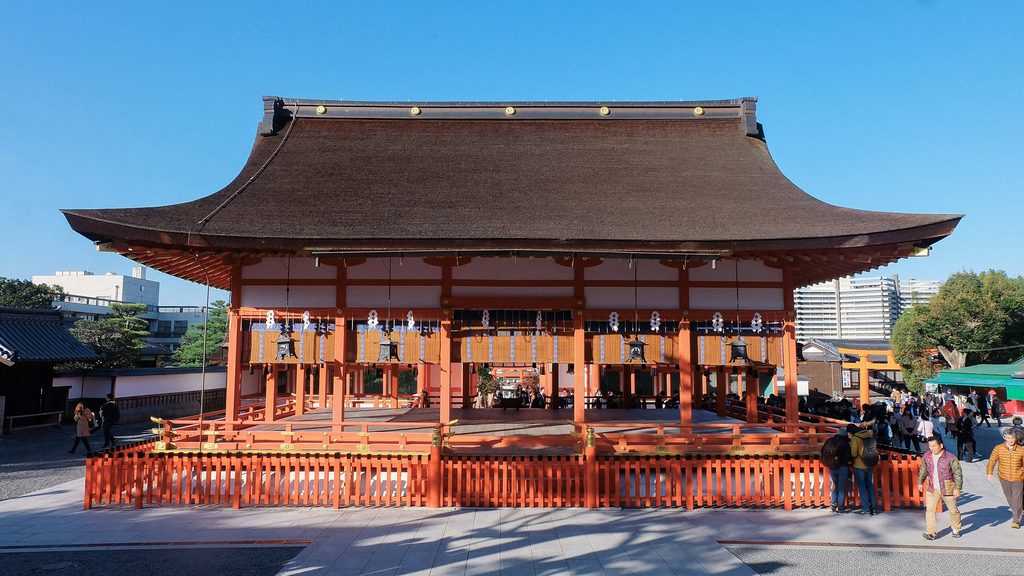
Fushimi Inari Taisha is the head shrine for Inari, the Shinto god of rice and prosperity, and is famous worldwide for its thousands of vermillion torii gates that form a winding tunnel up the slopes of Mount Inari. Each gate is donated by a business or individual, inscribed with their name and the date of donation — a tradition still ongoing today. The full hike to the summit and back takes two to three hours, but even a shorter 30-45 minute walk to the first major viewpoint offers a strong sense of the gates’ scale. Fox statues throughout the grounds represent Inari’s messengers and are a distinctive photo subject in their own right.
2. Kiyomizu-dera
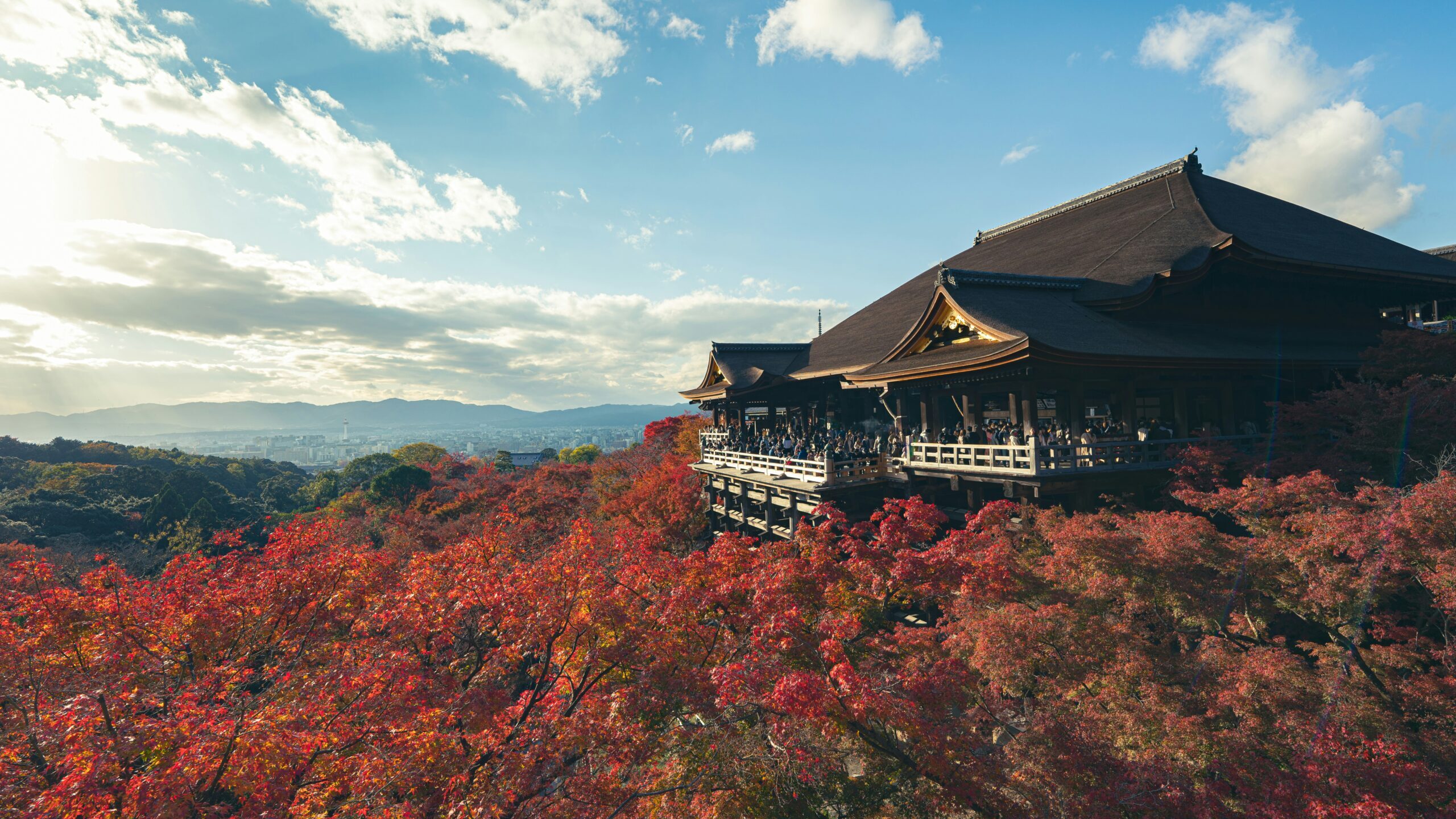
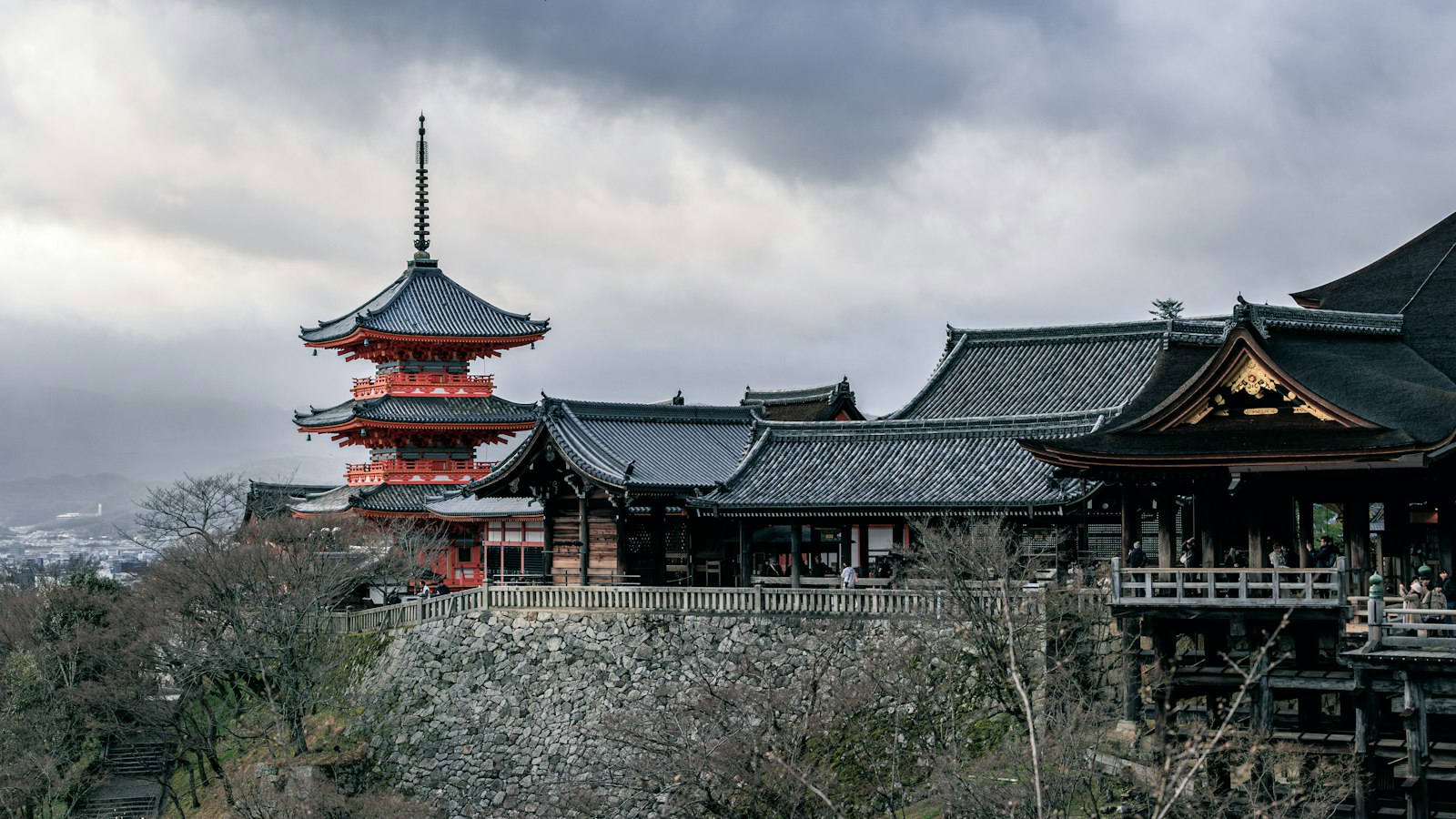
Founded in 778 AD, Kiyomizu-dera (“Pure Water Temple”) is best known for its large wooden stage, built out over a hillside using traditional joinery techniques and no nails at all. The stage offers sweeping views over Kyoto and, in spring and autumn, over a hillside of cherry blossoms or maple foliage. Below the main hall, visitors can drink from the Otowa Waterfall’s three separate streams, each said to grant a different benefit (longevity, success, or love) — though tradition holds that drinking from all three is considered greedy. The approach to the temple along Sannenzaka and Ninenzaka, two preserved historic streets lined with traditional shops, is a highlight in itself.
3. Kinkaku-ji (The Golden Pavilion)
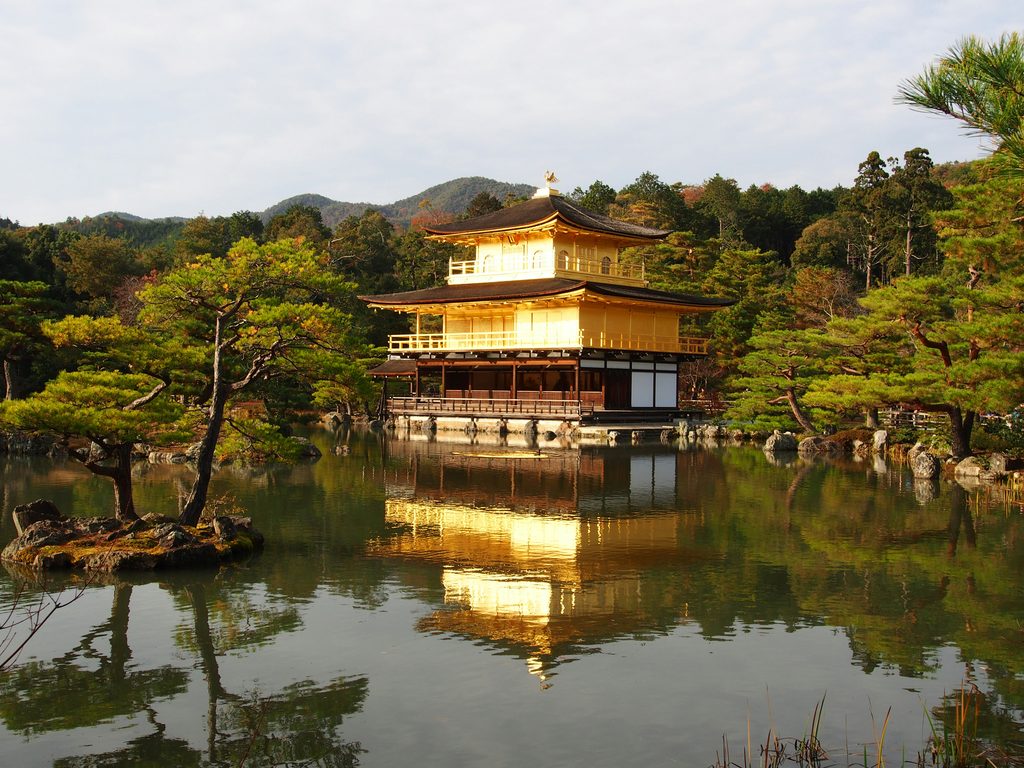
Originally built as a retirement villa for a Kyoto shogun in 1397 and later converted into a Zen Buddhist temple, Kinkaku-ji is famous for its top two floors, which are covered entirely in gold leaf. The pavilion sits at the edge of a reflecting pond, creating one of Japan’s most photographed views, especially when the water is still. The current structure is a 1955 reconstruction after the original was destroyed by fire, but it remains faithful to the historic design. The surrounding strolling garden, designed in the Muromachi period style, is meant to be viewed along a set path rather than explored freely, so allow 30-45 minutes for a full walk-through.
Where to Stay Near Kyoto’s Temple Circuit
 Where to stay: Higashiyama, Kyoto
Hotel links in this section go to Orbitz. If you book through them, we may earn a commission at no extra cost to you.
Staying near Kyoto Station or the Higashiyama district offers convenient access to these sites via bus or train.
Luxury
The Ritz-Carlton Kyoto and Hyatt Regency Kyoto offer high-end accommodations with traditional design touches, both well-connected to the city’s temple districts.
Riverside luxury on the Kamogawa, with views toward the Higashiyama hills.
Next to Sanjusangen-do temple, a short ride from Kiyomizu-dera.
Mid-Range
Hotels near Kyoto Station, such as Hotel Granvia Kyoto, provide a central base with direct rail and bus access to Fushimi Inari and Kiyomizu-dera.
Built into Kyoto Station — one stop on the JR Nara Line from Fushimi Inari.
Budget-Friendly
Business hotels like APA Hotel Kyoto Ekimae and Kyoto-area guesthouses near Kyoto Station offer affordable stays close to major bus routes.
A few minutes’ walk from Kyoto Station and its main city bus terminal.
Compare prices before you book
Hotels in Higashiyama on Orbitz
Staying in Higashiyama means you can reach Kiyomizu-dera on foot before the tour buses arrive.
Check Higashiyama hotel prices →
Affiliate link — if you book through Orbitz, we may earn a commission at no extra cost to you.
Quick Tips for Visiting
- Fushimi Inari is open 24 hours and free to enter — an early morning or evening visit avoids the largest tour groups.
- Kiyomizu-dera and Kinkaku-ji both charge a small admission fee and have set visiting hours, typically ending in the late afternoon.
- Wear comfortable walking shoes; all three sites involve uneven stone paths, stairs, or hillside walking.
- These three sites are spread across Kyoto, so plan for a full day if visiting all three, using buses or a taxi between them.
Getting there by train: Read our guide to riding trains in Japan, learn how to ride the Shinkansen, and check whether the JR Pass is worth it for your itinerary.
Frequently Asked Questions
Do I need to hike all of Fushimi Inari?
No — most visitors walk to the Yotsutsuji intersection, about 30-45 minutes up, which offers gate tunnels and a city view without committing to the full two-hour summit hike.
Is Kinkaku-ji actually made of gold?
The top two floors are covered in real gold leaf over a wooden structure; the ground floor is left in natural wood in contrast.
What’s the best time of year to visit these temples?
Spring (cherry blossoms) and autumn (fall foliage) are the most popular and scenic seasons, though also the most crowded — visiting on weekdays helps.