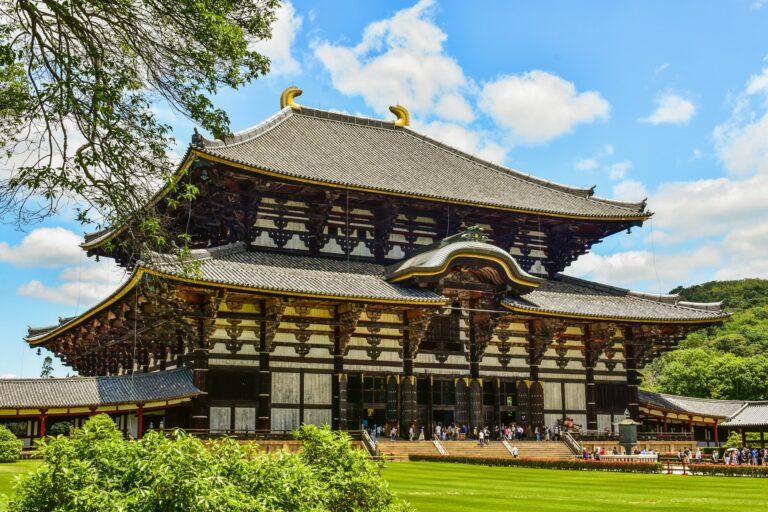
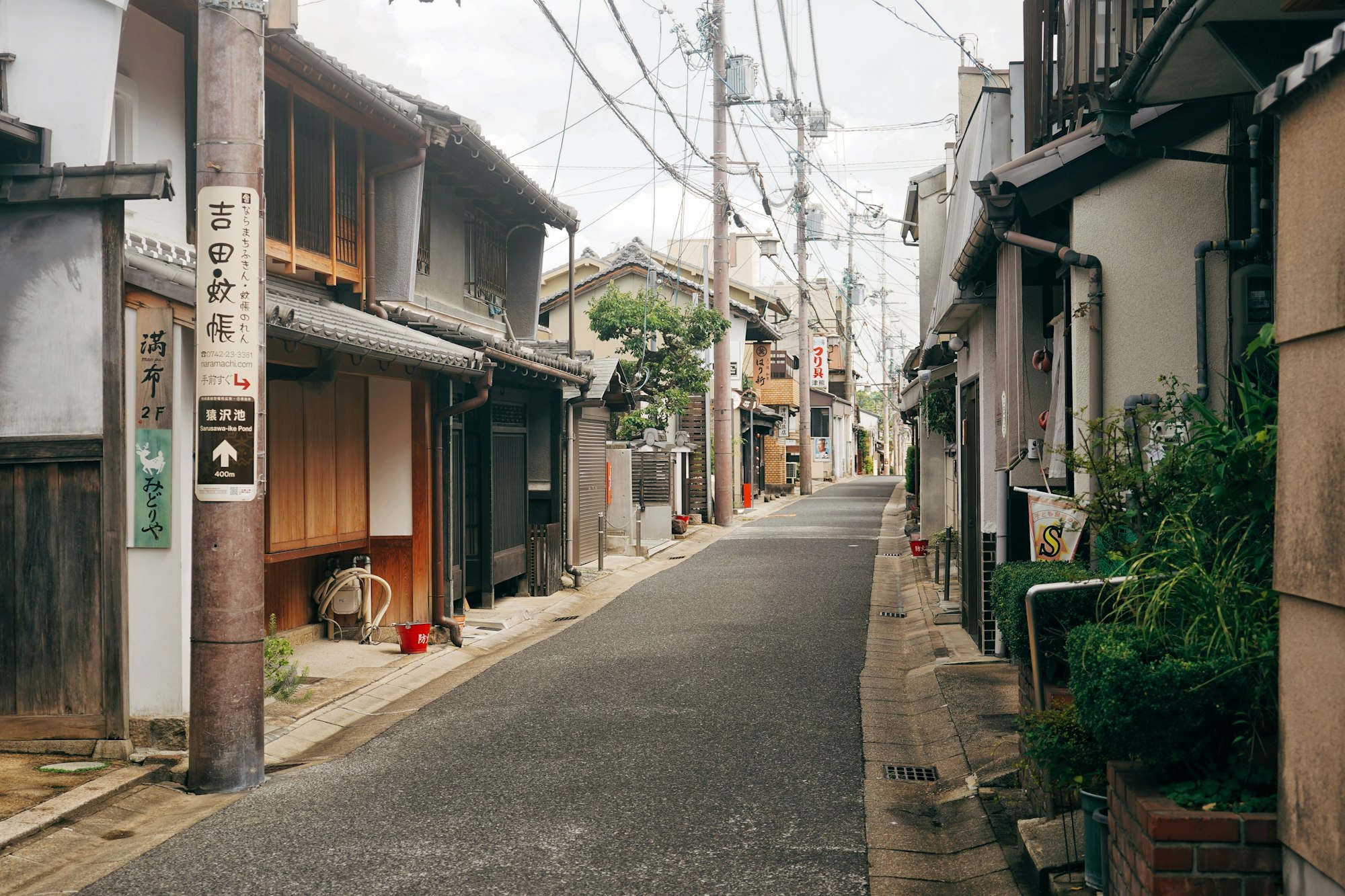
Naramachi, Kofuku-ji and Isuien Garden show a softer side of Nara than the crowds around the Great Buddha. Just south and west of Nara Park, the old town is a grid of narrow lanes, wooden merchant houses, small cafes and shops selling local specialties, and it is the best part of the city for wandering and eating. This guide covers three stops that fit into a relaxed half day: the historic Naramachi district, the great temple of Kofuku-ji, and the strolling garden of Isuien, plus the Nara foods worth seeking out along the way.
1. Naramachi Old Merchant District
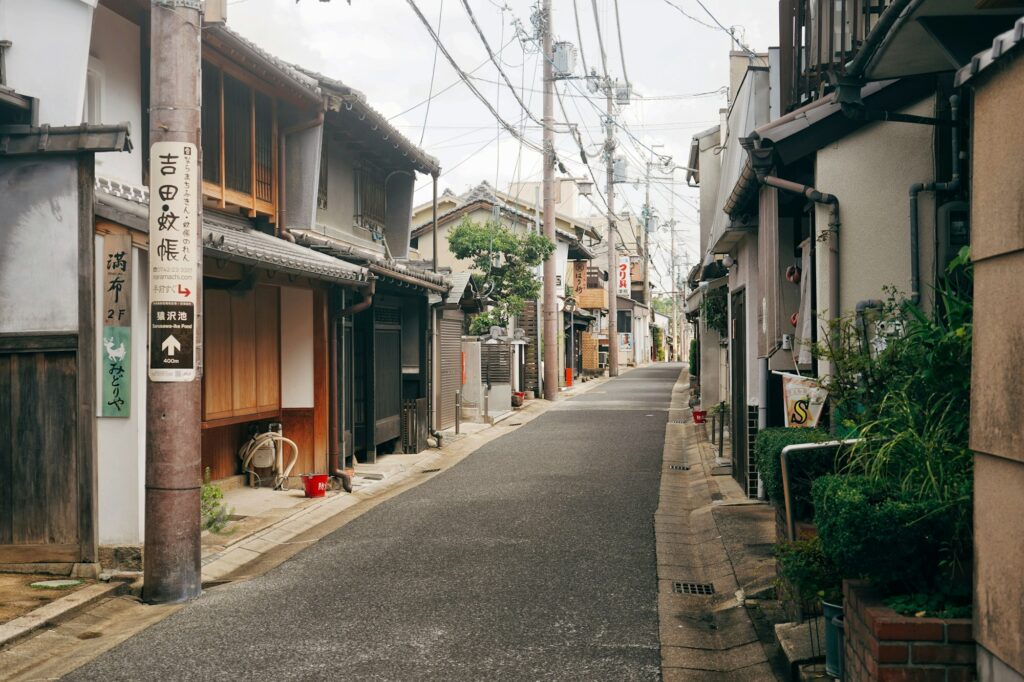
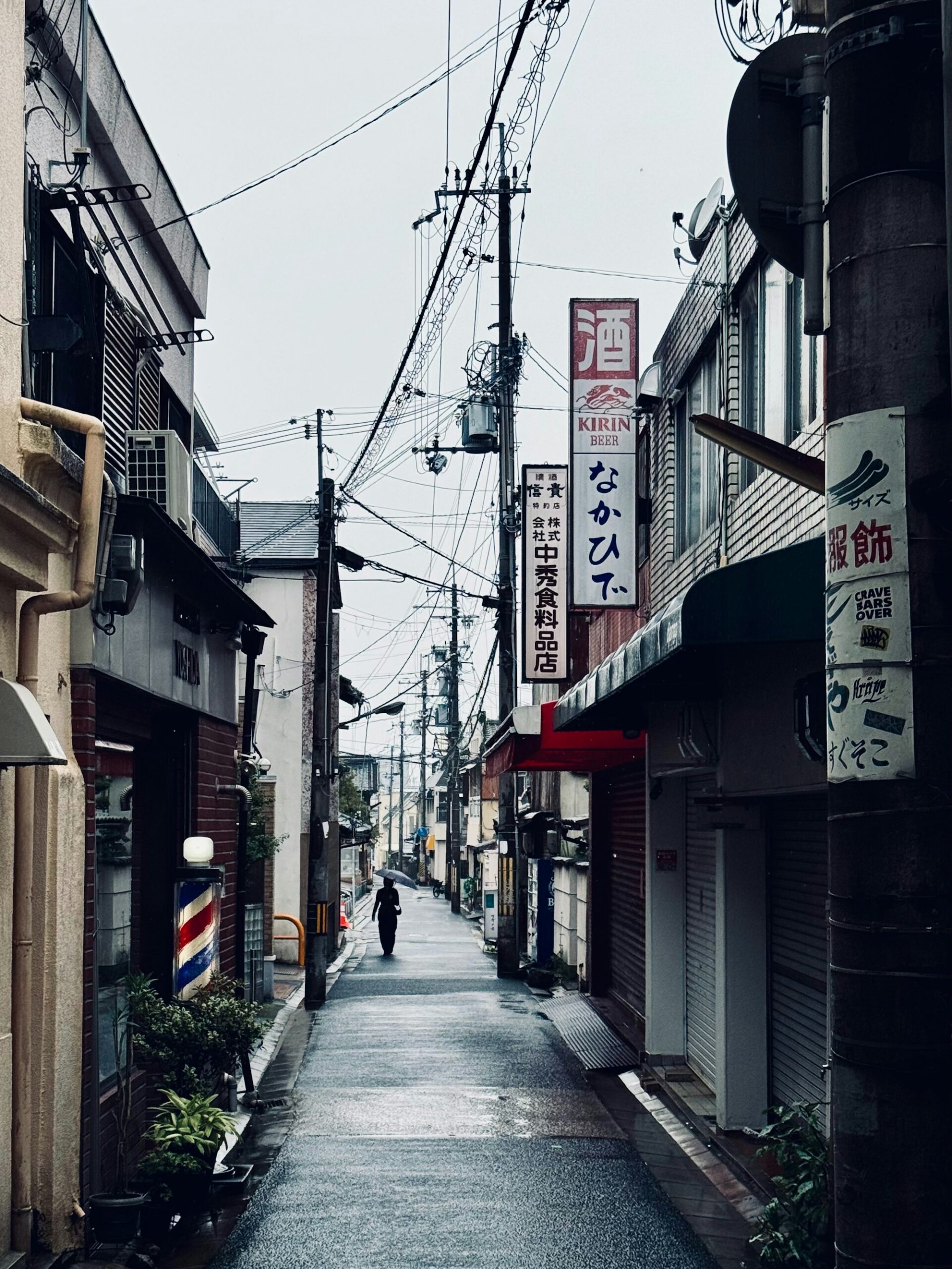
Naramachi grew up from around the 15th century on the former grounds of Gango-ji, one of Nara’s oldest temples, and its lanes are still lined with machiya, traditional wooden townhouses with narrow street frontages (property taxes were once based on frontage width, so homes were built long and deep). Look for small red cloth monkeys hanging from the eaves; called migawari-zaru, they are charms believed to take misfortune in your place. To see a machiya from the inside, step into Naramachi Koshi-no-Ie, a restored merchant house that is free to enter and open from 9:00 a.m. to 5:00 p.m. (closed Mondays). The district is about a 15-minute walk south of Kintetsu-Nara Station. Come in the late morning, when the cafes and craft shops open, and allow an hour or two to browse, snack and photograph the quiet back streets.
2. Kofuku-ji Temple
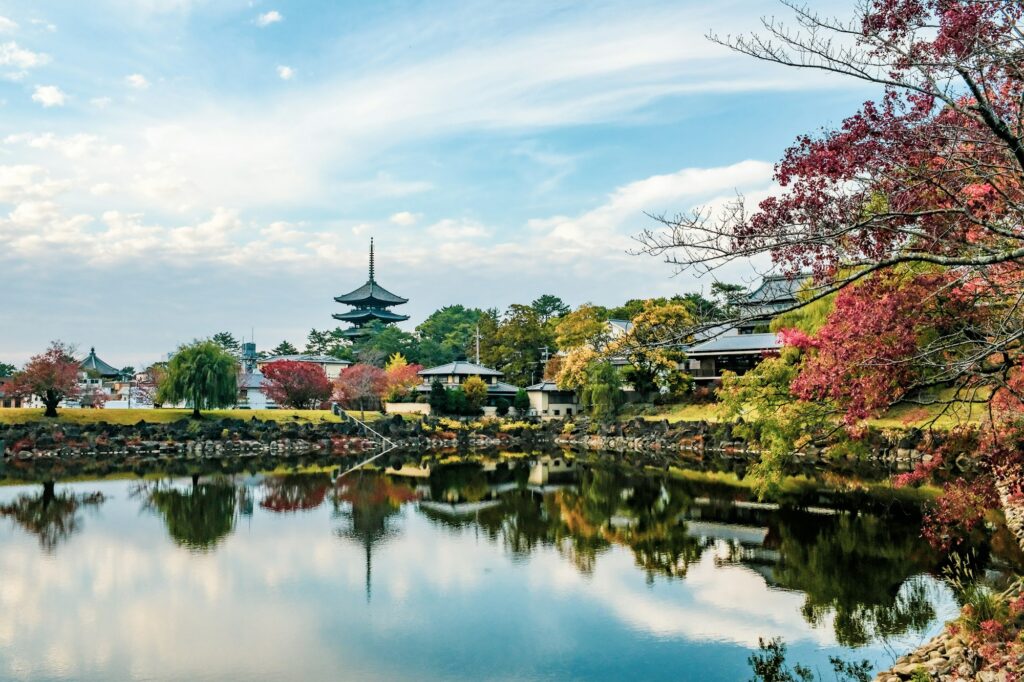
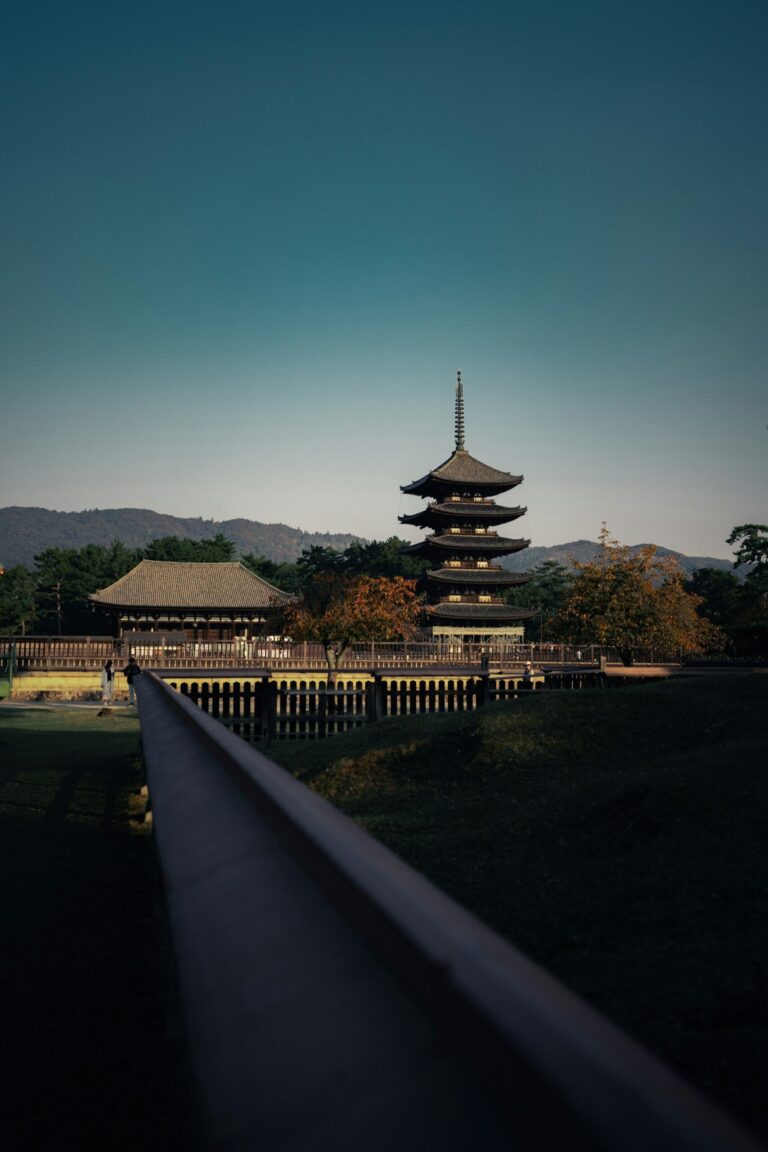
Kofuku-ji was the family temple of the Fujiwara clan, who dominated the imperial court for centuries; it was founded in 669 and moved to Nara when the capital was established in 710. Its roughly 50-meter Five-Story Pagoda, rebuilt in 1426, is one of the classic symbols of Nara, especially when seen across Sarusawa Pond. Be aware that the pagoda has been covered by a protective structure for a major restoration since July 2023, and the work is expected to continue until at least 2031, so you will not see the full tower during your visit. The rest of the temple is still very much worth your time: the grounds are free and open at all hours, the Central Golden Hall was rebuilt and reopened in 2018 (500 yen), and the National Treasure Museum holds some of Japan’s finest Buddhist sculpture, including the famous three-faced Ashura statue. Kofuku-ji is only about five minutes on foot from Kintetsu-Nara Station.
3. Isuien Garden and Yoshikien
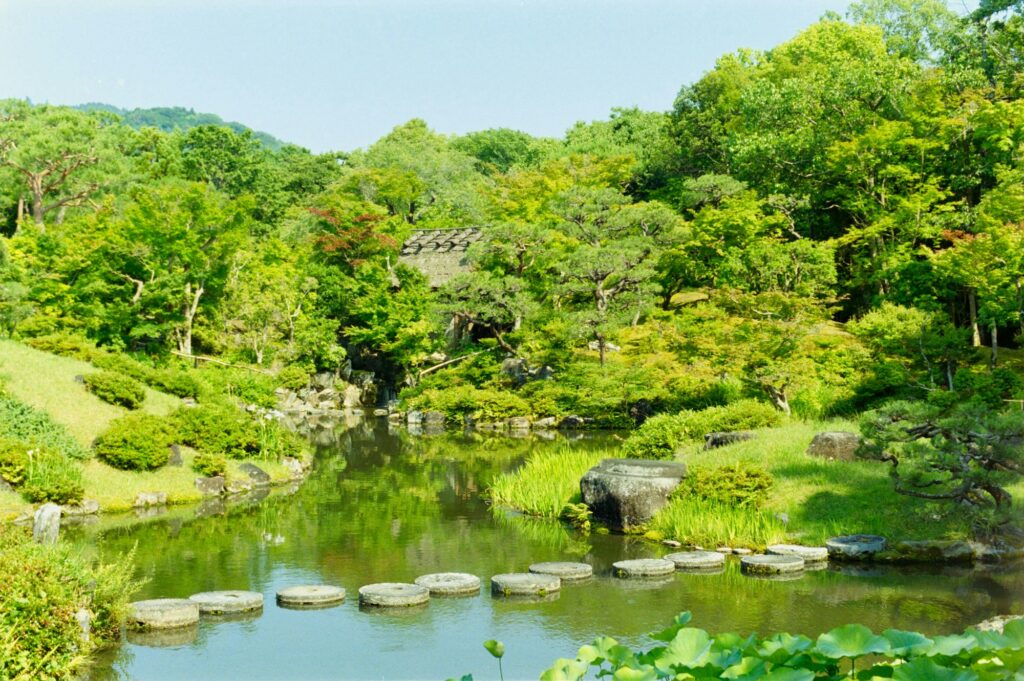
Isuien is a beautifully kept strolling garden on the western edge of Nara Park, made up of two connected gardens with ponds, stepping stones, teahouses and lawns. Its best trick is “borrowed scenery”: the garden frames the roof of Todai-ji’s great south gate and the hills behind it, so the landscape seems to extend far beyond its walls. Admission is 1,200 yen for adults, and the garden is open from 9:30 a.m. to 4:30 p.m. (last entry 4:00 p.m.). It closes on Tuesdays and for several periods each year, so check before you go. Right next door, Yoshikien is a smaller garden with a moss garden, a pond garden and a tea-flower garden, and it is free for all visitors (9:00 a.m. to 5:00 p.m.). Both gardens are about a 15-minute walk from Kintetsu-Nara Station and fit easily between Kofuku-ji and Todai-ji.
Where to Stay Near Naramachi
 Where to stay: Naramachi & central Nara
Hotel links in this section go to Booking.com. If you book through them, we may earn a commission at no extra cost to you.
Staying in or near Naramachi gives you quiet evenings in the old town and an easy walk to Kofuku-ji, Isuien and Nara Park in the morning. Kintetsu-Nara Station is the closest station, about 15 minutes away on foot.
Luxury
Fufu Nara is a boutique luxury hot spring hotel close to Nara Park, a peaceful retreat that is still within walking distance of Naramachi and Kofuku-ji.
Boutique hot spring hotel with a calm, ryokan-like feel.
Mid-Range
MIROKU NARA by THE SHARE HOTELS is a stylish, design-focused hotel in central Nara, within walking distance of Kofuku-ji and the old town.
MIROKU NARA by THE SHARE HOTELS
Design hotel within walking distance of Kofuku-ji and Naramachi.
Budget-Friendly
Guesthouse Naramachi is a small, friendly guesthouse in the old town, a good fit for budget travelers who want to stay among the machiya.
Friendly budget guesthouse in the heart of the old town.
Compare prices before you book
Hotels in Nara on Booking.com
Stay overnight in Nara to enjoy Naramachi after the day-trippers leave and to reach the gardens and temples right at opening time.
Affiliate link — if you book through Booking.com, we may earn a commission at no extra cost to you.
Quick Tips for Visiting
- Try kakinoha-zushi, Nara’s signature sushi of salted mackerel or salmon on rice wrapped in a persimmon leaf; it travels well, so it makes a good train snack.
- Look for Nara-zuke, vegetables pickled in sake lees, in the shops of Naramachi and the shopping streets near Kintetsu-Nara Station.
- Stop at Nakatanidou near the Sanjo-dori and Higashimuki shopping streets, famous for high-speed mochi pounding and fresh yomogi (mugwort) mochi; bring cash.
- Check garden closing days in advance: Isuien closes on Tuesdays, and Naramachi Koshi-no-Ie closes on Mondays.
- Combine this route with Todai-ji and the deer park for a full day in central Nara.
Getting there by train: Kintetsu-Nara Station is the closest station to Naramachi and Kofuku-ji. Nara is about 35 to 45 minutes from Kyoto and 40 to 50 minutes from Osaka; the JR Nara Line is covered by the JR Pass, while Kintetsu is not. Read our guide to riding trains in Japan, check whether the JR Pass is worth it, and if you are starting in Tokyo, see how to ride the Shinkansen.
Frequently Asked Questions
Can you see the Kofuku-ji Five-Story Pagoda right now?
Not fully. The pagoda has been covered by a protective structure for a major restoration since July 2023, and the work is expected to continue until at least 2031. The temple grounds, Central Golden Hall and National Treasure Museum remain open.
Is Naramachi free to visit?
Yes. Naramachi is a historic neighborhood you can walk freely, and Naramachi Koshi-no-Ie, a restored merchant house, is free to enter. It is closed on Mondays.
How much is Isuien Garden?
Admission to Isuien Garden is 1,200 yen for adults. The neighboring Yoshikien garden is free for all visitors.
What food is Nara famous for?
Nara is known for kakinoha-zushi (sushi wrapped in persimmon leaves), Nara-zuke pickles made with sake lees, and fresh mochi such as the yomogi mochi pounded at Nakatanidou.