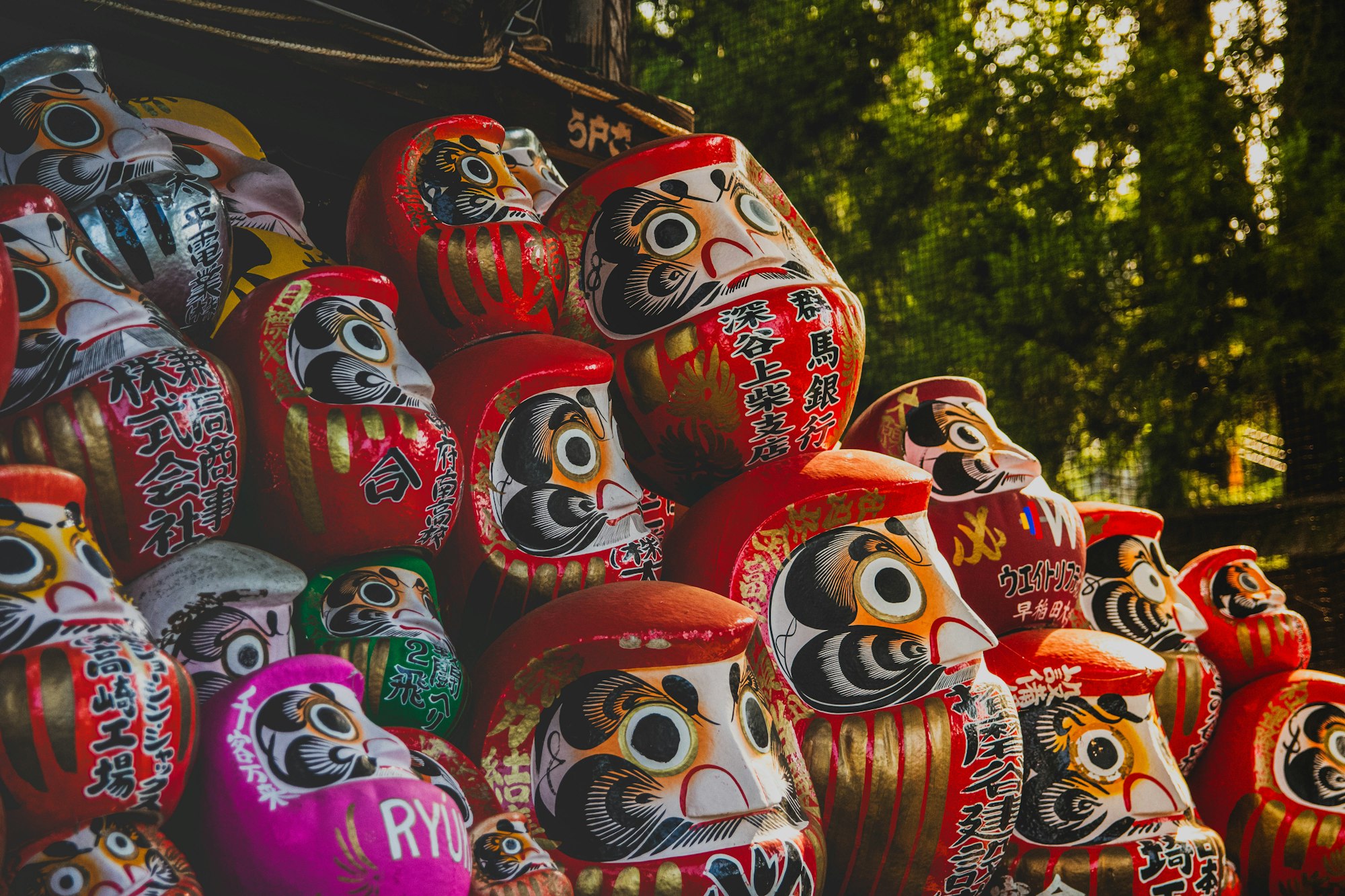
Shorinzan Daruma-ji, the towering Byakue Dai-Kannon and the brick arches of the old Usui Pass railway make Takasaki, the Shinkansen gateway to Gunma Prefecture, far more than a place to change trains. Takasaki is the hometown of the daruma doll, Japan’s red good-luck charm, and it sits at the junction of the Joetsu and Hokuriku Shinkansen lines, less than an hour from Tokyo. That makes it an easy base for day trips to temples, railway heritage and the UNESCO-listed Tomioka Silk Mill. This guide covers the three highlights, practical tips and where to stay.
1. Shorinzan Daruma-ji Temple
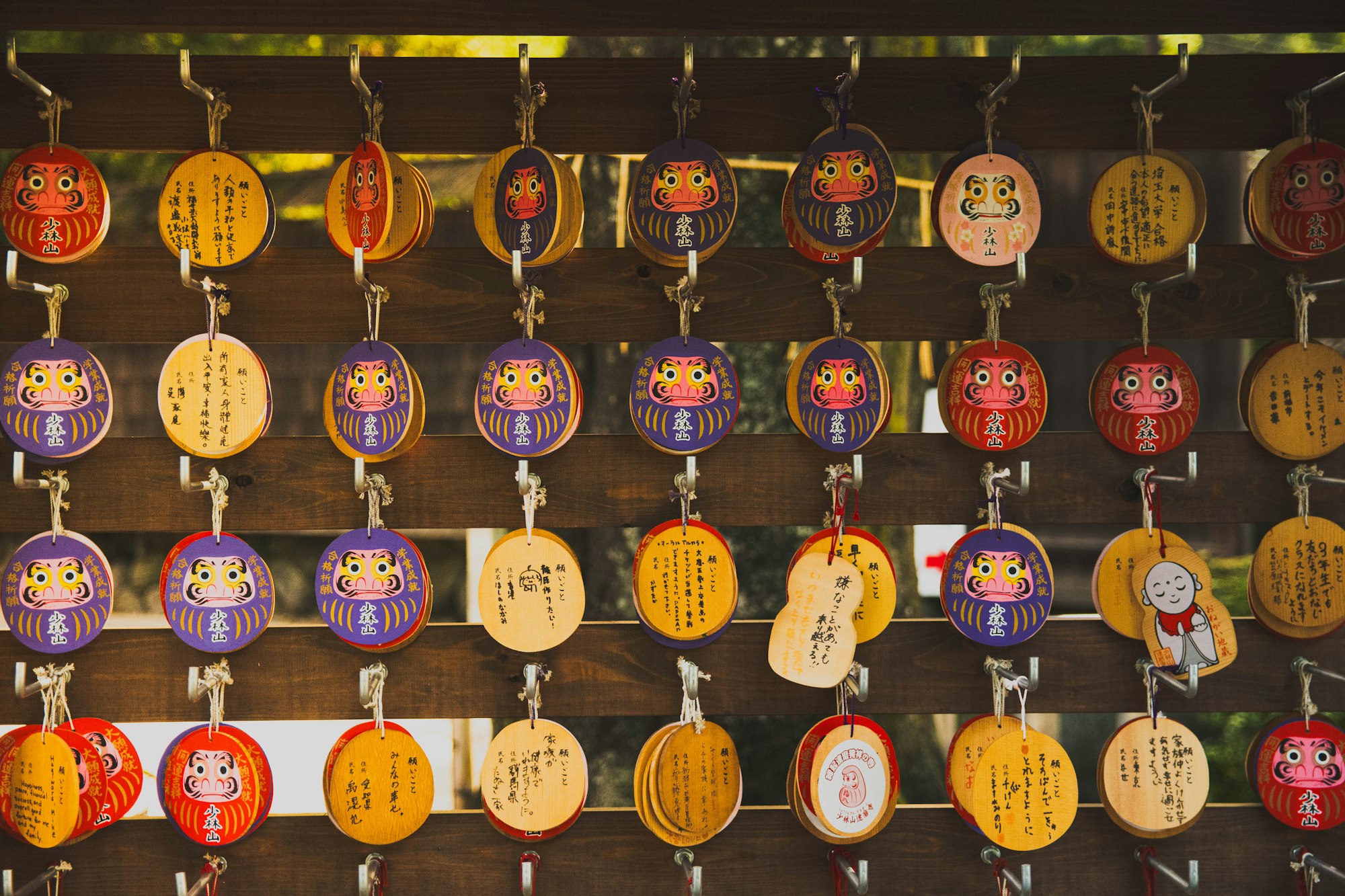
Shorinzan Daruma-ji, a Zen temple of the Obaku school founded in 1697 on a hillside west of central Takasaki, is known as the birthplace of the daruma doll. During a terrible famine in the 1780s, the temple’s ninth head priest taught local farmers to make papier-mache daruma as a way to earn income, and the tradition has continued ever since. Today the halls are filled with thousands of red daruma brought back by people whose wishes have come true. The custom is to paint in one eye when you make a wish and the second eye once it is fulfilled. The temple is free to visit and open 9:00 to 17:00. Every year on January 6 and 7, it hosts the Daruma Ichi fair, which begins on the evening of the 6th and runs through the night, with stalls selling daruma of every size. From Takasaki Station, take a bus of about 20 minutes, or ride the JR Shin’etsu Line to Gunma-Yawata Station and walk about 15 minutes.
2. Takasaki Byakue Dai-Kannon
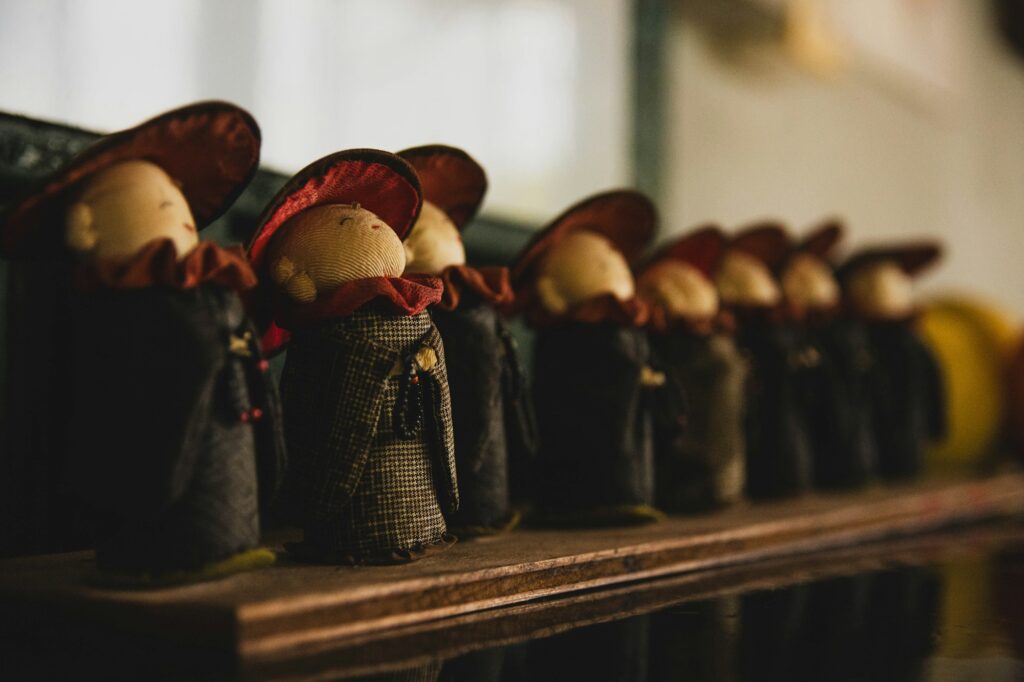
The Byakue Dai-Kannon, or White-Robed Kannon, is a 41.8-meter concrete statue of the Buddhist goddess of mercy that stands on Kannonyama hill above Takasaki and is part of Jigen-in temple. It is visible from much of the city, and unlike most giant statues in Japan, you can climb up inside it. A narrow staircase leads past small Buddhist images and displays up to the shoulders, where little windows look out over Takasaki toward the mountains of Gunma. Entry to the interior costs 300 yen for adults and 100 yen for children, and it is open 9:00 to 17:00 (until 16:30 from November to March). The hilltop around the statue is pleasant for a stroll, especially in spring and autumn. Buses from Takasaki Station take about 20 minutes. Allow about an hour for the statue and the grounds, and combine it with Daruma-ji for a half-day temple tour of the city.
3. Usui Pass: Megane-bashi and the Abt-way
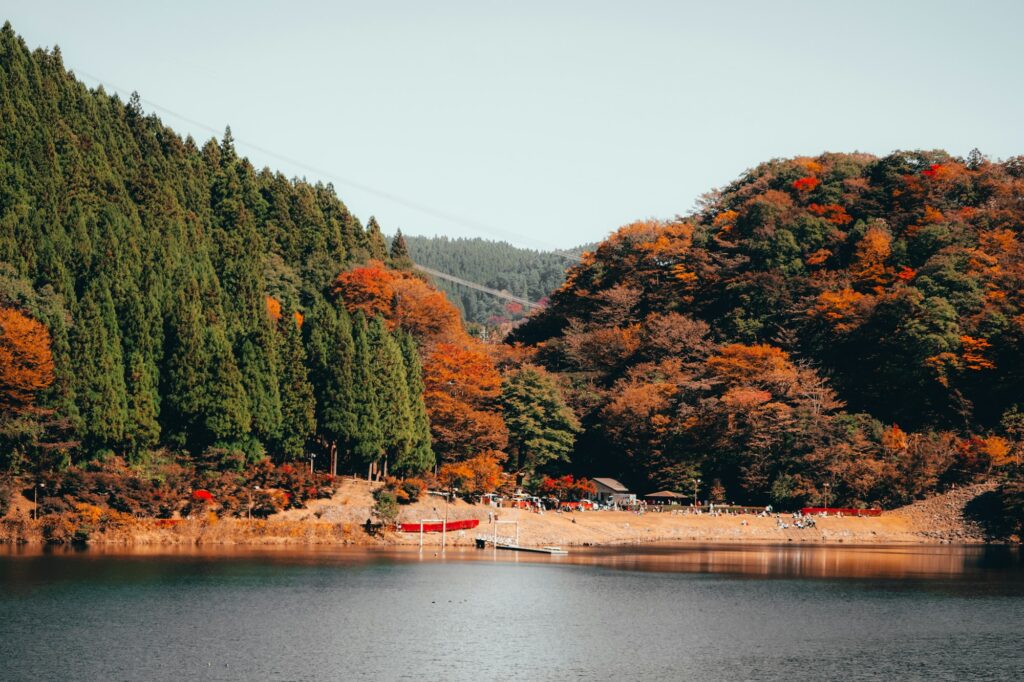
At the western edge of Gunma, the old railway over Usui Pass toward Karuizawa was once one of the steepest main lines in Japan. Its most famous relic is the Usui Daisan Bridge, nicknamed Megane-bashi (Spectacles Bridge), a four-arch brick viaduct completed in 1892 that is the largest brick arch bridge in Japan and an Important Cultural Property. You can reach it on the Abt-way, a walking trail of about 6 kilometers that follows the abandoned railway from Yokokawa Station through ten tunnels and across six bridges; the walk takes about 90 minutes each way, or you can take a bus of about 15 minutes. Usui Lake, just beyond the bridge, is beautiful in autumn. At Yokokawa, visit the Usui Pass Railway Culture Village (500 yen, closed Tuesdays except in August) and try Toge no Kamameshi, a rice lunch sold in a clay pot by Oginoya since 1885. Yokokawa is about 30 minutes from Takasaki on the JR Shin’etsu Line.
Where to Stay Near Takasaki
 Where to stay: Takasaki
Hotel links in this section go to Booking.com. If you book through them, we may earn a commission at no extra cost to you.
Takasaki Station is the most convenient base, with direct Shinkansen service to Tokyo, Niigata and Kanazawa and local lines to Yokokawa and Tomioka. Hotels cluster around both station exits and range from upscale to simple chain hotels and hostels, generally at lower prices than Tokyo.
Luxury
Hotel Metropolitan Takasaki is connected to Takasaki Station, the most polished hotel in town and the easiest base for Shinkansen day trips.
Polished hotel connected to the station.
Mid-Range
Dormy Inn Takasaki is a popular business hotel chain with a large public bath, a comfortable mid-range pick near the station.
Business hotel with a large public bath.
Budget-Friendly
Matoi Hostel & Bar is a sociable hostel with its own bar, a fun, low-cost base for exploring Gunma.
Sociable hostel with a bar.
Compare prices before you book
Hotels in Takasaki on Booking.com
Compare hotels near Takasaki Station, the Shinkansen gateway to Gunma.
Affiliate link — if you book through Booking.com, we may earn a commission at no extra cost to you.
Quick Tips for Visiting
- Add the Tomioka Silk Mill, a UNESCO World Heritage Site since 2014: the Joshin Line from Takasaki takes about 35 minutes, and admission is 1,000 yen for adults.
- Visit Daruma-ji on January 6 and 7 for the Daruma Ichi fair, but expect big crowds.
- Wear good walking shoes for the Abt-way; the trail is long and passes through several tunnels.
- The Usui Pass Railway Culture Village is closed on Tuesdays (except in August), so plan accordingly.
- Buy a daruma as a souvenir and paint in the first eye when you make your wish.
Getting there by train: From Tokyo, the Joetsu and Hokuriku Shinkansen reach Takasaki in less than an hour. From Takasaki, the JR Shin’etsu Line runs to Gunma-Yawata (for Daruma-ji) and Yokokawa (for Usui Pass), and the private Joshin Line runs to Tomioka. Read our guide to riding trains in Japan, learn how to ride the Shinkansen, and check whether the JR Pass is worth it for your route.
Frequently Asked Questions
Where do daruma dolls come from?
Shorinzan Daruma-ji in Takasaki is known as the birthplace of the daruma doll. Its priests taught farmers to make them during a famine in the 1780s.
Can you go inside the Takasaki Byakue Dai-Kannon?
Yes. You can climb up inside the 41.8-meter statue to the shoulders for 300 yen (adults).
How do you get to Megane-bashi at Usui Pass?
Take the JR Shin’etsu Line from Takasaki to Yokokawa (about 30 minutes), then walk the 6-kilometer Abt-way trail or take a bus of about 15 minutes.
Is Takasaki a good base for exploring Gunma?
Yes. It is on two Shinkansen lines less than an hour from Tokyo, with local trains to Daruma-ji, Usui Pass and the Tomioka Silk Mill.