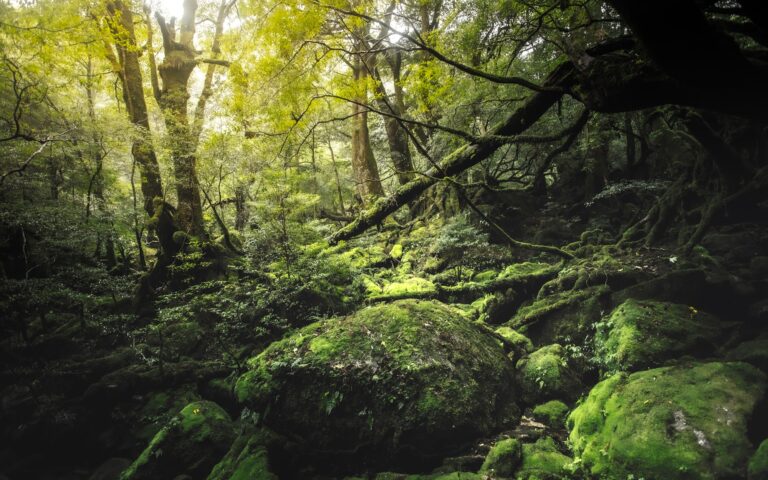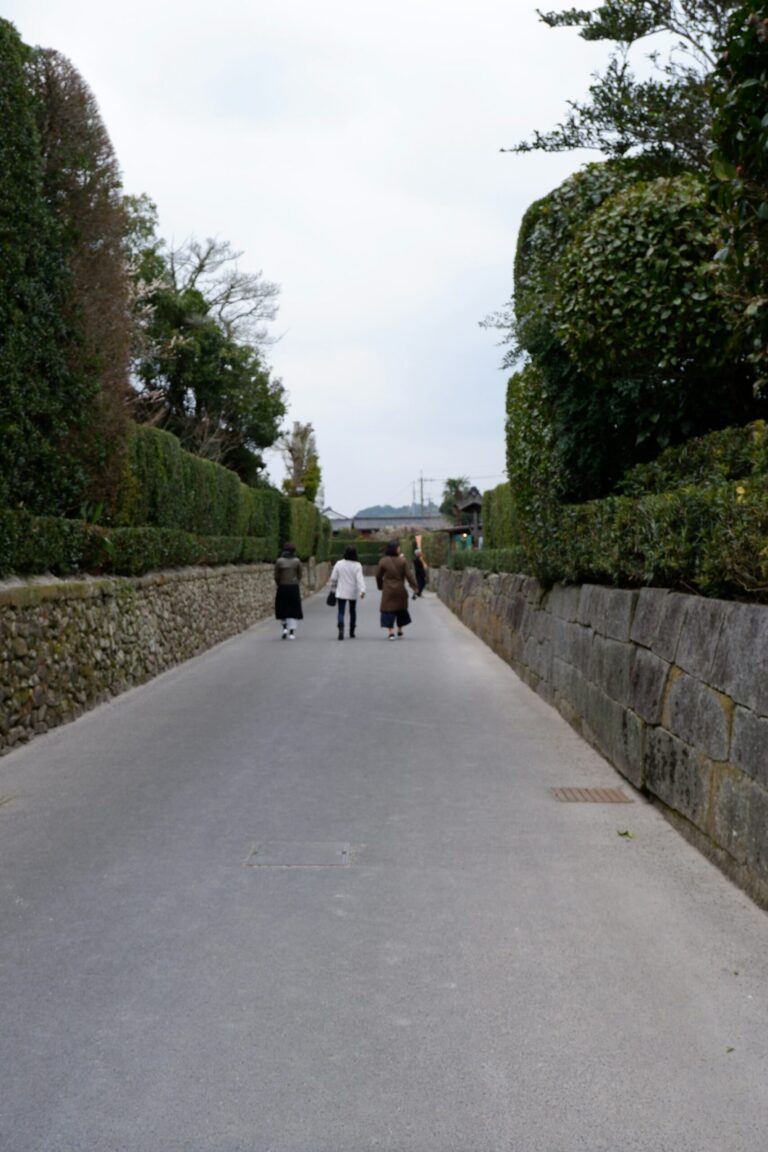
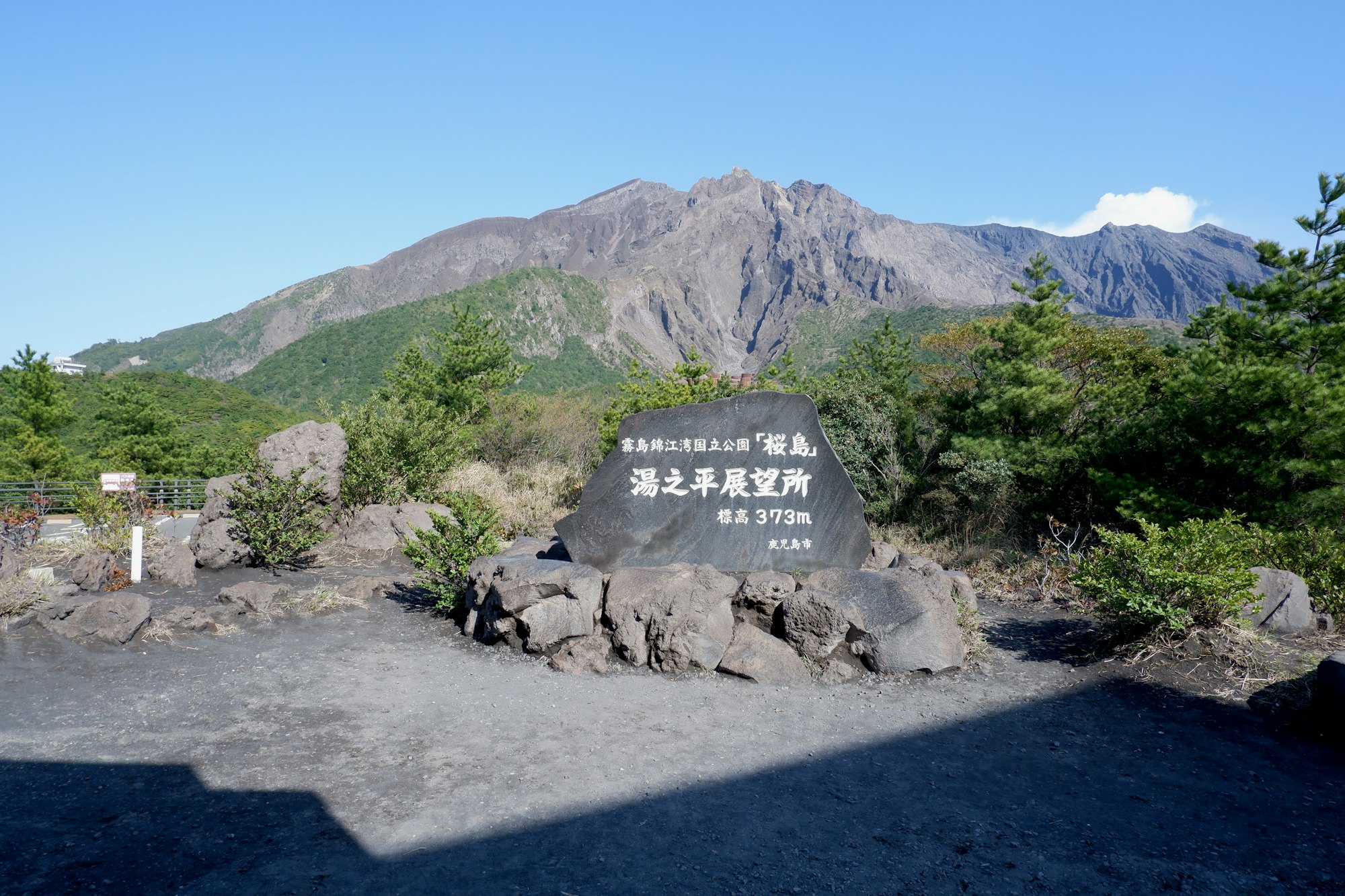
Kagoshima is the only big city in Japan that lives face to face with an active volcano, and Sakurajima, Sengan-en and the Shiroyama Observatory are the three sights that show it best. The southern tip of Kyushu is a long way from Tokyo, but the Kyushu Shinkansen makes Kagoshima an easy add-on to a trip through Fukuoka, and the city rewards the effort with a palm-lined waterfront, hot springs, black pork and a volcano that puffs ash across the bay. This guide covers how to ride the ferry to Sakurajima and see the crater area up close, why the Shimadzu family garden at Sengan-en is worth half a day, the best free viewpoint over the city, current fares and passes, and where to stay near Kagoshima-Chuo Station.
1. Sakurajima and the Yunohira Observatory
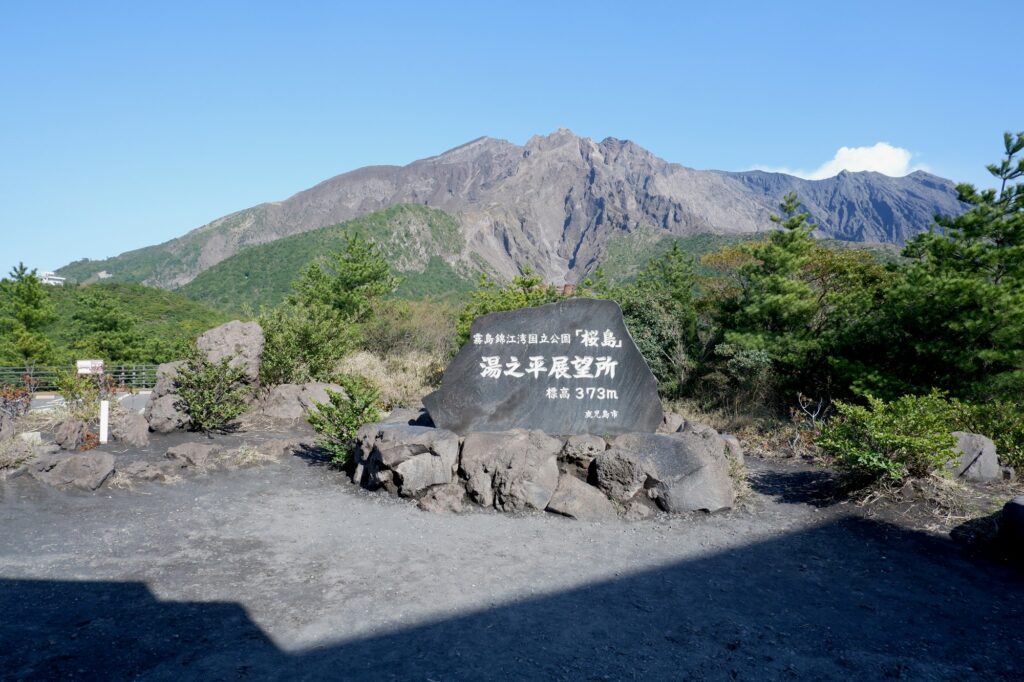
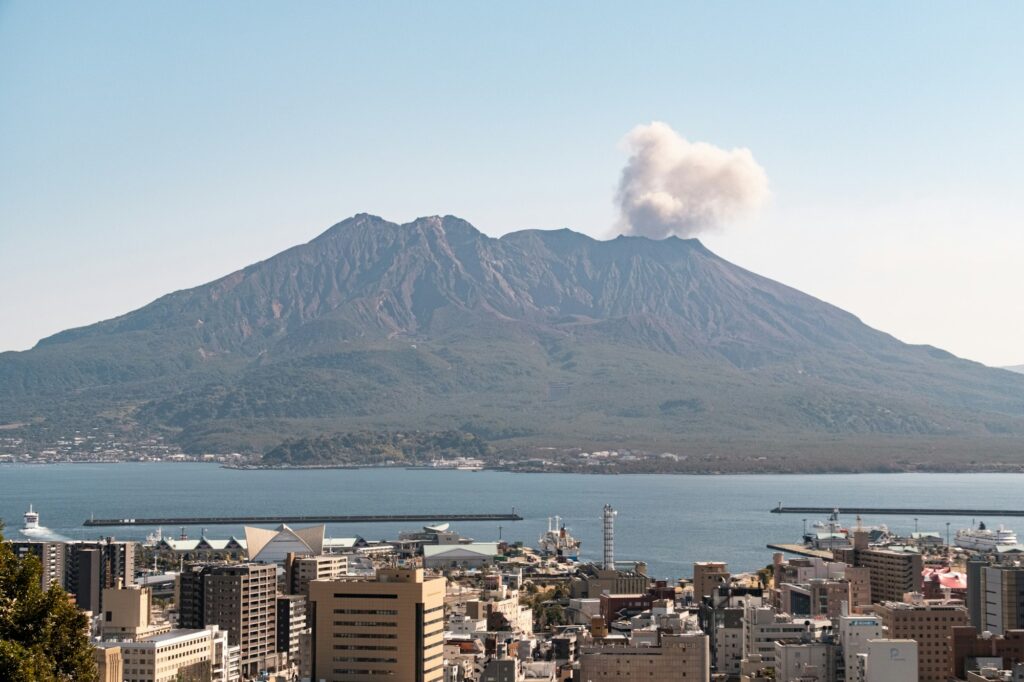
Sakurajima sits just across Kinko Bay from downtown Kagoshima, and getting there is half the fun: the Sakurajima Ferry crosses in about 15 minutes, sails frequently through the day, and costs 250 yen for adults, paid when you arrive on the Sakurajima side. Note that the ferry no longer runs around the clock; the late-night sailings were dropped on October 1, 2025. From the Sakurajima terminal, the Sakurajima Island View bus loops up to the Yunohira Observatory, a free viewing area at 373 meters on the slopes of the North Peak and the highest point visitors can reach. From here the bare, ash-gray summit fills the sky, and on the other side you look back over the bay to the city. The volcano is very active, so the summit area is off-limits and small eruptions are common; check the Japan Meteorological Agency for the current alert level before you go, and do not worry if you see a plume of ash, which locals treat as part of daily life.
2. Sengan-en Garden
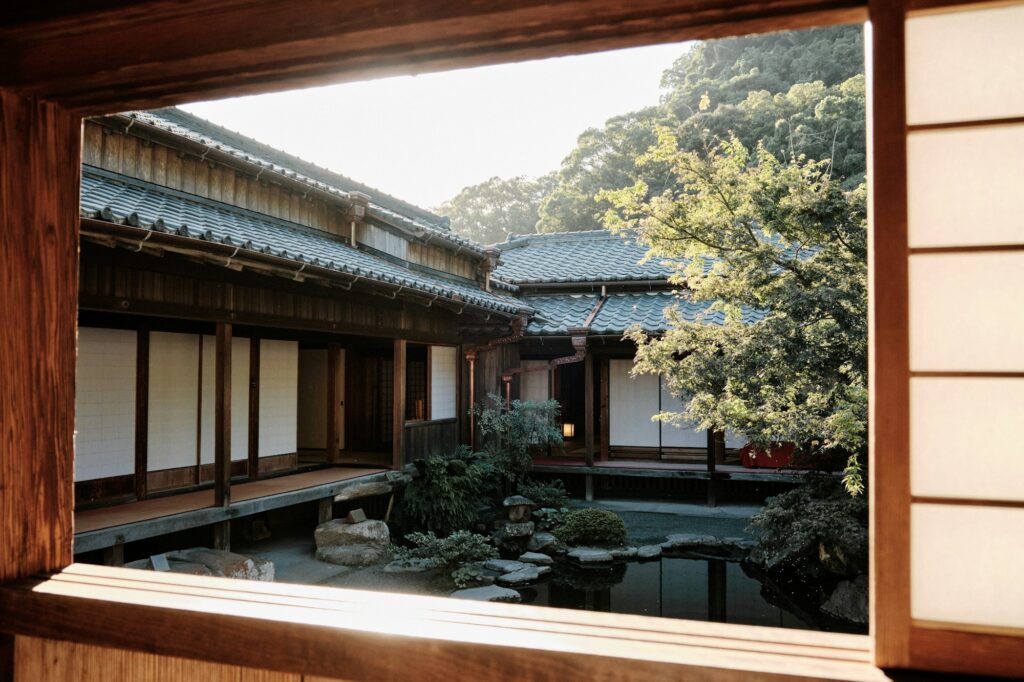
Sengan-en is the seaside garden and villa of the Shimadzu family, the powerful lords who ruled the Satsuma domain for centuries. Laid out in the mid-1600s, it uses Sakurajima and the bay as “borrowed scenery,” so the volcano seems to rise from the garden itself. Walk the paths past ponds, bamboo groves and a small shrine, then take the tour of the Goten, the family residence, where you can see how a daimyo household lived. Next door, the Shoko Shuseikan museum tells the story of the Shimadzu factories that helped kick-start Japan’s industrial revolution, part of a UNESCO World Heritage listing. Admission is about 1,600 yen for adults with the residence tour or about 1,100 yen for the garden only, and the garden is open 9:00 to 17:00. Allow two to three hours, and try the jambo mochi, grilled rice cakes on twin bamboo skewers sold at the teahouse. The City View sightseeing bus stops at the entrance.
3. Shiroyama Observatory
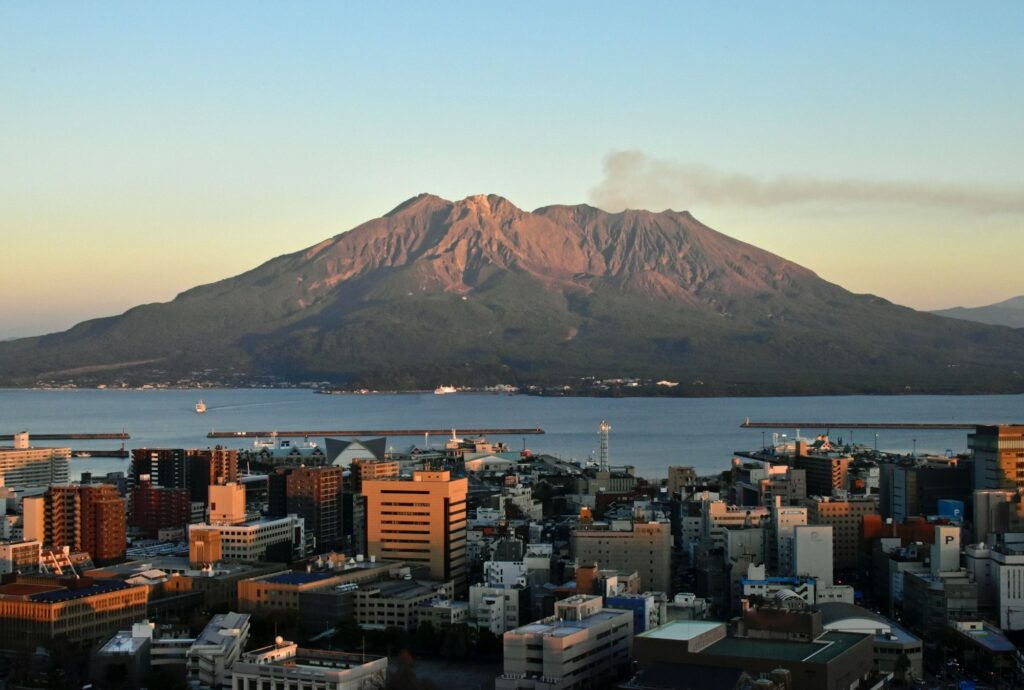
For the classic picture of Kagoshima, with the city spread below and Sakurajima filling the horizon, climb to the Shiroyama Observatory. Shiroyama is a wooded hill of about 107 meters in the middle of the city, and it is free to visit at any time. It is also a place of history: in 1877 Saigo Takamori, the samurai leader who inspired the film The Last Samurai, made his final stand here at the end of the Satsuma Rebellion, and you can still see the cave where he sheltered on the way up. The observatory is a stop on the City View loop bus, or you can walk up the shady forest paths from the city center if you prefer some exercise. Come in the late afternoon and stay for sunset, when the volcano glows pink and the city lights come on. Combine it with the Reimeikan museum and the stone walls of Tsurumaru Castle at the foot of the hill.
Where to Stay Near Kagoshima-Chuo Station
 Where to stay: Kagoshima
Hotel links in this section go to Booking.com. If you book through them, we may earn a commission at no extra cost to you.
Most visitors stay around Kagoshima-Chuo Station, the Shinkansen terminal, or near the Tenmonkan shopping and dining district, which is a short tram ride away. Both areas have easy bus links to the ferry and the City View loop.
Luxury
SHIROYAMA HOTEL kagoshima sits on Shiroyama hill near the observatory and is famous for its open-air natural hot spring bath overlooking Sakurajima and the sea, plus a spa and several restaurants. Some rooms look straight out at the volcano.
Hilltop hotel with an open-air hot spring facing Sakurajima.
Mid-Range
JR Kyushu Hotel Kagoshima is directly connected to Kagoshima-Chuo Station, so you can roll your suitcase from the Shinkansen to your room. Rooms are modern and compact, and the restaurant serves local Kagoshima cooking.
Modern rooms directly connected to the Shinkansen station.
Budget-Friendly
Toyoko Inn Kagoshima Chuo-eki Higashi-guchi is a dependable budget pick by the east exit of Kagoshima-Chuo Station, with free Wi-Fi, a buffet breakfast and simple rooms with private bathrooms.
Toyoko Inn Kagoshima Chuo-eki Higashi-guchi
Reliable budget chain hotel with breakfast near the station.
Compare prices before you book
Hotels in Kagoshima on Booking.com
Stay near Kagoshima-Chuo Station or Tenmonkan for easy access to the Shinkansen, the Sakurajima Ferry and the City View bus.
Check Kagoshima hotel prices →
Affiliate link — if you book through Booking.com, we may earn a commission at no extra cost to you.
Quick Tips for Visiting
- Buy the CUTE digital pass (1,400 yen for one day) in the app if you will ride the tram, city buses, City View bus, Island View bus and Sakurajima Ferry on the same day.
- Carry a small towel or mask: when the wind blows from Sakurajima, fine volcanic ash can fall on the city.
- Try Kagoshima specialties such as kurobuta black pork tonkatsu, shirokuma shaved ice and shochu made from sweet potatoes.
- Visit Sakurajima in the morning, when buses are less crowded, and save Shiroyama for sunset.
- Sengan-en is a stop on the City View loop bus, so you can combine it with Shiroyama in one day.
Getting there by train: Kagoshima-Chuo is the southern end of the Kyushu Shinkansen, about an hour and a half from Hakata (Fukuoka) on the fastest trains. The line fully reopened on September 18, 2026 after the July earthquake near Kumamoto, so check JR Kyushu for current timetables. The Japan Rail Pass covers Sakura and Tsubame trains, while Mizuho trains need an extra ticket. Read our guide to riding trains in Japan, learn how to ride the Shinkansen, and check whether the JR Pass is worth it for your route.
Frequently Asked Questions
How do you get to Sakurajima from Kagoshima?
Take the Sakurajima Ferry from the terminal near downtown Kagoshima. The crossing takes about 15 minutes and costs 250 yen for adults, paid on arrival at Sakurajima. The ferry no longer runs 24 hours a day.
Can you climb Sakurajima?
No. Sakurajima is an active volcano and the summit area is off-limits. The Yunohira Observatory at 373 meters is the highest point visitors can reach, by bus or car.
How much is Sengan-en admission?
Admission to Sengan-en is about 1,600 yen for adults including the tour of the Shimadzu residence, or about 1,100 yen for the garden only. It is open 9:00 to 17:00.
Is the Shiroyama Observatory free?
Yes. The Shiroyama Observatory is a free viewpoint over Kagoshima and Sakurajima, reached by the City View bus or a short forest walk.