Yakushima, a mountainous island off the southern tip of Kagoshima, is famous for Shiratani Unsuikyo, the ancient Jomon Sugi cedar and some of the most dramatic waterfalls in Japan. In 1993 it became one of Japan’s first natural UNESCO World Heritage Sites, thanks to its forests of yakusugi, cedars more than 1,000 years old that grow in a landscape of granite, moss and constant rain. The island is a true outdoor destination rather than a quick stop, so plan at least two nights. This guide explains how to walk the moss forest that inspired Princess Mononoke, what the full-day Jomon Sugi hike involves, which waterfalls to see from the coastal road, the fees and shuttle rules for 2026, and where to stay on the island.
1. Shiratani Unsuikyo Ravine
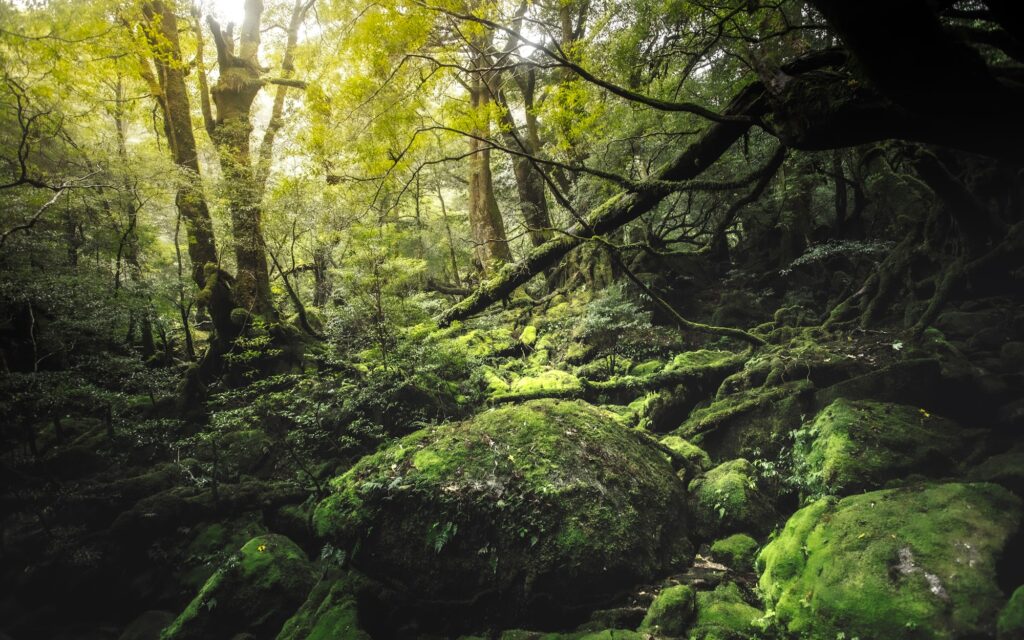
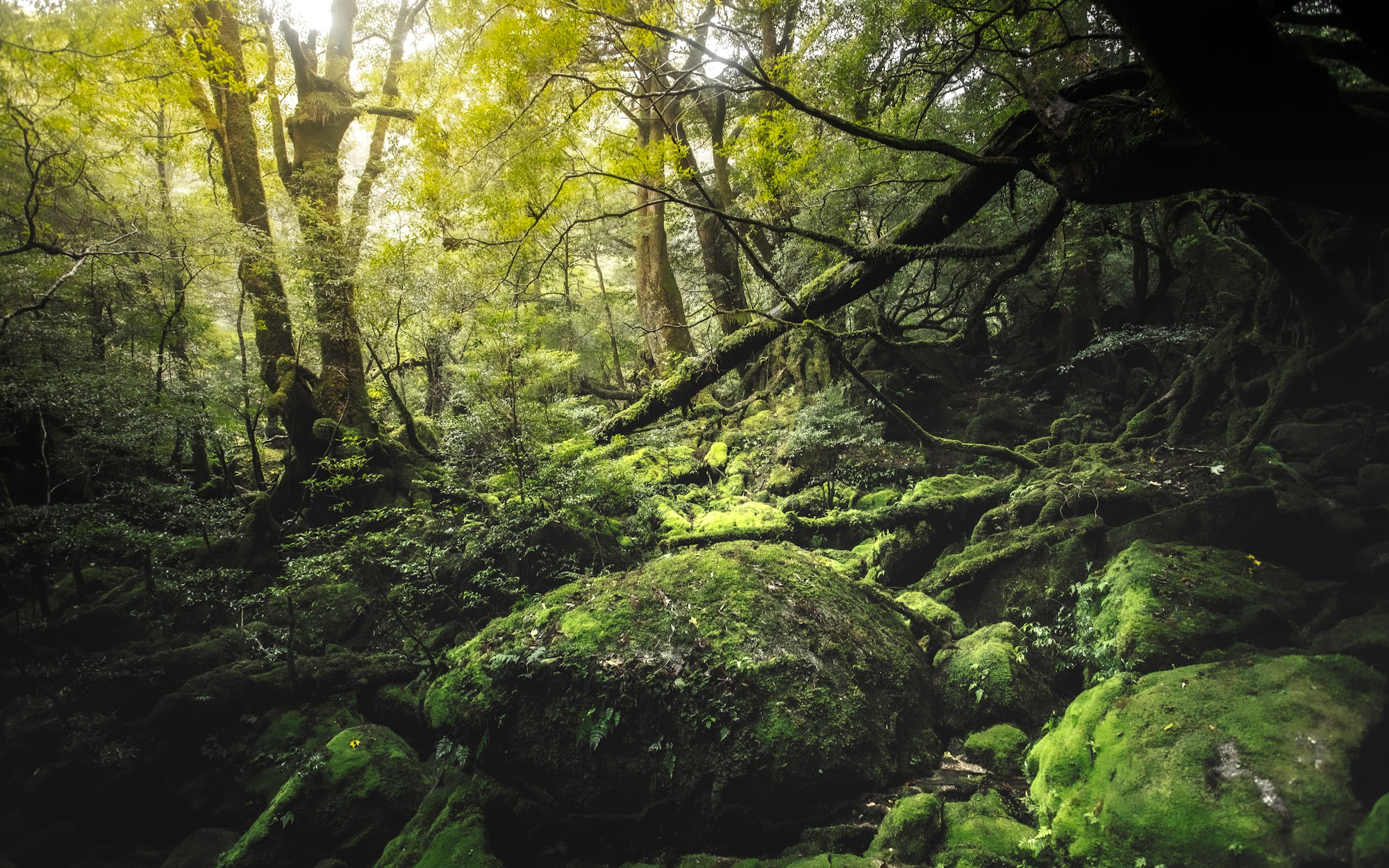
Shiratani Unsuikyo is a forest park of mossy boulders, clear streams and giant cedars in the hills above Miyanoura, the island’s main port. Part of this forest inspired the look of the Studio Ghibli film Princess Mononoke; the grove most often linked to the film lies toward the far end of the park on the trail to Tsuji-toge Pass. Several marked circuits take from about one to five hours, on paths that range from stone steps and boardwalks to rough, root-covered trail, with English signs along the way. Visitors pay a forest conservation fee, listed at 800 yen, at the entrance. Buses from Miyanoura Port take about 35 minutes and run only every two to three hours, so check the return times before you set off, or come by rental car in about 30 minutes. Wear proper hiking shoes and rain gear: the trails are slippery and Yakushima is one of the wettest places in Japan.
2. Jomon Sugi Cedar Hike
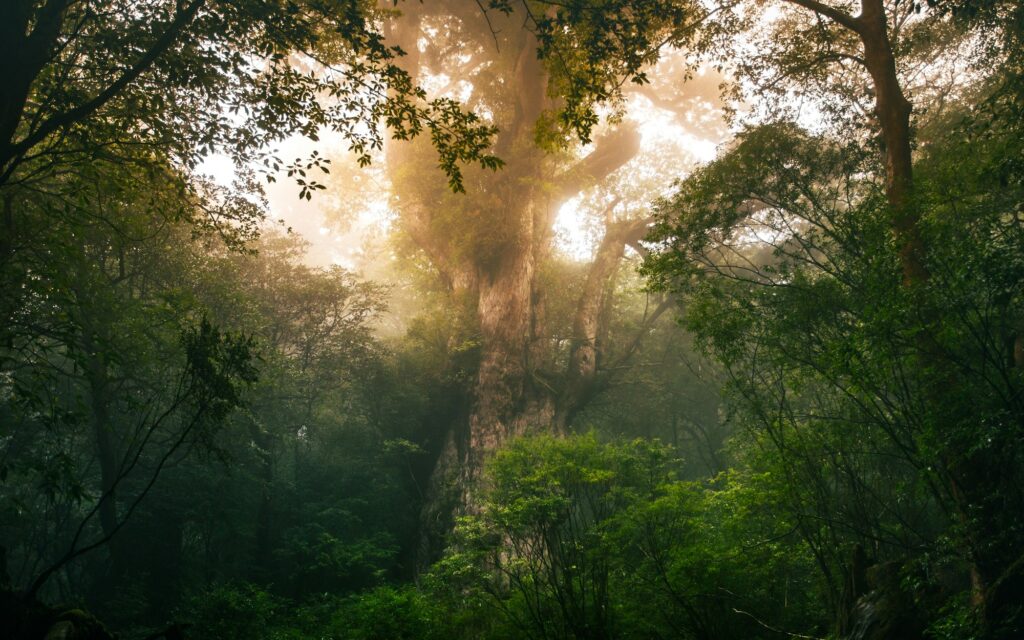
Jomon Sugi is the oldest and largest of Yakushima’s cedars, with age estimates ranging from about 2,000 to 7,200 years. Seeing it is a serious day hike of about ten hours round trip from the Arakawa Trailhead, following an old logging railway before climbing steeply through the forest past Wilson’s Stump, the hollow remains of a giant cedar cut about 300 years ago, which you can step inside. From March to November, private cars are not allowed on the road to Arakawa: hikers ride a shuttle bus from the Yakusugi Museum, leaving between about 5:00 and 6:00 a.m. and returning in the afternoon. The shuttle costs 2,000 yen round trip, plus a 1,000-yen mountain conservation fee, and tickets must be bought at least a day ahead at the tourist desks in Miyanoura, Anbo or the airport. Start before dawn, carry a headlamp, food and water, and consider hiring a local guide.
3. Oko Falls and Senpiro Falls
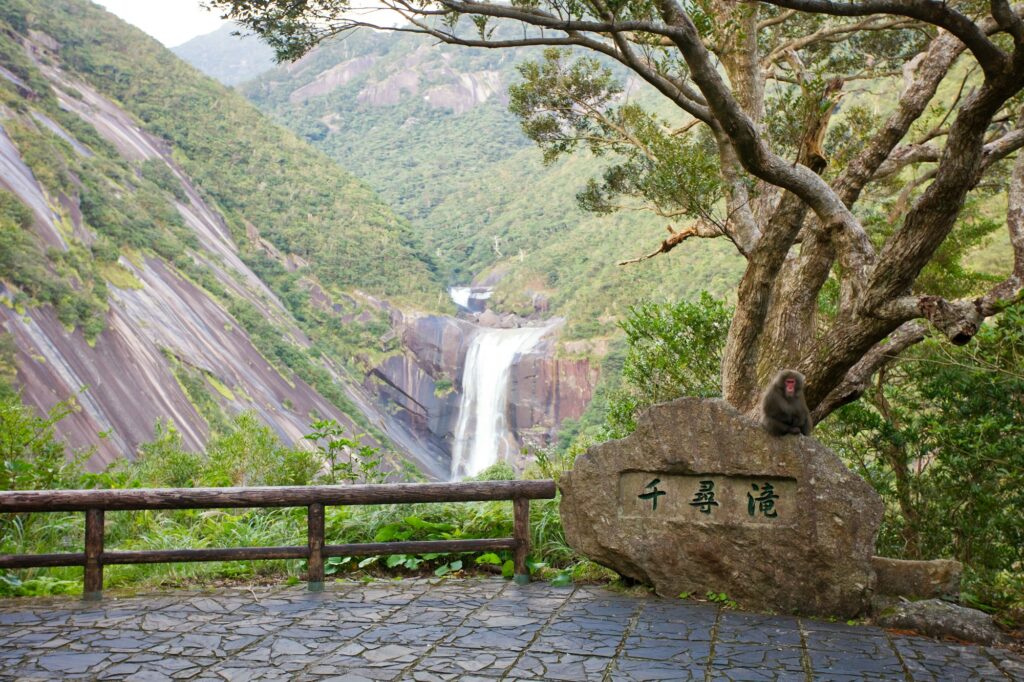
Not every Yakushima highlight requires a long hike. On the southwest coast, Oko Falls (Ohko-no-taki) drops 88 meters in two streams into a green pool just a short walk from the road, and it was chosen as one of Japan’s top 100 waterfalls. Closer to Anbo and Onoaida, Senpiro Falls pours down beside an enormous, smooth granite wall, best seen from a viewpoint above the gorge. Both are easy stops on a drive around the island’s coastal road, which you can combine with the Seibu Rindo forest road, where Yakushima macaques and small yakushika deer often sit by the roadside. Local buses from Miyanoura to Oko Falls take about 90 minutes and are infrequent, so a rental car or a sightseeing tour is far more practical. After heavy rain, the falls are at their most powerful, but rivers rise fast: keep off wet rocks and never swim in the gorges.
Where to Stay Near Yakushima
 Where to stay: Yakushima
Hotel links in this section go to Orbitz. If you book through them, we may earn a commission at no extra cost to you.
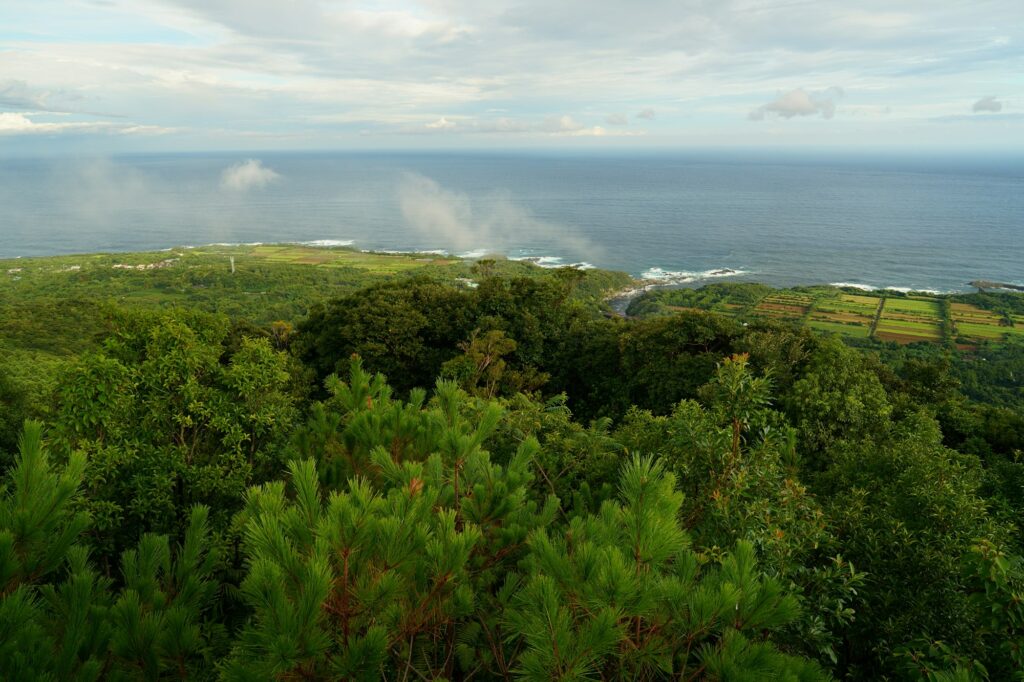
Hotels on Yakushima are spread around the coastal road, mainly near Miyanoura (the main port, closest to Shiratani Unsuikyo), Anbo (closest to the Jomon Sugi shuttle) and the hot spring area of Onoaida in the south. Book early for spring and autumn weekends.
Luxury
Sankara Hotel & Spa Yakushima is the island’s most exclusive resort, set on a hillside in the south with views over the ocean, a spa and refined dining. It is a splurge, but ideal for resting tired legs after a big hike.
Secluded resort with a spa and ocean views.
Mid-Range
The Hotel Yakushima is a comfortable hotel near Miyanoura and the Yakushima Environmental Culture Village Center, well placed for ferries and for the bus to Shiratani Unsuikyo.
Comfortable hotel close to the main port.
Budget-Friendly
Tomarigi Hostel is a simple, friendly hostel with free breakfast and Wi-Fi, a good base for budget travelers and solo hikers.
Friendly hostel with breakfast for hikers.
Compare prices before you book
Hotels in Yakushima on Orbitz
Stay near Miyanoura or Anbo for easy access to the ferries, the Shiratani bus and the Jomon Sugi shuttle.
Check Yakushima hotel prices →
Affiliate link — if you book through Orbitz, we may earn a commission at no extra cost to you.
Quick Tips for Visiting
- Bring waterproof rain gear and hiking shoes whatever the forecast; the mountains get far more rain than the coast.
- Buy Arakawa shuttle tickets for Jomon Sugi at least one day in advance, from March to November.
- Rent a car if you can: buses are infrequent and many sights are spread around the coastal road.
- Book jetfoil or flight tickets early in spring and autumn, and allow a buffer day in case rough seas cancel sailings.
- Stay on marked trails and do not feed the macaques or deer.
Getting there by train: There is no train on Yakushima. From Kagoshima-Chuo Station, take a bus or taxi to Kagoshima Port for the high-speed jetfoil (about two to three hours, depending on stops), or fly from Kagoshima Airport in about 40 minutes. Kagoshima-Chuo is the southern end of the Kyushu Shinkansen, about an hour and a half from Hakata on the fastest trains. Read our guide to riding trains in Japan, learn how to ride the Shinkansen, and check whether the JR Pass is worth it for your route.
Frequently Asked Questions
How many days do you need on Yakushima?
Plan at least two nights. The Jomon Sugi hike alone takes about ten hours, and Shiratani Unsuikyo and the coastal waterfalls need another day.
How long is the Jomon Sugi hike?
The round trip from the Arakawa Trailhead takes about ten hours. From March to November you must take the shuttle bus from the Yakusugi Museum, which costs 2,000 yen round trip plus a 1,000-yen conservation fee.
Is Shiratani Unsuikyo the Princess Mononoke forest?
Yes. Part of the Shiratani Unsuikyo forest inspired the film Princess Mononoke. The grove most linked to the movie is at the far end of the park on the trail to Tsuji-toge Pass.
How do you get to Yakushima?
Take the high-speed jetfoil from Kagoshima Port, which takes about two to three hours, or fly from Kagoshima Airport in about 40 minutes.