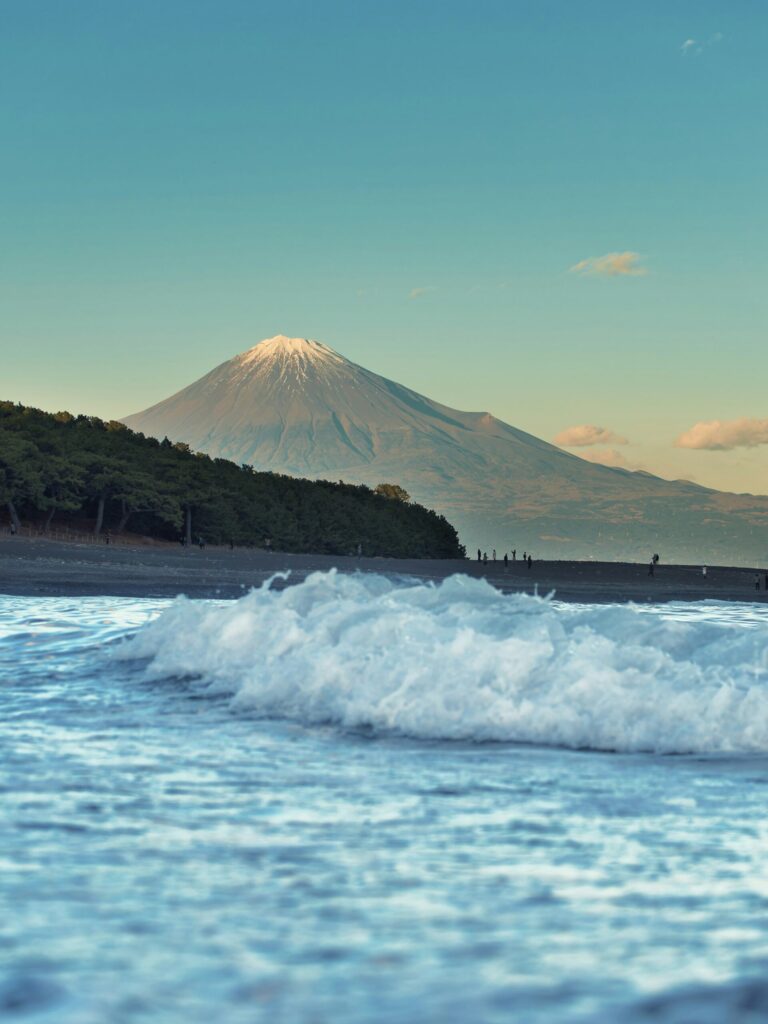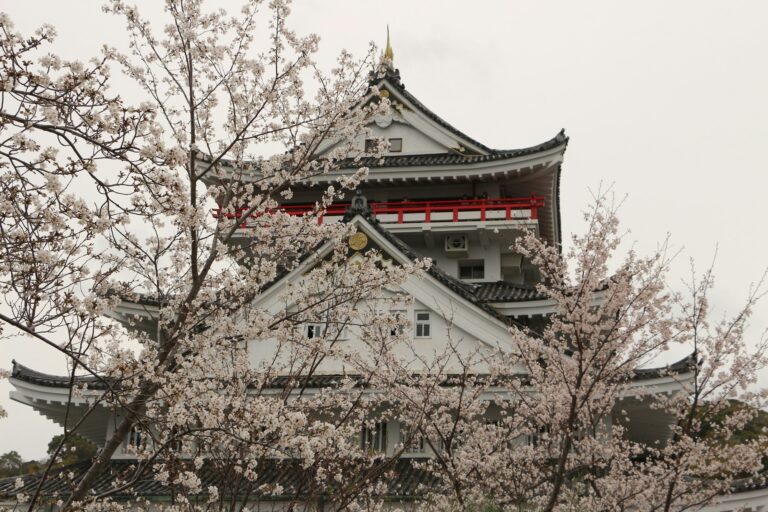
Shimoda, the Kawazu cherry blossoms and the sea cave of Dogashima are the highlights of southern Izu, the sunny tip of the Izu Peninsula about two and a half hours from Tokyo. This is Shizuoka’s beach country: white-sand coves, rugged volcanic cliffs, hot spring towns and seafood straight off the boats. It is also where modern Japan first opened to the United States, when Commodore Perry’s ships anchored at Shimoda in 1854. This guide covers three experiences for first-time visitors and explains how to get around by train and bus, plus where to stay in Shimoda.
1. Kawazu Cherry Blossoms
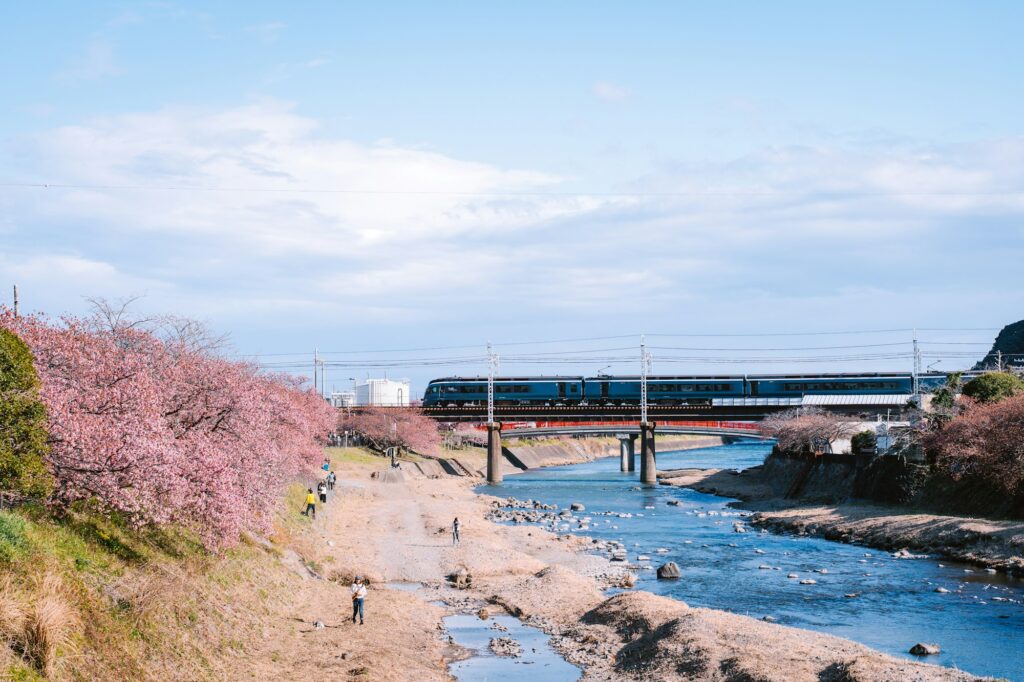
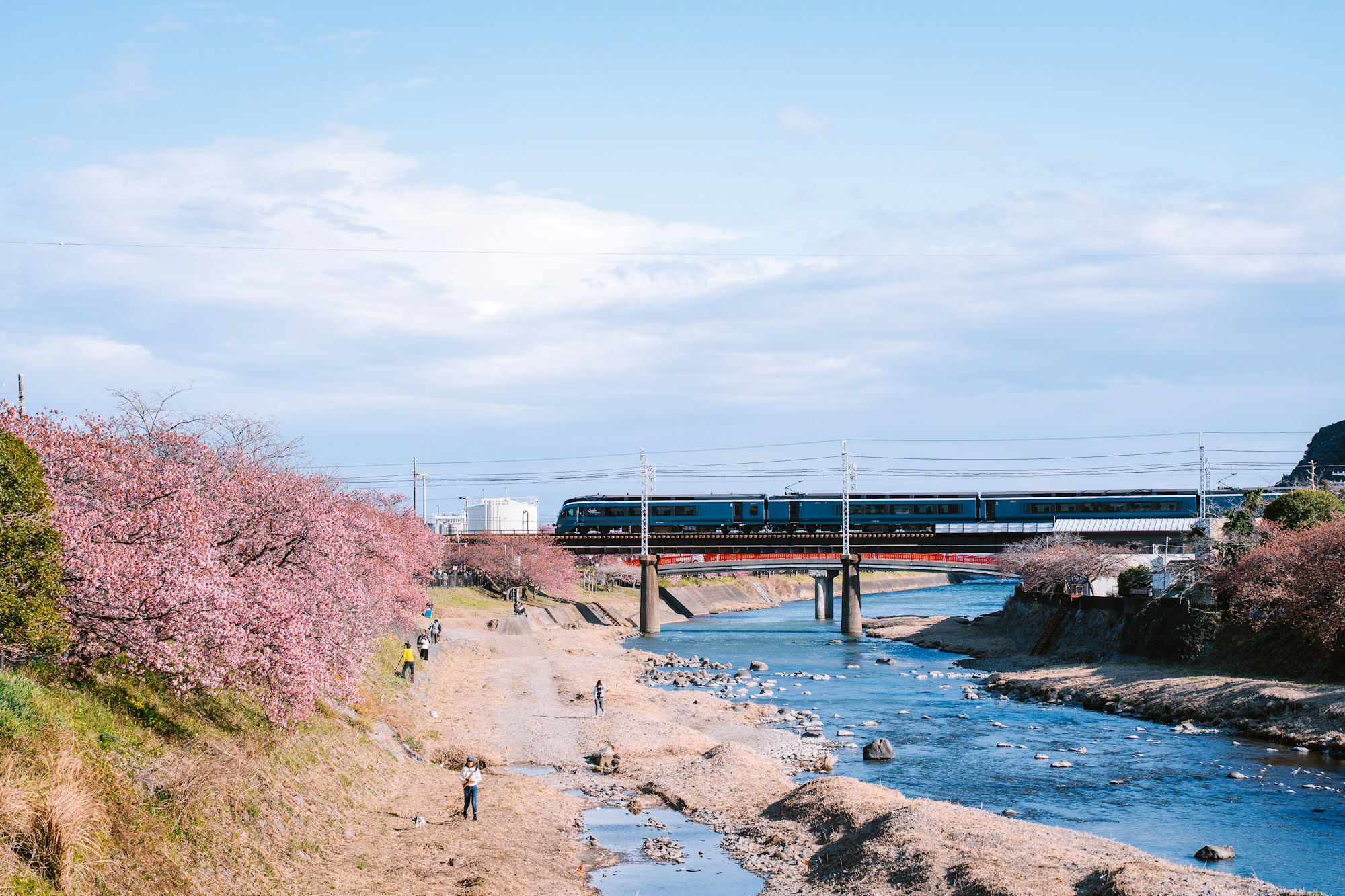
Kawazu is a small town on the east coast of southern Izu famous for Kawazu-zakura, an early-blooming cherry variety with deep pink flowers that open in February, weeks before the cherry blossoms in Tokyo and Kyoto. About 8,000 of these trees grow around the town, and the most famous stretch lines both banks of the Kawazu River for several kilometers, with yellow rapeseed flowers blooming beneath them. The Kawazu Cherry Blossom Festival runs from about early February to early March each year (in 2026 it was held from February 7 to March 8), with food stalls along the river and evening illuminations along part of the riverbank. The riverside walk starts about two minutes from Izukyu Kawazu Station, so you do not need a car. Expect big weekend crowds during peak bloom; weekdays and early mornings are much calmer. Outside the season, Kawazu is a quiet stop known for its waterfalls in the hills inland. If your trip falls in February, this is one of the best ways to see cherry blossoms in Japan before spring officially arrives.
2. Shimoda: Perry Road and Shirahama Beach
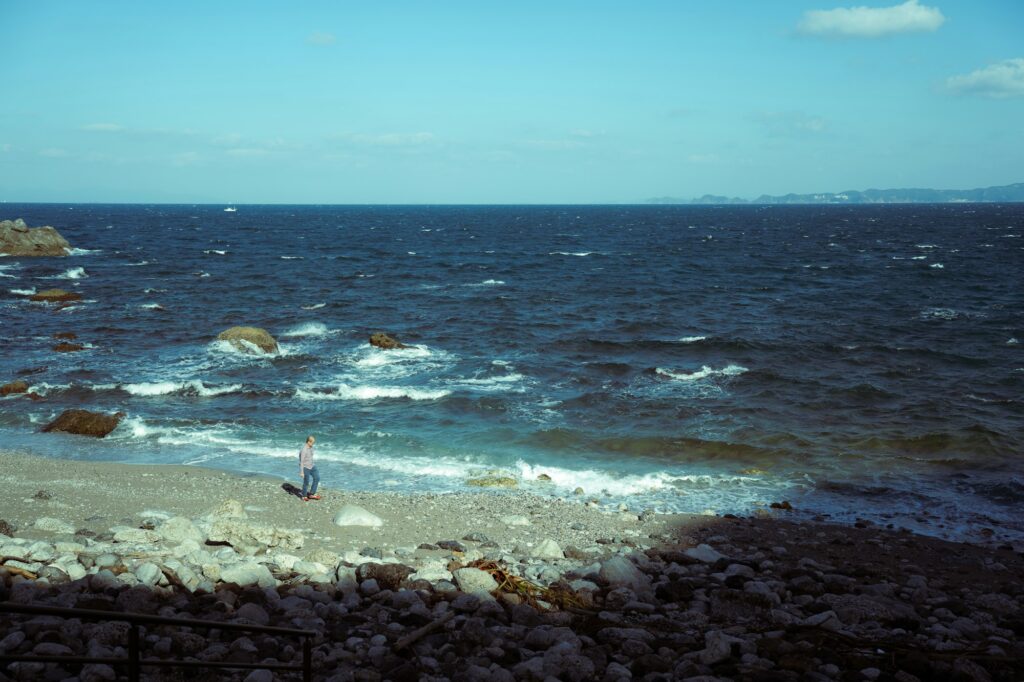
Shimoda is the main town of southern Izu and a place with a special connection to the United States. In 1854, Commodore Matthew Perry’s Black Ships anchored here after Japan agreed to open the port to American ships, and the agreement detailing the terms was signed at Ryosenji Temple. Walk the Perry Road, a pretty lane of about 500 meters along a small canal lined with willows, old stone warehouses and namako-kabe walls with their distinctive white diamond pattern; it is lovely at dusk when the gas lamps come on, and it is free to visit anytime. Then head to Shirahama Ohama Beach, about 700 meters of white sand and clear blue water, the largest of Shimoda’s beaches and about ten minutes by bus from Izukyu Shimoda Station. The official swimming season runs from late July to late August, but the beach is beautiful to walk year-round. Leave time for fresh seafood, especially kinmedai, the golden-eye snapper Shimoda is famous for.
3. Dogashima and the Tensodo Sea Cave
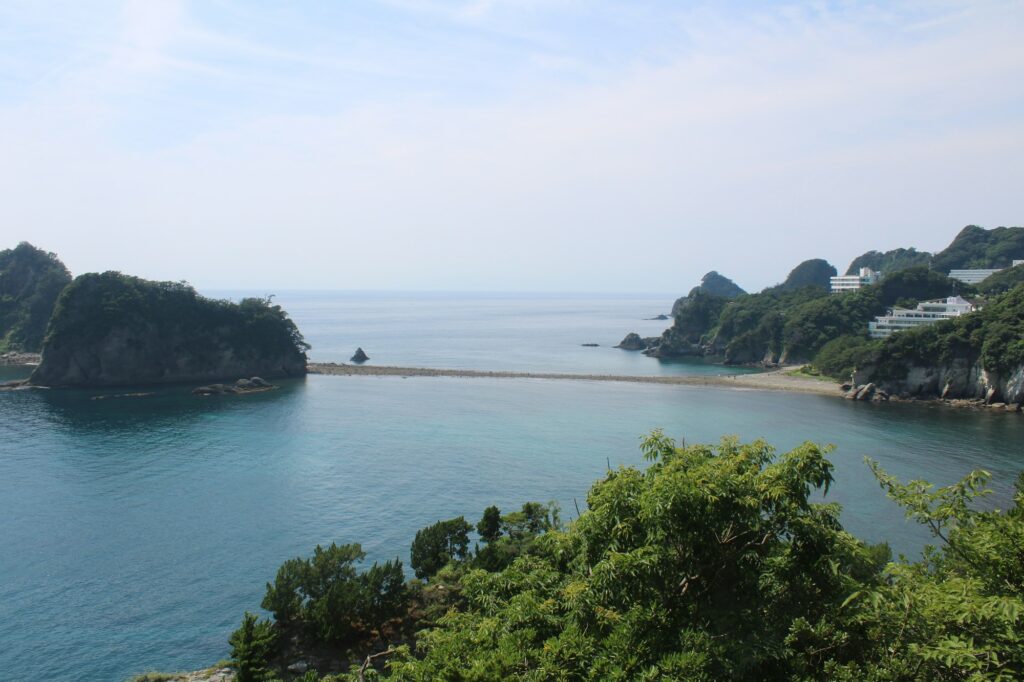
Dogashima, on the west coast of the Izu Peninsula, is known for dramatic rock formations sculpted by waves from layers of volcanic ash and pumice. The star attraction is Tensodo, a sea cave with a large hole in its ceiling that lets sunlight pour down onto the turquoise water inside. The best way to see it is on a short sightseeing boat run by Dogashima Marine, which weaves between the rocks and slips into the cave itself; the cruise takes about 20 minutes and costs 1,200 yen for adults. A walking path on the cliffs above lets you peer down through the skylight, so wear sneakers for the uneven, rocky ground. Just offshore, the Sanshiro-jima islands are linked to the coast by a sandbar that appears at low tide, so you can walk out to the nearest island if you check a tide table first. Tokai Bus runs to Dogashima from Shimoda and Shuzenji, and a discounted two-day pass covers the western coast. Late afternoon is a fine time to visit, when the sun sets over Suruga Bay.
Where to Stay Near Shimoda
 Where to stay: Shimoda
Hotel links in this section go to Orbitz. If you book through them, we may earn a commission at no extra cost to you.
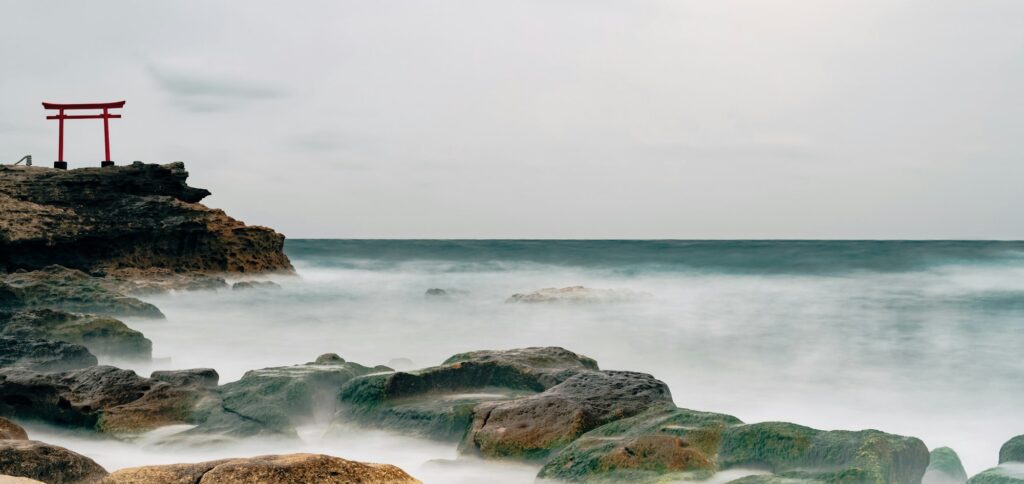
Shimoda is the best base for southern Izu. Limited express trains from Tokyo end here, buses fan out to the beaches and to Dogashima on the west coast, and Kawazu is a short train ride north. Many hotels have hot spring baths and ocean views, and it is worth staying at least two nights to explore at a relaxed pace.
Luxury
Shimoda Tokyu Hotel sits on a headland overlooking Shimoda Bay, with ocean views, hot spring baths, a seasonal outdoor pool and a free shuttle from Izukyu Shimoda Station.
Ocean-view resort above the bay with hot spring baths.
Mid-Range
Shimoda Prince Hotel faces Shirahama Ohama Beach, so you can step straight onto the white sand, and it has hot spring baths, a seasonal pool and a free shuttle to the station.
Beachfront hotel on Shirahama with hot spring baths.
Budget-Friendly
ATARAYO – Hostel is a small hostel in central Shimoda within walking distance of Perry Road and Ryosenji Temple, with shared bathrooms and a simple, budget-friendly setup.
Small central hostel near Perry Road.
Compare prices before you book
Hotels in Shimoda on Orbitz
Wake up by the sea in southern Izu, with white-sand beaches, hot springs and fresh seafood right outside your door.
Affiliate link — if you book through Orbitz, we may earn a commission at no extra cost to you.
Quick Tips for Visiting
- Plan Kawazu for February to early March, when the early cherry blossoms are in bloom.
- Check a tide table before walking to the Sanshiro-jima islands at Dogashima, and do not get caught by the rising tide.
- Buses in southern Izu are infrequent; check return times before you set out.
- Try kinmedai (golden-eye snapper), Shimoda’s signature fish, simmered or as sushi.
- Reserve the Saphir Odoriko or Odoriko limited express in advance on weekends and holidays.
Getting there by train: The Odoriko and Saphir Odoriko limited express trains run directly from Tokyo to Izukyu Shimoda in about two hours and forty minutes, and the Saphir Odoriko requires a reservation. From Atami, limited express trains reach Shimoda in about 70 minutes. The JR Pass covers only the JR section to Ito; on the Izukyu Line between Ito and Shimoda you pay an extra fare. Read our guide to riding trains in Japan, check whether the JR Pass is worth it, and see our guide to getting from Narita or Haneda Airport to Tokyo.
Frequently Asked Questions
When do Kawazu cherry blossoms bloom?
Kawazu-zakura usually bloom from early February to early March, much earlier than most cherry trees in Japan. The Kawazu Cherry Blossom Festival is held during that period along the Kawazu River.
Why is Shimoda important to American history?
Commodore Perry’s ships anchored at Shimoda in 1854 after Japan agreed to open the port to American ships, and the agreement on the terms was signed at Ryosenji Temple. Perry Road is named after him.
How long is the Tensodo cave boat tour at Dogashima?
The Dogashima Marine sightseeing boat to Tensodo takes about 20 minutes and costs 1,200 yen for adults. You can also look down into the cave from a walking path above it.
How do you get from Tokyo to Shimoda?
Take the Odoriko or Saphir Odoriko limited express directly from Tokyo to Izukyu Shimoda, about two hours and forty minutes. JR Pass holders pay an extra fare for the Izukyu section between Ito and Shimoda.