Tsuruga Castle, Iimoriyama hill and the thatched-roof post town of Ouchi-juku are the reasons most travelers head to Aizu, the old samurai heartland of western Fukushima Prefecture. Aizu-Wakamatsu was the seat of the Aizu domain, which fought on the side of the shogunate in the Boshin War of 1868, and its castle, hilltop graves and old roads still tell that dramatic story. The city is about three hours from Tokyo by Shinkansen and local train, and Ouchi-juku makes an easy half-day trip to the south. This guide covers the three highlights, practical tips and where to stay.
1. Tsuruga Castle (Aizu-Wakamatsu Castle)
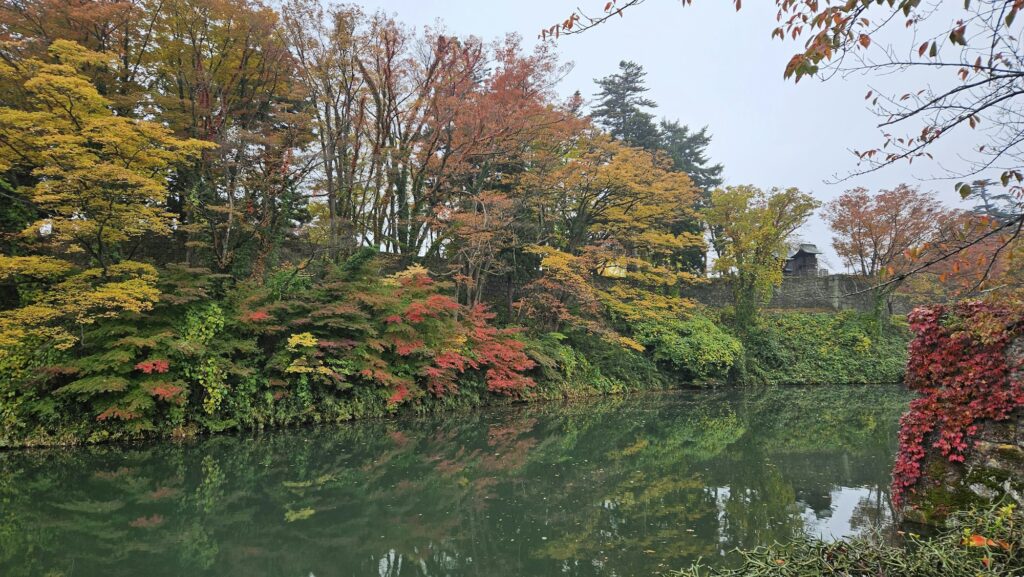
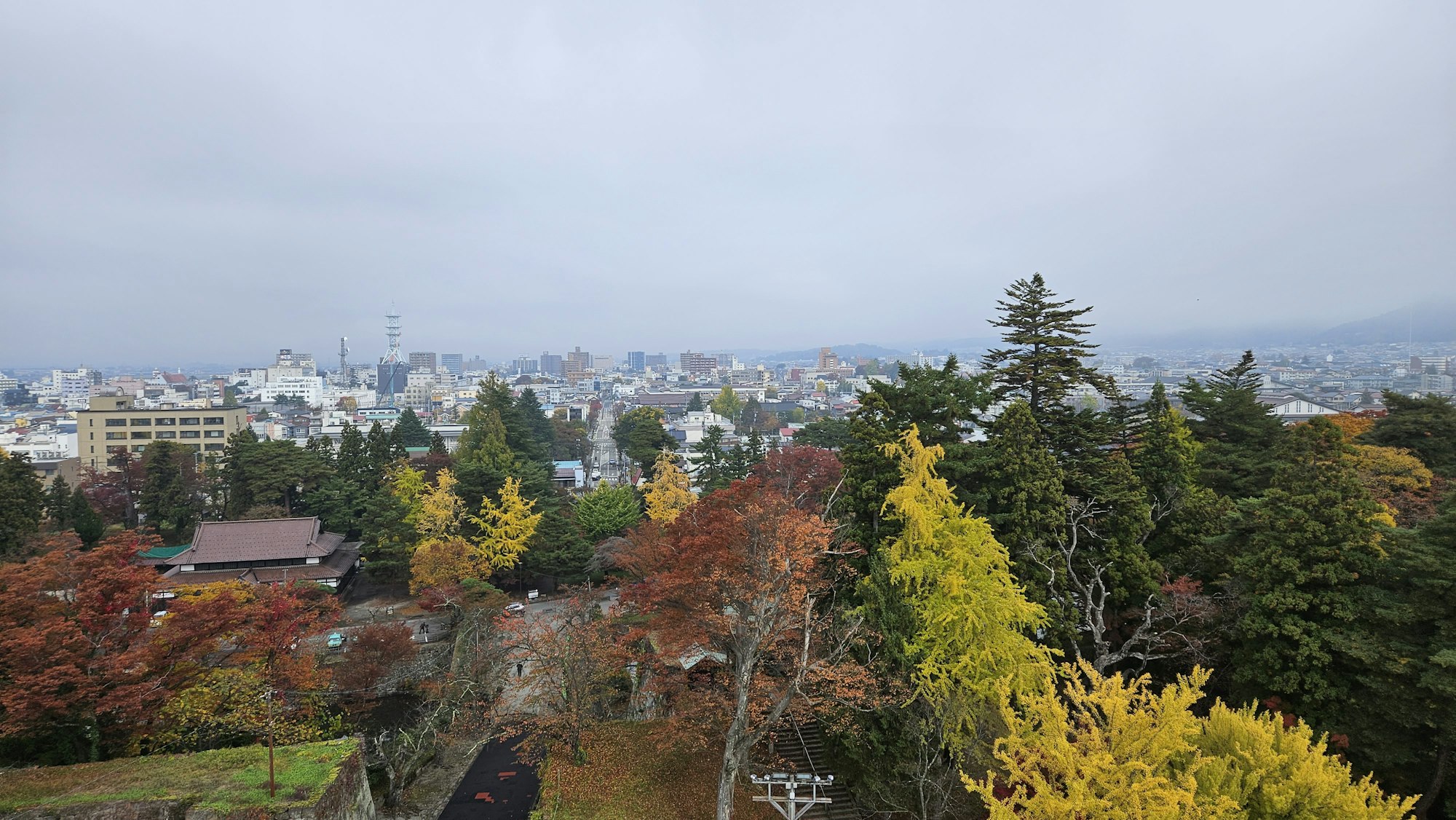
Tsuruga Castle, also called Aizu-Wakamatsu Castle or Tsurugajo, is the symbol of Aizu. Its five-story keep stands out for its red-glazed roof tiles, which are rare among Japanese castles and were restored in 2011. During the Boshin War of 1868, the Aizu forces loyal to the shogun held out here against the new imperial army before finally surrendering, and the castle was later dismantled in the Meiji era. Today’s keep is a reconstruction that houses a museum of Aizu history, with a lookout floor at the top. Admission is 410 yen for adults, or 510 yen with the Rinkaku tea house, where you can sip matcha in a restored tea room. The castle opens 8:30 to 17:00 (last entry 16:30) with no regular closing days. The grounds and moats are free to walk and are especially beautiful in cherry blossom season and autumn. From Aizu-Wakamatsu Station, take a city loop bus or allow about 30 minutes on foot.
2. Iimoriyama and Sazaedo
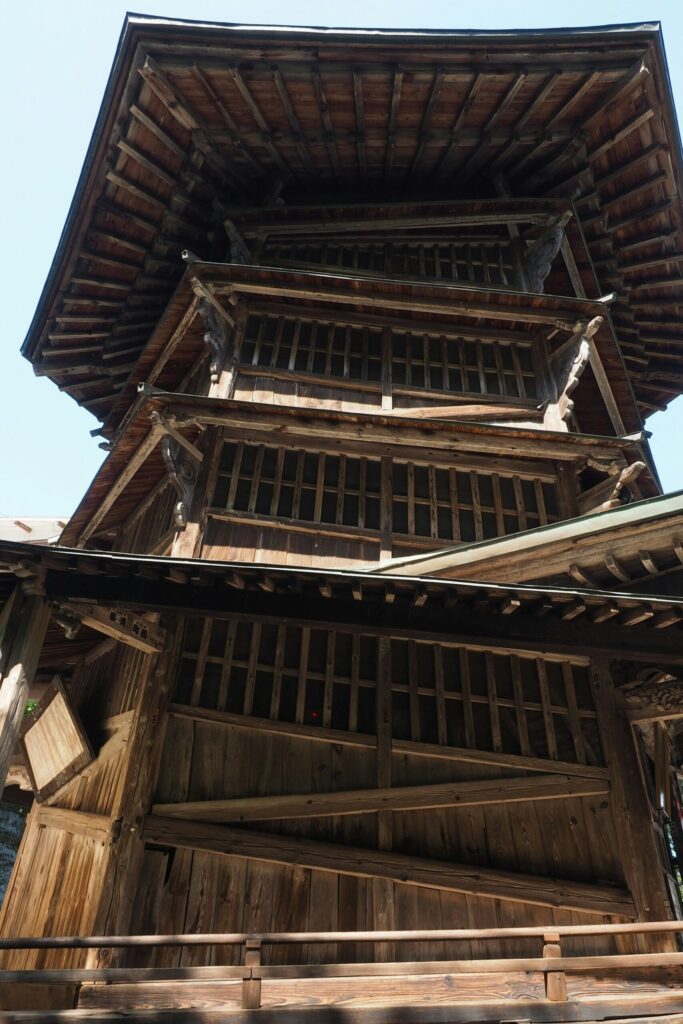
Iimoriyama is the hill where 19 teenage members of the Byakkotai, or White Tiger Corps, took their own lives in 1868 after seeing smoke rise over the castle town and believing, wrongly, that the castle had fallen. Their graves line the hilltop, and it remains one of the most moving places in Tohoku. Climbing the stone steps is free, and an optional escalator runs alongside for 250 yen. Partway up stands Sazaedo, a hexagonal wooden hall built in 1796 whose ramp spirals up to the top and then down again on a separate path, so visitors going up never meet those coming down. Entry is 400 yen, and it opens from 8:15 until sunset from April to November and 9:00 to 16:00 from December to March. Iimoriyama is about 15 minutes from the station by city bus (get off at Iimoriyama-shita), and it pairs well with the castle on the same day.
3. Ouchi-juku Post Town
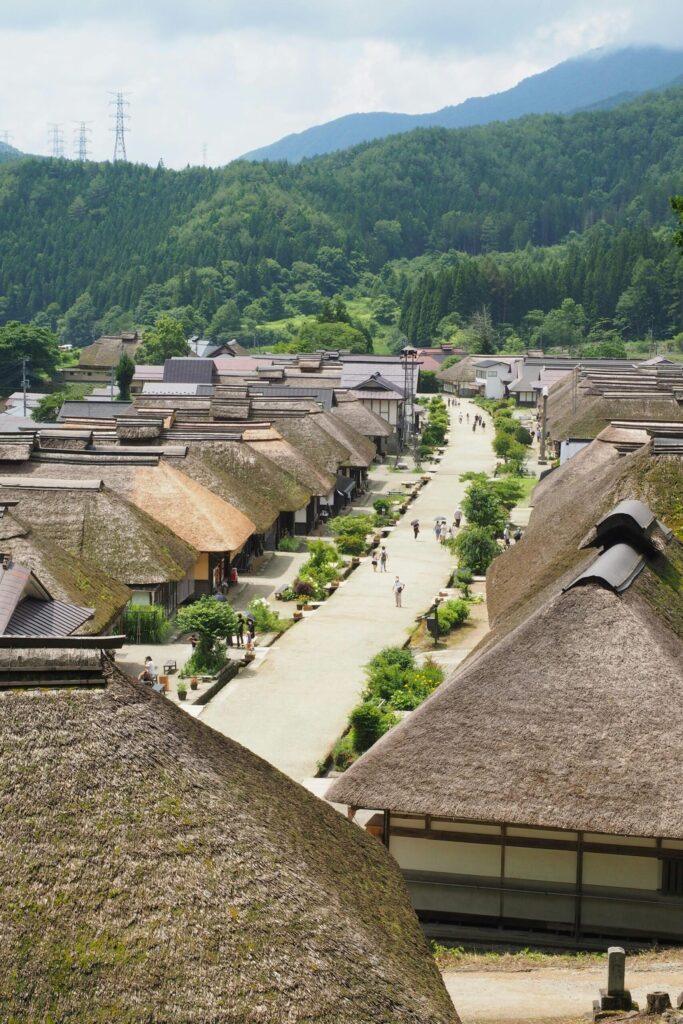
Ouchi-juku is a former post town on the old road linking Aizu with the Kanto region, where a broad street lined with thatched-roof houses still looks much as it did in the Edo period. Most of the houses now operate as shops, cafes and soba restaurants. The local specialty is negi soba, buckwheat noodles served with a whole green onion that you use in place of chopsticks, nibbling the onion as you go. For the classic photo, climb the steps at the far end of the street to the viewpoint looking down over the rooftops. To get there, take the Aizu Railway from Aizu-Wakamatsu to Yunokami-Onsen Station (about 30 minutes), then the Saruyu-go bus or a taxi for about 10 minutes. The bus runs only about six times a day and the last one back leaves around 16:00, so check the current timetable first. Arrive in the morning to enjoy the street before the midday crowds.
Where to Stay Near Aizu-Wakamatsu
 Where to stay: Aizu-Wakamatsu
Hotel links in this section go to Orbitz. If you book through them, we may earn a commission at no extra cost to you.
Stay near Aizu-Wakamatsu Station for easy train and bus connections, or at Higashiyama Onsen, a riverside hot spring area in the hills southeast of the city center, for a traditional ryokan night with baths. Both work well for the castle and Iimoriyama, and the station is where trains leave for Ouchi-juku.
Luxury
Aizu Higashiyama Onsen, Tsuki no Akari is a ryokan in the Higashiyama Onsen hot spring area, a relaxing choice if you want hot spring baths and a traditional Japanese stay close to the city.
Aizu Higashiyama Onsen, Tsuki no Akari
Hot spring ryokan at Higashiyama Onsen.
Mid-Range
Aizuwakamatsu Washington Hotel is a comfortable, well-located city hotel, a practical mid-range base for the castle, Iimoriyama and train trips around Aizu.
Aizuwakamatsu Washington Hotel
Practical city hotel for sightseeing.
Budget-Friendly
Toyoko Inn Aizuwakamatsu Ekimae is a simple, reliable chain hotel in front of Aizu-Wakamatsu Station, ideal for early trains to Ouchi-juku.
Toyoko Inn Aizuwakamatsu Ekimae
Reliable budget hotel by the station.
Compare prices before you book
Hotels in Aizu-Wakamatsu on Orbitz
Compare hotels and ryokan in Aizu-Wakamatsu and Higashiyama Onsen.
Check Aizu-Wakamatsu hotel prices →
Affiliate link — if you book through Orbitz, we may earn a commission at no extra cost to you.
Quick Tips for Visiting
- City loop buses link Aizu-Wakamatsu Station with Tsuruga Castle and Iimoriyama; a one-day pass is good value if you plan several stops.
- Wear comfortable shoes: the steps up Iimoriyama are steep, and Ouchi-juku’s viewpoint is reached by stairs.
- Check the Saruyu-go bus timetable before heading to Ouchi-juku, as buses are infrequent and the last one back leaves in the late afternoon.
- Visit in April for cherry blossoms around the castle, or from late October into November for autumn colors.
- Try negi soba in Ouchi-juku and pick up local sake, a specialty of the Aizu region.
Getting there by train: From Tokyo, take the Tohoku Shinkansen to Koriyama and change to the JR Ban’etsu West Line for Aizu-Wakamatsu; the whole trip takes about three hours. Read our guide to riding trains in Japan, learn how to ride the Shinkansen, and check whether the JR Pass is worth it for your route.
Frequently Asked Questions
How much is admission to Tsuruga Castle?
Admission to the keep is 410 yen for adults, or 510 yen combined with the Rinkaku tea house. It opens 8:30 to 17:00, with last entry at 16:30.
How do you get to Ouchi-juku from Aizu-Wakamatsu?
Take the Aizu Railway to Yunokami-Onsen Station (about 30 minutes), then the Saruyu-go bus or a taxi for about 10 minutes. Buses run only a few times a day.
What is Sazaedo?
Sazaedo is a hexagonal wooden hall on Iimoriyama built in 1796, with a spiral ramp that goes up and down on separate paths. Entry is 400 yen.
How long does it take to get to Aizu-Wakamatsu from Tokyo?
About three hours, by Tohoku Shinkansen to Koriyama and then the JR Ban’etsu West Line.