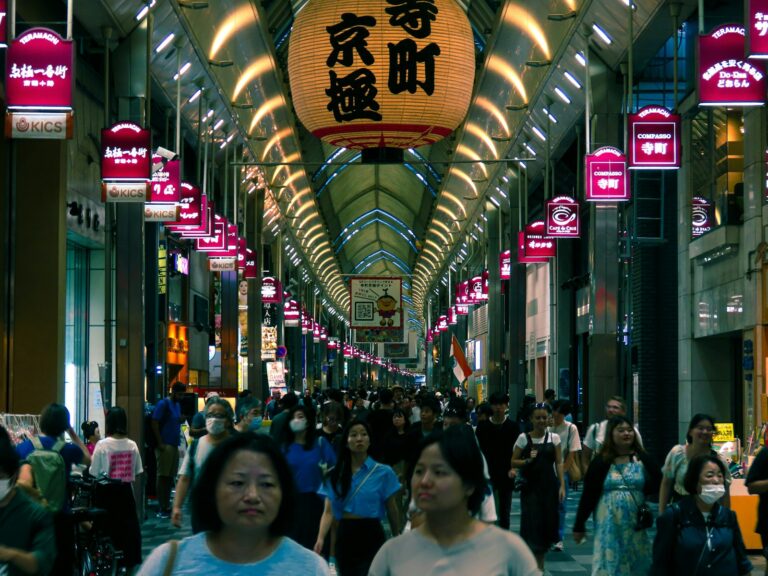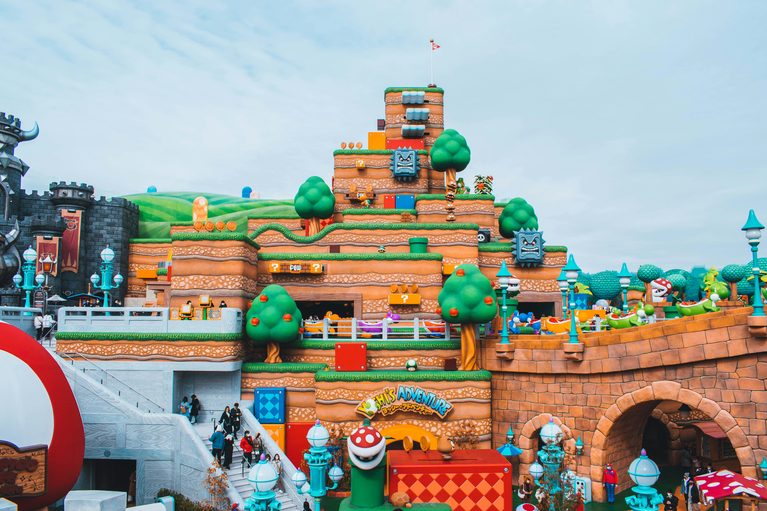
Hokkaido is Japan’s northernmost major island and its wildest, with vast stretches of open countryside, volcanic lakes, and protected wilderness rarely found elsewhere in the country. This guide covers three of its most striking natural destinations: the caldera lake of Toya, the lavender fields of Furano, and the remote, UNESCO-listed Shiretoko Peninsula.
1. Lake Toya
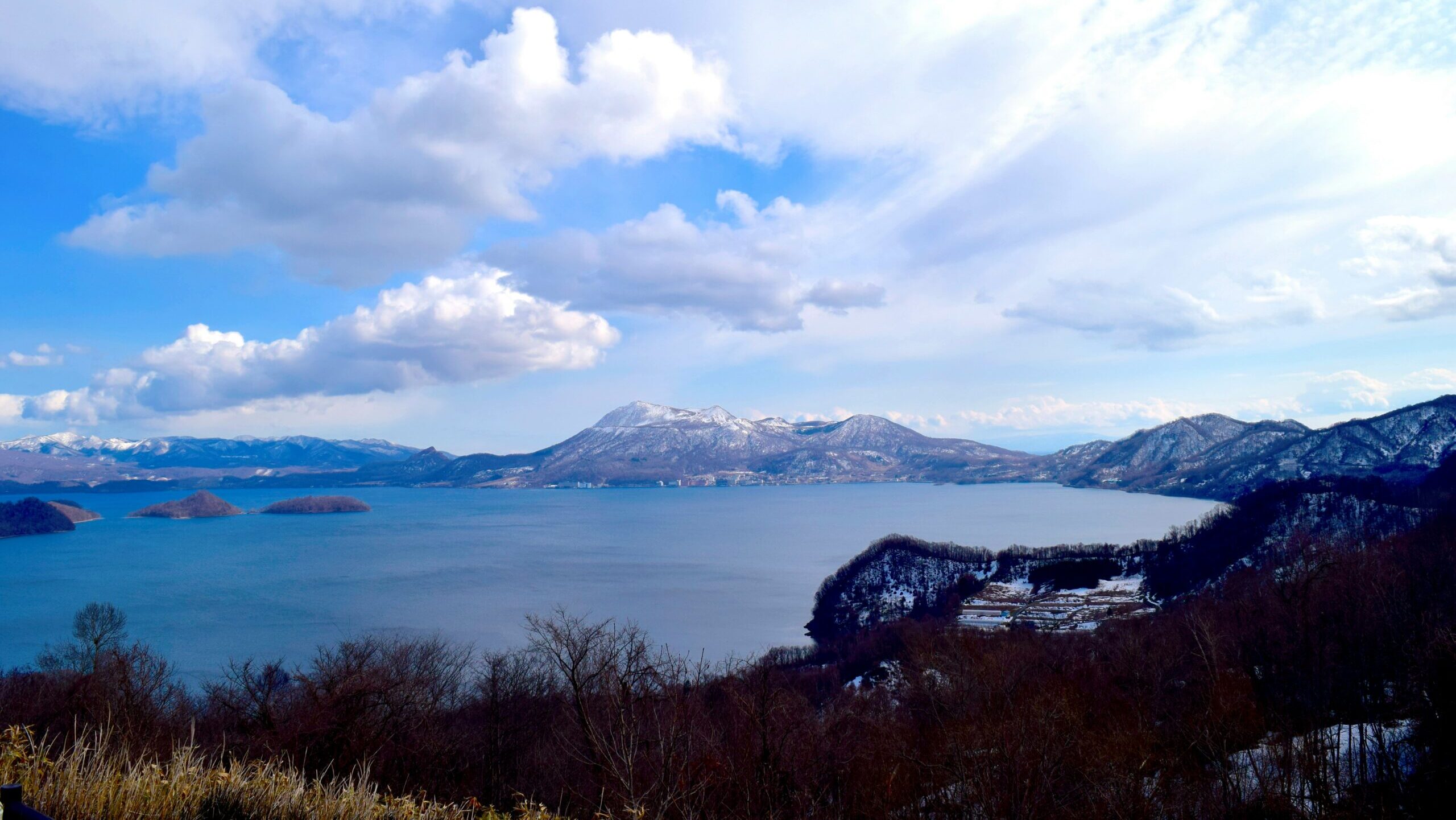
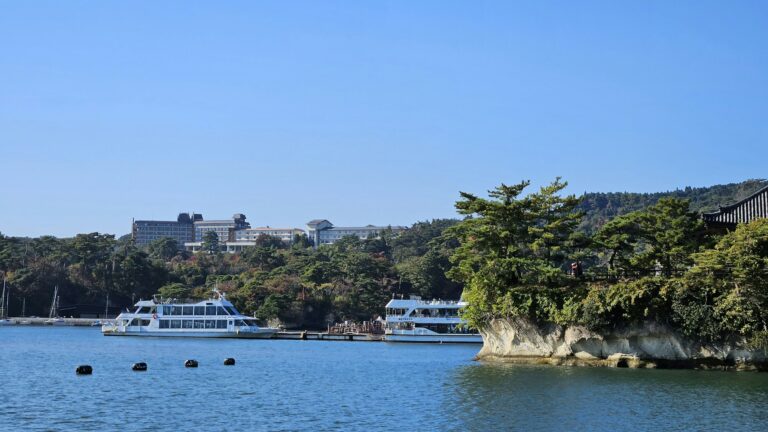
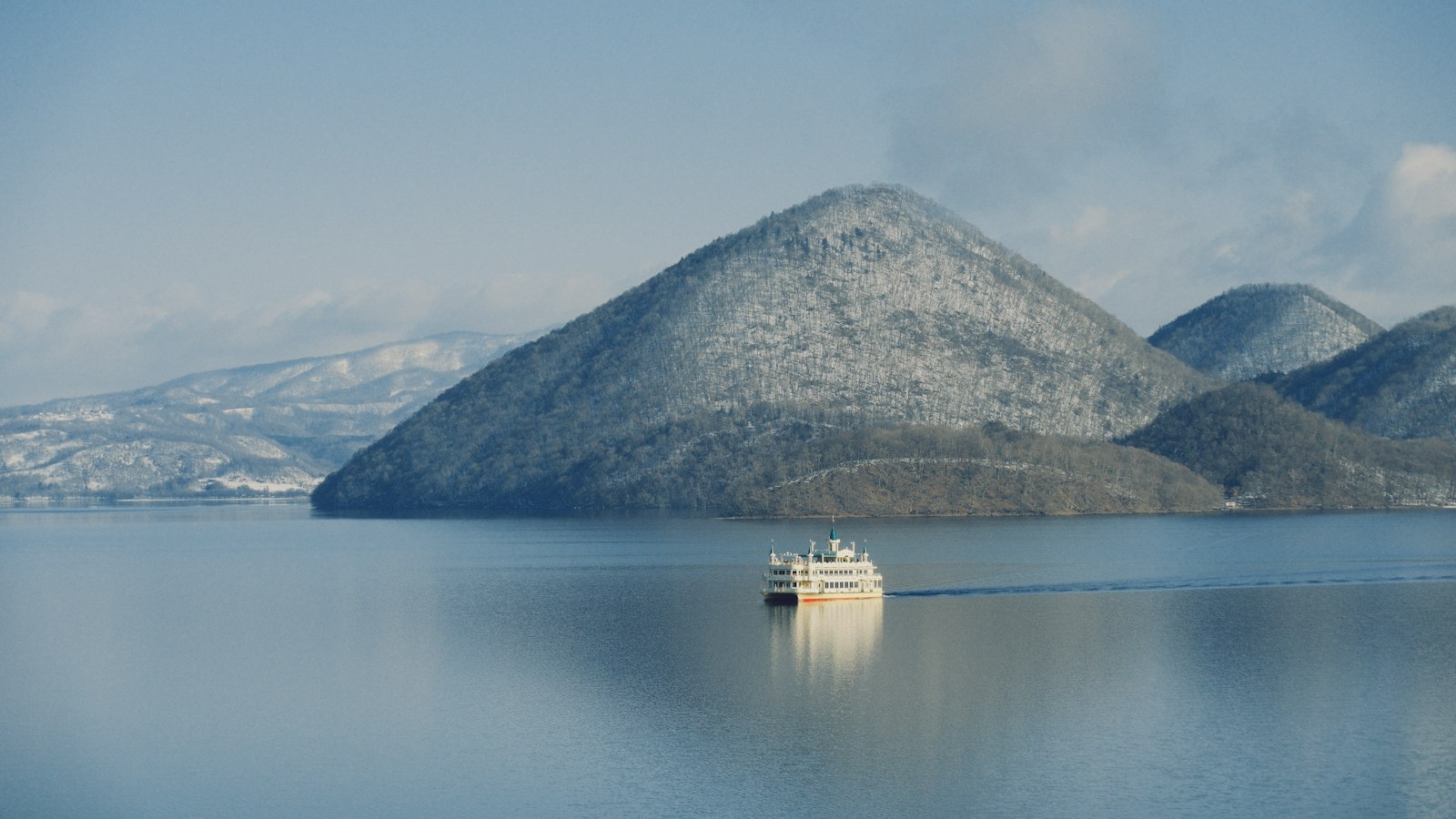
Lake Toya is a nearly circular caldera lake formed by a volcanic eruption roughly 110,000 years ago, with a small island cluster, Nakajima, rising from its center. Unusually for Hokkaido, the lake never fully freezes in winter, thanks to its depth and geothermal activity in the surrounding area. The nearby active volcano, Mount Usu, last erupted in 2000 and can be visited via ropeway, offering views into the crater and over the lake below. The lakeside town hosts a long-running fireworks display each night from late April through October, and the area’s hot spring ryokan make it a popular overnight stop for travelers exploring southern Hokkaido.
2. Furano Flower Fields
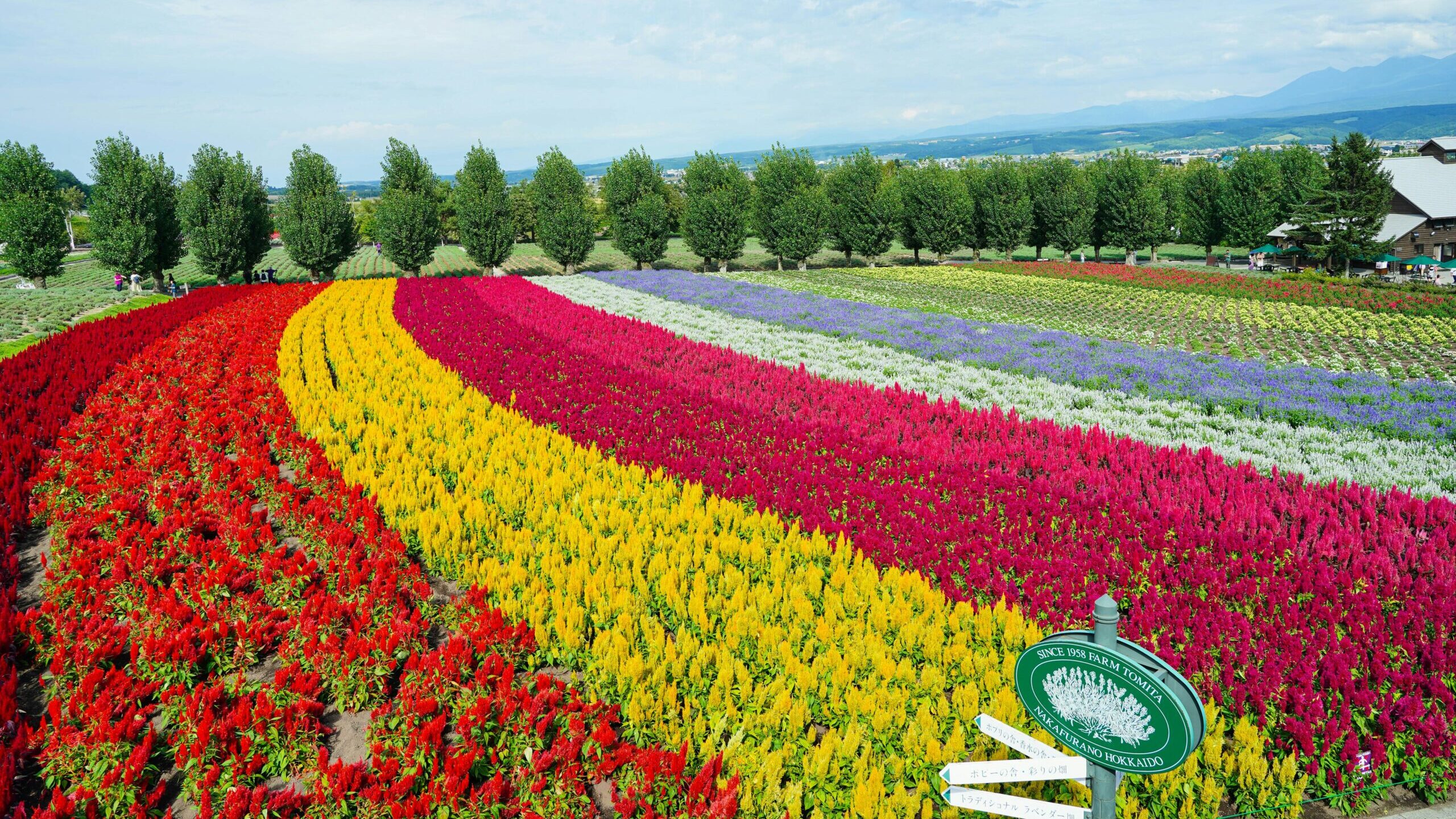
Furano is Hokkaido’s flower-farming region, best known for its vivid lavender fields that peak in bloom from early to mid-July. Farms such as Farm Tomita plant rows of lavender alongside other flowers — poppies, marigolds, and cosmos — creating striped, rainbow-colored fields that have become one of the most photographed sights in Hokkaido. Outside of lavender season, the surrounding Furano-Biei area remains scenic year-round, with rolling farmland in summer and heavy snow cover in winter that supports one of Hokkaido’s most respected ski resorts. Renting a car is the most practical way to explore the wider flower-farm region, as many farms sit outside easy walking distance from train stations.
3. Shiretoko Peninsula
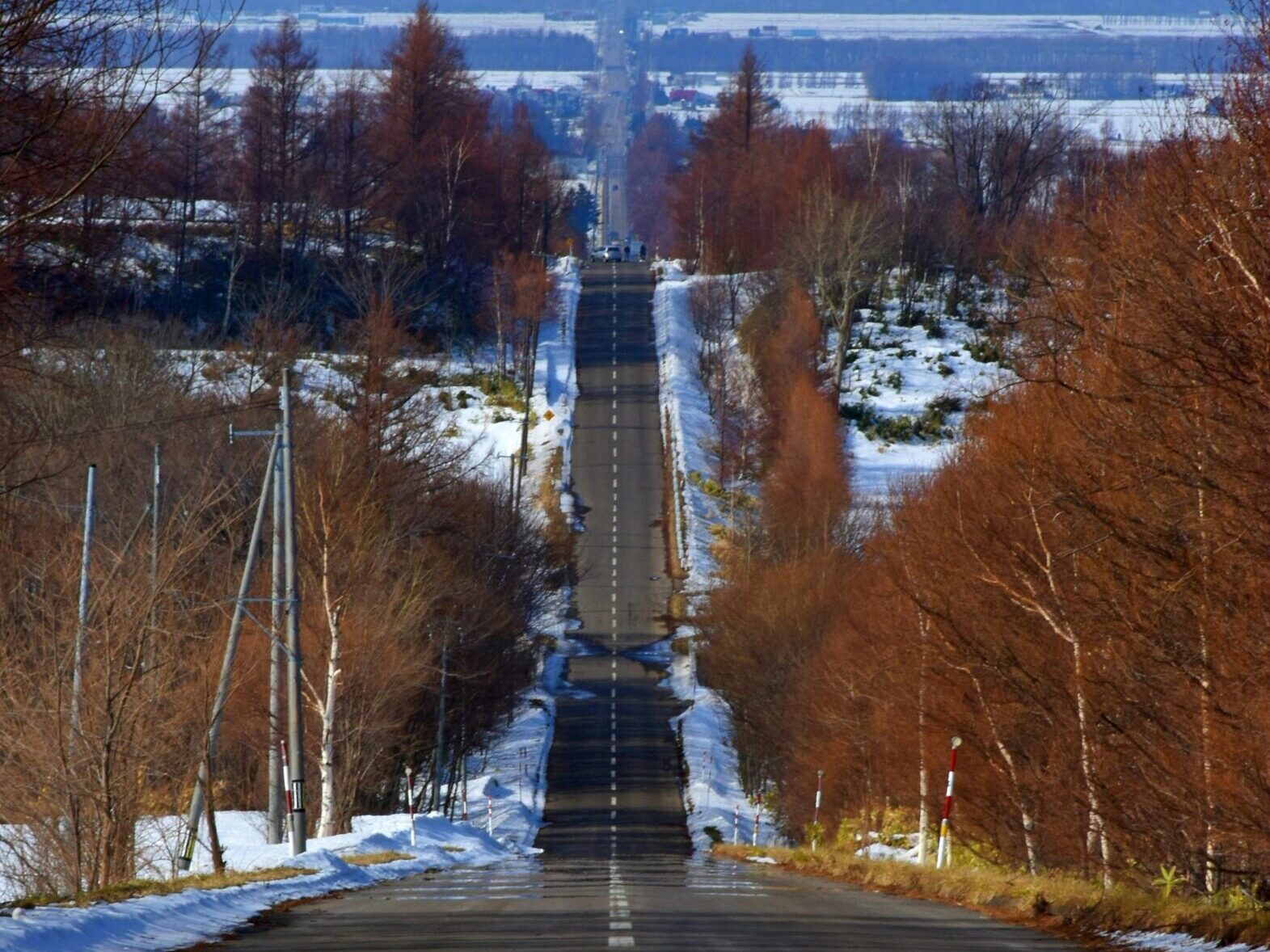
Designated a UNESCO World Heritage Site in 2005, the Shiretoko Peninsula is one of Japan’s most remote and ecologically significant regions, home to brown bears, Blakiston’s fish owls, and one of the southernmost points in the world where sea ice regularly forms. The Shiretoko Five Lakes offer an elevated boardwalk trail through pristine forest, with mountain and lake views along the route, while sightseeing boat tours from Utoro or Rausu offer a chance to see the peninsula’s dramatic cliffs and, seasonally, drift ice or wildlife from the water. Due to its remoteness and bear activity, some trails require guided access during peak bear season (typically spring and early summer) — check current conditions before planning an independent hike.
Heading into Hokkaido’s wild side?
Shiretoko and Lake Toya are beautiful but remote, and visitors pay Japanese hospitals in full. If you plan to hike or join boat and nature tours, check that your travel insurance covers emergency medical care and evacuation.
Affiliate link: we may earn a fee if you get a quote from World Nomads, at no cost to you. We are not an insurance agent and this is not insurance advice; coverage varies by policy, so read the policy wording.Where to Stay for Hokkaido’s Nature Sights
 Where to stay: Lake Toya & Furano
Hotel links in this section go to Orbitz. If you book through them, we may earn a commission at no extra cost to you.
Toyako Onsen (Lake Toya’s hot spring town), central Furano, and Utoro (Shiretoko’s gateway town) each make a good overnight base for their respective areas.
Luxury
Lakeside ryokan such as The Windsor Hotel Toya offer high-end rooms with private onsen and panoramic lake or mountain views.
Hilltop resort overlooking Lake Toya and the Pacific Ocean.
Mid-Range
Hotels like Shin Furano Prince Hotel or Toyako Manseikaku Hotel Lakeside Terrace offer comfortable rooms with good access to flower fields or lake activities.
Ski-in/ski-out at Furano ski area, next to the Ningle Terrace craft village.
Toyako Manseikaku Hotel Lakeside Terrace
Lakeside onsen hotel — great for the nightly summer fireworks over the lake.
Budget-Friendly
Guesthouses and simpler ryokan in Utoro or Furano town offer affordable stays, though advance booking is recommended given limited lodging in these smaller towns.
Compare prices before you book
Hotels in Lake Toya on Orbitz
Many Lake Toya onsen hotels include dinner and breakfast — compare plans and lake-view rooms before you go.
Check Lake Toya hotel prices →
Affiliate link — if you book through Orbitz, we may earn a commission at no extra cost to you.
Quick Tips for Visiting
- Renting a car is strongly recommended for all three destinations, as public transit options are limited outside peak tourist season.
- Furano’s lavender season is short (roughly early to mid-July) — check farm bloom reports before planning a trip specifically for the flowers.
- Shiretoko’s Five Lakes boardwalk may require a guided tour during bear-active periods; check with the visitor center on arrival.
- Winter travel between these areas can involve heavy snow — plan extra time and consider winter tires or a guided tour if self-driving.
Getting there by train: Read our guide to riding trains in Japan, learn how to ride the Shinkansen, and check whether the JR Pass is worth it for your itinerary.
Frequently Asked Questions
When is the best time to see Furano’s lavender fields?
Peak bloom is typically early to mid-July, though flower farms plant a mix of blooms that create colorful fields from June through August.
Do I need a guide to hike in Shiretoko?
Not always — the shorter boardwalk loop is usually open independently, but the longer, unpaved trail routes often require a guide or advance orientation during bear season for safety.
Is Lake Toya worth visiting outside of summer?
Yes — the lake stays ice-free year-round and the hot spring town is a popular winter destination, especially for its onsen with snow-covered mountain views.