If Tokyo’s temples show its past, districts like Shibuya, Shinjuku, and Akihabara show its restless present. This is the Tokyo of towering video screens, all-night neighborhoods, and subculture found nowhere else in the world. Here’s how to experience the city’s most electric districts, plus where to base yourself for easy access to the action.
Deciding where to stay? Compare the three areas in our guide: Shinjuku vs Shibuya vs Akihabara: Where to Stay in Tokyo.
1. Shibuya Crossing & Shibuya Sky
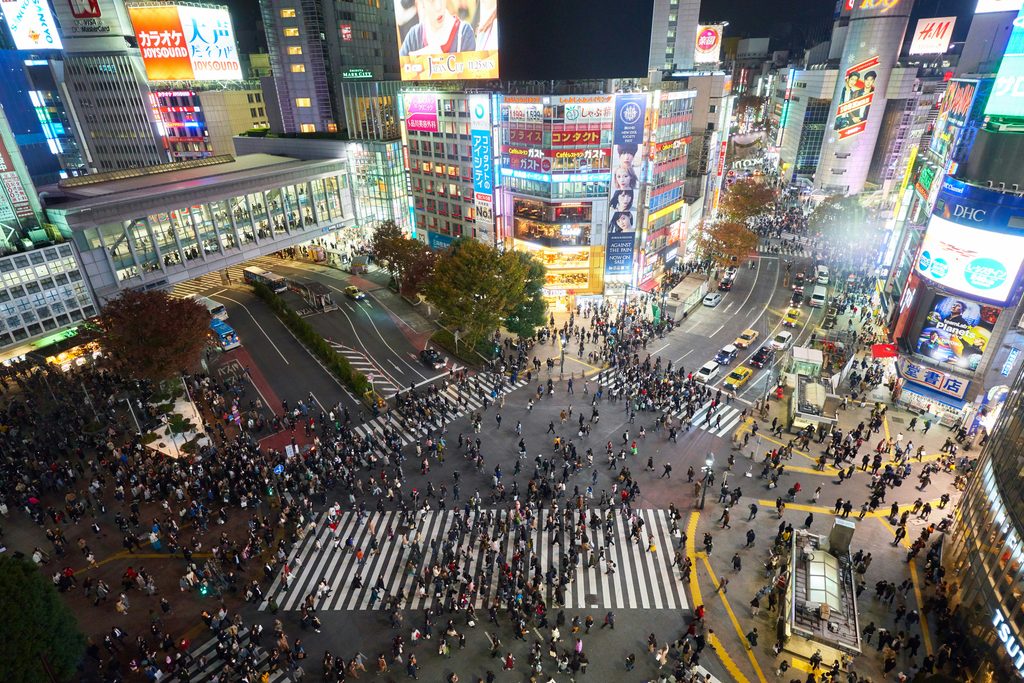
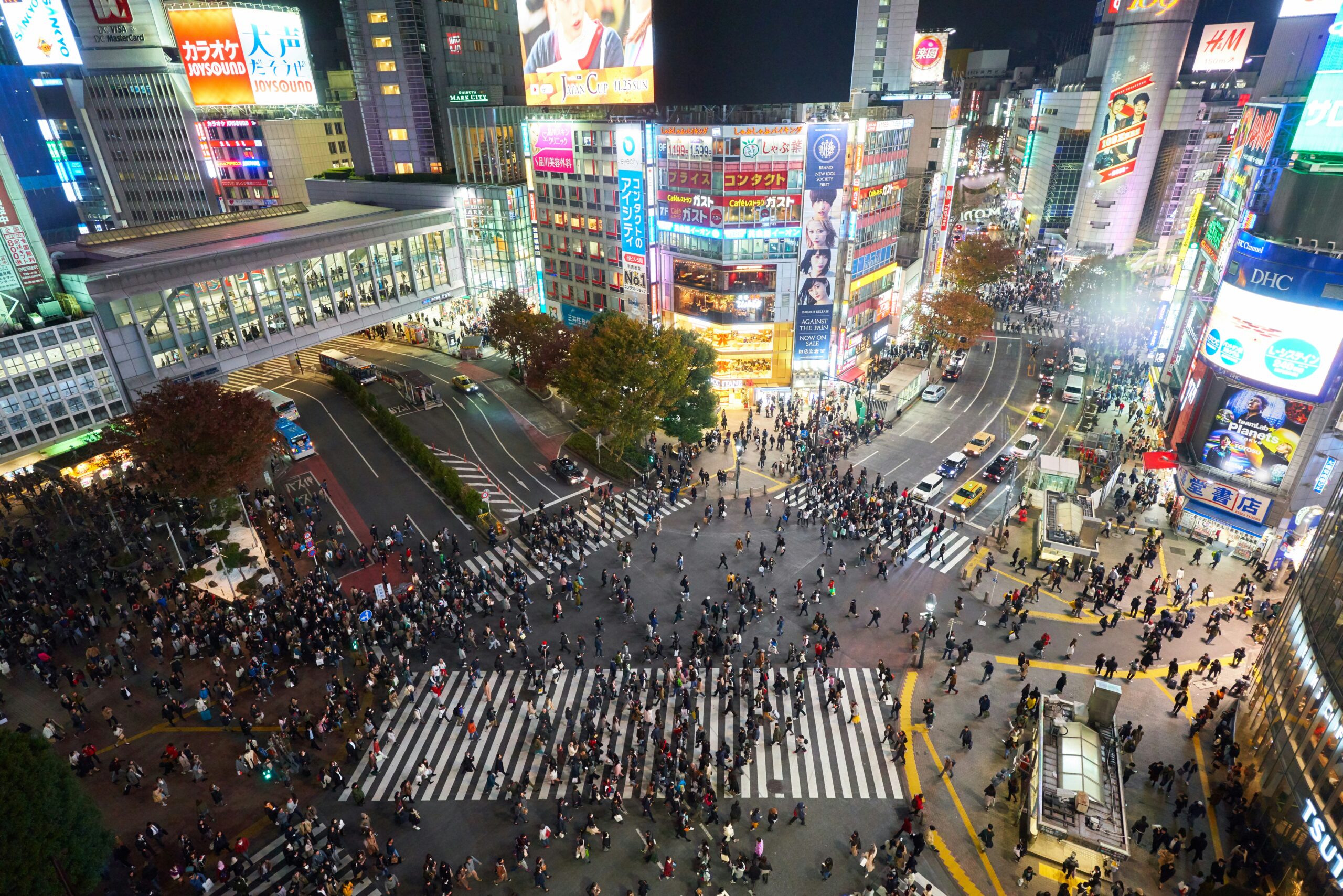
Shibuya Crossing is the world’s busiest pedestrian intersection, with an estimated 1,000 to 3,000 people crossing at once when the lights change. For the best view, head to the second-floor window of the Shibuya Starbucks or, for a more dramatic perspective, book a timed ticket to Shibuya Sky, an open-air rooftop observation deck offering 360-degree views of the city. Around the crossing, Shibuya’s shopping streets are packed with fashion boutiques, department stores, and the famous Hachiko statue — a popular meeting spot named after a loyal dog whose story is still told across Japan.
2. Shinjuku’s Neon Streets & Skyscraper District
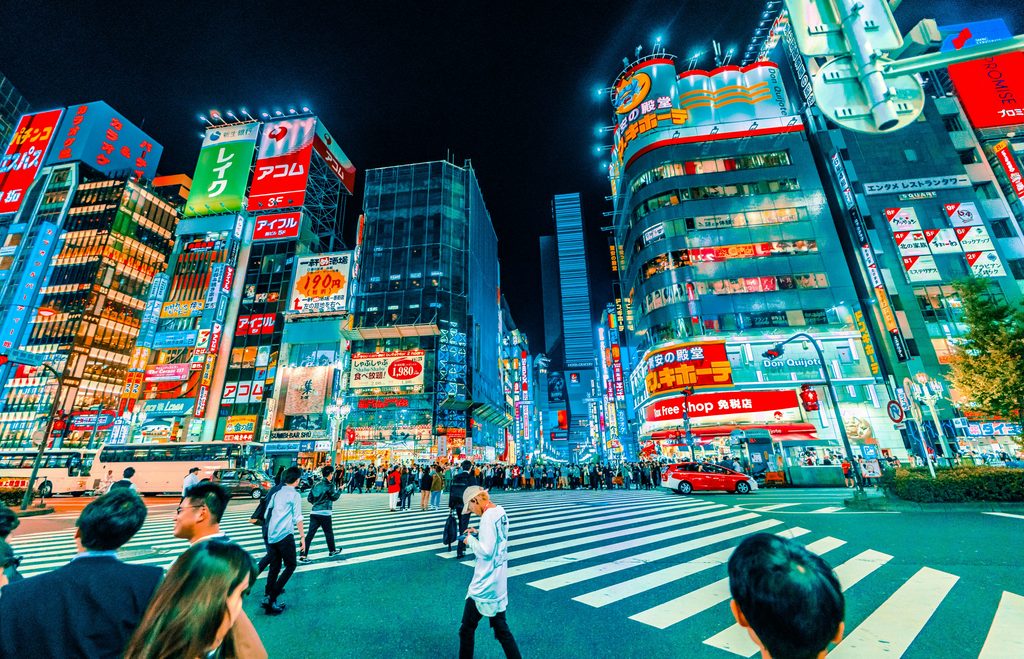
Shinjuku is Tokyo distilled into a single district: glass skyscrapers on one side, narrow neon alleyways on the other. During the day, visit the free observation deck at the Tokyo Metropolitan Government Building for panoramic views (on clear days, you can see Mount Fuji). At night, wander through Omoide Yokocho (“Memory Lane”), a cluster of tiny yakitori stalls dating back to the post-war era, or explore Golden Gai, a maze of alleyways packed with dozens of tiny themed bars, many seating fewer than ten people. Shinjuku Station itself is the busiest train station in the world, so allow extra time to navigate it.
3. Akihabara: Anime, Games & Electronics

Known as “Electric Town,” Akihabara grew from a post-war electronics market into the global center of anime, manga, and gaming culture. Multi-floor stores sell everything from vintage arcade cabinets to the latest gadgets, while dedicated shops carry collectible figures, trading cards, and manga volumes stacked floor to ceiling. Themed cafés, including maid cafés and retro gaming bars, are a distinctive part of the neighborhood’s culture. Even visitors without a specific interest in anime will find the sheer density of lights, sounds, and stores worth an afternoon of exploring.
Where to Stay Near Tokyo’s Entertainment Districts
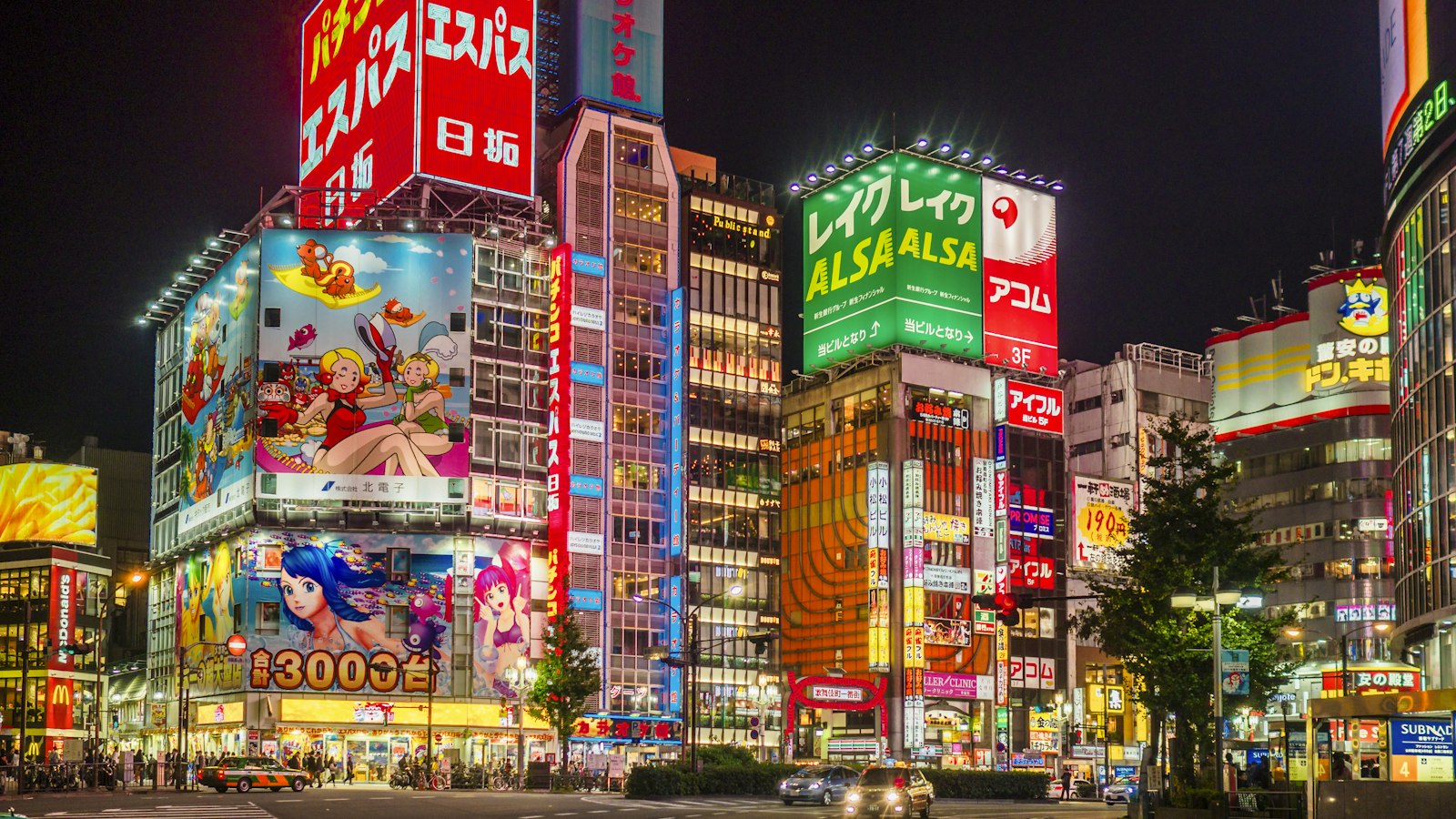 Where to stay: Shinjuku & Shibuya
Hotel links in this section go to Booking.com. If you book through them, we may earn a commission at no extra cost to you.
Shinjuku and Shibuya are both major transit hubs, making either a convenient home base for reaching the rest of the city.
Luxury
The Park Hyatt Tokyo (Shinjuku) offers refined rooms with sweeping skyline views, while the Cerulean Tower Tokyu Hotel provides upscale comfort directly in Shibuya.
The top-floor hotel made famous by Lost in Translation, with skyline views.
Tall tower hotel a short walk from Shibuya Crossing.
Mid-Range
Hotel Gracery Shinjuku and Shibuya Excel Hotel Tokyu offer well-appointed rooms right in the heart of the action, ideal for travelers who want to walk everywhere.
The hotel with the giant Godzilla head on its terrace, in the heart of Shinjuku.
Directly connected to Shibuya Station via Mark City — hard to beat for convenience.
Budget-Friendly
Capsule hotels and business hotels such as 9h nine hours Shinjuku-North or Sotetsu Fresa Inn Higashi Shinjuku provide efficient, low-cost lodging within easy reach of Shinjuku’s train lines.
Sleek, minimalist capsule hotel — a fun, low-cost way to stay in Shinjuku.
Sotetsu Fresa Inn Higashi Shinjuku
No-frills business hotel at Higashi-Shinjuku Station, one stop from Shinjuku.
Compare prices before you book
Hotels in Shinjuku on Booking.com
Shinjuku is Tokyo’s biggest transit hub, with quick trains to Shibuya and Akihabara. Compare everything from capsules to five-star towers.
Affiliate link — if you book through Booking.com, we may earn a commission at no extra cost to you.
Quick Tips for Visiting
- Shibuya Sky tickets often sell out — book online in advance, especially for sunset time slots.
- Golden Gai bars in Shinjuku sometimes charge a small cover fee; check signage before sitting down.
- Akihabara is best explored on foot; most major stores are within a five-minute walk of Akihabara Station.
- All three districts are connected by the JR Yamanote Line, making them easy to combine in a single day.
Getting there by train: Read our guide to riding trains in Japan, learn how to ride the Shinkansen, and check whether the JR Pass is worth it for your itinerary.
Frequently Asked Questions
What is the best time to see Shibuya Crossing?
Early evening, just after sunset, offers the best combination of daylight visibility and illuminated signage.
Is Golden Gai tourist-friendly?
Many bars welcome tourists, though some are locals-only or have limited seating. Look for English signage or menus posted outside.
Do I need to be an anime fan to enjoy Akihabara?
No — the district’s arcades, electronics stores, and unique street atmosphere are worth visiting even without prior interest in anime or gaming.