Ise Grand Shrine, the most sacred Shinto site in Japan, is the heart of any trip to Mie Prefecture, and the old pilgrim streets of Oharaimachi and the Wedded Rocks of Meoto Iwa make it an easy and memorable day or overnight trip. For centuries, Japanese travelers saved up for a once-in-a-lifetime pilgrimage to Ise, and the town still feels built around that journey, from the cedar-shaded shrine grounds to the teahouses selling sweet rice cakes outside the gates. Ise is about 80 to 90 minutes from Nagoya by train, which makes it a natural add-on to a Tokyo–Kyoto itinerary. This guide covers the three highlights first-time visitors should not miss, practical tips on visiting the shrines respectfully, and where to stay in Ise.
1. Ise Grand Shrine (Naiku and Geku)
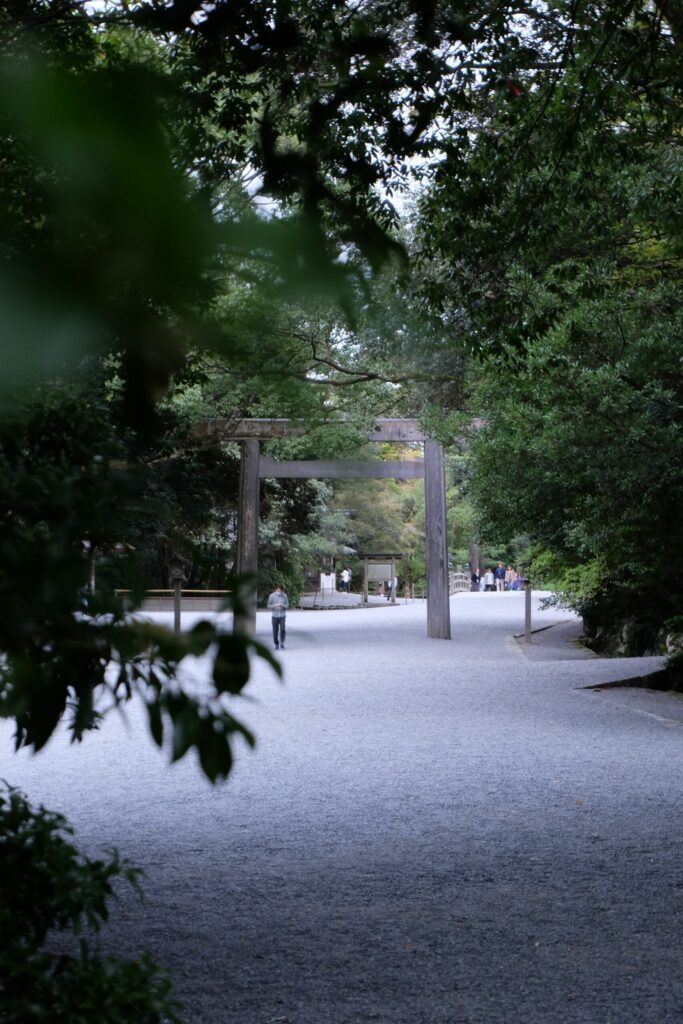
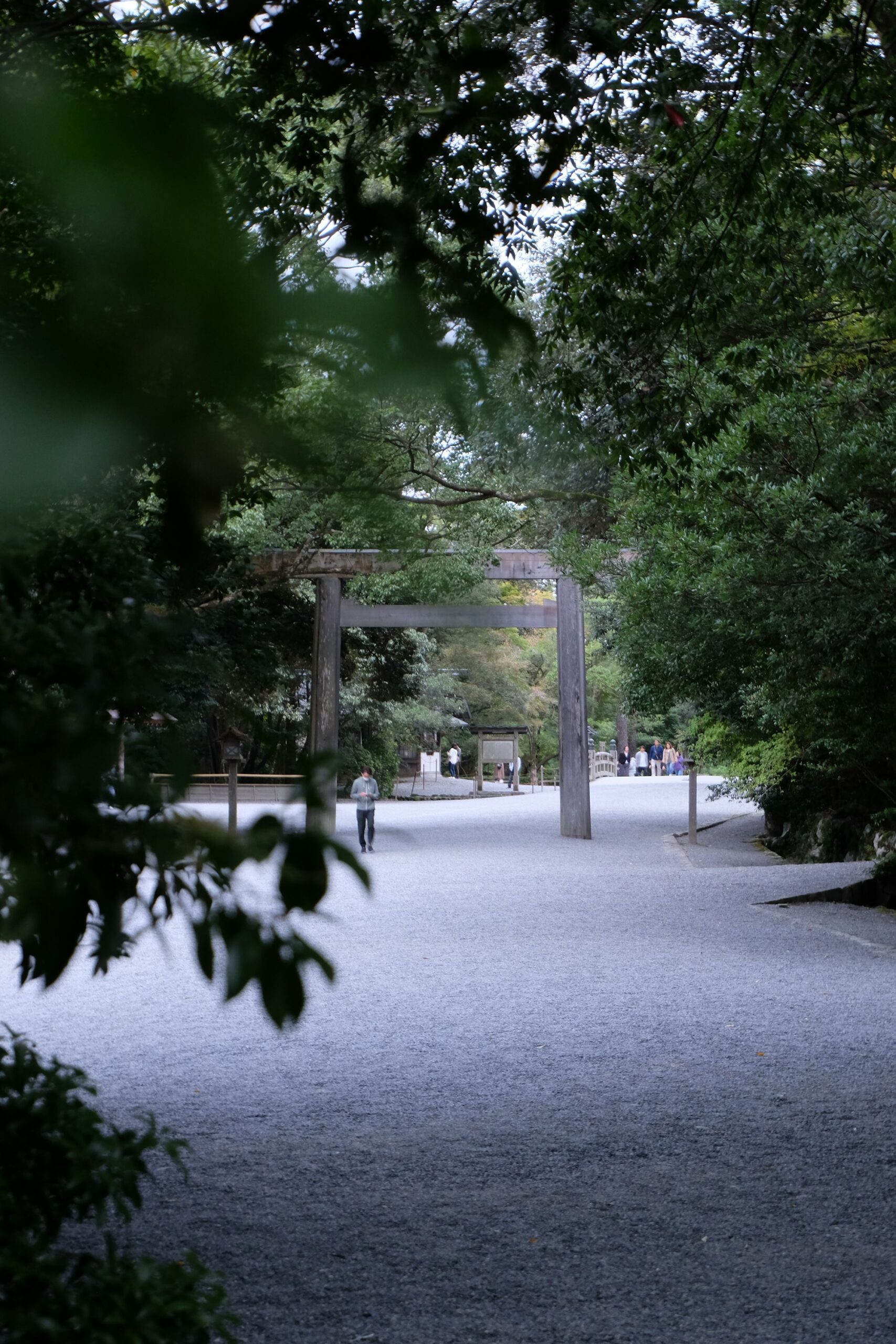
Ise Jingu is not one shrine but a network of 125, and the two you will want to see are the Geku (Outer Shrine) and the Naiku (Inner Shrine). Tradition says to visit the Geku first, near Iseshi Station, and then take a short bus ride of about 15 to 20 minutes to the Naiku, which enshrines Amaterasu, the sun goddess. At the Naiku you cross the wooden Uji Bridge over the clear Isuzu River, rinse your hands at the riverside purification spot and walk a long gravel path through towering cedars to the main sanctuary. Entry is free, and the shrines open at 5:00 and close between 17:00 and 19:00 depending on the season (17:00 from October to December). The main sanctuaries are hidden behind wooden fences, and photography is not allowed at the inner gates, so put your camera away there. Early morning is the most peaceful time, before tour groups arrive.
2. Oharaimachi and Okage Yokocho
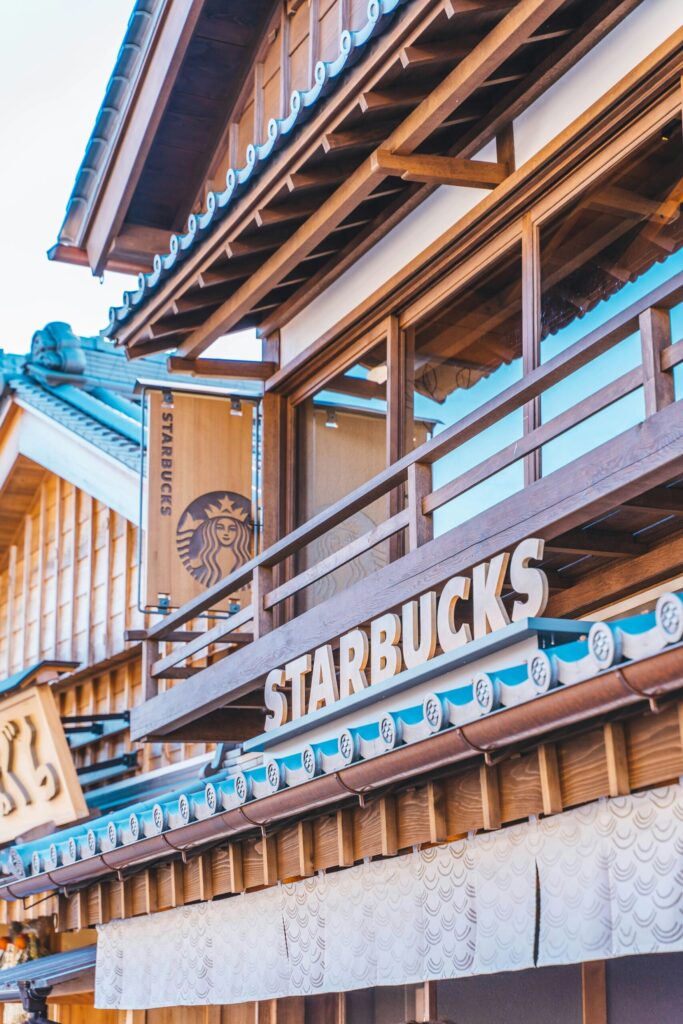
Right outside the Naiku, Oharaimachi is a street of about 800 meters lined with wooden merchant houses, souvenir shops and restaurants that once served pilgrims. In the middle, Okage Yokocho is a compact quarter of reconstructed Edo- and Meiji-style buildings that opened in 1993, with food stalls, craft shops and small museums; most shops keep hours of roughly 9:30 to 17:00. This is the place to try Ise’s signature tastes: Akafuku, a soft rice cake topped with sweet red bean paste, made by a shop founded in 1707 whose main store opens at 5:00 for early shrine visitors; Ise udon, thick, extra-soft noodles in a dark, sweet soy sauce; and tekone-zushi, marinated bonito over vinegared rice. Come right after your shrine visit, ideally before lunch, and graze your way down the street rather than sitting down for one big meal.
3. Meoto Iwa (The Wedded Rocks)
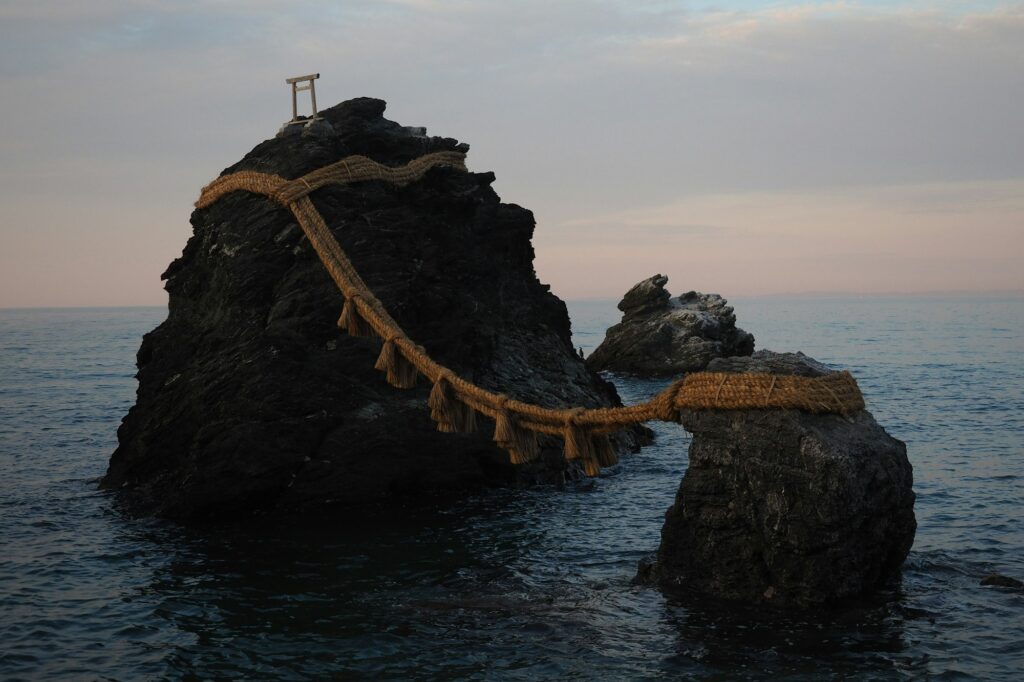
Off the coast at Futami, about 7 to 10 minutes by JR train from Iseshi to Futaminoura Station plus a 15-minute walk, Meoto Iwa is a pair of rocks in the sea joined by a thick sacred rope called a shimenawa. The larger and smaller rocks represent a husband and wife, and the site belongs to Futami Okitama Shrine, where you will find dozens of frog statues, a symbol of safe return home. The ropes are replaced in ceremonies several times a year. Around the summer solstice the sun rises right between the two rocks, and on clear winter mornings you may even see Mount Fuji in the distance, so it is worth an early start if you are staying in Ise. Even at midday, the walk along the seawall is pleasant, and it combines easily with your shrine visit on the same day.
Where to Stay Near Ise Grand Shrine
 Where to stay: Ise
Hotel links in this section go to Orbitz. If you book through them, we may earn a commission at no extra cost to you.
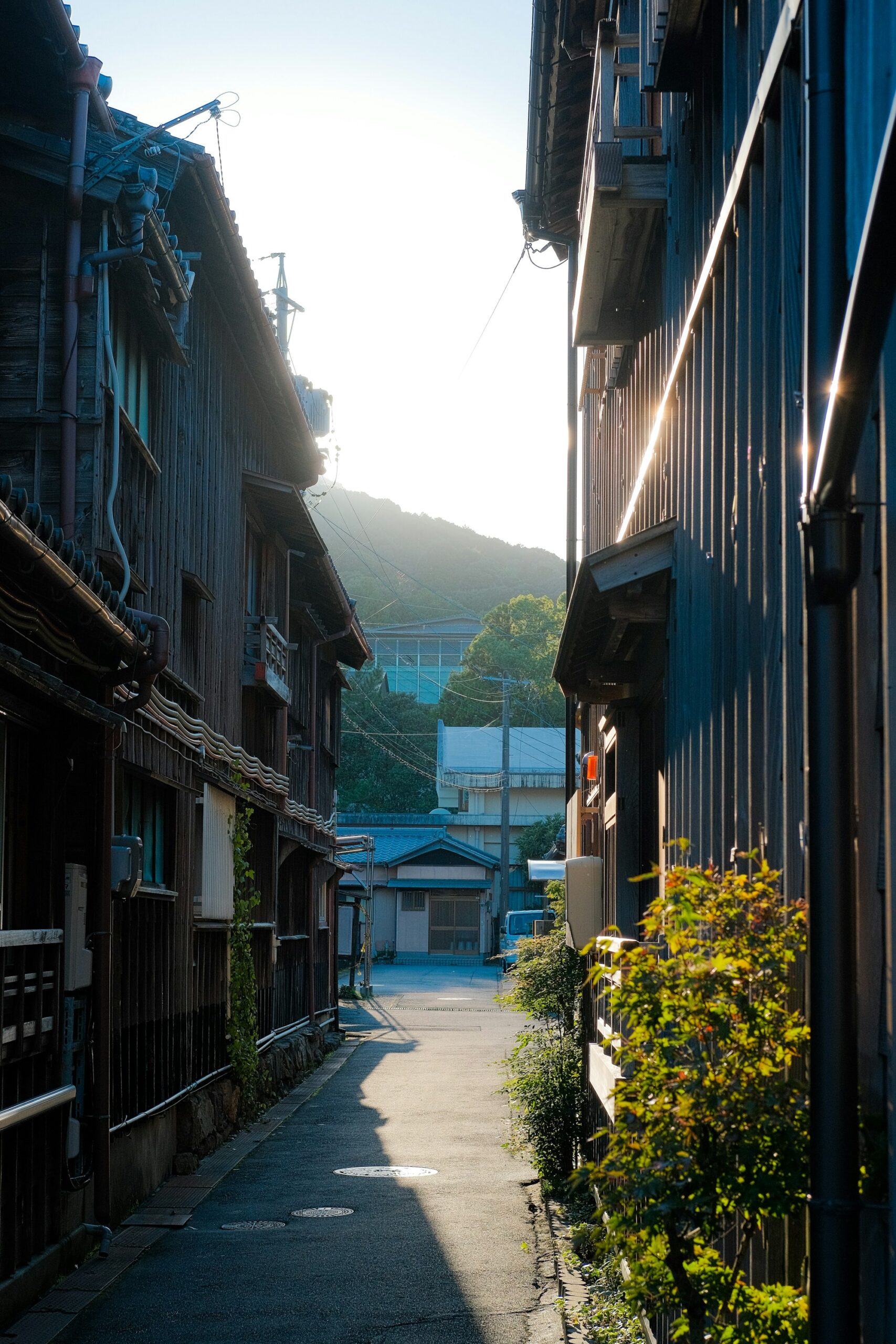
The most convenient base is the area around Iseshi Station, a short walk from the Geku and a bus ride from the Naiku, with frequent Kintetsu and JR trains to Nagoya, Osaka and Toba. Staying overnight lets you visit the shrines at opening time and catch an early sunrise at Meoto Iwa.
Luxury
Isegekusando Iseshinsen is a Japanese-style hotel with hot spring baths just a minute or two from Iseshi Station, on the approach to the Geku. It is a good choice if you want a ryokan feel, with relaxing baths after a day of walking, without giving up easy train access.
Ryokan-style hotel with hot spring baths steps from Iseshi Station.
Mid-Range
Comfort Hotel ERA Ise is a practical, modern hotel about two minutes on foot from Iseshi Station. Rooms are compact but comfortable, and the location makes early starts for the Geku, the bus to the Naiku and the train to Futami very easy.
Modern hotel two minutes from Iseshi Station.
Budget-Friendly
Sanco Inn Iseshi Ekimae is a simple, good-value business hotel right by Iseshi Station. Expect small, clean rooms rather than extras, which is all you need for a night between shrine visits and the Wedded Rocks.
Simple, good-value hotel right by Iseshi Station.
Compare prices before you book
Hotels in Ise on Orbitz
Stay in Ise to visit the shrines at opening time, stroll Oharaimachi in the evening and catch sunrise at Meoto Iwa.
Affiliate link — if you book through Orbitz, we may earn a commission at no extra cost to you.
Quick Tips for Visiting
- Visit the Geku first and the Naiku second, following tradition; allow at least half a day for both.
- Photography is not allowed at the main sanctuaries, so take your photos along the approach paths and at Uji Bridge.
- Arrive at the Naiku around opening time for quiet paths, then have Akafuku for breakfast in Oharaimachi.
- Wear comfortable shoes: the gravel paths at both shrines are long and uneven.
- Combine Ise with Toba and Shima, just 15 minutes or more away by train, for a two-day trip.
Getting there by train: From Nagoya, the Kintetsu limited express reaches Ise in about 80 minutes, while the JR Rapid Mie takes about 90 minutes; JR Pass holders must pay a small fare on board for the Ise Railway section between Kawarada and Tsu. From Osaka, Kintetsu limited expresses from Osaka-Namba take about 1 hour 40 minutes to 2 hours, and the luxury Shimakaze train runs on to Kashikojima on most days. Read our guide to riding trains in Japan, learn how to ride the Shinkansen to Nagoya, and check whether the JR Pass is worth it for your route.
Frequently Asked Questions
Is Ise Grand Shrine free to visit?
Yes. Both the Geku and the Naiku are free to enter. They open at 5:00 and close between 17:00 and 19:00 depending on the season.
Should I visit the Geku or the Naiku first?
Tradition says to visit the Geku (Outer Shrine) first and then the Naiku (Inner Shrine). Buses connect the two in about 15 to 20 minutes.
Can you take photos at Ise Grand Shrine?
You can take photos along the approaches and at Uji Bridge, but photography is not allowed at the main sanctuaries.
How do I get to Meoto Iwa from Ise?
Take the JR train from Iseshi to Futaminoura Station, about 7 to 10 minutes, then walk about 15 minutes to Futami Okitama Shrine.