Disclosure: The First Pick takes part in affiliate programs. If you buy through a link on this page, we may earn a commission at no extra cost to you. Prices, promotions and availability change, so always confirm details on the seller’s page. See our Affiliate Disclosure.
To enjoy Japanese tea at home, you need small handleless teacups (yunomi), a teapot with a fine strainer, water that has cooled to about 70 to 80°C (160 to 175°F), and an airtight container to keep the leaves fresh. Green tea is one of the easiest souvenirs of Japan to keep enjoying after your trip. This guide covers cups, teapots, brewing basics, storage, and what to check when buying teaware on AliExpress US.
Japanese teacups: what to look for
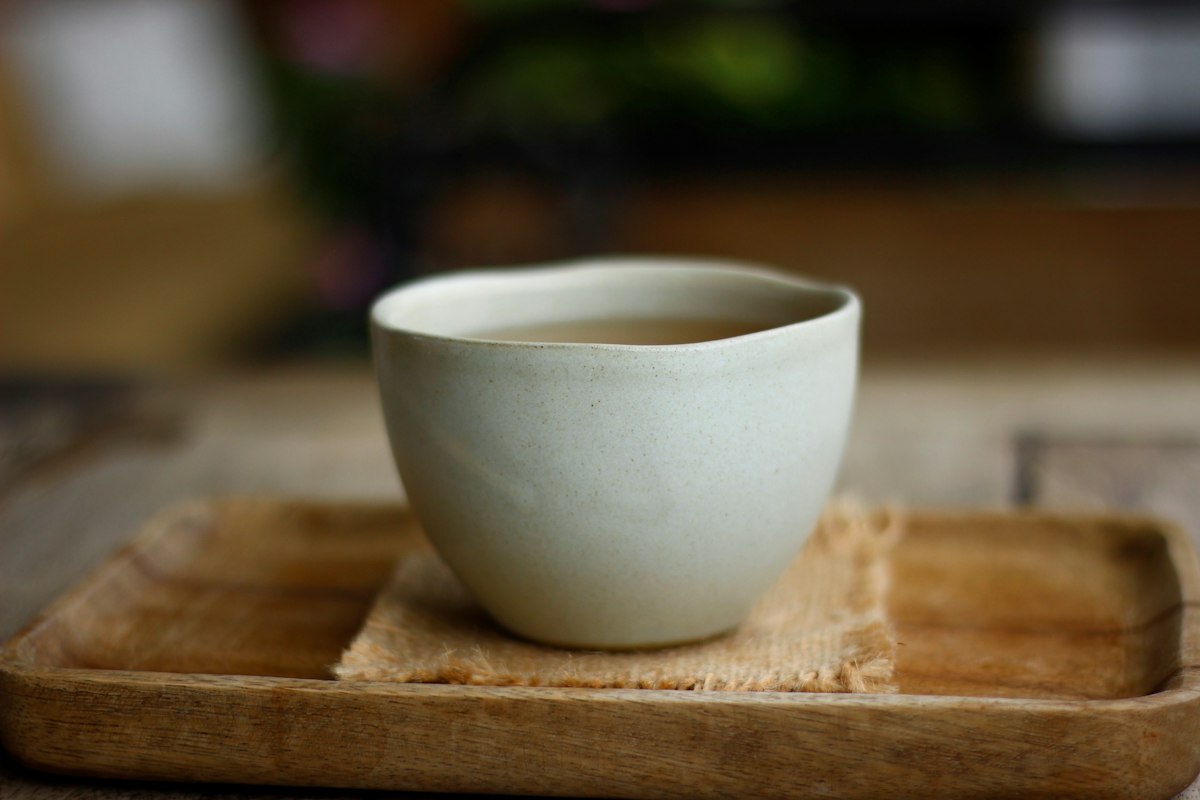
Everyday Japanese teacups usually have no handle. Holding the cup tells you when the tea has cooled enough to drink, and the plain shape shows off glaze and texture. Tall cups (yunomi) keep tea warm for longer, while wider, shallower cups cool quickly and suit high-grade tea served in small amounts.
| Cup type | Typical size | Best for |
|---|---|---|
| Tall yunomi | 150 to 250 ml | Everyday sencha and hojicha |
| Small wide cup | 60 to 120 ml | Gyokuro and guest service |
| Glass cup | 100 to 200 ml | Cold-brewed tea in summer |
| Sake cup (ochoko) | 30 to 60 ml | Sake, or tasting small amounts of tea |
Teapots: kyusu and alternatives
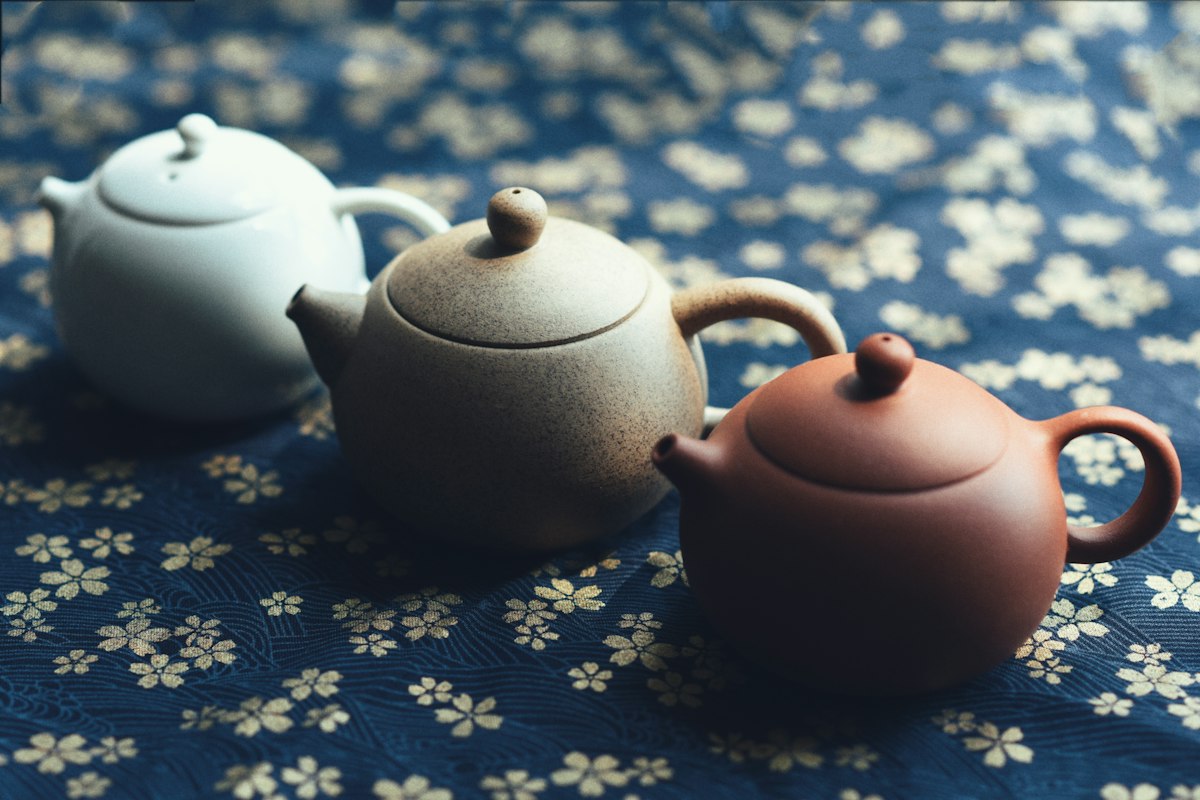
The classic Japanese teapot is the kyusu, a small side-handled pot with a built-in fine strainer. Japanese green tea leaves are often finely cut, so the strainer matters more than the shape. If you cannot find a kyusu you like, a small teapot with a fine stainless steel infuser works well, and a glass pot lets you watch the leaves open.
Brewing basics
| Tea | Water temperature | Steeping time |
|---|---|---|
| Sencha | 70 to 80°C (160 to 175°F) | About 1 minute |
| Gyokuro | 50 to 60°C (120 to 140°F) | About 2 minutes |
| Hojicha and genmaicha | 90 to 95°C (195 to 205°F) | 30 seconds to 1 minute |
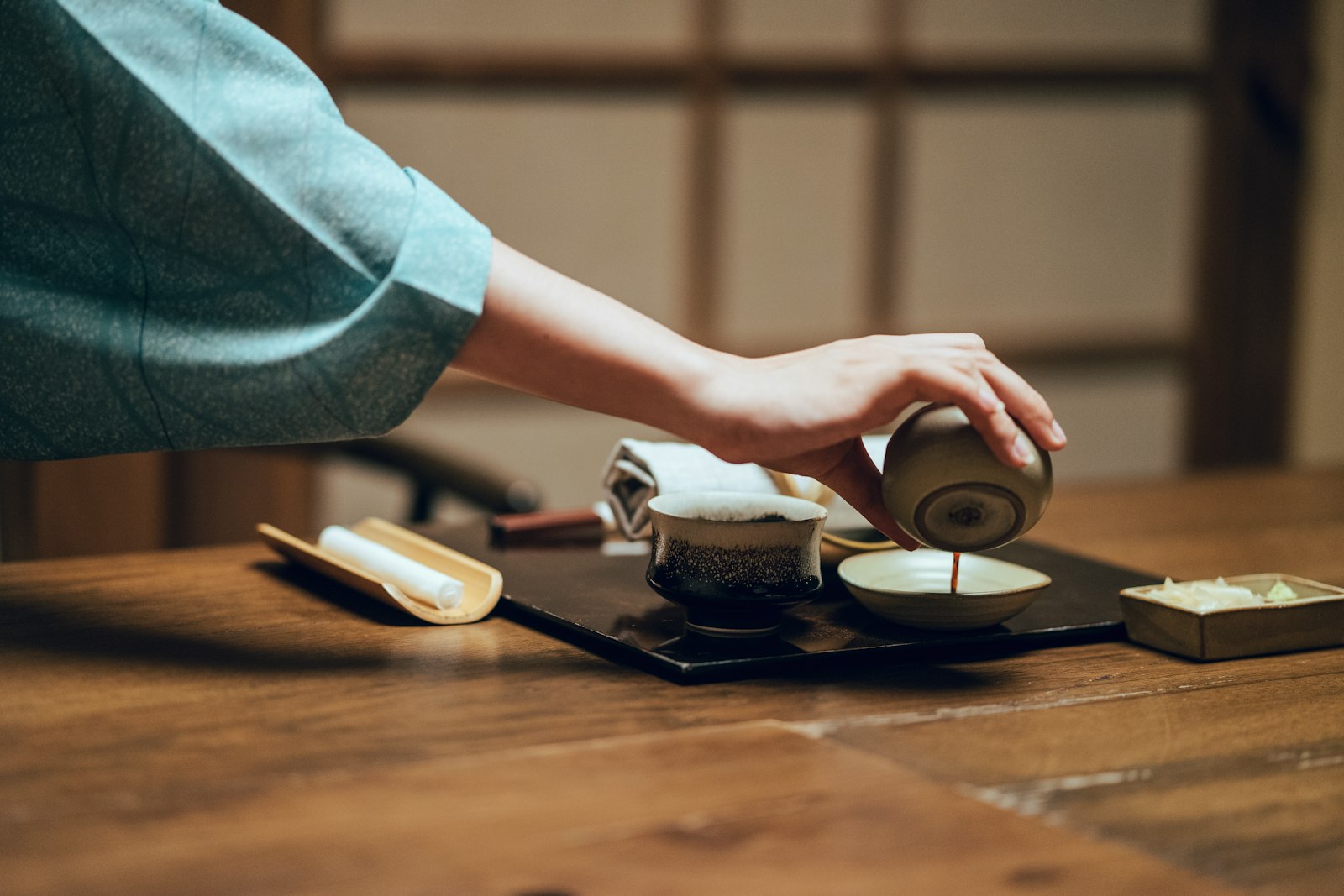
A simple trick: pour boiling water into the cups first, then into the teapot. Each transfer cools the water by several degrees and warms the cups at the same time. Pour the tea into cups a little at a time, going back and forth, so every cup has the same strength, and pour out every last drop so the leaves do not overbrew for the next round. These are general starting points; follow the directions on your tea package.
How to store Japanese green tea
Green tea is sensitive to air, light, heat, moisture and odors. Keep opened tea in an airtight, opaque canister in a cool, dark place, and try to finish it within about a month. Unopened packs keep longer; many people store them in the refrigerator and let them reach room temperature before opening to avoid condensation.
Buying teaware on AliExpress: what to check
- Capacity in ml, which is easy to confuse in photos.
- Whether ceramic items are food safe and heat resistant, and whether glass is borosilicate.
- Strainer mesh size for teapots used with fine Japanese leaves.
- Breakage protection, packaging notes in reviews, and return terms for fragile items.
- The delivery estimate for your US address.
The best place to taste Japanese tea is in Japan itself, especially around Kyoto’s historic districts. At home, pair this guide with how to make matcha and ideas to display your Japan souvenirs.
Our Japanese Tea Picks on AliExpress
Cups, a teapot and storage to enjoy Japanese green tea at home. Tap a pick to compare sizes and glazes.

Pick 01 · Best rustic cup
Handmade-Style Stoneware Teacup
An earthy, rustic glaze that feels like a cup from a small Kyoto shop.
Good to know: Each glaze varies a little, which is part of the charm.
Pick 02 · Best everyday cup
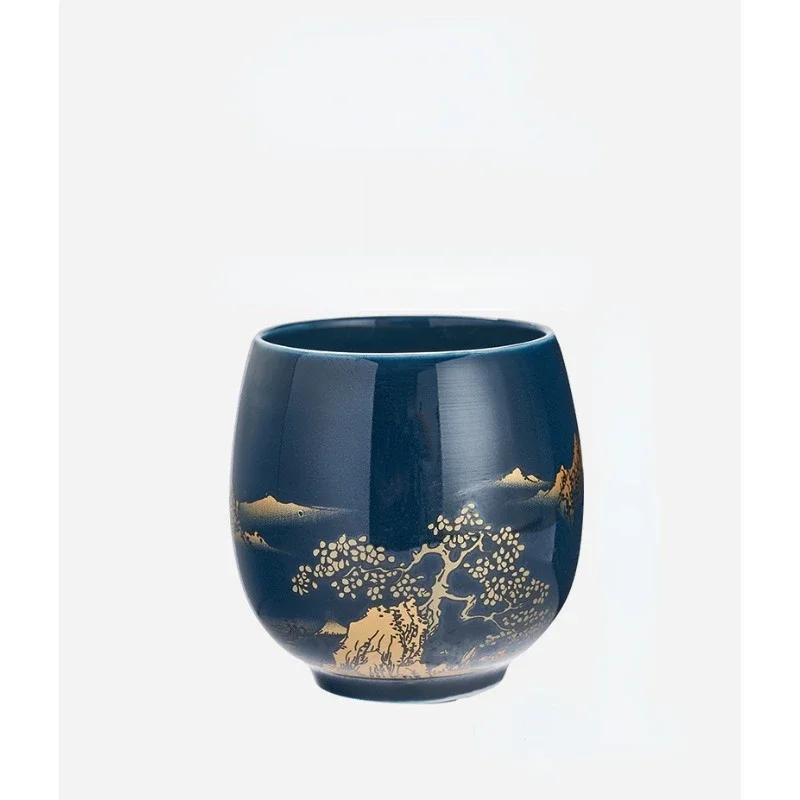
180 ml Ceramic Tea Cup
A comfortable everyday size for sencha or hojicha.
Good to know: Japanese cups have no handle, so hold hot tea by the rim and base, or let it cool for a moment.

Pick 03 · Best for iced tea
Hammered Glass Teacup
Heat-resistant glass that also looks beautiful with cold-brew green tea.
Good to know: Let very hot tea cool slightly before pouring it into glass, and check the listing for heat-resistance details.
Pick 04 · Best gift set
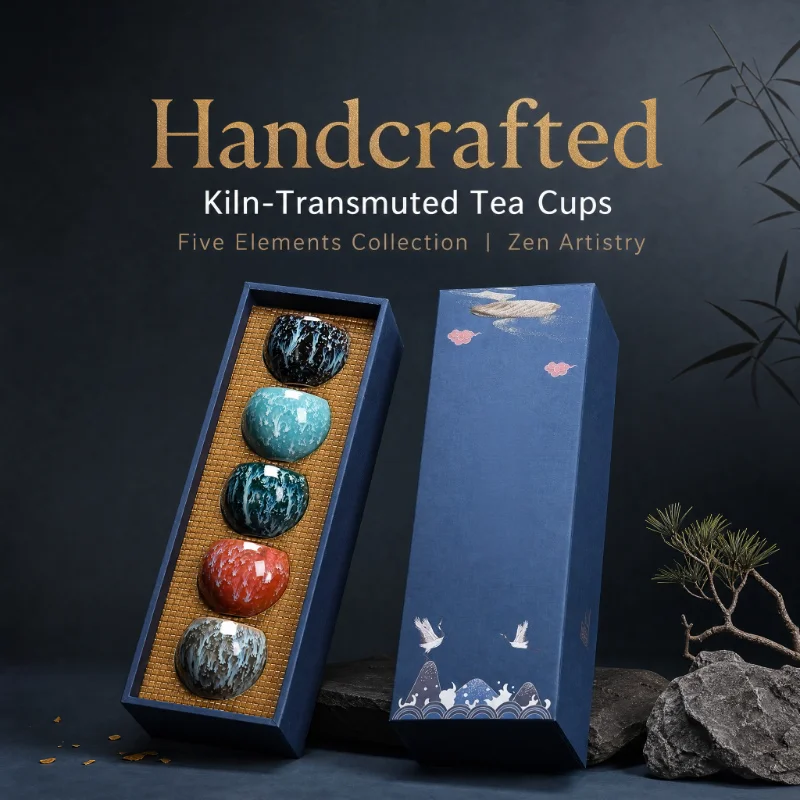
Five-Color Ceramic Cup Set (Gift Box)
Five glazes in one box — a thoughtful present for tea lovers.
Good to know: Five different glazes make it easy to tell cups apart when guests visit.

Pick 05 · Best teapot
Glass Teapot with Fine Infuser
A stainless infuser for fine Japanese leaves, so you can watch them unfurl.
Good to know: A fine mesh infuser suits the small, cut leaves of Japanese green tea.

Pick 06 · Best for freshness
Vacuum-Seal Glass Canister
Pump the air out to keep green tea fresher for longer.
Good to know: Removing air helps green tea keep its aroma longer after opening.

Pick 07 · Best for storage
Airtight Glass Jar with Bamboo Lid
A pretty, airtight jar for loose-leaf tea on the counter.
Good to know: Keep the jar out of direct sunlight to protect the color and flavor.

Pick 08 · Best for tea setting
Hand-Woven Bamboo Tea Mats
Hand-woven bamboo mats that sit under a teapot or cup and turn any table into a calm tea setting.
Good to know: Natural bamboo adds a calm, Japanese feel to your table.

Pick 09 · Best for sake nights
Japanese-Style Ceramic Sake Cups
Small cups for sake nights or for tasting premium tea.
Good to know: Small cups are also nice for tasting premium gyokuro.
Picks are chosen from well-rated AliExpress US listings. We have not tested every item, and prices, stock and delivery times change, so check the listing, buyer photos and return terms before you order.
Frequently Asked Questions
Why do Japanese teacups have no handles?
Handleless cups let you feel the temperature of the tea and show off the glaze. Tea is usually served at a temperature that is comfortable to hold.
What temperature should water be for Japanese green tea?
About 70 to 80°C (160 to 175°F) for sencha, lower for gyokuro, and nearly boiling for hojicha and genmaicha.
Do I need a kyusu teapot?
It is traditional and works very well, but any small teapot with a fine strainer will brew good Japanese green tea.
How long does green tea stay fresh after opening?
Flavor fades noticeably after about a month. Store it airtight, away from light, heat and odors.