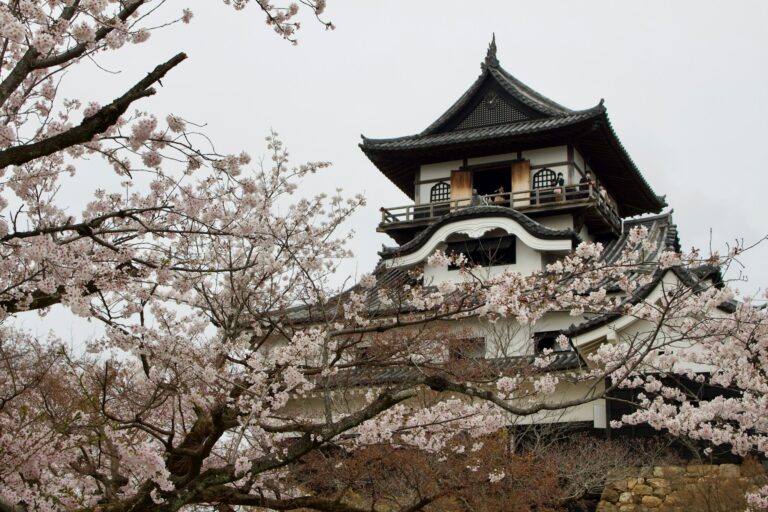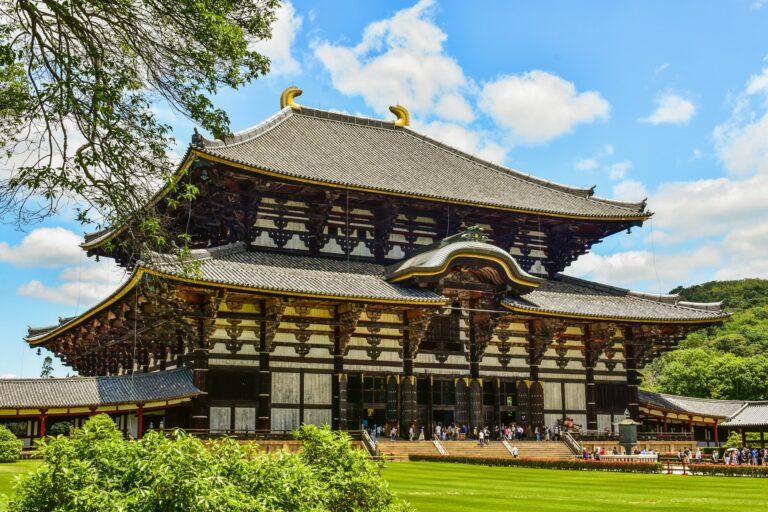
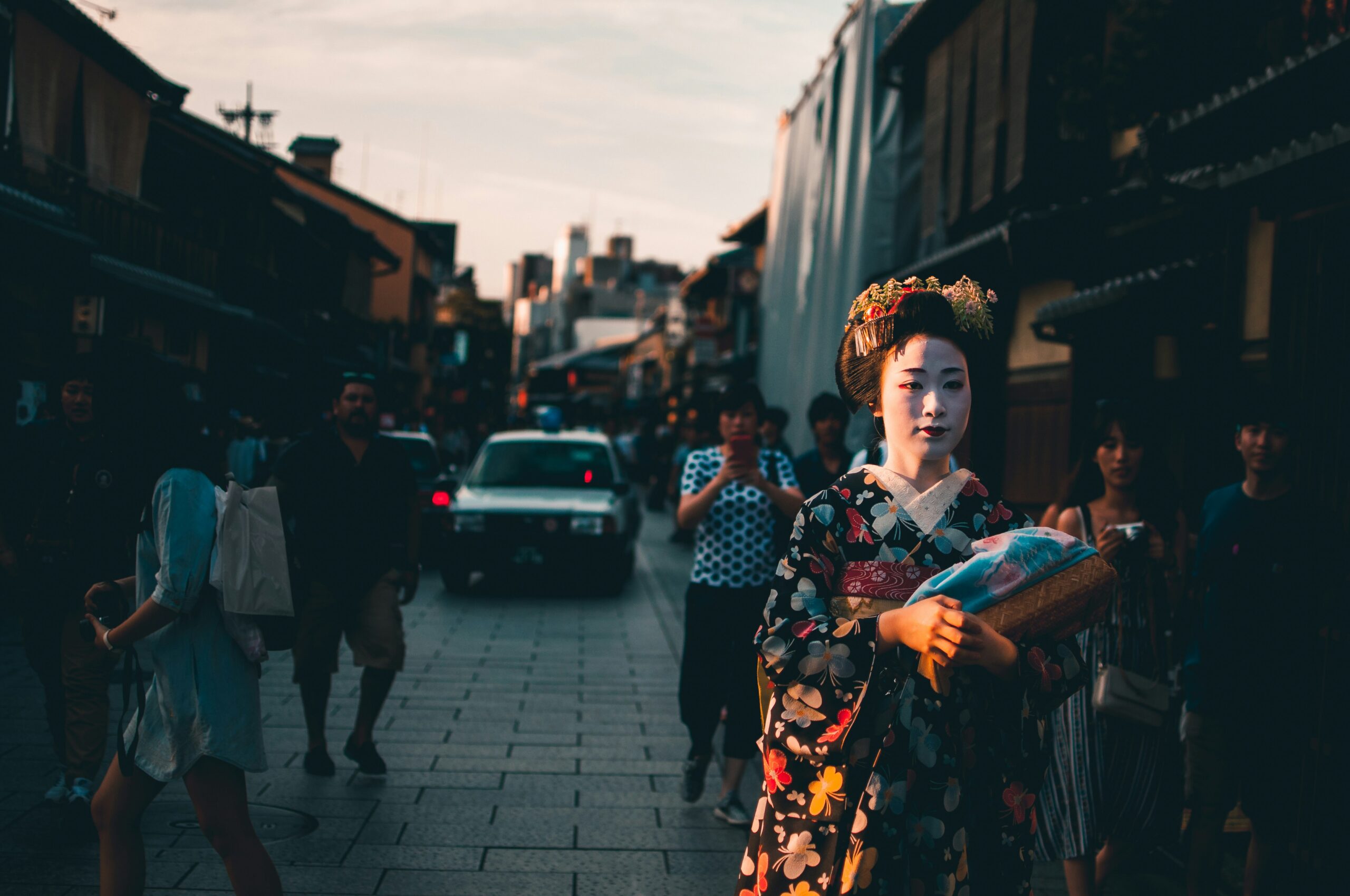
Kyoto’s traditional culture lives on most vividly in its historic districts — preserved streets, sprawling bamboo forests, and a shogun’s castle that helped shape modern Japanese history. This guide covers three distinct sides of that living history: the geisha district of Gion, the towering Arashiyama Bamboo Grove, and Nijo Castle.
1. Gion District
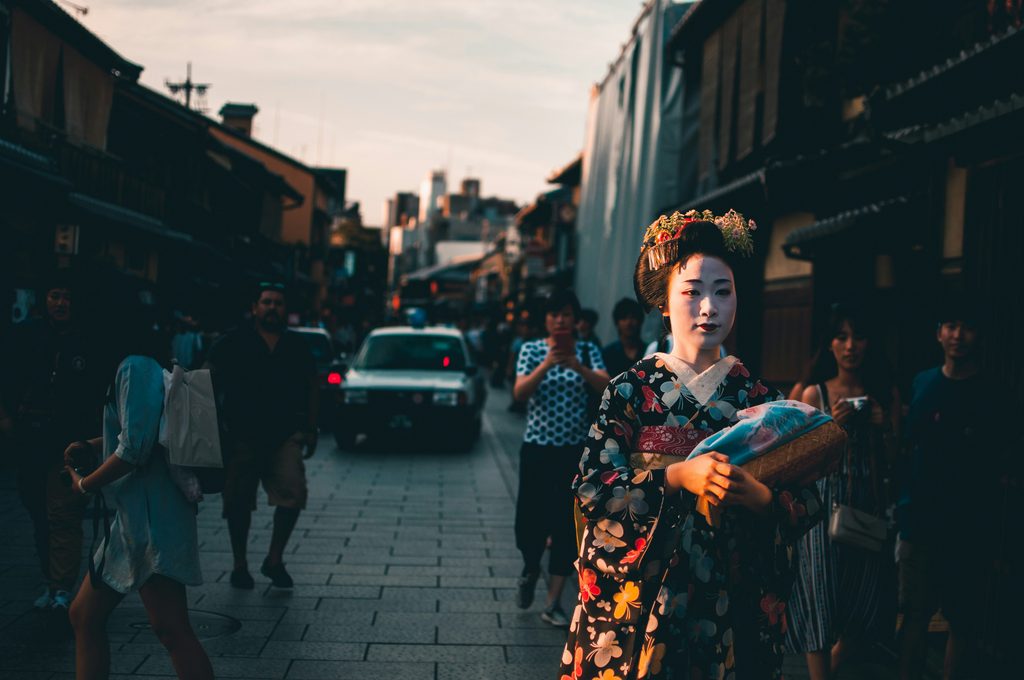
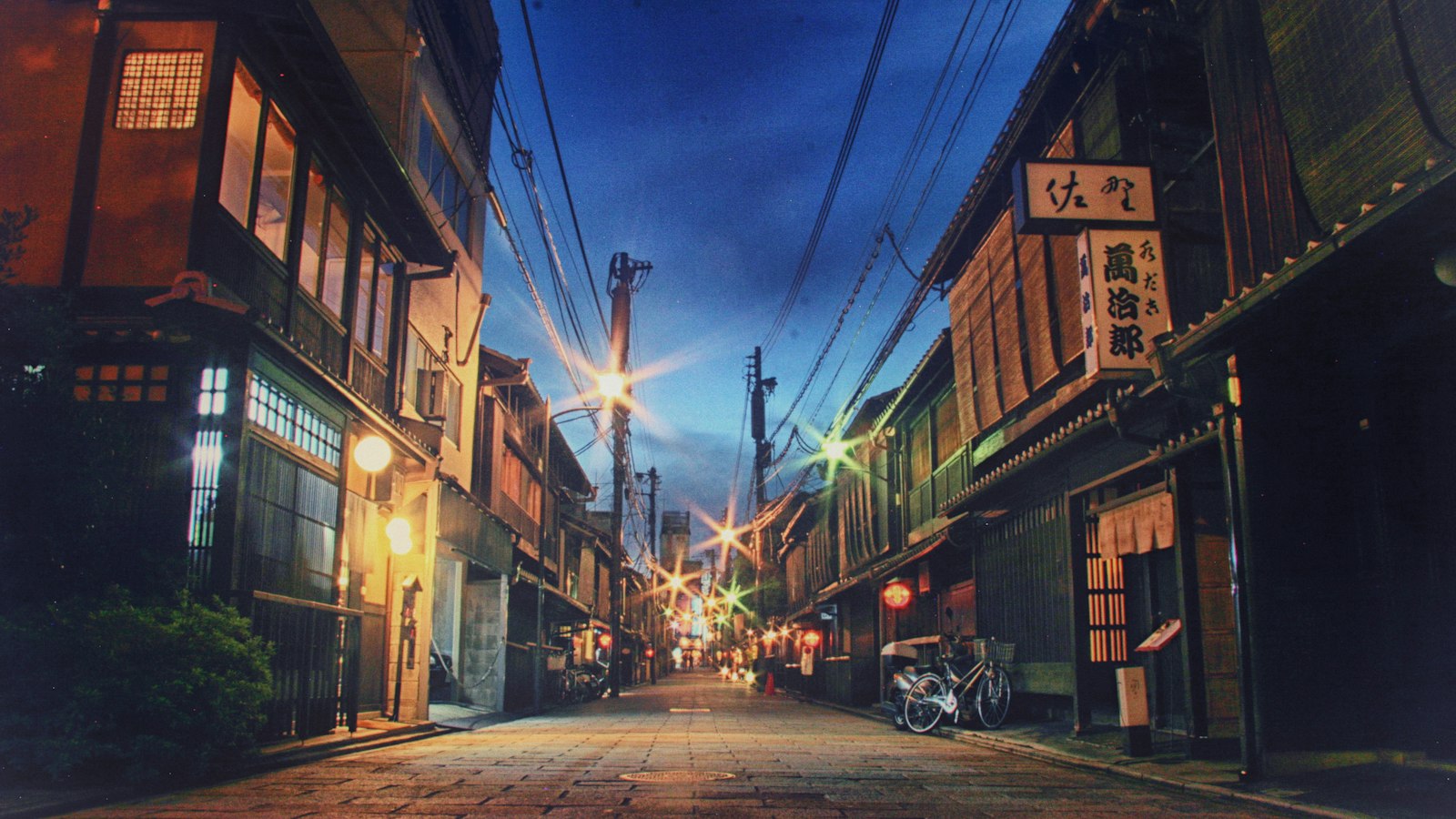
Gion is Kyoto’s most famous geisha district, where geiko (Kyoto’s term for geisha) and maiko (apprentice geisha) still occasionally can be seen making their way to evening appointments at traditional teahouses. The district’s main street, Hanamikoji, is lined with beautifully preserved wooden machiya buildings, many now housing restaurants, shops, and tea houses. Visitors should be respectful when photographing in the area — some narrow side streets have restricted private photography due to past incidents of tourists crowding working geiko. Early evening is the best time to experience the atmosphere, when lanterns are lit and the district takes on its most traditional feel.
2. Arashiyama Bamboo Grove
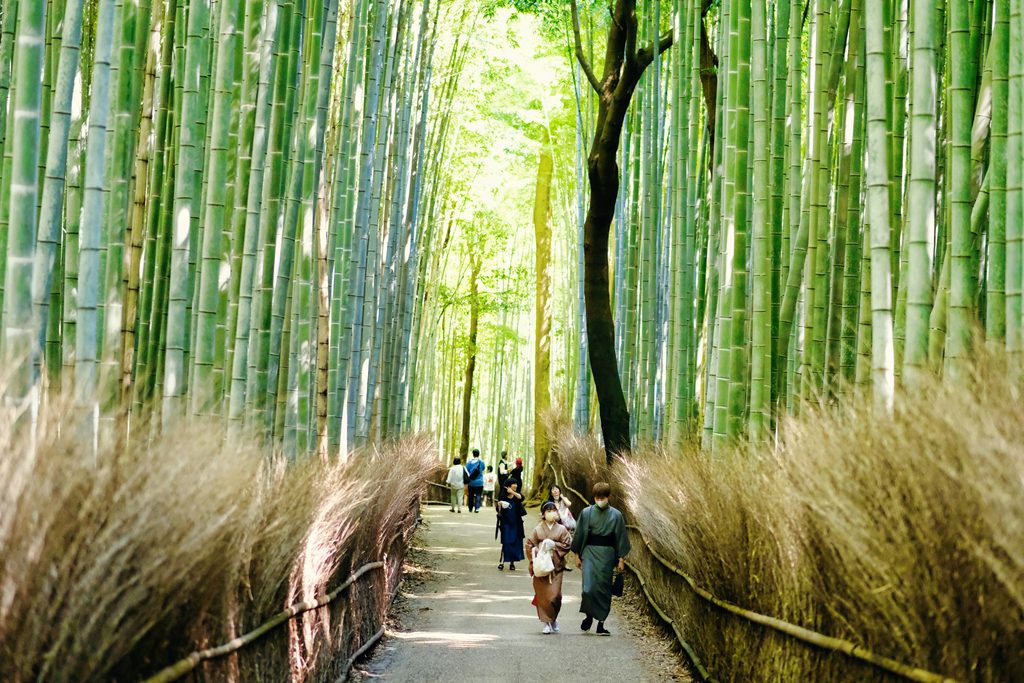
Located on Kyoto’s western outskirts, the Arashiyama Bamboo Grove is a several-hundred-meter path lined with towering bamboo stalks that filter light into a soft green glow. The area was even selected by Japan’s Ministry of Environment as one of the country’s “100 Soundscapes” for the distinctive rustle of wind through the bamboo. Beyond the grove itself, Arashiyama offers the Togetsukyo Bridge, the historic Tenryu-ji Temple (a UNESCO World Heritage Site with an excellent traditional garden), and a small monkey park with panoramic city views. Early morning is by far the best time to visit the grove itself, as it becomes extremely crowded with tour groups by mid-morning.
3. Nijo Castle
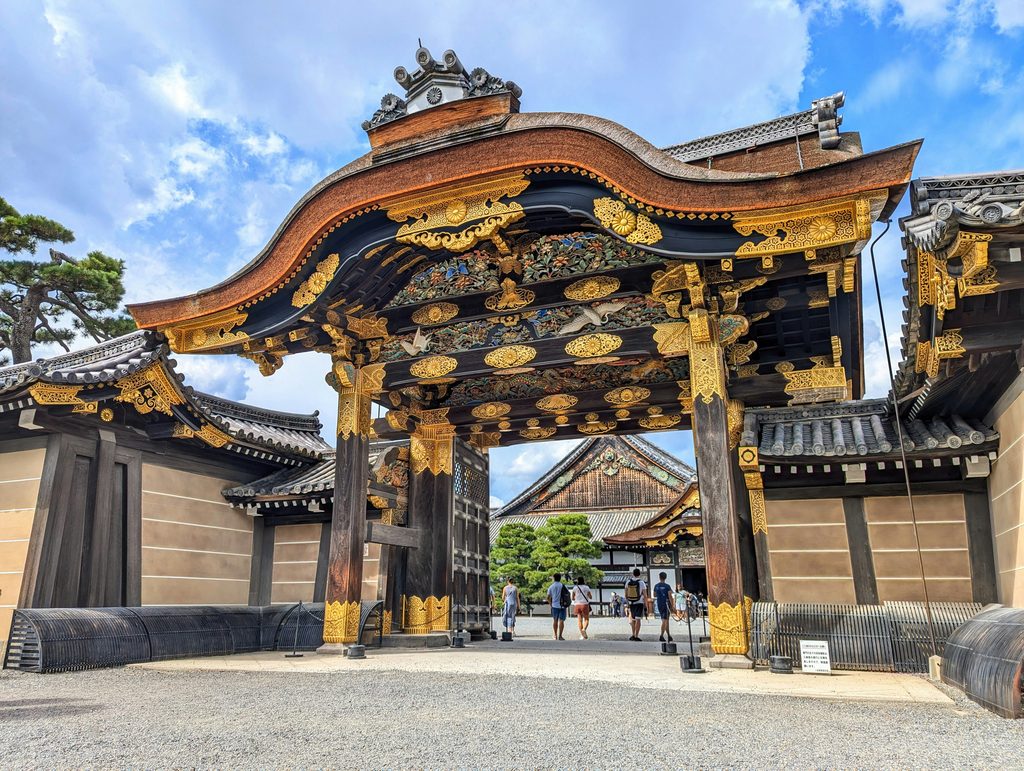
Built in 1603 as the Kyoto residence of the Tokugawa shogunate, Nijo Castle is a UNESCO World Heritage Site notable for its Ninomaru Palace, which retains original 17th-century wall paintings and sliding doors. The palace’s wooden floors are famously designed to “sing” like nightingales when walked on — a security measure meant to alert guards to intruders. The surrounding grounds include a traditional Japanese garden with a large pond, plus cherry and plum orchards that bloom in spring. The castle holds particular historical significance as the site where the last shogun announced the return of power to the emperor in 1867, marking the end of over 250 years of shogunate rule.
Where to Stay Near Kyoto’s Historic Districts
 Where to stay: Gion & Arashiyama
Hotel links in this section go to Booking.com. If you book through them, we may earn a commission at no extra cost to you.
Central Kyoto, near Kawaramachi or Gion itself, offers convenient access to all three districts by bus, train, or taxi.
Luxury
The Ritz-Carlton Kyoto and Suiran, a Luxury Collection Hotel, both offer riverside or Arashiyama-adjacent settings with traditional design elements.
Riverside luxury on the Kamogawa, with views toward the Higashiyama hills.
Suiran, a Luxury Collection Hotel
Riverside retreat steps from Togetsukyo Bridge and the Arashiyama area.
Mid-Range
Hotels near Gion or Kawaramachi, such as Hotel Okura Kyoto, provide central access to Gion’s streets and easy transit to Arashiyama and Nijo Castle.
Classic central hotel near Kyoto City Hall, a walk from Pontocho and Gion.
Budget-Friendly
Guesthouses and business hotels near Kyoto Station offer affordable lodging with direct bus routes to all three districts.
Compare prices before you book
Hotels in Gion on Booking.com
Staying near Gion lets you walk its lanes early in the morning or after dark, when the day crowds are gone.
Affiliate link — if you book through Booking.com, we may earn a commission at no extra cost to you.
Quick Tips for Visiting
- Visit Arashiyama Bamboo Grove before 8:30am to experience it without heavy crowds.
- Respect posted photography restrictions in Gion’s private alleyways, which are enforced with fines in some areas.
- Nijo Castle’s Ninomaru Palace interior does not allow photography, though the gardens and exterior do.
- These three sites are spread across different parts of Kyoto — plan for a full day using buses or a day-pass rail ticket.
Getting there by train: Read our guide to riding trains in Japan, learn how to ride the Shinkansen, and check whether the JR Pass is worth it for your itinerary.
Frequently Asked Questions
Can I take photos of geisha in Gion?
Photography is allowed on public streets, but some private alleyways now restrict tourist photography to protect working geiko and maiko — look for posted signage.
Is the Arashiyama Bamboo Grove free to visit?
Yes, walking through the main bamboo path is free; nearby attractions like Tenryu-ji Temple and the monkey park charge separate admission.
How long does a Nijo Castle visit take?
Plan for about 1.5 to 2 hours to see the Ninomaru Palace interior and walk the surrounding gardens at a relaxed pace.