The Railway Museum, the G-Cans underground flood channel and Kadokawa Culture Museum are three of the most unusual things to see in Saitama, and all of them are easy half-day trips from central Tokyo. One celebrates Japan’s trains, one takes you deep underground into a cathedral-like concrete tank built to protect Tokyo from floods, and one is a striking stone building filled with books, art and anime culture. This guide explains what to expect at each, how to book, and where to stay in Omiya, Saitama’s biggest rail hub.
1. The Railway Museum (Omiya)
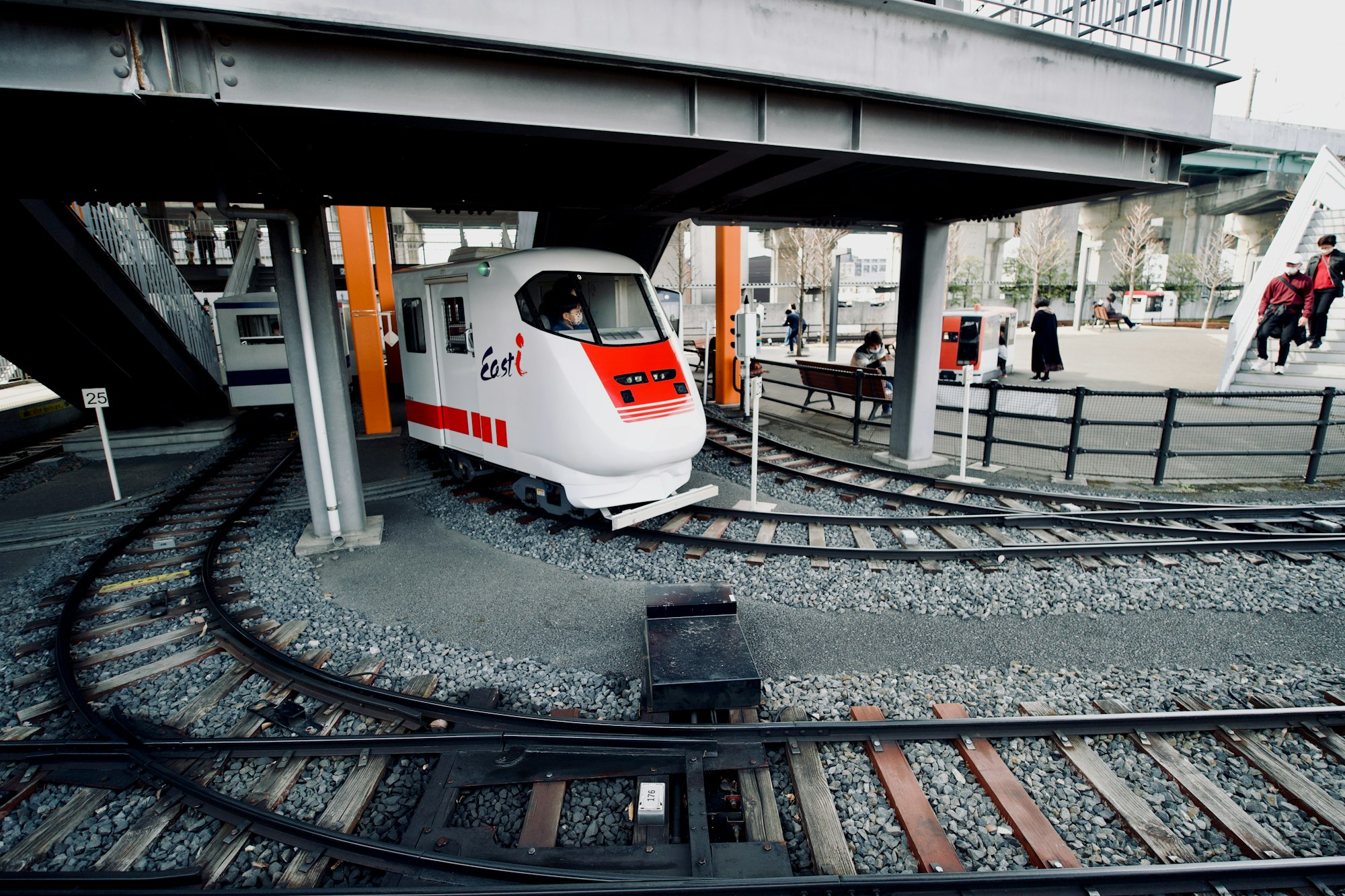
The Railway Museum, run by JR East, is Japan’s biggest train museum and a favorite for families and rail fans alike. Its huge main hall displays dozens of real locomotives and cars, from early steam engines to past Shinkansen models, many of which you can step inside, and a C57 steam locomotive is among the highlights. Driving simulators and a mini train ride are popular, but they are allocated by lottery through the museum’s app, so enter early in your visit. The museum is open from 10:00 to 17:00 (last entry 16:30) and closed on Tuesdays and over New Year. Advance tickets are recommended; in 2026 they cost about 1,500 yen for adults, with same-day tickets around 1,600 yen sold from machines at the entrance when advance tickets remain. To get there, ride the New Shuttle from Omiya Station two minutes to Tetsudo-Hakubutsukan Station, which is right next to the entrance.
2. G-Cans: Metropolitan Area Outer Underground Discharge Channel
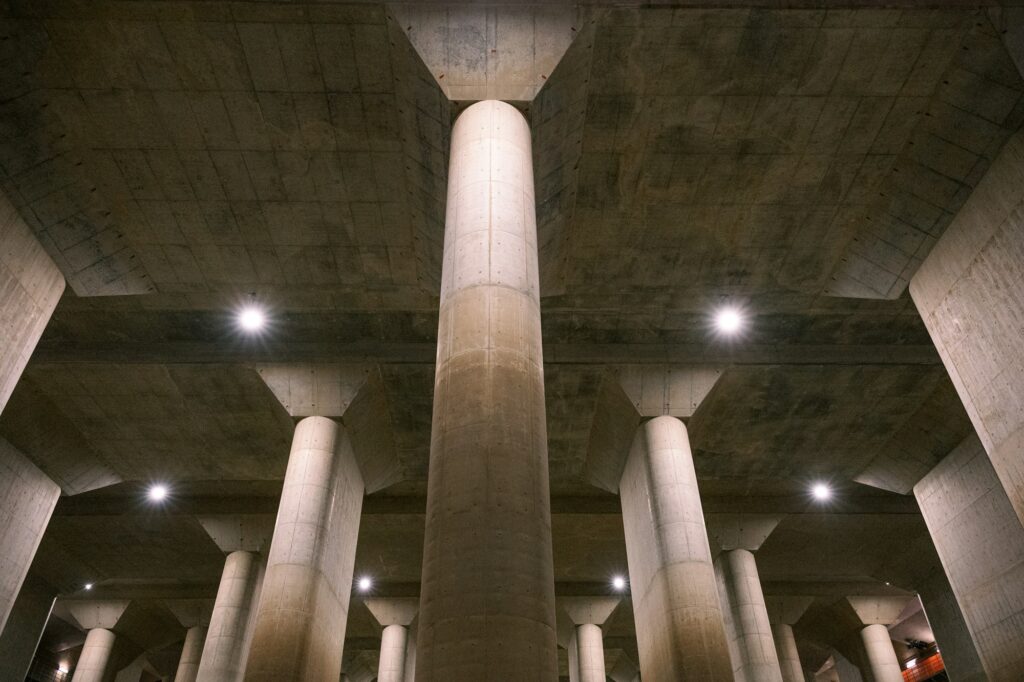
In Kasukabe, about an hour from central Tokyo, lies one of the most surprising sights in Japan: a giant underground flood-control system nicknamed the “Underground Temple.” Its pressure-adjusting tank is a vast concrete hall supported by 59 massive pillars, built to hold back floodwater and pump it into the Edo River. The standard Underground Temple course costs 1,200 yen and lasts about 55 minutes, and longer courses go deeper into the shafts and pump rooms. Tours must be booked online in advance; bookings open one month ahead at midnight Japan time and popular dates fill quickly. Tours are guided in Japanese only, and children below elementary school age are not allowed. Tours can be cancelled in sudden bad weather, since the system may need to operate. The facility is about a 25- to 30-minute walk from Minami-Sakurai Station on the Tobu Urban Park Line, or about seven minutes by taxi.
3. Kadokawa Culture Museum (Tokorozawa)
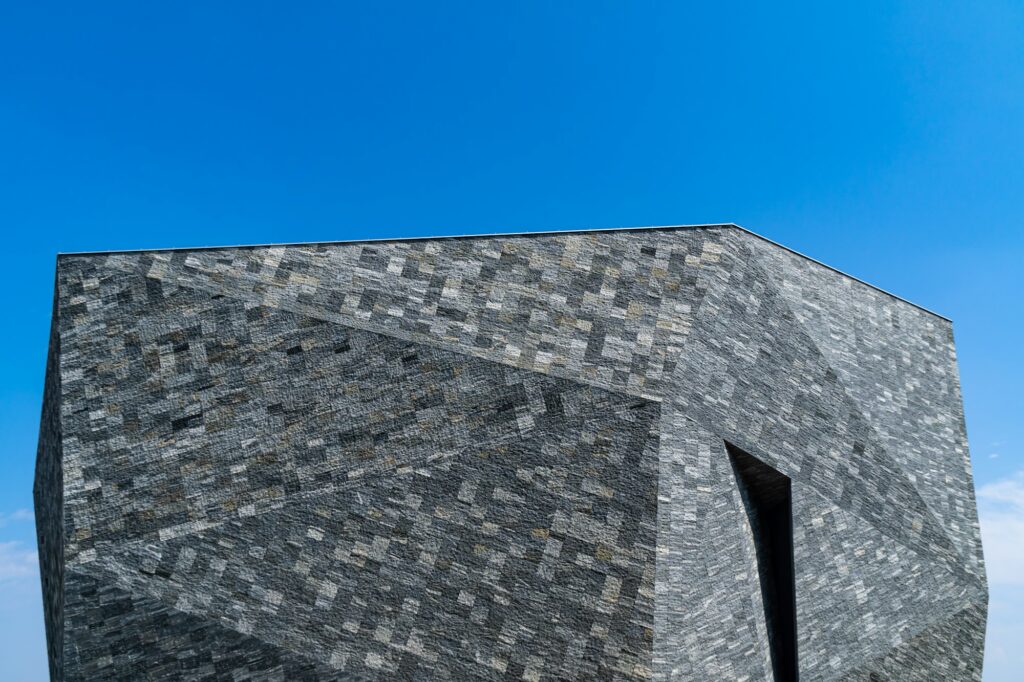
Kadokawa Culture Museum is the centerpiece of Tokorozawa Sakura Town, a culture complex created by the publisher Kadokawa. The building, designed by Kengo Kuma, looks like a giant block of rock, and inside it holds a library, art gallery and museum in one. The highlight is the Bookshelf Theater, where shelves about eight meters tall hold more than 20,000 books and come alive with projection-mapping shows. The museum is open from 10:00 to 18:00 (last entry 17:30) and closed on Tuesdays. The standard ticket, which includes the Bookshelf Theater, costs 1,400 yen for adults; the museum has announced ticket changes from December 2, 2026, so check the official site before you go. Next door, the modern Musashino Reiwa Shrine has a ceiling painting by Yoshitaka Amano, the artist known for Final Fantasy. It is about a 10-minute walk from Higashi-Tokorozawa Station on the JR Musashino Line.
Where to Stay Near Omiya
 Where to stay: Omiya
Hotel links in this section go to Booking.com. If you book through them, we may earn a commission at no extra cost to you.
Omiya Station is Saitama’s main transport hub, with Shinkansen lines to northern Japan, quick trains to Tokyo Station and the New Shuttle to The Railway Museum. Hotels cluster on both sides of the station and around nearby Saitama-Shintoshin, which has a big arena and shopping mall.
Luxury
Palace Hotel Omiya is a long-established full-service hotel close to Omiya Station, with spacious rooms and several restaurants.
Full-service hotel close to Omiya Station.
Mid-Range
Daiwa Roynet Hotel Omiya-nishiguchi is a modern, highly rated hotel on the west side of the station, a short walk from the New Shuttle.
Daiwa Roynet Hotel Omiya-nishiguchi
Modern, well-reviewed hotel near the New Shuttle.
Budget-Friendly
Toyoko Inn Omiya-eki Higashi-guchi is a simple, reliable chain hotel by the east exit with breakfast included in many plans.
Toyoko Inn Omiya-eki Higashi-guchi
Reliable budget chain hotel by the station.
Compare prices before you book
Hotels in Saitama City on Booking.com
Compare hotels around Omiya and Saitama-Shintoshin.
Check Saitama City hotel prices →
Affiliate link — if you book through Booking.com, we may earn a commission at no extra cost to you.
Quick Tips for Visiting
- The Railway Museum and Kadokawa Culture Museum are both closed on Tuesdays, so plan around it.
- Book G-Cans tours exactly one month ahead; same-day bookings are not accepted, and tours are in Japanese only.
- Omiya is also home to Musashi Ichinomiya Hikawa Shrine, with a tree-lined approach about 2 kilometers long, a pleasant walk from the station.
- Bonsai fans can visit the Omiya Bonsai Art Museum (310 yen, closed Thursdays) and the nearby Bonsai Village.
- Use an IC card such as Suica for local trains and the New Shuttle to save time.
Getting there by train: From Tokyo Station, Omiya is about 25 minutes by Shinkansen or about 30 minutes on the JR Ueno-Tokyo Line, and JR lines from Shinjuku take about 30 minutes. For G-Cans, take the Tobu Urban Park Line from Omiya to Minami-Sakurai. For Kadokawa Culture Museum, take the JR Musashino Line to Higashi-Tokorozawa. Read our guide to riding trains in Japan, learn how to ride the Shinkansen, and check whether the JR Pass is worth it for your route.
Frequently Asked Questions
Do I need tickets in advance for The Railway Museum?
Advance tickets are recommended. Same-day tickets are sold at the entrance machines only when advance tickets remain.
Can tourists visit G-Cans?
Yes. Anyone can join a guided tour by booking online up to one month in advance, but tours are in Japanese only and young children are not admitted.
How long should I spend at Kadokawa Culture Museum?
Plan on two to three hours to see the Bookshelf Theater, the galleries and the nearby Musashino Reiwa Shrine.
Is Omiya a good base near Tokyo?
Yes. It has fast Shinkansen and JR connections to Tokyo and northern Japan, and hotels are often cheaper than in central Tokyo.