Disclosure: The First Pick takes part in affiliate programs. If you buy through a link on this page, we may earn a commission at no extra cost to you. Prices, promotions and availability change, so always confirm details on the seller’s page. See our Affiliate Disclosure.
A Japan plug adapter is only sometimes needed: Japan uses Type A and Type B outlets at 100 volts, so most modern phone and laptop chargers work fine and US two-prong plugs fit directly. Three-prong plugs need an adapter, and devices that only support 110 to 120V, especially heating appliances such as hair dryers, may run poorly. Always check the label on your device for the input range, and pack a compact adapter as a backup.
Plug types in Japan
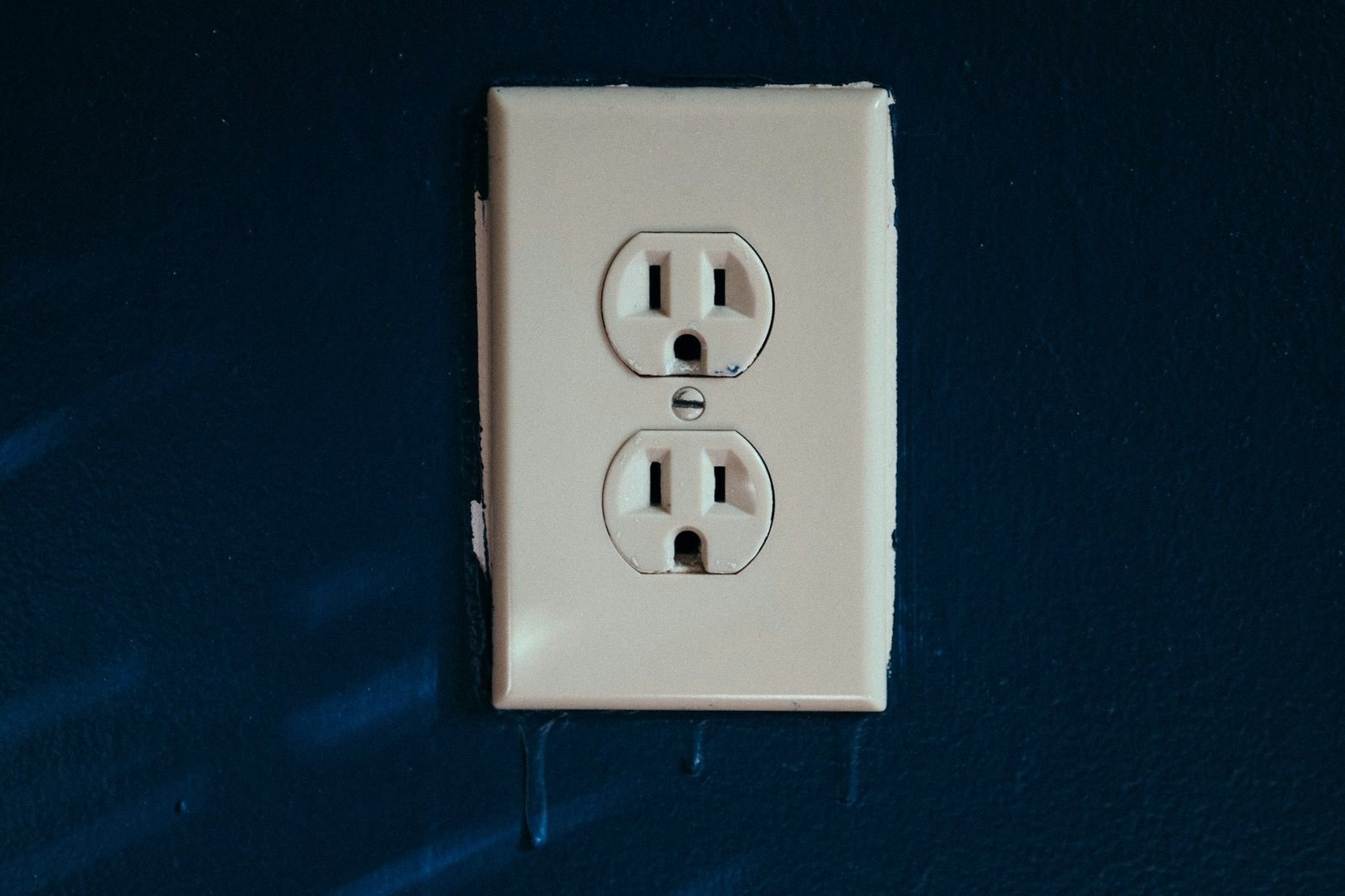
Japan’s standard outlet is Type A, with two flat parallel pins, the same shape used in the United States. Some outlets are Type B, with a third round grounding pin, but many older outlets and hotel outlets are two-hole. If your plug has three prongs, you will need a grounding adapter that converts it to two pins.
Voltage and frequency
| Japan | United States | |
|---|---|---|
| Voltage | 100 V | 120 V |
| Frequency | 50 Hz in eastern Japan (including Tokyo), 60 Hz in western Japan (including Osaka and Kyoto) | 60 Hz |
| Common plugs | Type A, some Type B | Type A and B |
The difference between 100V and 120V is small, so many devices work normally. Problems occur mostly with devices that draw a lot of power and depend on precise voltage, such as hair dryers and curling irons, and with some motors and clocks that depend on frequency.
Look for the label: 100-240V
Check the small print on your charger or device. If it says INPUT: 100-240V (often with 50/60Hz), it is dual-voltage and works in Japan with a simple plug adapter if needed. This is true for most phone, tablet, laptop, camera and power bank chargers. If the label says only 110-120V, do not plug it in without a voltage converter, or leave it home.
Adapter or converter?
- Adapter: changes the plug shape only. It is all you need for dual-voltage electronics.
- Converter or transformer: changes voltage. It is only needed for single-voltage devices, and it is usually easier to leave those at home.
What to pack
- One compact adapter that converts a three-prong plug to two pins, and a second one if you charge several devices at once.
- A multi-port USB charger with clear power ratings, so you can charge a phone, earbuds and a tablet from one outlet.
- A short power strip only if it lists a rating suitable for 100V, and use it carefully.
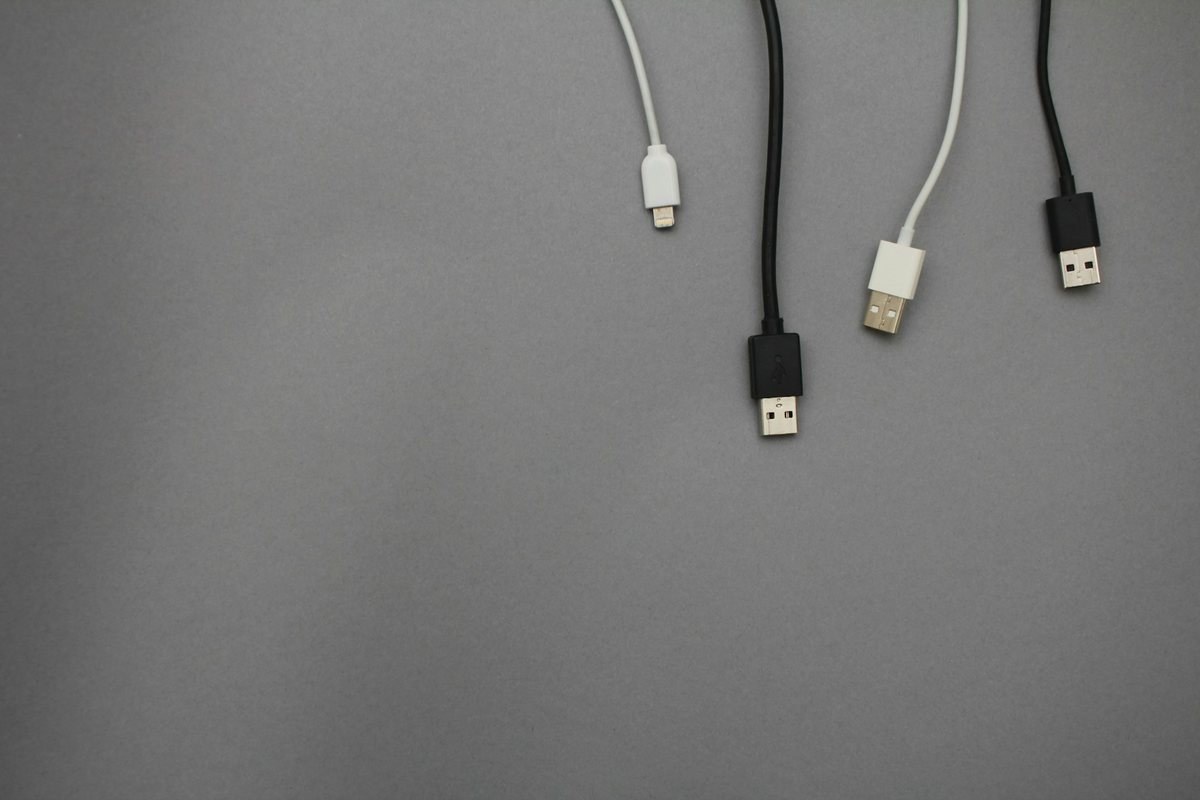
- Extra USB-C and Lightning cables.
Buying adapters and chargers online
Adapters and chargers are inexpensive and widely available on marketplaces including Temu, but electrical products call for more care than a tote bag or packing cube. Before ordering:
- Look for a listing that states the input and output ratings clearly, such as voltage, wattage and amperage.
- Look for recognized safety information or certifications, and be cautious if claims cannot be verified.
- Read recent reviews for overheating, loose fit and broken pins.
- Prefer simple, well-reviewed designs over gimmicky ones.
- Order early so you can test everything at home.
Hotels and public charging
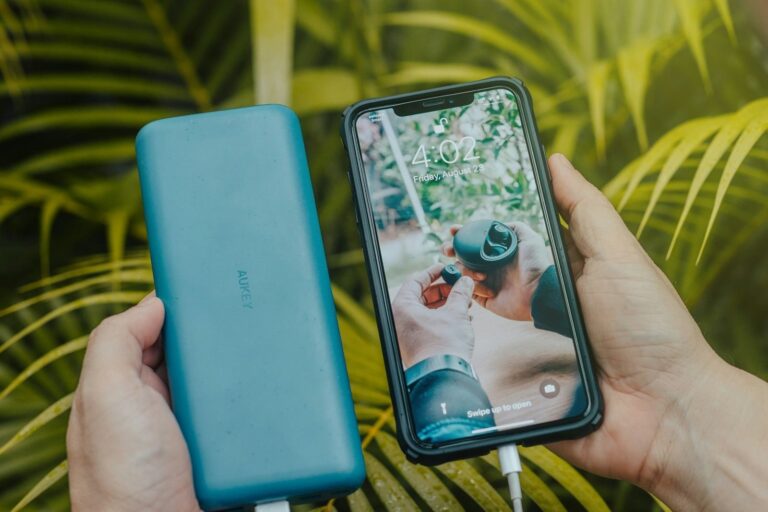
Many hotels have outlets near the bed and desk, and many also have USB ports. Cafes and trains sometimes provide outlets, but they are not guaranteed, so a portable charger is a useful backup. See our guide to portable chargers for what to check, especially airline rules.
Once your power setup is sorted, explore our Japan travel guides, including Modern Tokyo: Shibuya, Shinjuku & Akihabara and Osaka day trips and theme parks.
Temu Shortlist: Listings to Browse
These are example listings and category pages on Temu that match the items above. We have not tested them, and prices, ratings, sizes and availability change often, so read the current listing, recent reviews and the return policy before you buy.
| Listing type | What to check | Link |
|---|---|---|
| 65W chargers (browse) | Compare port counts and input ratings | View on Temu |
| Universal travel adapters (browse) | Mainly for other regions. Check that the input suits your plugs | View on Temu |
| USB-C fast chargers (65W) | Input voltage range printed on the label (100–240V), port count | View on Temu |
| Power strips with USB ports | Voltage rating, surge protection, cord length | View on Temu |
| Type A plug adapters | Fits 2-pin sockets, folding prongs, rated voltage | View on Temu |
Tip: sort by recent reviews, open the customer photos, and compare at least two or three listings before you order.
Frequently Asked Questions
Do I need a plug adapter for Japan?
If your devices have US two-prong plugs, they fit Japanese outlets directly. If they have three prongs, you need a grounding adapter that converts them to two pins.
Is Japan’s voltage the same as the US?
No. Japan uses 100V while the US uses 120V. Most phone and laptop chargers accept 100-240V and work fine, but check the label on each device.
Can I use my hair dryer in Japan?
US hair dryers rated only for 120V often run weakly on 100V. Most hotels provide a hair dryer, so it is usually easier to leave yours at home.
Why does Japan have two different frequencies?
Eastern Japan, including Tokyo, uses 50 Hz and western Japan, including Osaka and Kyoto, uses 60 Hz. It rarely matters for phone and laptop chargers, but it can affect some motors and clocks.