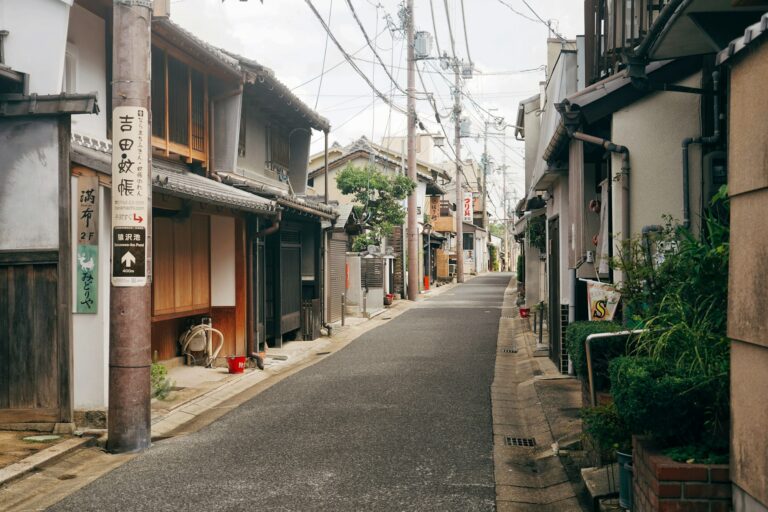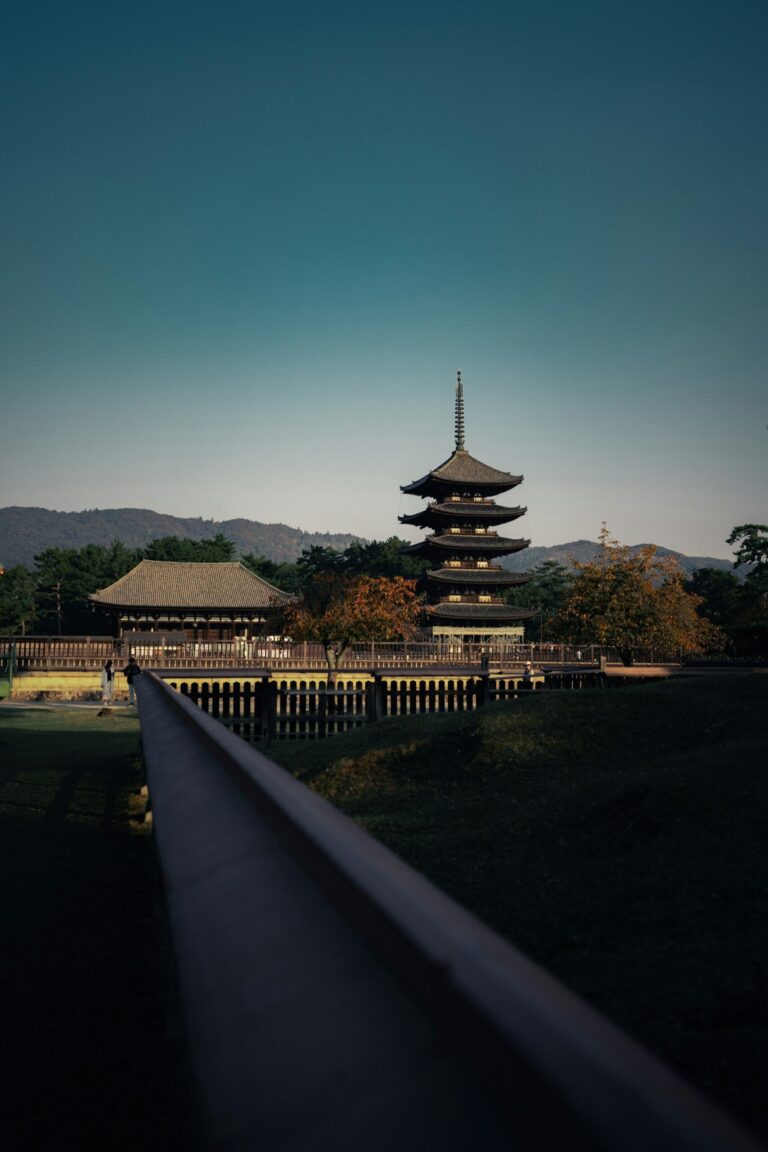
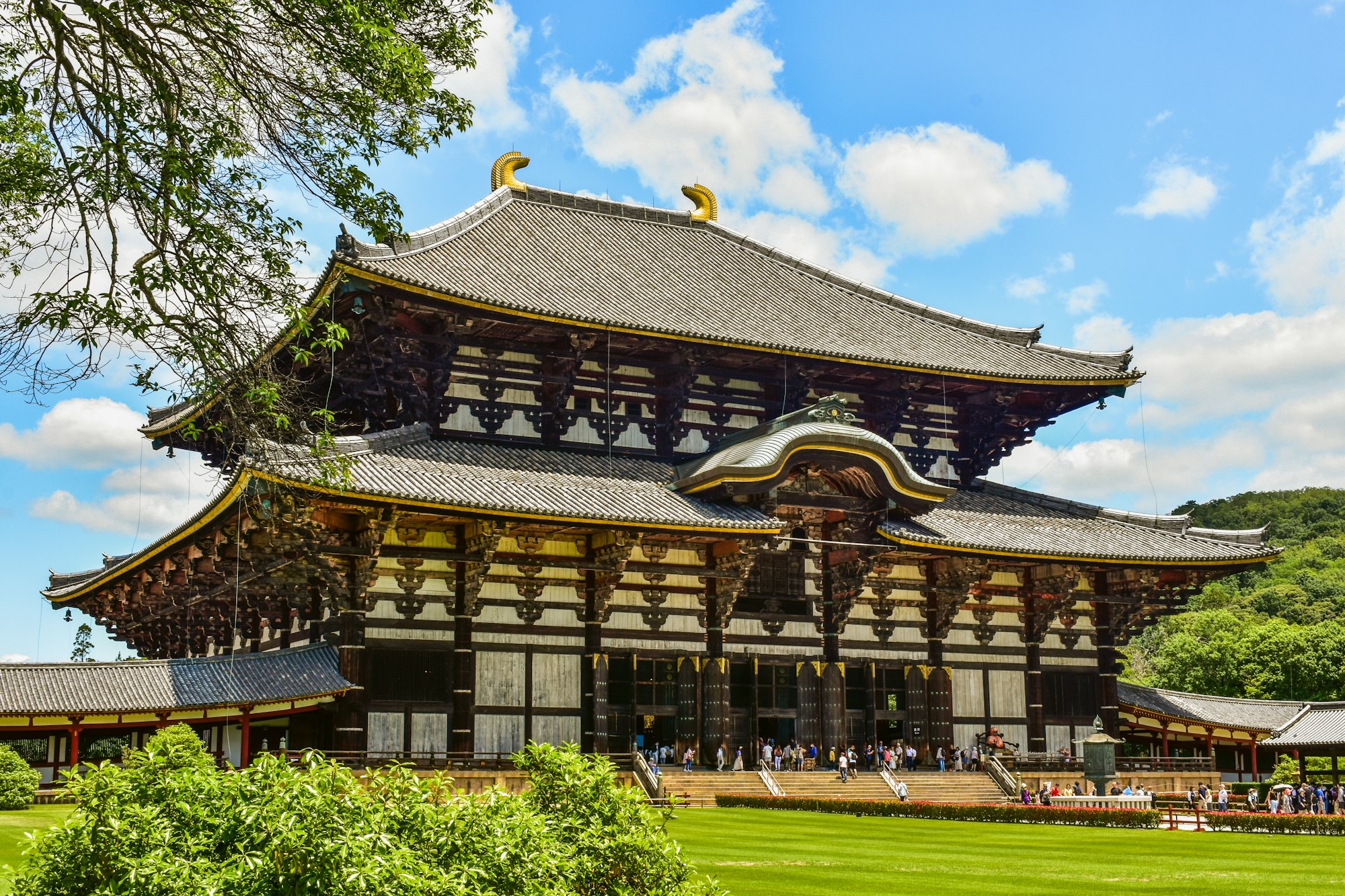
A Nara day trip is the easiest way to see where Japanese Buddhism and imperial culture first took root. Nara was Japan’s capital in the 8th century, and today its historic core is a single walkable park, less than an hour by train from Kyoto or Osaka. This guide covers the three sights almost every first-time visitor should see: the colossal Great Buddha at Todai-ji, the free-roaming deer of Nara Park, and Kasuga Taisha, a forest shrine lined with thousands of lanterns. All three are UNESCO-listed parts of the Historic Monuments of Ancient Nara and sit within walking distance of each other.
1. Todai-ji Temple and the Great Buddha
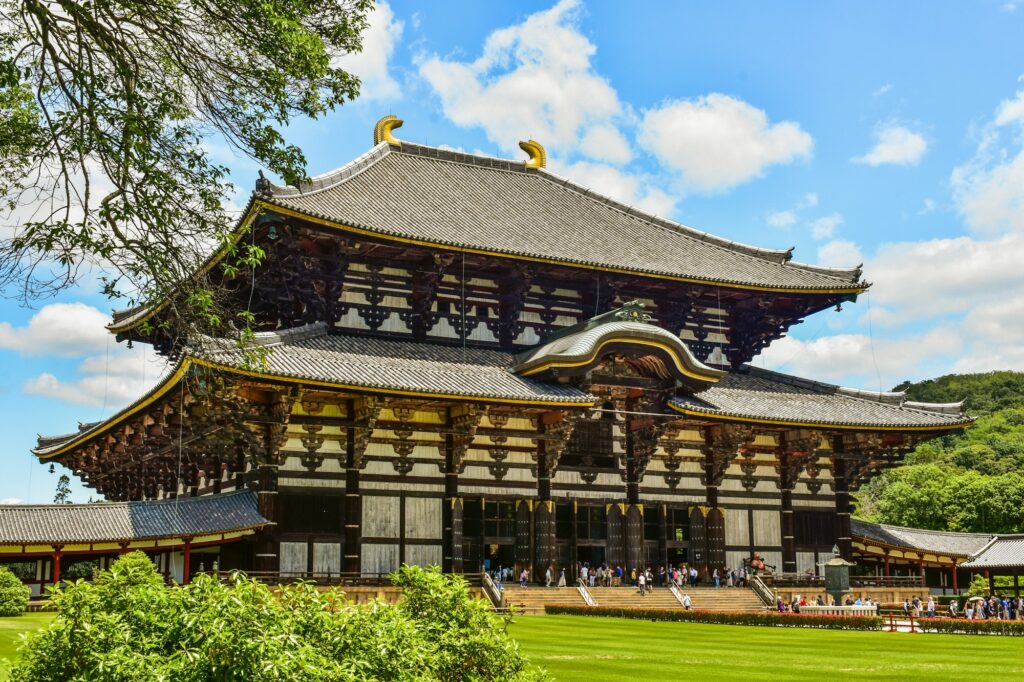
Todai-ji is the reason most people come to Nara. The temple was built as the head of a nationwide network of provincial temples, and its Great Buddha was dedicated in 752. Inside the Daibutsuden (Great Buddha Hall), a bronze Vairocana Buddha roughly 15 meters tall fills the space so completely that photos rarely do it justice. You enter through Nandaimon, a towering wooden gate guarded by two fierce temple guardian statues. Behind the Buddha, look for a wooden pillar with a hole said to be the size of the statue’s nostril; squeezing through is believed to bring enlightenment, and kids do it with ease. Admission to the Great Buddha Hall is 800 yen for adults. The hall opens at 7:30 a.m. from April to October and 8:00 a.m. from November to March, and arriving at opening time is the best way to beat the tour buses. An English audio guide is available for 500 yen.
2. Nara Park and Its Famous Deer
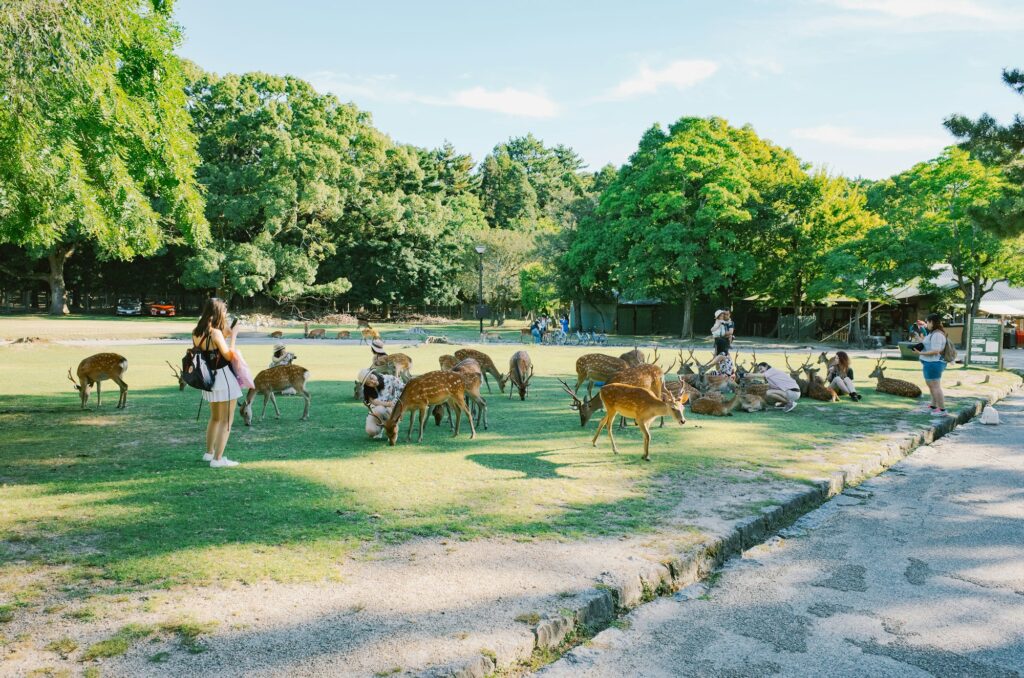
Nara Park is a wide, free-to-enter expanse of lawns and woodland that links Todai-ji, Kasuga Taisha and Kofuku-ji, and it is home to the city’s famous sika deer. In the July 2026 survey by the Nara Deer Preservation Foundation, a record 1,687 deer were counted. They are regarded as sacred messengers of the gods and roam freely, and many have learned to “bow” when visitors hold out shika senbei, the special deer crackers sold by vendors around the park. Feeding the deer anything other than these crackers is not allowed. The deer are wild animals, so hold crackers out briefly rather than teasing them, keep paper maps and snacks out of sight (they will eat paper), and give males extra space in autumn, the rutting season. The quietest, most photogenic spots are usually away from the main road, on the lawns between Todai-ji and the Kasuga forest.
3. Kasuga Taisha Shrine
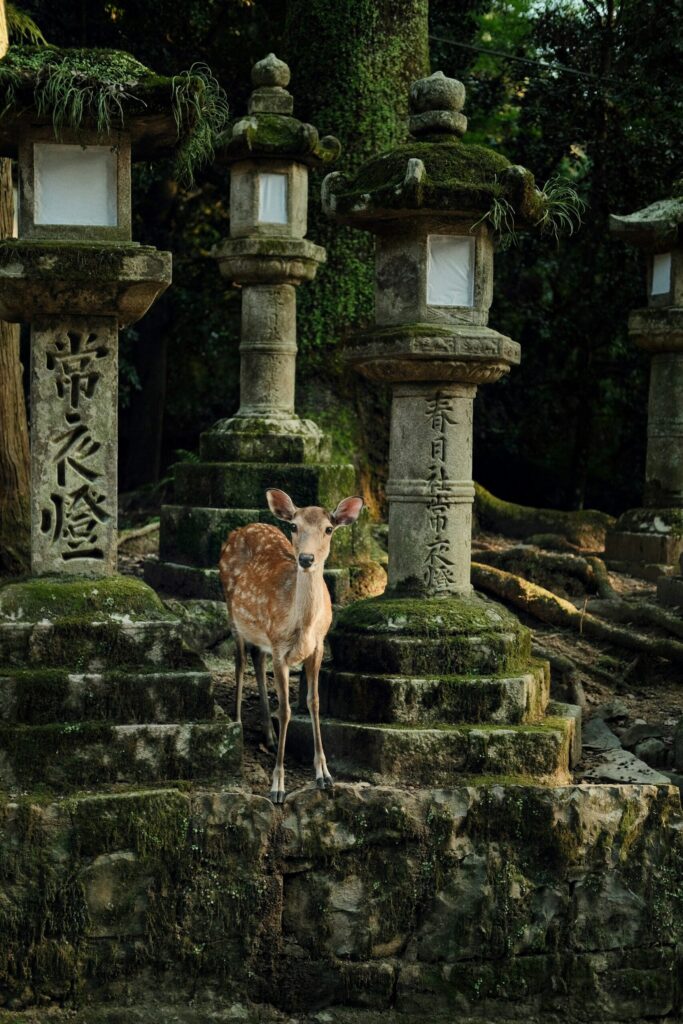
Kasuga Taisha was founded in 768 by the powerful Fujiwara clan, and legend says its principal deity arrived riding a white deer, which is why the animals are considered sacred. The approach winds through a primeval forest lined with moss-covered stone lanterns, and the vermilion inner shrine is hung with bronze lanterns donated over the centuries; there are about 3,000 lanterns in all. The grounds are free to walk, while the special worship area at the main hall costs 700 yen for adults. Twice a year, during Setsubun in early February and the Chugen Mantoro festival on August 14 and 15, all the lanterns are lit at night. Kasuga Taisha opens at 6:30 a.m. from March to October (7:00 a.m. in winter), so it works well as an early-morning walk before Todai-ji gets busy. Expect about 20 to 30 minutes on foot from the Todai-ji area, or take a bus to the Kasuga Taisha Honden stop.
Where to Stay Near Nara Park
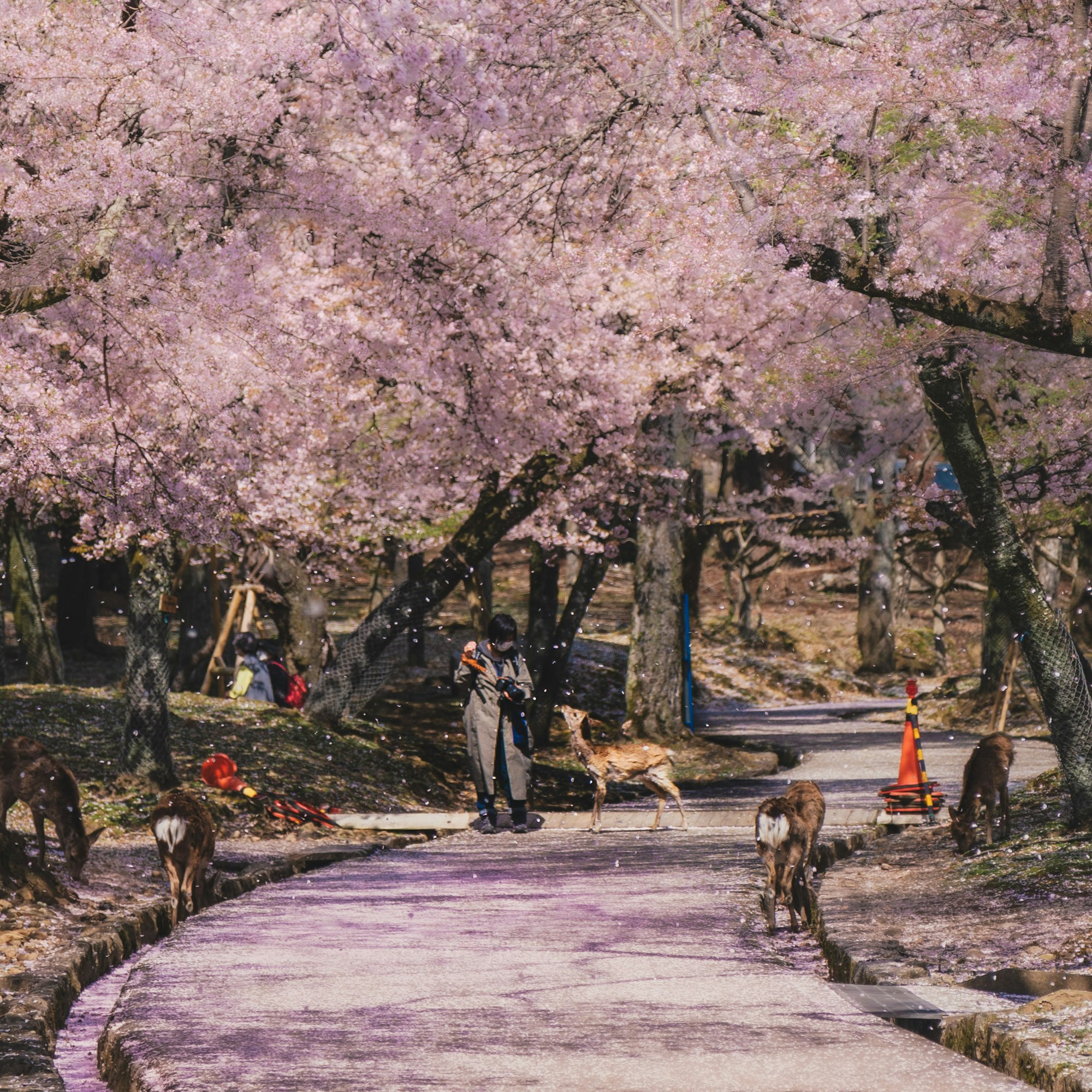 Where to stay: Nara Park & Kintetsu Nara
Hotel links in this section go to Booking.com. If you book through them, we may earn a commission at no extra cost to you.
Most travelers see Nara as a day trip from Kyoto or Osaka, but staying overnight lets you walk Nara Park at dawn, when the deer are calm and the temples are nearly empty. The best bases are the hotels on the edge of Nara Park or near Kintetsu-Nara Station, which is the closest station to the park.
Luxury
Nara Hotel is the classic choice: a historic hotel opened in 1909 on a hill at the edge of Nara Park, with old-world Japanese-Western architecture and an easy walk to the temples. For a contemporary stay, Shisui, A Luxury Collection Hotel, Nara sits beside the park, within walking distance of Todai-ji.
Historic hotel on the edge of Nara Park, steps from the temples.
Shisui, A Luxury Collection Hotel, Nara
Modern luxury hotel beside the park, near Todai-ji.
Mid-Range
Hotel Nikko Nara is connected to JR Nara Station, which makes it ideal if you are using the JR Pass or arriving with luggage. Nara Park is about a 15 to 20 minute walk, or a short bus ride.
Full-service hotel right at JR Nara Station.
Budget-Friendly
Toyoko Inn Kintetsu Nara Ekimae is a simple, reliable business hotel by Kintetsu-Nara Station, so you can walk to the deer and Kofuku-ji in minutes.
Toyoko Inn Kintetsu Nara Ekimae
Value business hotel a short walk from Nara Park.
Compare prices before you book
Hotels in Nara on Booking.com
Spend the night in Nara and you can visit Todai-ji and the deer park before the day-trip crowds arrive from Kyoto and Osaka.
Affiliate link — if you book through Booking.com, we may earn a commission at no extra cost to you.
Quick Tips for Visiting
- Start early: go to Kasuga Taisha or Todai-ji at opening time, then walk through Nara Park as it fills up.
- Buy deer crackers only when you are ready to feed them, and hold them up briefly; deer can nudge or nip if you tease them.
- Arrive by Kintetsu if you can: Kintetsu-Nara Station is only a few minutes on foot from the park, while JR Nara Station is about 15 to 20 minutes away.
- Wear comfortable shoes; the walk from Kofuku-ji to Todai-ji and Kasuga Taisha covers a few kilometers of gravel paths and gentle slopes.
- Carry some cash for small temple fees, deer crackers and snack stalls.
Getting there by train: Nara is about 35 to 45 minutes from Kyoto by Kintetsu limited express or the JR Nara Line, and about 40 to 50 minutes from Osaka. The JR line is covered by the JR Pass, while Kintetsu trains are not. Read our guide to riding trains in Japan, check whether the JR Pass is worth it for your itinerary, and if you are coming from Tokyo, see how to ride the Shinkansen to Kyoto first.
Frequently Asked Questions
Is Nara worth a day trip from Kyoto or Osaka?
Yes. Todai-ji, Nara Park and Kasuga Taisha are all within walking distance of each other, and the city is under an hour from both Kyoto and Osaka by train, so you can see the highlights comfortably in one day.
How much does it cost to enter Todai-ji?
Admission to the Great Buddha Hall at Todai-ji is 800 yen for adults. Other halls and the Todai-ji Museum charge separately, and a combined ticket for the Great Buddha Hall and the museum is available.
Are the deer in Nara Park safe?
The deer are generally used to people, but they are wild animals. Feed them only the official deer crackers, do not tease them, keep paper and food out of sight, and be extra careful around males in autumn.
Is Kasuga Taisha free to visit?
Yes, the shrine grounds and lantern-lined approach are free. The special worship area at the main hall costs 700 yen for adults, and the treasure house charges a separate fee.