Last checked: October 2026 · Part of our Japan Travel Insurance & Health series
Japan is one of the safest countries you can visit, but safe is not the same as risk-free. Travelers slip on icy sidewalks in Hokkaido, overheat on a humid summer day in Kyoto, twist an ankle on a temple staircase, or watch a typhoon cancel their flight home. When that happens, Japan’s excellent healthcare comes with a catch for visitors: you are not covered by Japan’s public health insurance, so the full bill is yours. This guide explains whether you need travel insurance for Japan, what your US coverage may or may not include, and what to check before you buy any policy.
Disclosure: The First Pick takes part in affiliate programs, including World Nomads through CJ Affiliate. We may earn a fee when you get a travel insurance quote through a link on this page, at no extra cost to you. We are not an insurance company or a licensed insurance agent, and nothing on this page is insurance advice or a recommendation to buy a particular policy. Coverage, limits and exclusions vary by policy and by your state of residence, so always read the policy wording before you buy. See our Affiliate Disclosure.
- Required to enter Japan? No. As of October 2026, US tourists do not need travel insurance to enter Japan, although the government is discussing a future requirement.
- Who pays the hospital? You do. Visitors are not covered by Japan’s national health insurance, so you pay 100% of the bill, usually before you leave.
- Your US coverage: Original Medicare generally does not pay for care outside the US, and many private plans cover little abroad. Check before you fly.
- Most useful cover for Japan: emergency medical, medical evacuation, trip delay and cancellation (typhoons, snowstorms) and lost or stolen belongings.
- Skiing, diving or driving? Confirm that your activity and rental car damage are actually covered.
Is travel insurance required to visit Japan?
No. US citizens can visit Japan visa-free for short tourist stays, and there is currently no rule that you must show travel insurance at the airport. That may change. In late 2025, Japanese media reported that the government was considering requiring foreign visitors to hold private health insurance, tied to JESTA, the electronic travel authorization system Japan plans to launch around fiscal 2028. The government has also been tightening re-entry checks for foreign nationals who leave unpaid medical bills behind. None of this is in force for tourists today, but it shows how seriously Japan takes unpaid hospital bills from visitors.
What happens if you need a doctor in Japan
Medical care in Japan is high quality, and clinics are easy to find in every city. Japanese residents usually pay about 30% of the cost because they are enrolled in the public health insurance system. Tourists are not, so you are billed the full amount, and hospitals set their own prices for uninsured patients. A quick clinic visit for a cold is usually affordable. A hospital stay, surgery or an emergency flight home is where costs climb fast.
Pay first, claim later
Most clinics and hospitals expect payment at the end of each visit, and larger hospitals may ask for a deposit before admission. Keep every receipt for your claim.
Carry a card and some cash
Big hospitals usually take credit cards, but some small clinics and pharmacies still prefer cash.
Ask for documents in English
Request an itemized receipt and a medical certificate. Hospitals often charge a fee for certificates, and some can only issue them in Japanese.
Clinic first for minor problems
Large hospitals can add an extra charge if you arrive without a referral. For a cold, a small cut or a sprain, a local clinic is usually faster.
We cover hospitals, clinics, pharmacies and useful Japanese phrases in detail in Getting Sick in Japan as a Tourist.
Get a quote before you fly
World Nomads offers simple and flexible travel insurance. Buy at home or while traveling and claim online from anywhere in the world.
Does your US health insurance work in Japan?
Check this first, because the answer varies a lot from plan to plan. Call your insurer or read your plan documents, and look specifically for emergency care abroad and medical evacuation.
| Coverage you may already have | What it usually means in Japan |
|---|---|
| Original Medicare | Generally does not pay for health care you receive outside the US. |
| Medigap or Medicare Advantage | Some plans include limited emergency coverage during foreign travel. Check your plan details and limits. |
| Employer or marketplace health plan | Anything from solid emergency coverage abroad to almost none. You often pay the Japanese hospital first and file a claim at home. |
| Credit card travel benefits | Often cover trip delay, baggage or rental car damage, but rarely medical care. Benefits usually apply only if you paid for the trip with that card. |
Japan-specific risks to plan for
| When | What can go wrong | What to check in a policy |
|---|---|---|
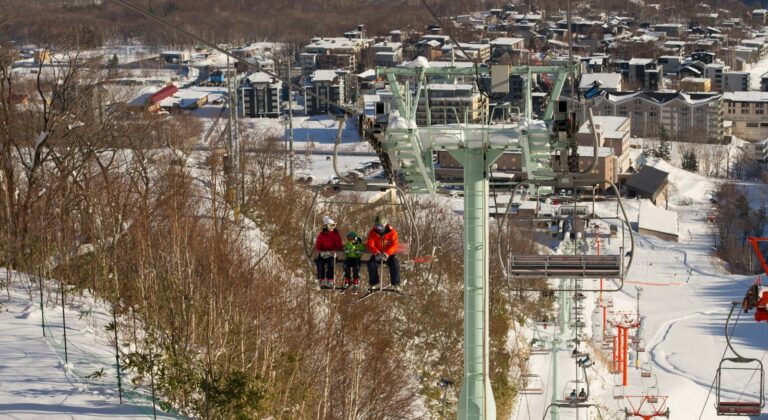
| Winter (Dec–Mar) | Ski and snowboard injuries in Niseko, Hakuba and other resorts; icy streets in Hokkaido and northern Japan; flights canceled by snowstorms | Winter sports cover (on-piste and off-piste), trip delay |
| Spring (Mar–May) | Cherry blossom and Golden Week crowds, expensive last-minute changes | Trip cancellation and interruption reasons |
| Summer (Jun–Sep) | Heat and humidity, heatstroke, the rainy season (June–July in much of Japan), Mt. Fuji hikes | Emergency medical, hiking altitude limits |
| Typhoon season (Jul–Oct) | Canceled flights, ferries and trains, especially around August and September | Trip delay and missed connection cover |
| Any time | Earthquakes, lost or stolen phones and cameras, rental car accidents (Japan drives on the left) | Baggage and electronics limits, rental car damage |
What travel insurance usually covers
Plans differ, but most travel insurance for an international trip is built from the same pieces. Each policy sets its own limits, deductibles and exclusions, so treat this as a map of what to look for, not a promise of what any one plan includes.
Emergency medical
Doctor, hospital and medicine costs for a sudden illness or injury during your trip.
Medical evacuation
Transport to a suitable hospital, or home to the US when medically necessary.
Cancellation and interruption
Prepaid, non-refundable costs if you have to cancel or cut the trip short for a covered reason.
Trip delay
Extra hotel nights and meals when a covered delay, such as severe weather, strands you.
Baggage and gear
Lost, stolen or delayed bags, with per-item limits for phones, cameras and laptops.
Sports and adventure
Skiing, snowboarding, scuba diving and hiking are covered by some plans and excluded by others.
Checklist: what to read in any policy
- Emergency medical limit and deductibleHow much the policy pays for hospital care, and what you pay first.
- Medical evacuation and repatriationWhether a medically necessary flight home is included, and the limit.
- Pre-existing conditionsMany policies exclude them or cover them only in specific situations.
- Your activitiesSkiing off-piste, scuba diving depth, hiking altitude, cycling. Check the activity list, not the marketing headline.
- Rental car damageIf you plan to drive, see whether rental car damage is covered and how it fits with the rental company’s own insurance.
- Delay and cancellation reasonsWeather, illness and airline problems are treated differently. Look for the covered reasons list.
- Electronics limitsPer-item caps on phones and cameras are often lower than people expect.
- Buying after you leaveSome providers sell or extend cover while you are already traveling; waiting periods may apply.
- How claims workOnline claims, the documents required, and a 24/7 assistance number you can call from Japan.
See what cover for your Japan trip costs
World Nomads offers simple and flexible travel insurance. Buy at home or while traveling and claim online from anywhere in the world.
If something happens in Japan: first steps
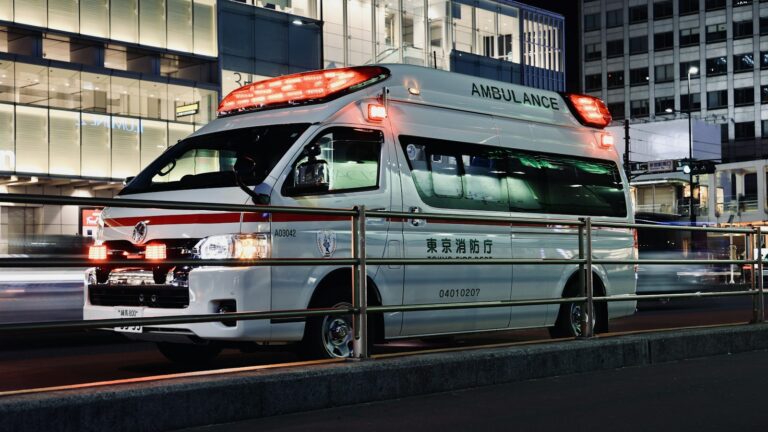
- Call 119 for an ambulance or fire, 110 for policeBoth are free from any phone. Say “kyūkyūsha” (ambulance) and your location.
- Call your insurer’s 24/7 assistance lineMost travel policies list an emergency number. They can help find an English-speaking hospital and arrange payment.
- Use the Japan Visitor Hotline if you need help in EnglishThe Japan National Tourism Organization runs a 24/7 hotline for visitors at 050-3816-2787.
- Keep every receipt and documentItemized bills, medical certificates and police reports are what claims are made of.

Planning your Japan dates? Check your cover now
World Nomads offers simple and flexible travel insurance. Buy at home or while traveling and claim online from anywhere in the world.
FAQ
Is travel insurance mandatory for Japan?
No. As of October 2026, Japan does not require US tourists to have travel insurance to enter the country. The government has discussed requiring private health insurance for visitors in the future, linked to its planned JESTA travel authorization system.
How much does it cost to see a doctor in Japan as a tourist?
It depends on the clinic or hospital. Tourists are not covered by Japanese public health insurance, so you pay the full uninsured price. A simple clinic visit is usually affordable, while hospital stays, surgery and medical evacuation can become very expensive.
Does Medicare cover me in Japan?
Original Medicare generally does not cover health care outside the US. Some Medigap and Medicare Advantage plans include limited emergency coverage during foreign travel, so check your plan.
Can I buy travel insurance after I have left the US?
Some providers sell policies to travelers who have already left home, though waiting periods and other conditions may apply. It is simplest to arrange cover before you fly.
Does travel insurance cover rental cars in Japan?
Some policies include rental car damage and others do not. Rental companies in Japan also charge their own insurance and a non-operation charge after an accident. See our Japan rental car guide.