Last checked: September 2026 · Part of our Japan rental car guide
Japan is one of the easiest countries in the world to drive in once you are out of the big cities. Roads are smooth, drivers are patient, gas stations are spotless, and rental cars come with English navigation. The catch: a few rules and paperwork steps are very different from the US, and one of them can stop you at the rental counter. This guide walks through everything in order, from the permit you need before you fly to returning the car with a full tank.
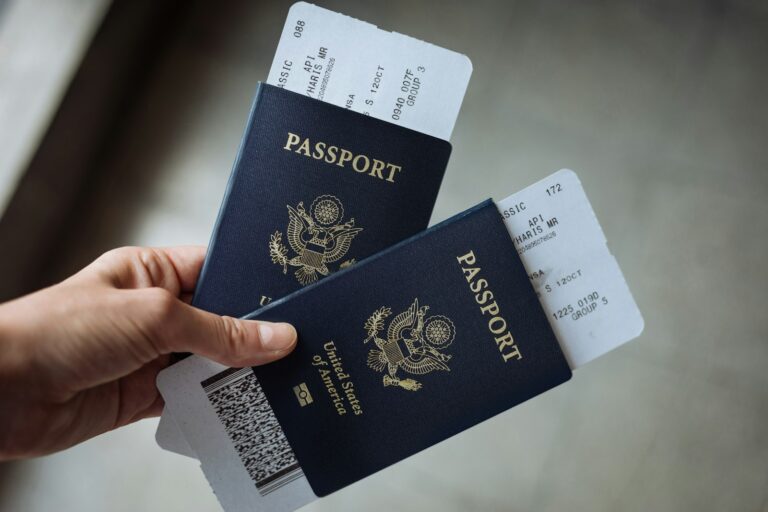
- You need three documents: your US driver’s license, an International Driving Permit (IDP) from AAA or AATA, and your passport. There is no way to get an IDP after you land.
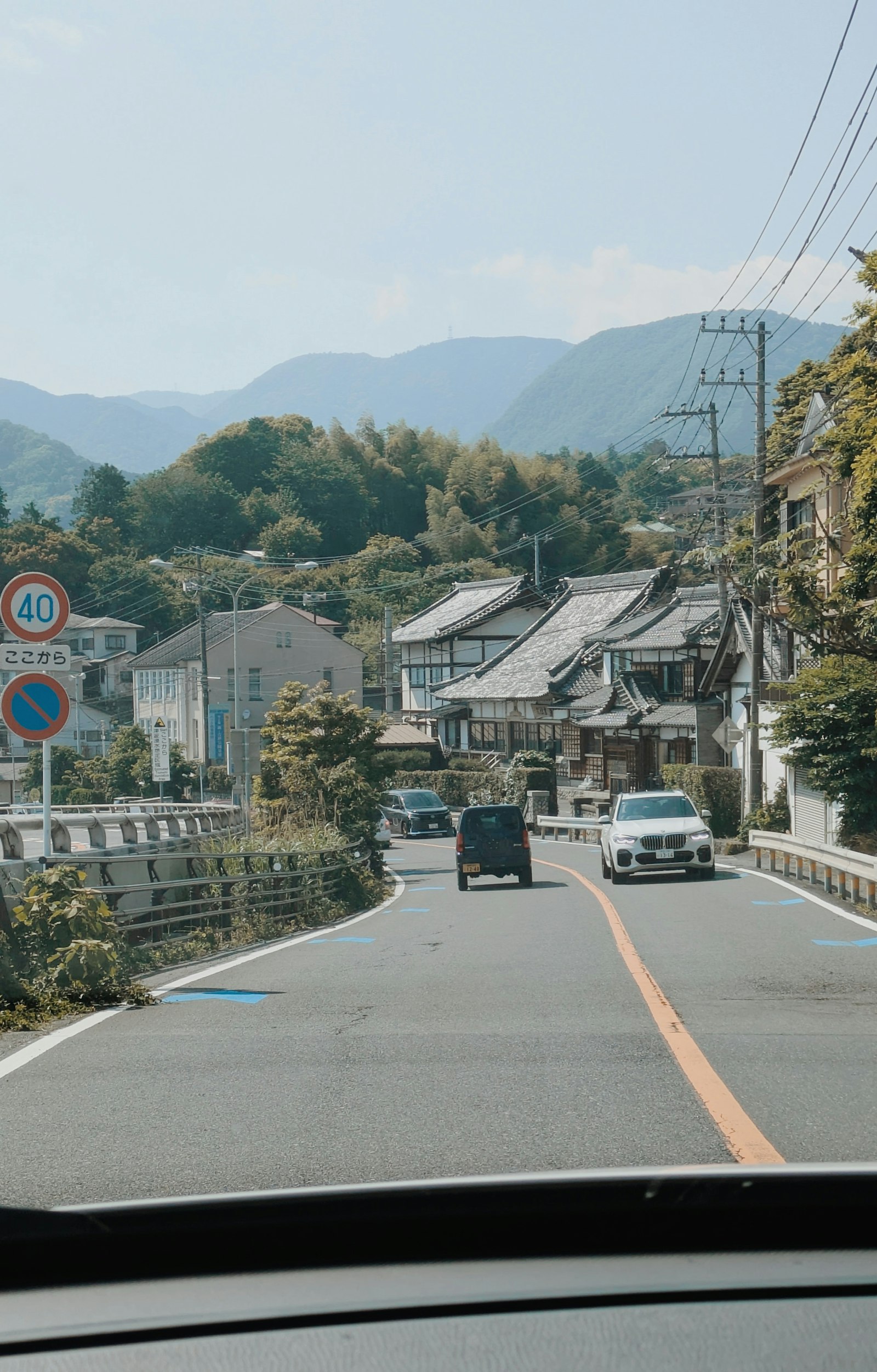
- Japan drives on the left. No turning on red, a full stop at every 止まれ sign, and a stop before every railroad crossing.
- Budget: a compact car is roughly ¥6,000–¥12,000 per day, plus insurance add-ons, tolls (about ¥25 per km on expressways) and gas (around ¥170 per liter in 2026).
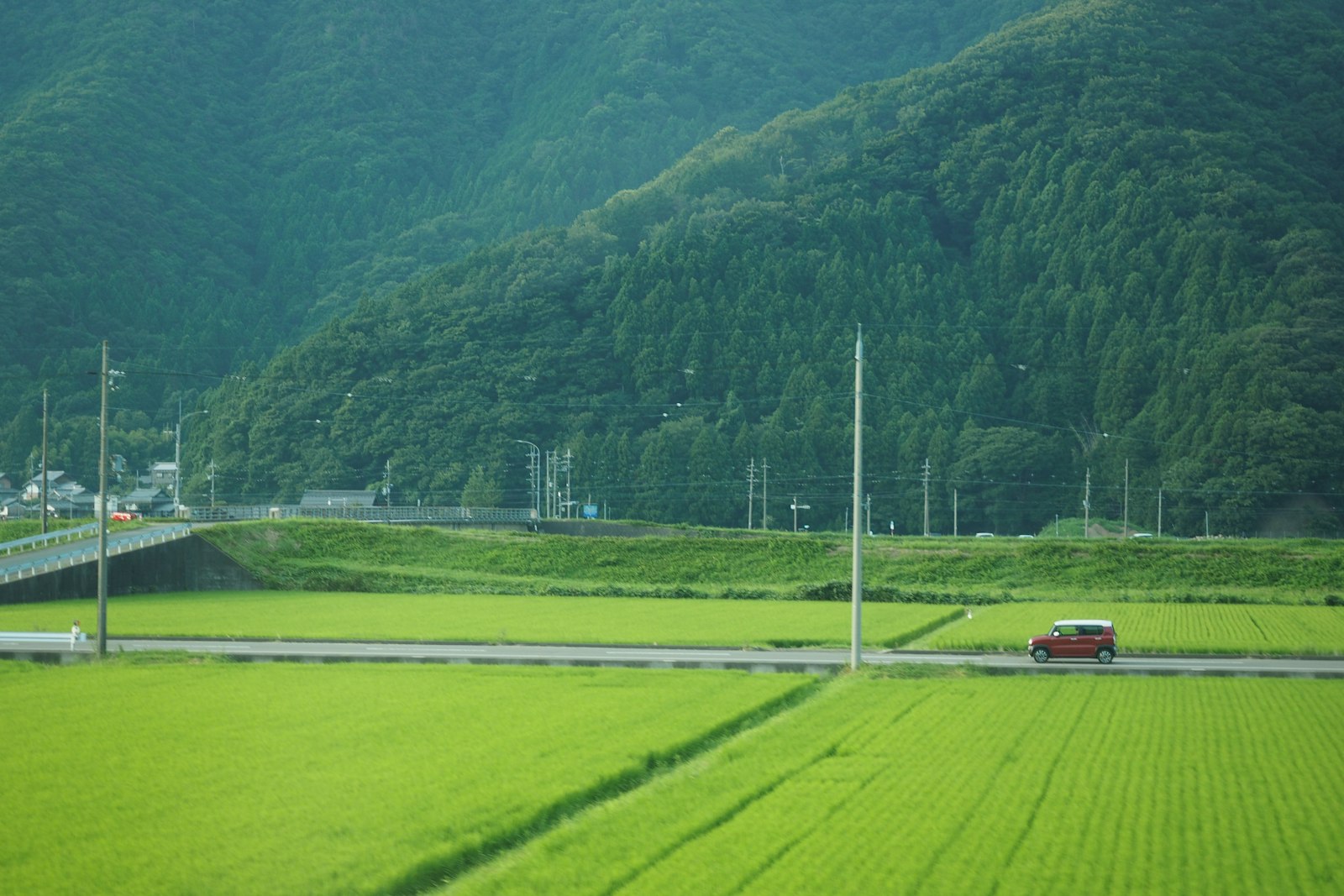
- Rent for the countryside, not for Tokyo or Osaka. Hokkaido, Okinawa, Kyushu, Shikoku and the Mt. Fuji area are where a car shines.
- Add an ETC card for tolls and consider the full insurance package so a scratch doesn’t turn into a ¥20,000–¥50,000 surprise.
Find a rental car office near you
The map shows an example area. Tap a button to open Google Maps in English with the rental offices closest to you right now.
Do you need a car in Japan?
Often not. Trains cover Tokyo, Osaka, Kyoto and the routes between them better than any car could, and city parking is expensive. But rural Japan is a different story. Buses can run a few times a day, and the best onsen towns, capes, lakes and viewpoints are simply easier by car.
Hokkaido
Wide empty roads, huge distances, flower fields in Biei and Furano. Most visitors outside Sapporo drive.
Okinawa
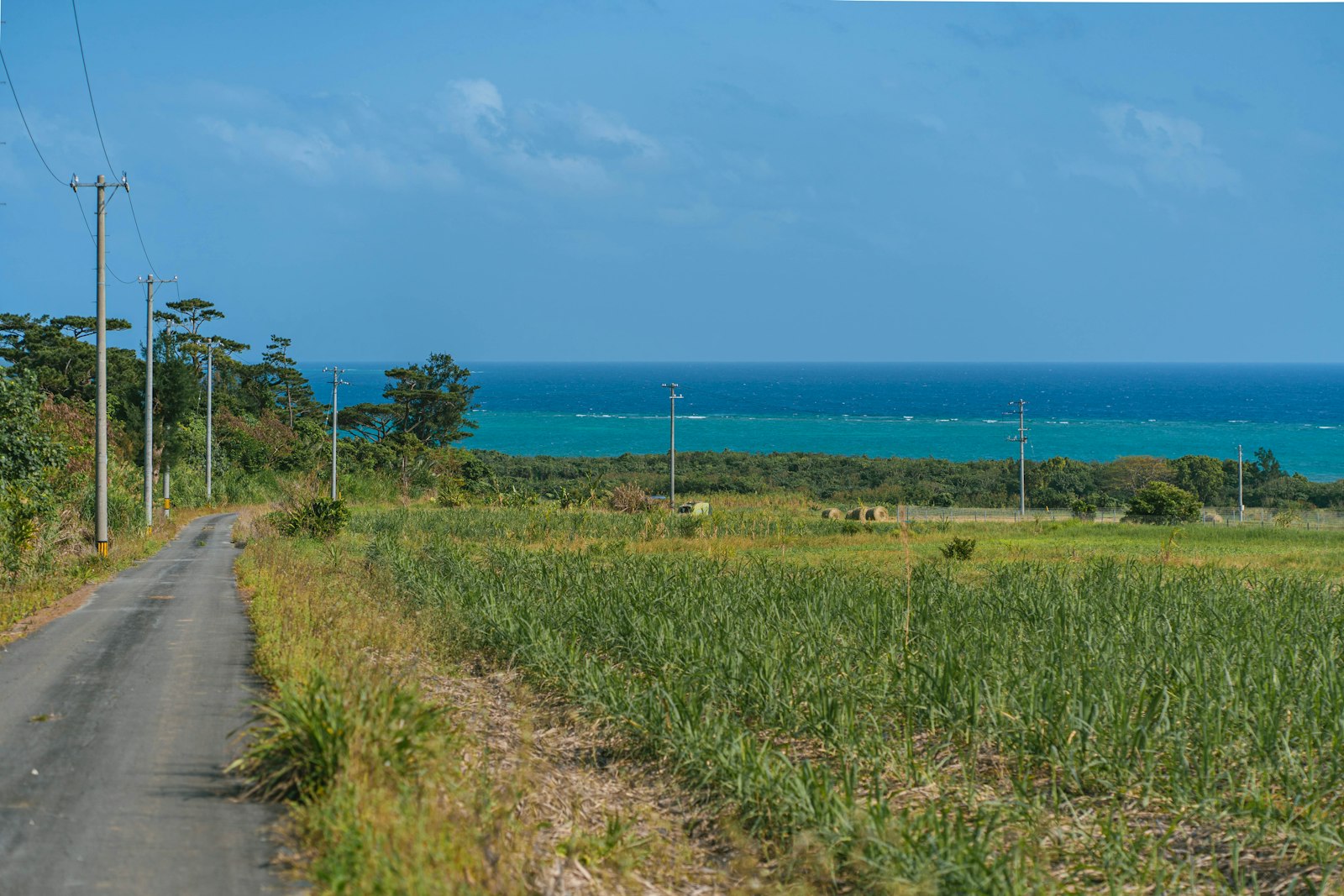
No train network beyond Naha’s monorail. Beaches, the Churaumi Aquarium and the north coast need wheels.
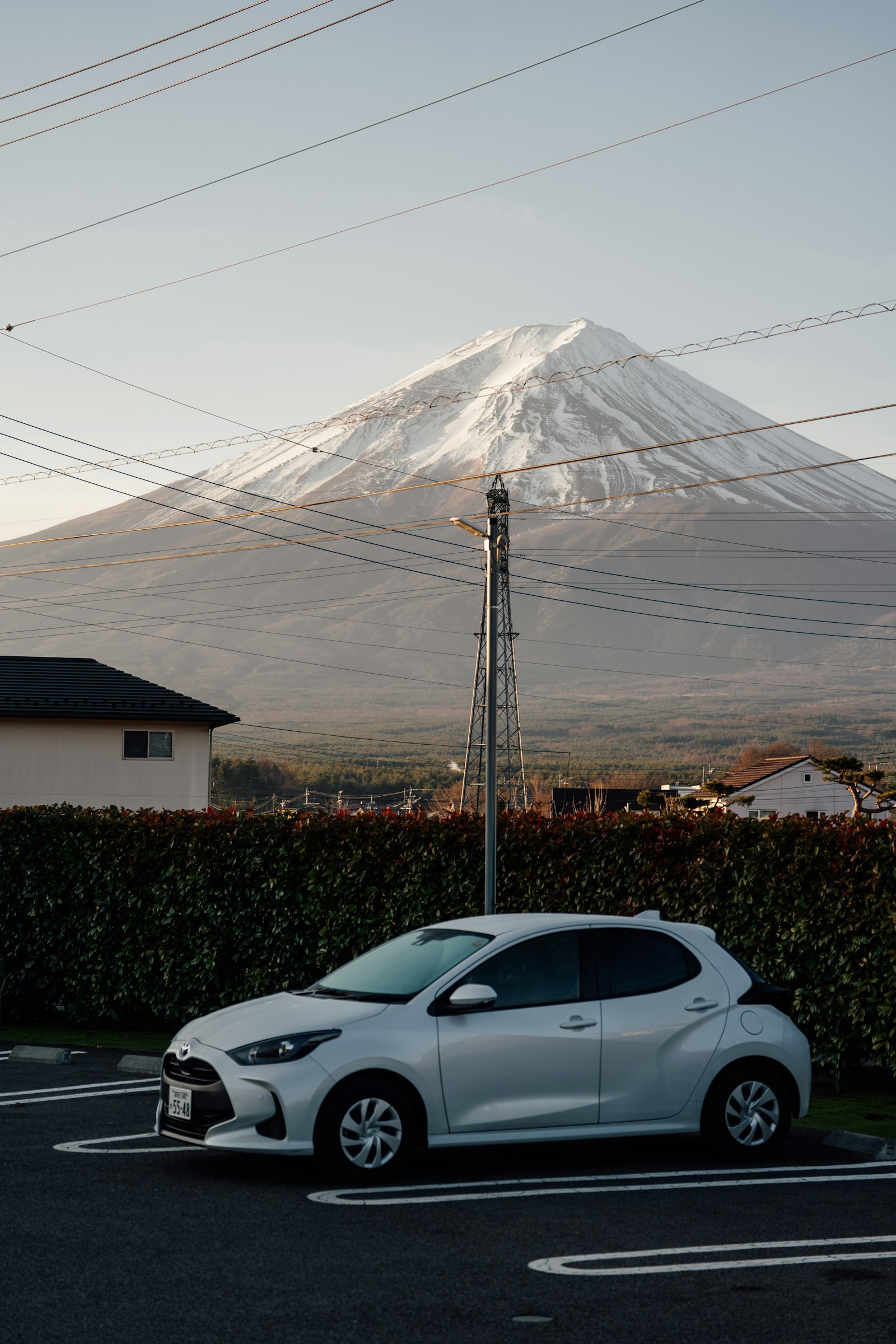
Kyushu, Shikoku, Fuji Five Lakes
Volcano roads, onsen hopping around Aso and Beppu, remote Shikoku temples and Fuji viewpoints.
Tokyo, Osaka, Kyoto city centers
Traffic, narrow streets and ¥300–¥600 per hour parking. Pick the car up on the day you leave the city instead.
What you need to rent a car (as an American)
- Valid US driver’s license (the physical card, not a digital one).
- International Driving Permit issued under the 1949 Geneva Convention by AAA or AATA, the two issuers authorized by the US State Department. About $20 plus two passport photos. Paper booklet only.
- Passport with your entry stamp or record. You can drive on an IDP for up to one year from your entry into Japan, as long as the IDP itself is still valid.
- Credit card in the driver’s name for the deposit and payment.
How to book: companies, car sizes and prices
The big nationwide companies all have English booking pages, airport counters and offices near major stations: Toyota Rent a Car, Times Car Rental, Nippon Rent-A-Car, Orix Rent-A-Car and Nissan Rent a Car. Booking a few weeks ahead is wise for Golden Week (late April to early May), Obon (mid-August), New Year and summer in Okinawa and Hokkaido.
| Class | Typical cars | Good for | Rough price / day |
|---|---|---|---|
| Kei (軽) | Honda N-BOX, Daihatsu Tanto | 1–2 people, narrow roads, cheapest tolls | ¥5,000–¥8,000 |
| Compact | Toyota Yaris, Honda Fit | 2–3 people with suitcases | ¥6,000–¥12,000 |
| Mid-size / hybrid | Toyota Prius, Corolla | Long highway drives, 4 adults | ¥10,000–¥18,000 |
| Minivan | Toyota Noah, Voxy, Alphard | Families and groups of 5–8 | ¥15,000–¥30,000 |
Rough 2026 ranges before insurance add-ons. Peak seasons and one-way drop-off fees push prices up.
Compare before you book
Compare Japan rental cars on Orbitz
Orbitz lets you compare major rental companies operating in Japan side by side — check the pickup location (in-terminal counter or shuttle), car size, transmission and cancellation terms before you pay. You will still need your International Driving Permit at the counter.
Affiliate link — if you book through Orbitz, we may earn a commission at no extra cost to you.
Rental car insurance in Japan, explained
Every rental includes Japan’s compulsory insurance plus the company’s basic coverage. What trips people up are two out-of-pocket charges that apply even after a minor accident.
Collision Damage Waiver
Waives the deductible (usually around ¥50,000–¥100,000) you’d owe for damage. Sometimes included, often about ¥1,000–¥2,500 per day.
Non-Operation Charge
A flat fee for the days the car can’t be rented out after damage: typically ¥20,000 if you can drive it back, ¥50,000 if it must be towed.
NOC coverage / “safety pack”
An extra few hundred to about ¥1,000 per day that covers the NOC (and often flat tires). Worth it on narrow rural roads.
US credit card coverage
Check your card’s terms before relying on it. Many cards exclude some countries or vehicle types, and you would pay the rental company first and claim later.
Does your travel insurance cover the rental car?
The rental company’s insurance and NOC only cover the car. Medical bills after an accident, rental car damage beyond your deductible, and trip changes are separate questions. Some travel insurance plans include rental car damage and others do not, so check before you drive. Tourists also pay 100% of hospital bills in Japan.
Affiliate link: we may earn a fee if you get a quote from World Nomads, at no cost to you. We are not an insurance agent and this is not insurance advice; coverage varies by policy, so read the policy wording.Pickup and return, step by step
- Show your documentsUS license, IDP and passport for every driver. Only registered drivers may drive.
- Choose insurance and add-onsConfirm CDW, NOC coverage and the ETC card. You pay now or at return.
- Inspect the carStaff mark existing damage on a diagram. Take photos of all four sides and the fuel gauge.
- Set up navigationAsk staff to switch the navigation to English. You can search by phone number or MAPCODE, or use Google Maps on a phone mount.
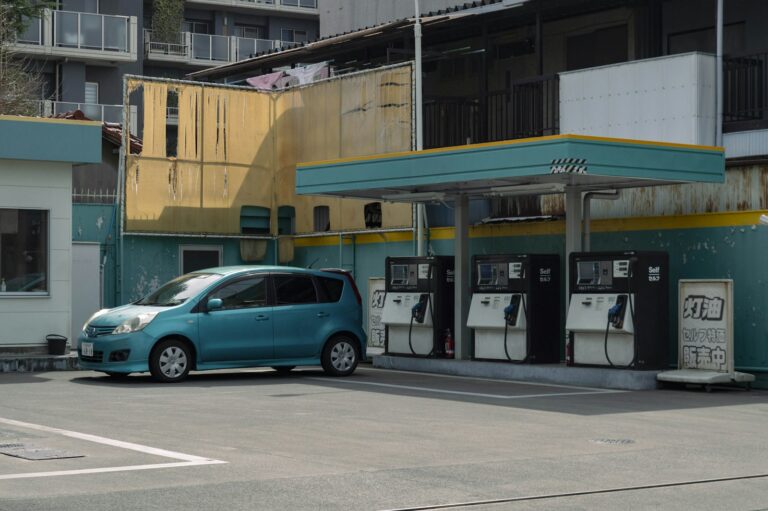
- Refuel before returningRentals are full-to-full. Fill up near the return office and keep the receipt. Guide: how to use a self-service gas station in Japan.
- Return and settleStaff check the car, fuel and ETC card, then charge tolls and any extras to your card.
Japanese road rules that surprise Americans
| Rule | In Japan | Why it matters |
|---|---|---|
| Side of the road | Drive on the left; driver sits on the right | Wipers and turn signals are often swapped. Expect to wipe the windshield when you meant to signal. |
| Turn on red | Never allowed, unless a green arrow shows | A green arrow under a red light means you may go only in that direction. |
| Stop signs (止まれ) | Red inverted triangle; full stop at the white line | Police commonly wait at these. Rolling stops get tickets. |
| Railroad crossings | Stop, look and listen before every crossing, even with no train | Required by law, unless a signal shows green. |
| Speed limits | Usually 40–60 km/h on ordinary roads, 80–120 km/h on expressways | Since September 1, 2026, roads without a center line and no speed sign are limited to 30 km/h. |
| Alcohol | Effectively zero tolerance | Even one beer can be illegal. Passengers who ride with a drunk driver can also be punished. |
| Phones | No handheld use at all while driving | Mount your phone and set the route before you move. |
| Children | Child seats required under age 6 | Reserve them with the car. |
Road signs worth memorizing
Simplified illustrations of common Japanese road signs.
Expressways, tolls and ETC
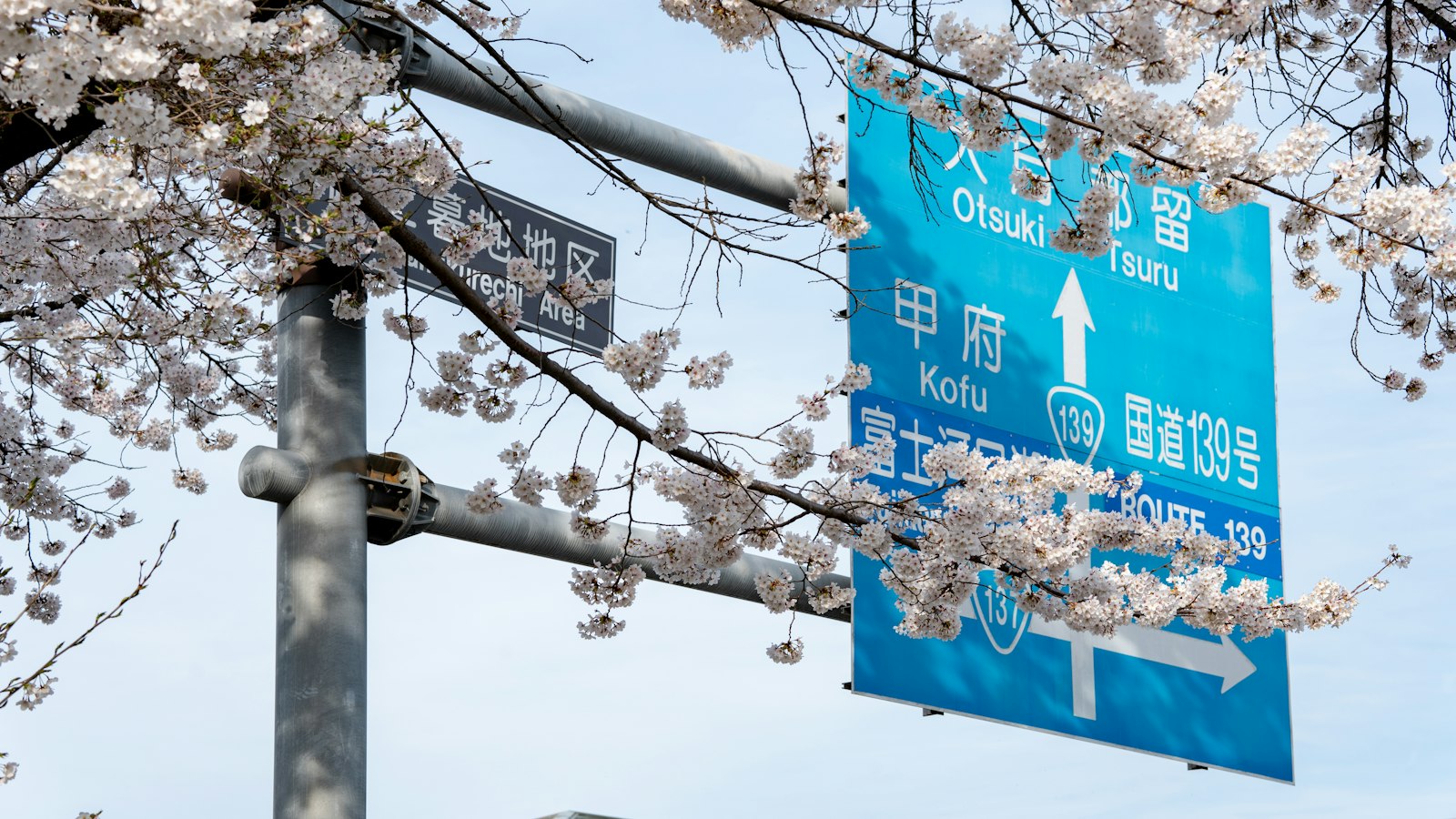
Japan’s expressways are excellent but not free. Tolls work out to roughly ¥25 per kilometer plus a base fee, so Tokyo to Kyoto costs about ¥10,000 one way in a regular car. With an ETC card in the car’s reader you glide through purple ETC lanes and settle the total when you return the car. If you’ll drive a lot in Hokkaido, Tohoku, western Japan or Kyushu, a regional Expressway Pass for foreign visitors can cut tolls a lot. Details: Japan expressway tolls, ETC cards and passes.
Parking in Japan
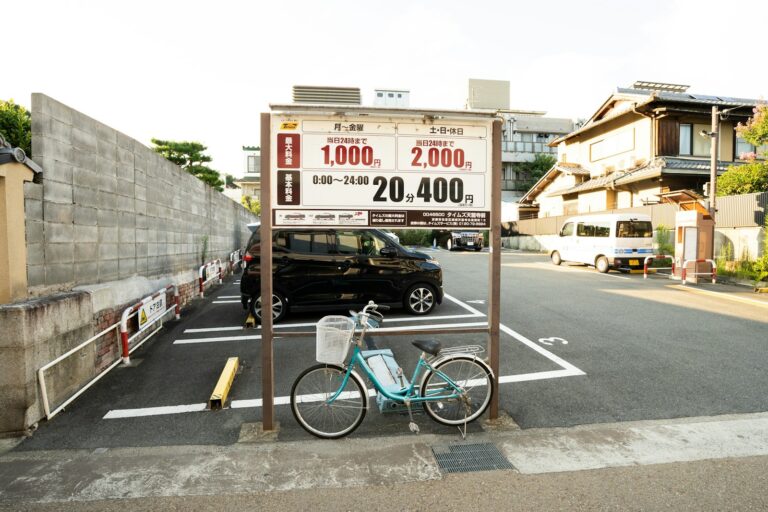
You can’t park on most streets. Instead, use paid lots called coin parking, hotel parking (ask when you book), or the free lots at shopping centers, roadside stations (michi-no-eki) and expressway service areas. Coin parking lots use a metal flap or a camera, and you pay at a machine before leaving. Step-by-step: how to use coin parking in Japan.
Seasonal tips
Snow tires are standard in the north
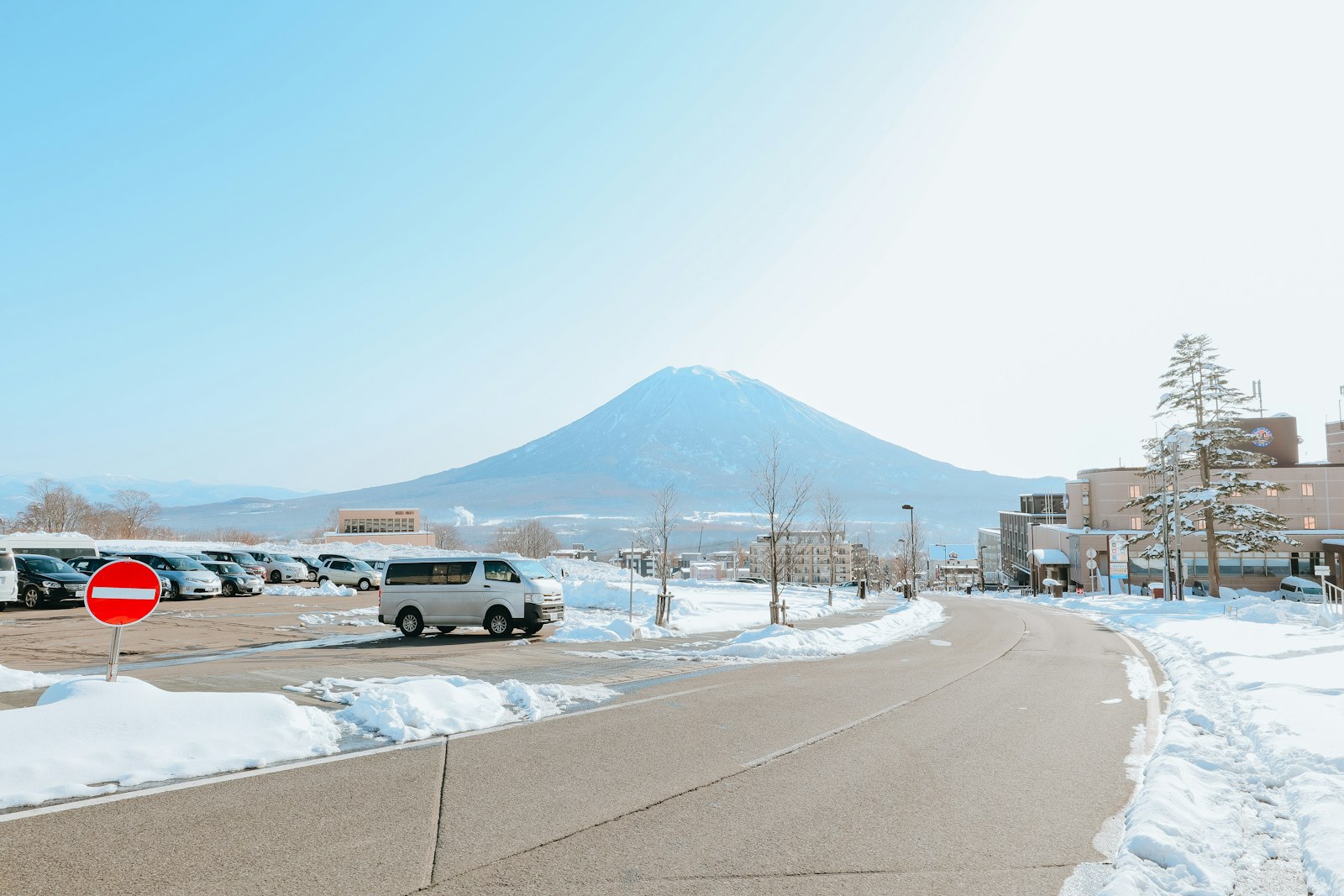
Hokkaido, Tohoku and mountain rentals come with studless winter tires in season. Drive slowly, brake early, and leave extra time. Some mountain roads close entirely.
Traffic jams on long weekends
Golden Week, Obon and New Year bring 30–50 km expressway jams. Leave early in the morning, and book cars early for Okinawa.
Driving in Hokkaido, the Japan Alps or Tohoku between November and April? Read our winter driving in Japan guide for winter tires, chain rules and black ice.
If something goes wrong
Useful phrases at the rental counter
FAQ
Can Americans drive in Japan with a US driver’s license?
Not by itself. You need your US license together with an International Driving Permit (1949 Geneva Convention) issued in the US by AAA or AATA, and you must carry your passport. With these you can drive for up to one year from your entry into Japan.
How much does it cost to rent a car in Japan?
A compact car usually costs about ¥6,000–¥12,000 per day in 2026, and a kei car a little less. Add insurance options, an ETC card, expressway tolls (roughly ¥25 per km) and gas (around ¥170 per liter).
Is it hard for Americans to drive in Japan?
The main adjustment is driving on the left. Roads are well maintained and drivers are polite. Cities are harder because of narrow streets and traffic, so most visitors rent a car only for rural areas such as Hokkaido, Okinawa or Kyushu.
Can you turn right on red in Japan?
No. Turning on a red light is not allowed in Japan in any direction, unless a green arrow is lit for that direction. Because Japan drives on the left, the right turn is the one that crosses traffic.
Do I need extra insurance for a rental car in Japan?
Basic insurance is included. Adding the collision damage waiver and the non-operation charge (NOC) coverage means a small accident costs you little or nothing instead of a deductible plus a ¥20,000–¥50,000 NOC fee.