Last checked: October 2026 · Part of our Japan Travel Insurance & Health series
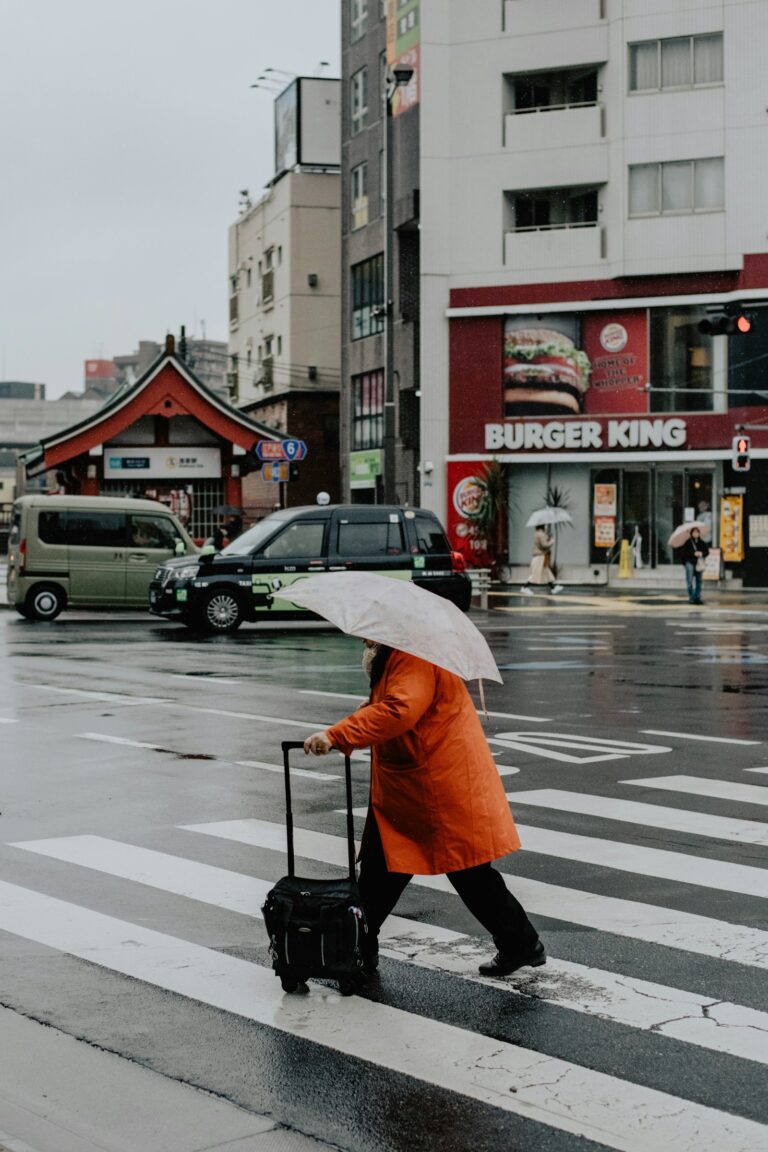
Japan in winter is a different trip from the cherry blossom crowds: powder snow in Hokkaido, snow festivals, monkeys in hot springs, thatched villages under a meter of snow, and crisp, sunny days in Tokyo and Kyoto. It also comes with a few things that catch first-timers out, from New Year closures to 4 pm sunsets and snow delays. Here is what the weather is really like by region, where to go, what to plan around, and what to pack for a December to February trip.
Disclosure: The First Pick takes part in affiliate programs, including Booking.com and World Nomads through CJ Affiliate. We may earn a fee when you book a hotel or get a travel insurance quote through a link on this page, at no extra cost to you. We are not an insurance company or a licensed insurance agent, and nothing on this page is insurance advice. See our Affiliate Disclosure.
- Winter = December to February. Tokyo and Kyoto average about 5°C (41–42°F) in January and are mostly dry and sunny. Sapporo averages −3.2°C (26°F).
- Snow is regional. Hokkaido, the Japan Alps and the Sea of Japan side get heavy snow. Tokyo and Kyoto see it only occasionally.
- Big events: Sapporo Snow Festival Feb 4–11, 2027 and Otaru Snow Light Path Feb 6–13, 2027.
- Plan around New Year: many museums, shops and restaurants close for days around Dec 29–Jan 4, and transport is packed.
- Pack layers, not just a big coat. Trains, shops and hotels are well heated. Add shoes with grip for icy northern sidewalks.
Winter weather in Japan by region
Japan stretches about 3,000 km from north to south, so “winter in Japan” can mean −10°C in a Hokkaido ski town or a T-shirt afternoon in Okinawa. Cold, dry winds from the continent drop heavy snow on the Sea of Japan side of the country and the mountains, while the Pacific side, including Tokyo, stays mostly dry and sunny.
| City | Dec | Jan | Feb | What it feels like |
|---|---|---|---|---|
| Sapporo (Hokkaido) | −0.9°C / 30°F | −3.2°C / 26°F | −2.7°C / 27°F | Below freezing, regular snow, icy sidewalks |
| Tokyo | 7.7°C / 46°F | 5.4°C / 42°F | 6.1°C / 43°F | Cold, dry and mostly sunny |
| Kyoto | 7.2°C / 45°F | 4.8°C / 41°F | 5.4°C / 42°F | Cold mornings, chilly temples, rare snow |
| Naha (Okinawa) | 17.3°C / 63°F in January | Mild, cloudy, too cool for most to swim | ||
Monthly average temperatures, Japan Meteorological Agency normals for 1991–2020. Daily highs are warmer and nights colder than these averages. Days are short, too: in December the sun sets around 4 pm in Sapporo and about 4:30 pm in Tokyo, so plan outdoor sightseeing for the morning and early afternoon.
Where to go in Japan in winter
Snow festivals and powder
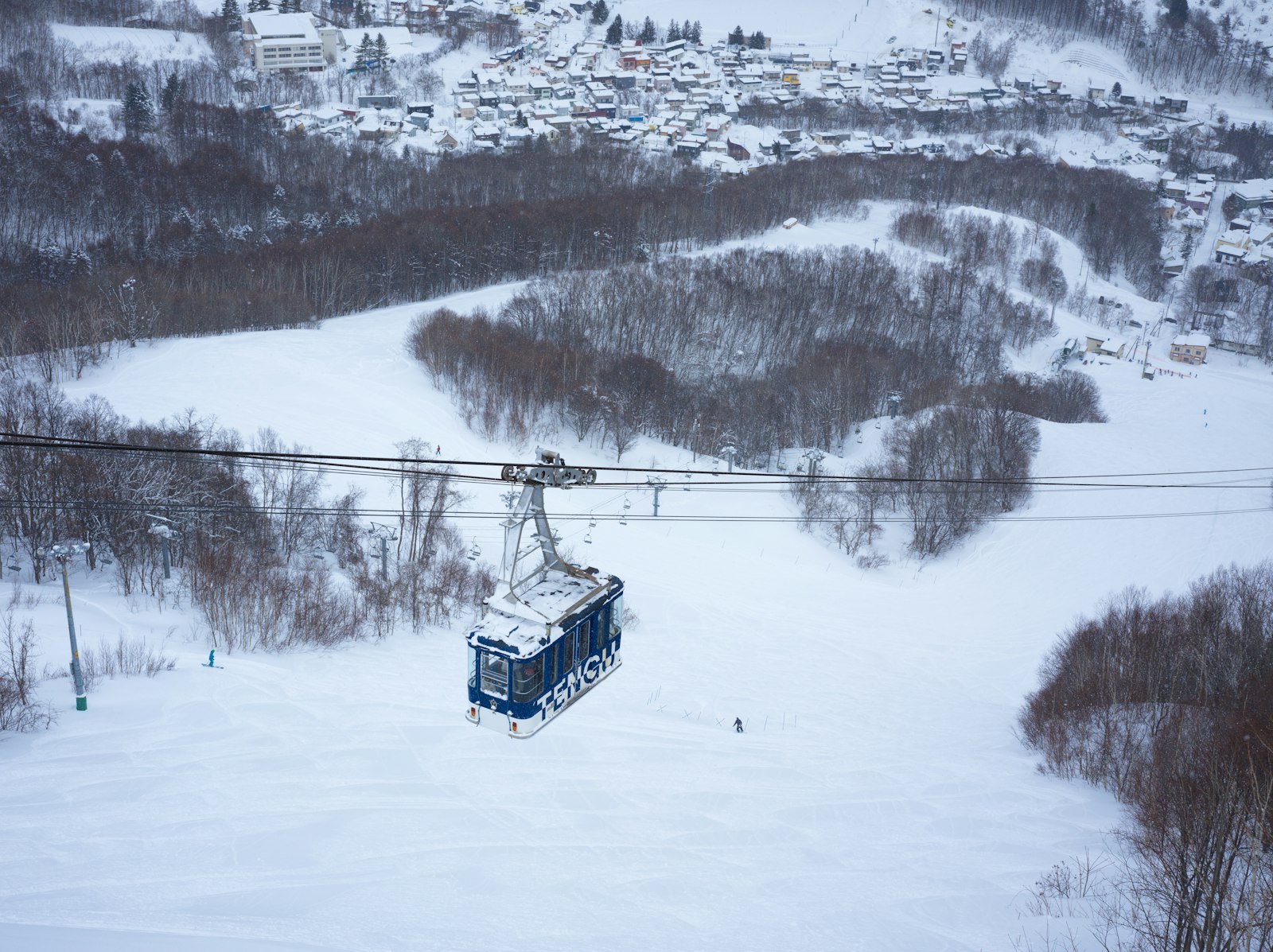
Sapporo’s Snow Festival, the lantern-lit Otaru Canal, Noboribetsu hot springs and world-famous powder in Niseko. See our Hokkaido in winter guide.
Snow monkeys and ski towns
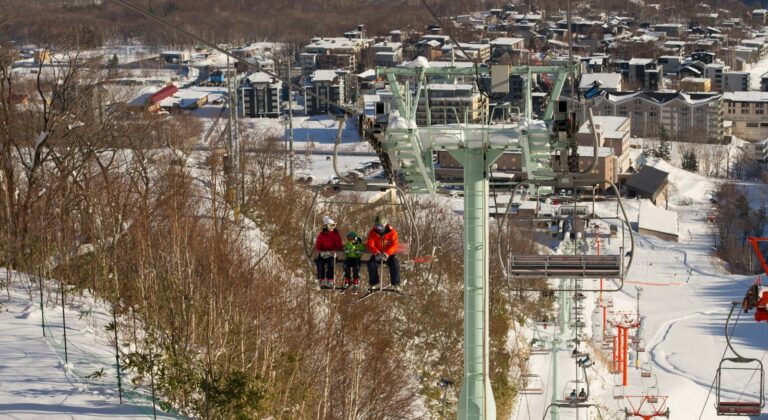
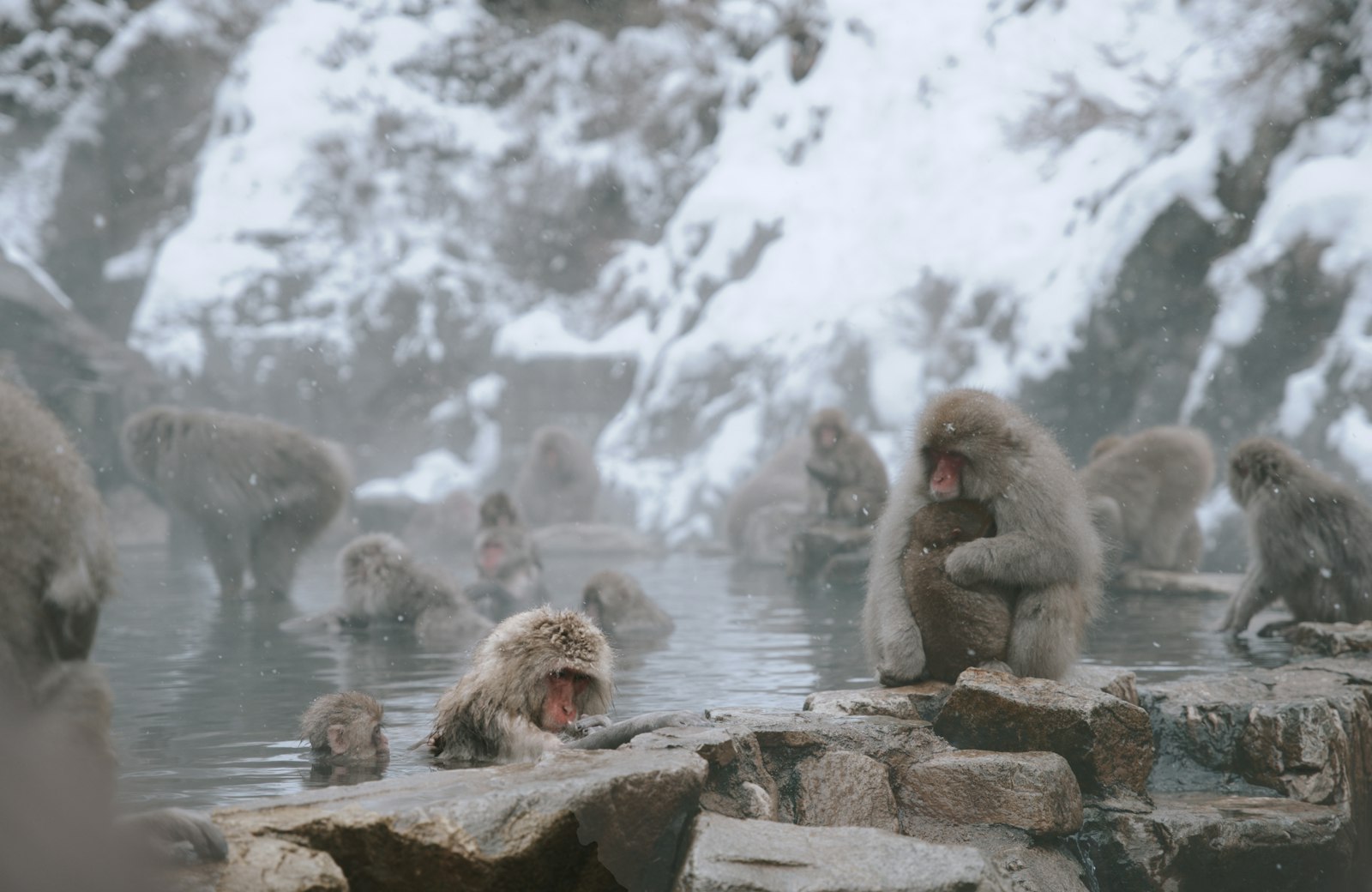
Wild macaques bathe in hot springs at Jigokudani, and Hakuba and Nozawa Onsen are top ski areas. See Matsumoto, Zenkoji and the snow monkeys.
Villages under snow
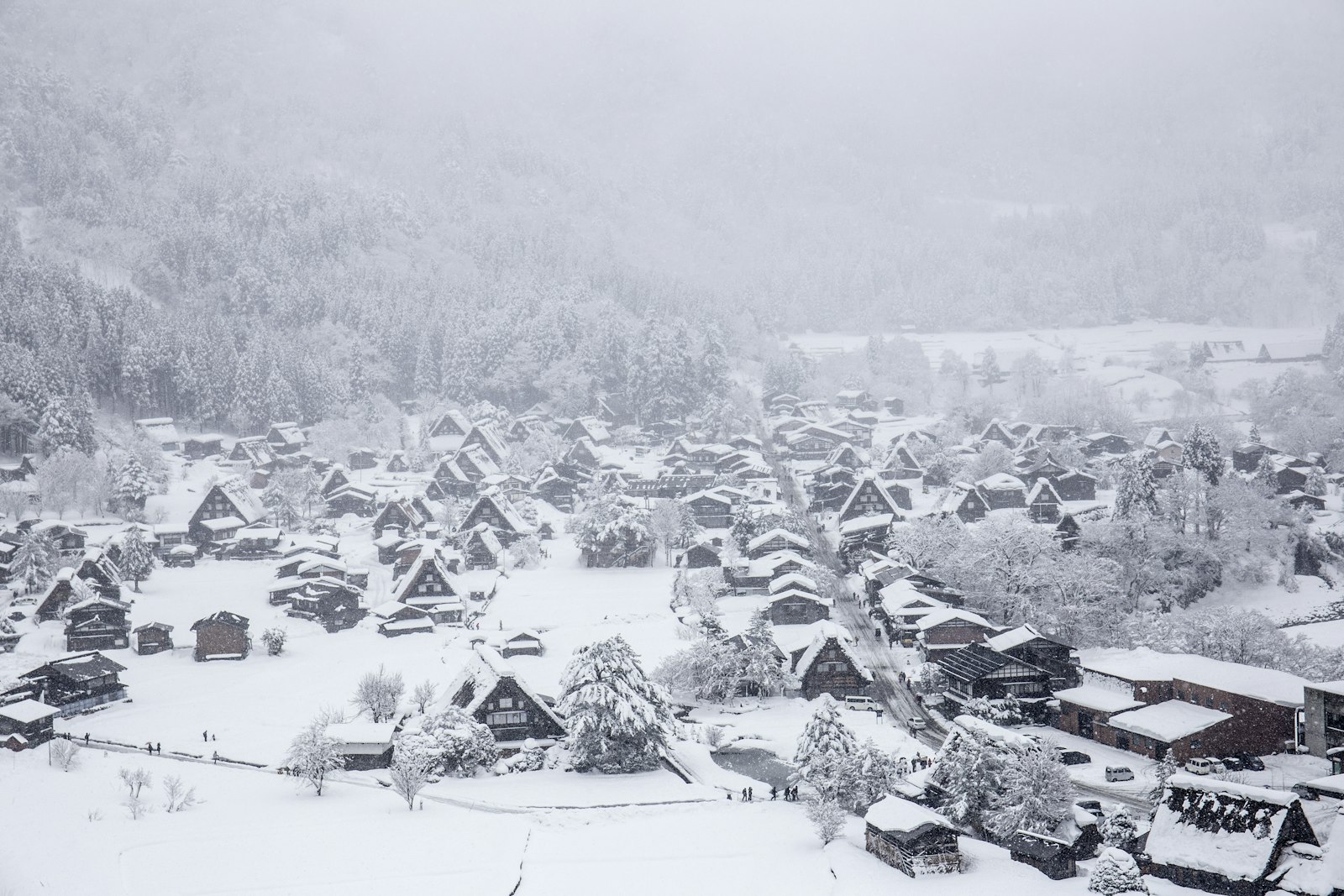
Shirakawa-go’s thatched farmhouses and Takayama’s old streets look their best in snow. See our Shirakawa-go and Takayama guide.
Escape the cold
Mild weather for castles, aquariums and coastal walks while the north is frozen. See Okinawa’s beaches and islands.
Winter festivals and events (2026–27)
| Event | Dates | Good to know |
|---|---|---|
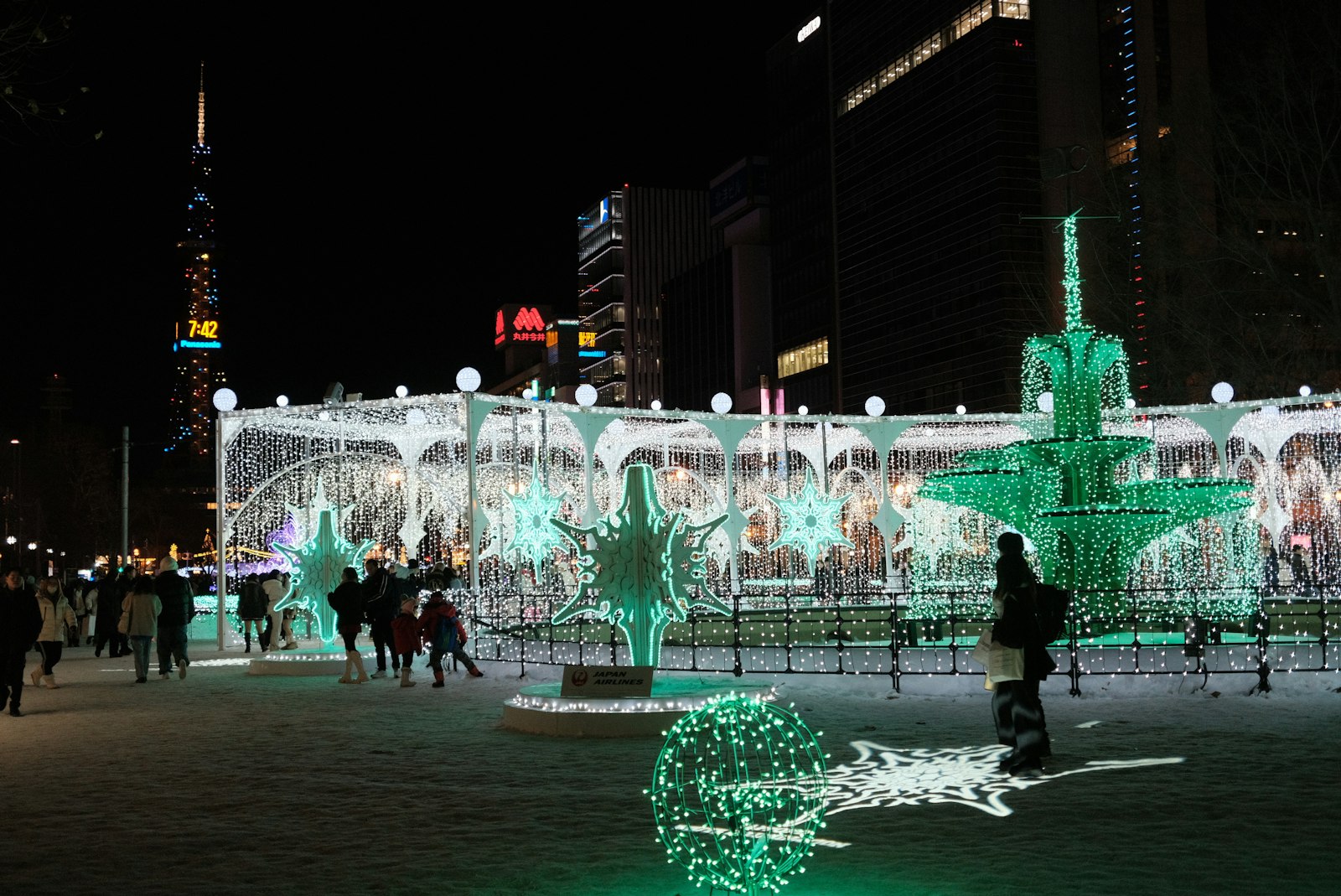
| Sapporo Snow Festival | Feb 4–11, 2027 | Snow and ice sculptures at Odori Park, Susukino and Tsudome. Free to walk around. |
| Otaru Snow Light Path | Feb 6–13, 2027 | Snow lanterns and candles along the Otaru Canal, about 30–45 minutes from Sapporo by train. |
| Shirakawa-go light-up | Selected winter evenings | Reservation-only. Dates for 2027 had not been announced when we checked. |
| New Year (Shogatsu) | Jan 1–3 | First shrine visits (hatsumode). Famous shrines such as Meiji Jingu and Fushimi Inari get huge crowds. |
Where to stay
Hotels for a Hokkaido winter trip
Sapporo is the easiest base for the Snow Festival, with direct trains to Otaru and buses to the ski resorts. Niseko is the place to stay for skiing. Compare hotels on Booking.com.
Hotels in Sapporo →Hotels in Otaru →Hotels in Niseko →
Affiliate links — if you book through Booking.com, we may earn a commission at no extra cost to you.
What to plan around
- New Year closures (about Dec 29–Jan 4)Many museums, restaurants, shops and banks close for one or more days, especially January 1. Temples and shrines stay open, and big-city malls and chain restaurants often do too. Check opening days for anything you have your heart set on.
- Holiday transport crowdsTrains, airports and expressways are packed around December 29–31 and January 2–4. Reserve Shinkansen seats early if you travel then. See how to ride the Shinkansen.
- Snow delays in the northHeavy snow can delay or cancel flights and trains in Hokkaido and along the Sea of Japan coast. Leave a buffer day before an international flight home.
- Driving needs winter skillsRental cars in snowy areas come with winter tires, but black ice and whiteouts are real risks. Read our winter driving guide before you rent.
- Advance tickets for popular spotsJigokudani Monkey Park now requires date-specific advance tickets on peak days in the 2026–27 winter, and the Shirakawa-go light-up is reservation-only.
What to pack for Japan in winter
- Thin layers: base layer, sweater or fleece, warm coat
- Waterproof shoes or boots with good grip for Hokkaido and the Alps
- Hat, gloves and a scarf
- Lip balm and moisturizer (Tokyo winters are dry)
- Easy-off shoes for temples, ryokan and some restaurants
- Disposable heat packs (kairo) from any convenience store
- Snow grips for shoes, sold at shops in snowy cities
- Heat-tech style thermal underwear from Japanese clothing chains
- Hot drinks from vending machines and convenience stores
Indoors, Japan is warm: trains, stores and hotels are heated, so you will be taking layers off as often as putting them on. A single heavy parka is harder to manage than a light down jacket over a fleece. For the full list, see our Japan packing list for first-timers.
Insurance for a winter trip
Winter adds a few insurance questions to a Japan trip: flight and train delays from snowstorms, falls on icy sidewalks, and, for skiers and snowboarders, whether winter sports are covered at all. As a visitor you pay Japanese hospitals directly, so check the policy wording for medical cover, trip delay and any winter sports before you go. Our Japan ski trip insurance guide explains what to look for if you plan to ride.
Check cover for your winter dates
World Nomads offers simple and flexible travel insurance. Buy at home or while traveling and claim online from anywhere in the world.
FAQ
Is winter a good time to visit Japan?
Yes, if you plan for it. December to February brings snow festivals, powder skiing, hot springs and illuminations, and Tokyo, Kyoto and Osaka are usually cold but dry and sunny. The main things to plan around are the New Year closures from about December 29 to January 4, short days and snow delays in the north.
How cold is Japan in winter?
It depends on where you go. Based on Japan Meteorological Agency averages for 1991–2020, January averages about 5.4°C (42°F) in Tokyo, 4.8°C (41°F) in Kyoto, −3.2°C (26°F) in Sapporo and 17.3°C (63°F) in Naha, Okinawa.
When is the Sapporo Snow Festival in 2027?
The 2027 Sapporo Snow Festival runs February 4 to 11, 2027, at Odori Park, Susukino and Community Dome Tsudome, according to the official Sapporo tourism site. Hotels in central Sapporo fill up early for those dates.
Does it snow in Tokyo and Kyoto?
Sometimes, but not much. Snow in Tokyo and Kyoto is occasional and usually melts within a day or two. For reliable deep snow, head to Hokkaido, the Japan Alps in Nagano and Gifu, or the Sea of Japan side of Honshu.
What is closed in Japan over New Year?
Around December 29 to January 4, many museums, restaurants, shops and some attractions close for one or more days, especially January 1. Temples and shrines stay open and are very busy from January 1 to 3. Trains and expressways are crowded around December 29–31 and January 2–4.