Last checked: October 2026 · Part of our Japan Travel Insurance & Health series
Japan’s powder snow has made Niseko, Hakuba, Rusutsu and Furano bucket-list names for American skiers and snowboarders. A ski trip to Japan is also the kind of trip where insurance details matter most: you are far from home, on steep and icy terrain, often in deep snow and sometimes in places where the nearest big hospital is an hour away. Before you book lift tickets, here is what to check in any travel insurance policy for a Japan ski trip, and the Japanese resort rules that can affect a claim.
Disclosure: The First Pick takes part in affiliate programs, including World Nomads through CJ Affiliate. We may earn a fee when you get a travel insurance quote through a link on this page, at no extra cost to you. We are not an insurance company or a licensed insurance agent, and nothing on this page is insurance advice or a recommendation to buy a particular policy. Coverage, limits and exclusions vary by policy and by your state of residence, so always read the policy wording before you buy. See our Affiliate Disclosure.
- Many standard policies exclude or limit winter sports. Read the activity list for skiing and snowboarding before you buy.
- On-piste vs off-piste matters. Skiing outside resort boundaries, backcountry touring and heli-skiing are often treated differently.
- Follow resort rules. In Niseko and many other resorts, off-piste terrain is only open through official gates. Ducking a rope can mean losing your lift pass and can affect cover.
- Medical evacuation matters more on a ski trip: serious injuries may need a transfer to a city hospital or a flight home.
- Also check: gear and rental damage, lift pass refunds, and delays from snowstorms.
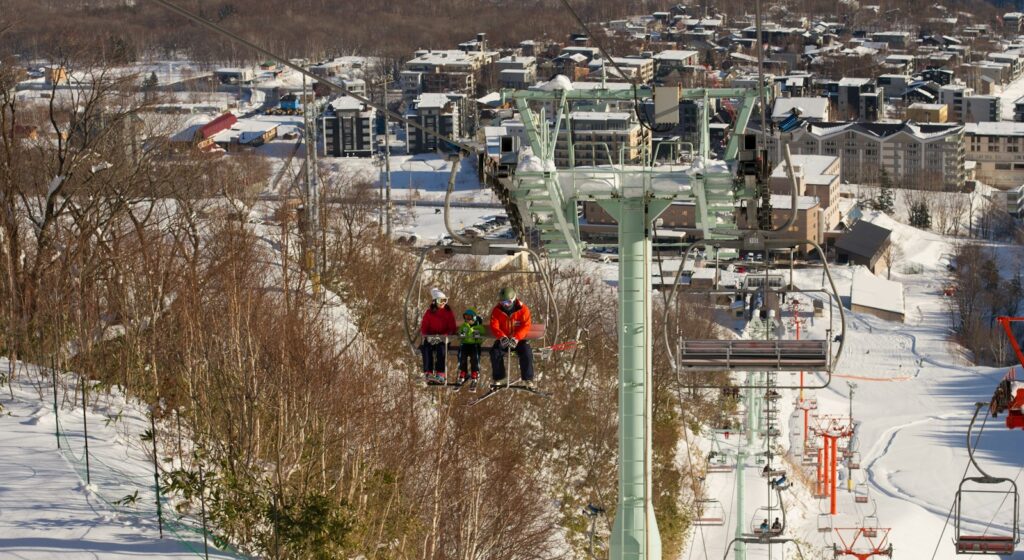
Why a Japan ski trip needs a closer look at your policy
Ski and snowboard injuries happen to experienced riders too, and the costs add up quickly: an ambulance down the mountain, X-rays, a cast or surgery, extra nights in a hotel and a change of flights. In Japan you will pay the hospital directly as an uninsured visitor, so a claim is how you get that money back. That only works if the policy covers the activity you were doing, at the level you were doing it.
On-piste, off-piste and backcountry
| Type of skiing | What it means in Japan | What to check |
|---|---|---|
| On-piste | Groomed, marked runs inside the resort | Usually the easiest to get covered, but confirm it is listed |
| Off-piste inside boundaries | Tree runs and powder inside the resort’s ski area, where allowed | Whether “within resort boundaries” is covered |
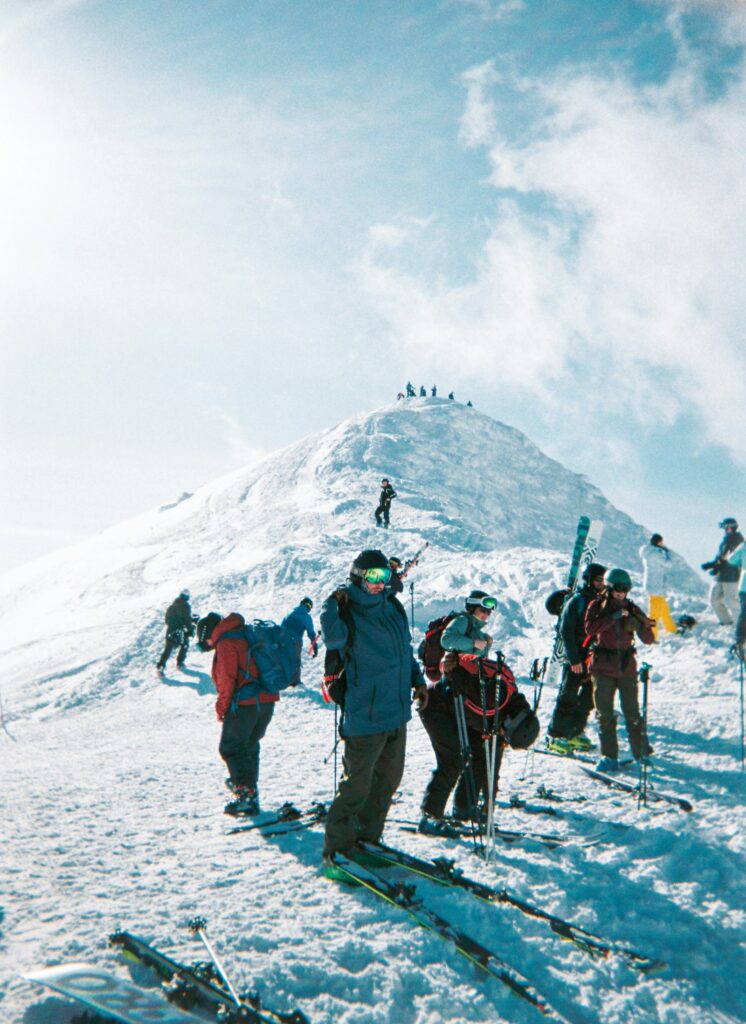
| Gate access / sidecountry | Terrain beyond the ropes reached through official gates, as in Niseko | Whether off-piste outside boundaries is covered, and conditions such as a guide |
| Backcountry, ski touring, heli-skiing | Skinning or hiking up, or using a helicopter or snowcat | Often excluded or only in higher-tier plans |
Check cover for your ski dates
World Nomads offers simple and flexible travel insurance. Buy at home or while traveling and claim online from anywhere in the world.
Checklist: what to read before a Japan ski trip
- Skiing and snowboarding are listedLook at the activity list, not just the plan name. Note any conditions such as wearing a helmet.
- The terrain you will rideOn-piste only, off-piste within boundaries, or backcountry and touring.
- Emergency medical and evacuation limitsA serious injury in Hokkaido or Nagano can mean a transfer to a city hospital or a medically escorted flight home.
- Search and rescueWhether rescue costs are included, and under what conditions.
- Gear and rentalsLimits for your own skis or board, and whether damage to rented equipment is covered.
- Lift passes and lessonsSome plans refund unused prepaid passes, lessons or rentals after an injury.
- Snow delaysHeavy snow can close roads and ground flights at New Chitose Airport. Look at trip delay and missed connection cover.
- Alcohol exclusionsClaims linked to drinking are commonly excluded, which matters in après-ski towns.
Japan’s main ski regions at a glance
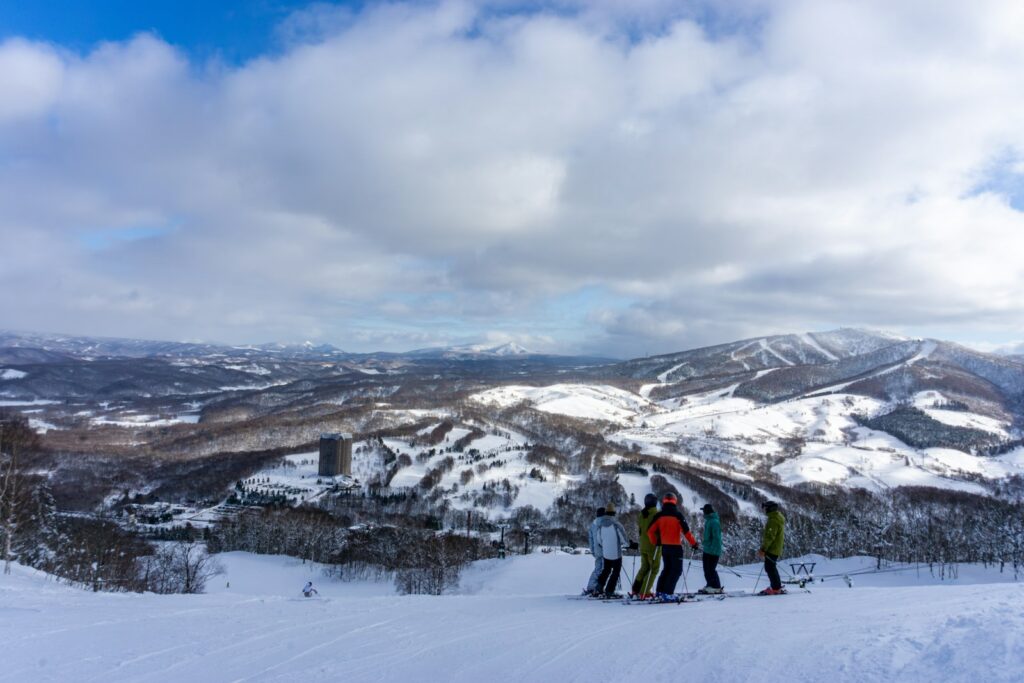
Niseko, Rusutsu, Furano
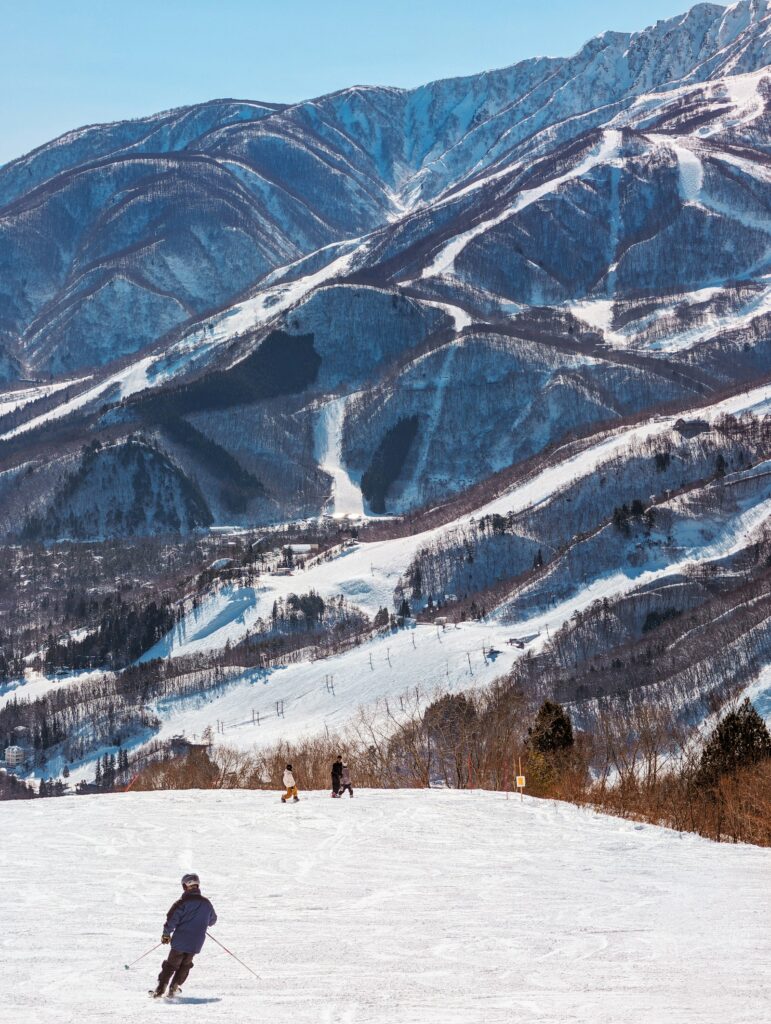
Light, deep powder and a long season. Getting there usually means New Chitose Airport near Sapporo, then a bus or car through snowy mountain roads.
Hakuba, Nozawa Onsen, Shiga Kogen
Big alpine terrain in the Japanese Alps, reached from Tokyo by Shinkansen to Nagano, then bus.
Zao and northern Japan
Famous for snow-covered “snow monster” trees and quieter slopes.
Yuzawa area
Ski resorts a short Shinkansen ride from Tokyo, popular for day trips.
If you get hurt on the mountain
- Get ski patrolTell a lift attendant or call the resort number on your lift ticket or trail map. For life-threatening emergencies, dial 119.
- Call your insurer’s assistance line earlyThey can help with hospital choice, payment guarantees and evacuation decisions.
- Collect documentsPatrol or accident report, itemized hospital bills, medical certificate, and receipts for transport and extra nights.
- Keep proof of what you paid forLift pass, lessons and rentals, in case your policy refunds unused days.
Planning a ski trip to Japan? Get a quote
World Nomads offers simple and flexible travel insurance. Buy at home or while traveling and claim online from anywhere in the world.
Visiting Hokkaido in winter? See our guide to Otaru, Noboribetsu Onsen and Niseko, and read Do You Need Travel Insurance for Japan? for the basics on healthcare costs and US coverage.
FAQ
Does travel insurance cover skiing in Japan?
It depends on the policy. Some plans include skiing and snowboarding on marked runs, some add off-piste or backcountry only in higher tiers, and some exclude winter sports. Check the activity list before you buy.
Is off-piste skiing allowed in Japan?
Rules vary by resort. Many Japanese resorts ban skiing outside the marked ski area. In Niseko, backcountry terrain is only open through designated gates when conditions allow.
What happens if I get injured skiing in Niseko?
Ski patrol will bring you down, and you may be treated at a local clinic or hospital or transferred to a larger hospital. As a visitor you pay the bill yourself and claim it back from your insurer if you are covered.
When is ski season in Japan?
Roughly December to March at most resorts, with some higher or northern resorts open into April or later. Snow conditions vary by year.
Do I need a helmet for my insurance to cover skiing?
Some policies set conditions such as wearing a helmet for certain activities. Read the activity terms of your policy.