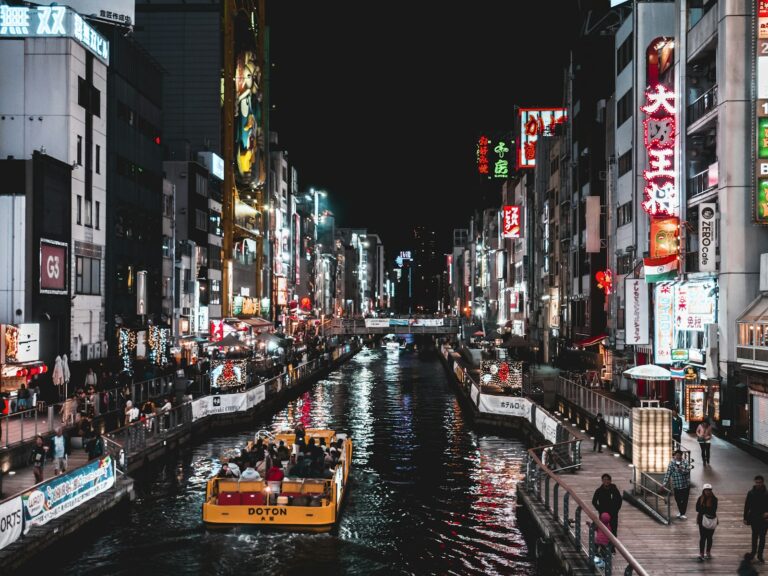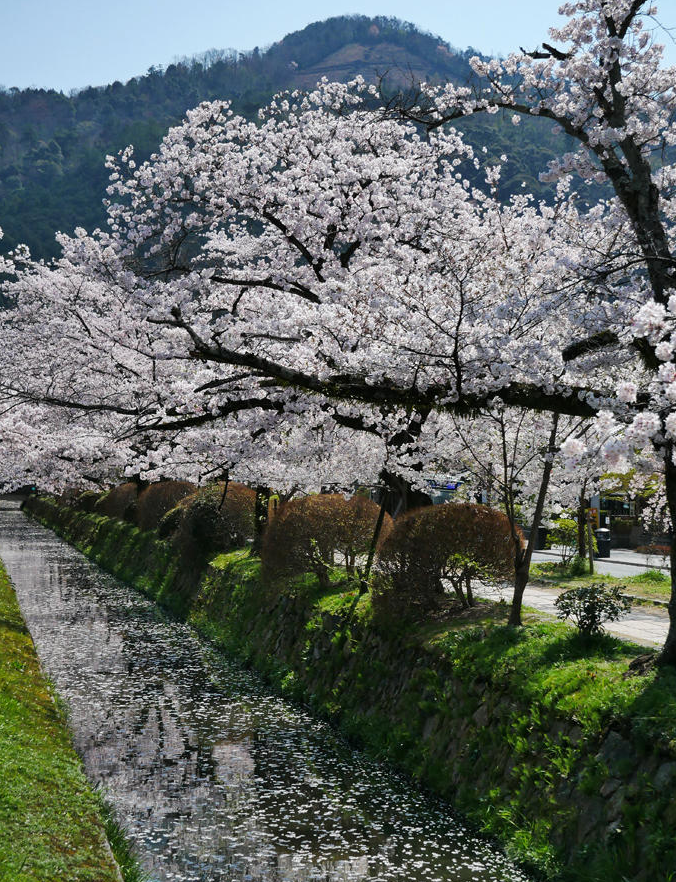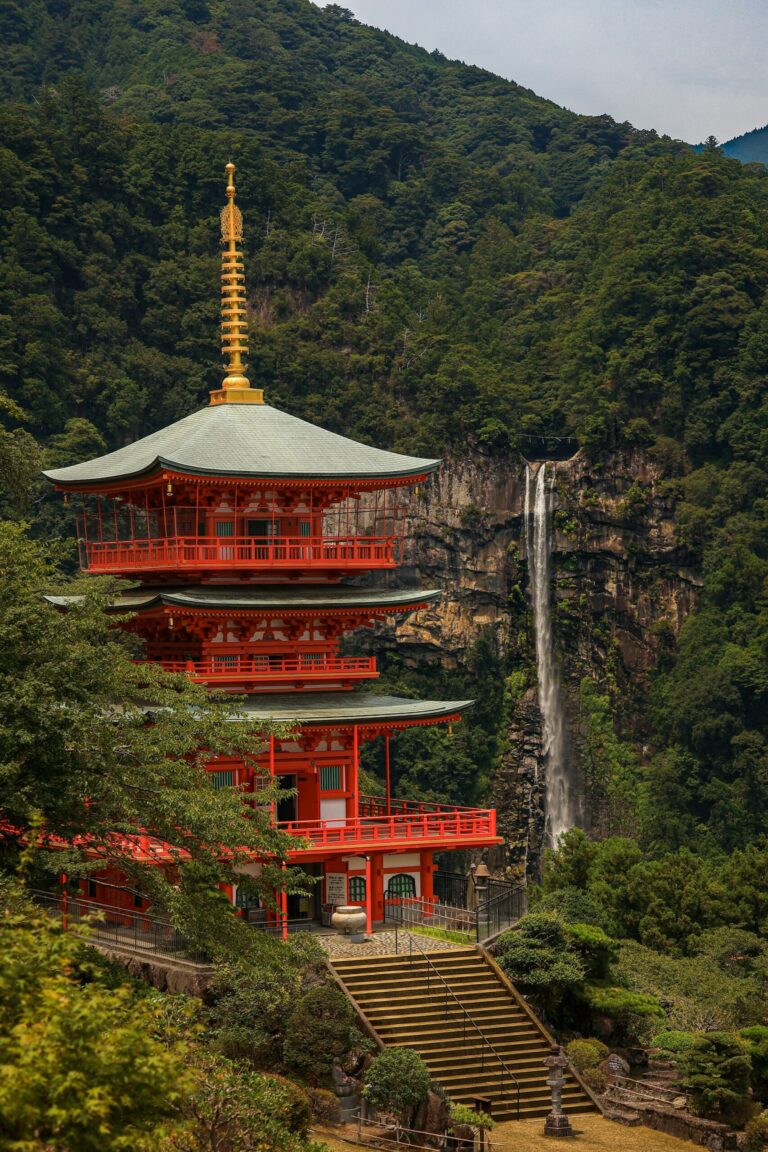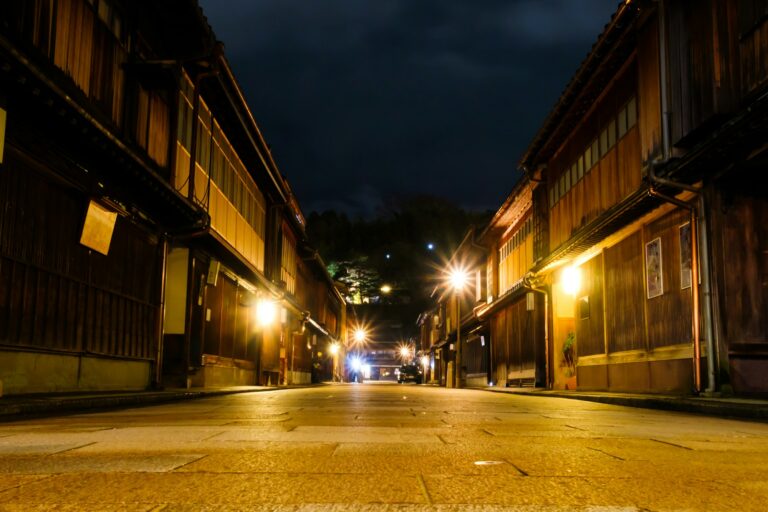
Hokkaido’s winters are legendary, drawing travelers for world-class powder snow, steaming hot spring towns, and romantic, lantern-lit canal streets. This guide covers three destinations that define Hokkaido’s cold-season appeal: the historic Otaru Canal, the volcanic hot springs of Noboribetsu, and the ski resort town of Niseko.
Planning a wider winter trip? See our Japan in winter guide for weather by region, festival dates and what to pack.
1. Otaru Canal
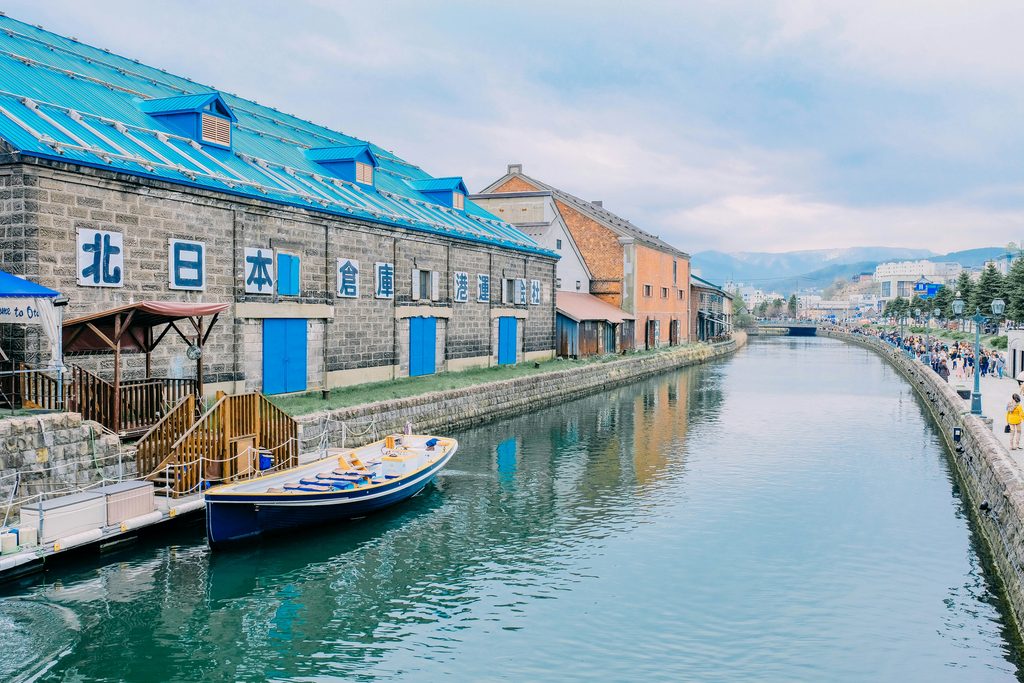
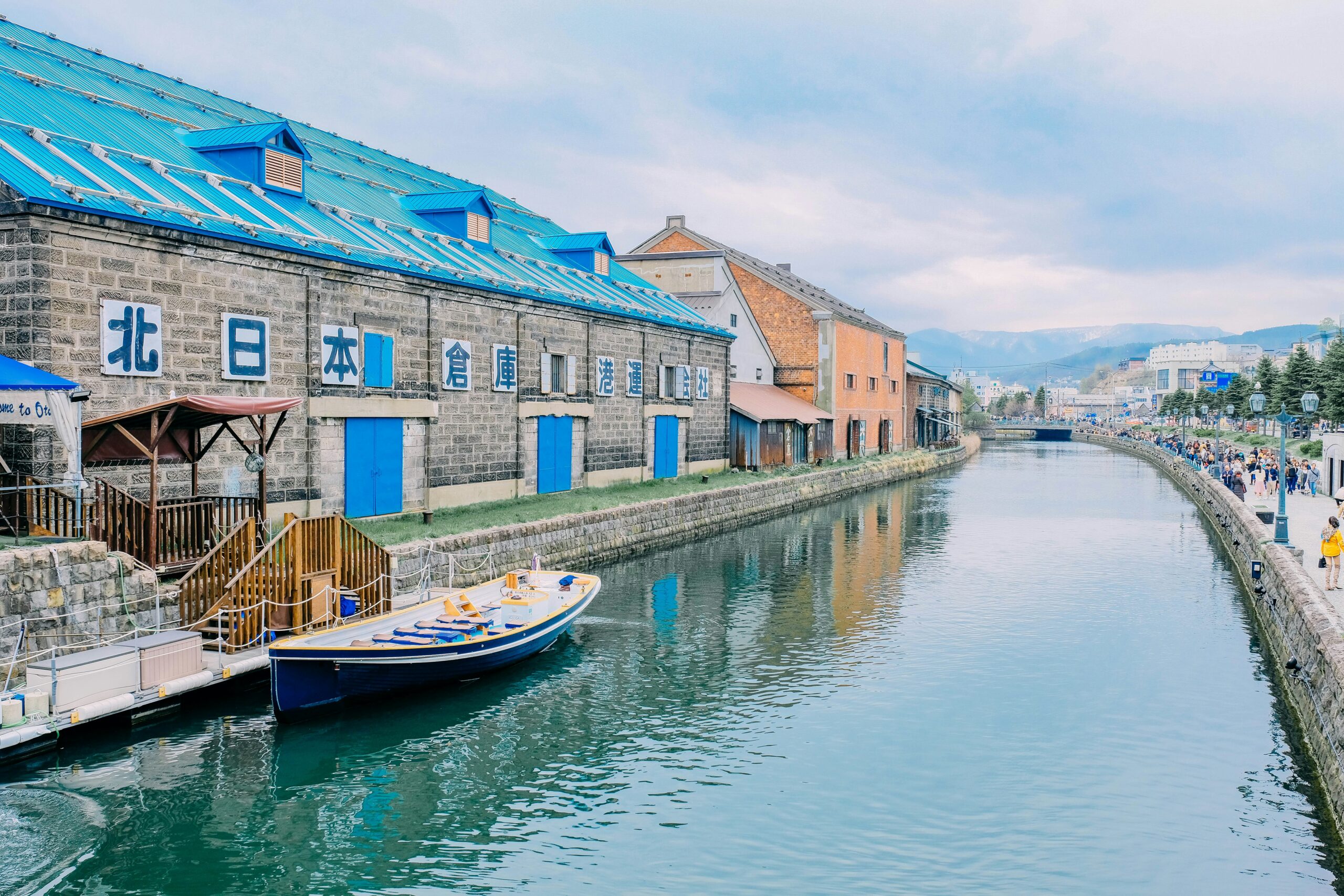
Once a bustling trading port in the early 20th century, Otaru today is best known for its picturesque canal, lined with restored brick and stone warehouses that now house cafes, glassware shops, and music box stores. The canal is especially popular in the evening, when gas lamps light the waterway, and during February’s Otaru Snow Light Path Festival, when the canal and surrounding streets are lined with candles and small snow lanterns. Otaru is also famous for fresh seafood and sushi, with a dense cluster of sushi restaurants near the station drawing food travelers from across Hokkaido. The city makes an easy day trip from Sapporo, about 30-40 minutes away by train.
2. Noboribetsu Onsen
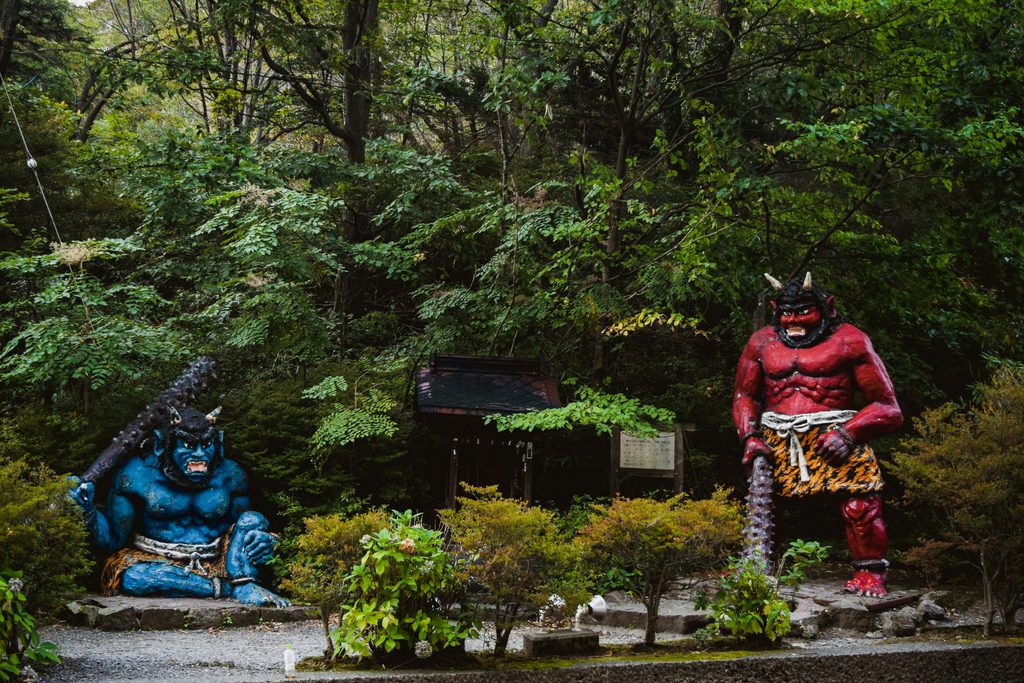
Noboribetsu Onsen is one of Japan’s most famous hot spring resort towns, drawing its mineral-rich water directly from Jigokudani (“Hell Valley”), a volcanic crater with bubbling sulfur pools, steam vents, and a strong sulfuric smell that gives the area its dramatic name. The town’s ryokan hotels offer a range of onsen water types, from milky sulfur springs to iron-rich waters, each said to offer different health benefits according to long-held local tradition. A short walking trail through Jigokudani itself is open to visitors, with boardwalks over some of the more active steam vents, and in winter the snow-covered crater rim creates a striking contrast with the steaming valley floor below.
3. Niseko
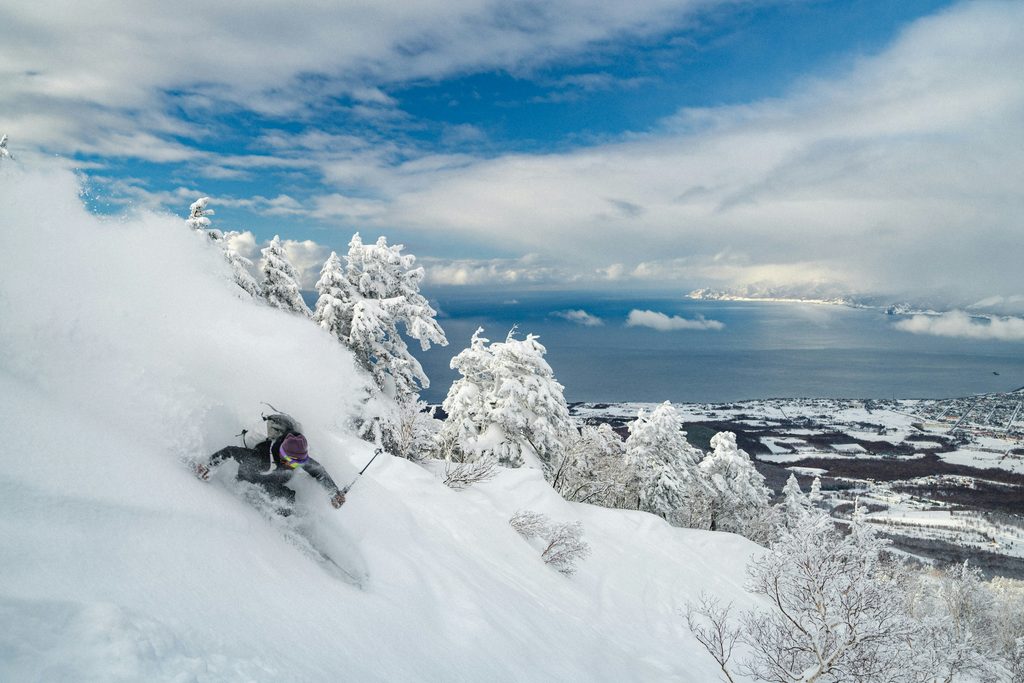
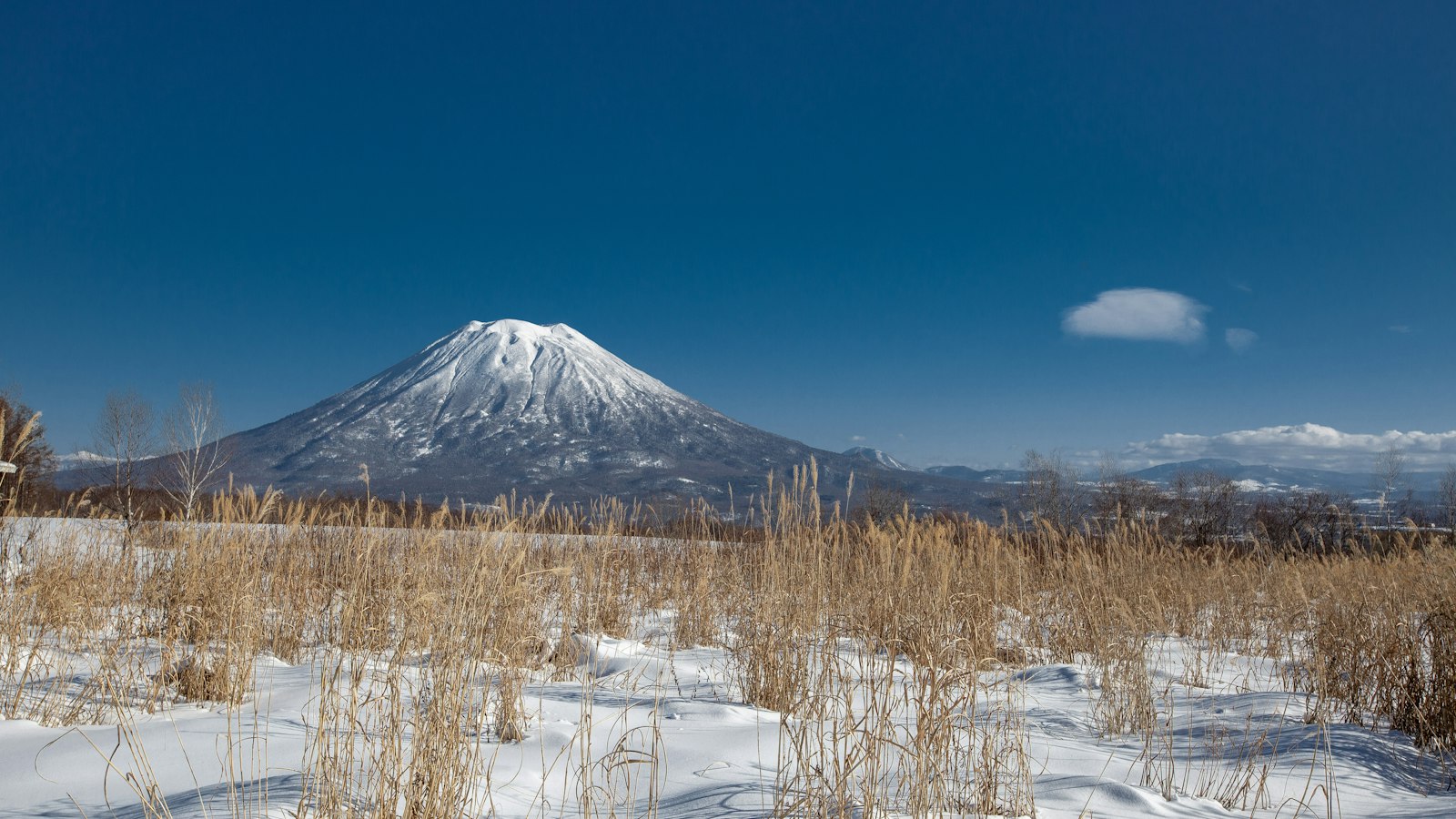
Niseko is Hokkaido’s best-known ski destination, drawing an international crowd for its consistent, dry powder snow, a result of cold Siberian air passing over the Sea of Japan. The resort area is made up of several connected ski zones beneath Mount Yotei, an almost perfectly symmetrical volcano often compared to Mount Fuji. Beyond skiing and snowboarding, Niseko has developed a strong après-ski scene with international restaurants, bars, and outdoor hot spring baths with mountain views. In summer, the area shifts to hiking, rafting, and mountain biking, making it a increasingly year-round destination rather than a winter-only resort town.
Check your ski cover before you hit the powder
Many travel insurance policies limit or exclude skiing and snowboarding, and off-piste or backcountry riding is often treated differently. As a visitor you also pay Japanese hospitals directly. Read the activity terms before your trip.
Affiliate link: we may earn a fee if you get a quote from World Nomads, at no cost to you. We are not an insurance agent and this is not insurance advice; coverage varies by policy, so read the policy wording.Where to Stay for Hokkaido’s Winter Highlights
 Where to stay: Niseko & Noboribetsu
Hotel links in this section go to Booking.com. If you book through them, we may earn a commission at no extra cost to you.
Otaru works well as a Sapporo day trip, while Noboribetsu and Niseko are best enjoyed with at least one overnight stay.
Luxury
Niseko’s Park Hyatt Niseko Hanazono and The Green Leaf Niseko Village offer ski-in access with high-end onsen facilities and mountain views.
Ski-in/ski-out luxury at the base of Niseko Hanazono.
Ski-in/ski-out hotel with an onsen at Niseko Village.
Mid-Range
Ryokan such as Dai-ichi Takimotokan in Noboribetsu offer direct access to Jigokudani-sourced hot spring baths at a moderate price point.
Famous for its huge hot-spring bath fed by several springs, near Hell Valley.
Budget-Friendly
Otaru and Niseko both have guesthouses and smaller pensions offering budget-friendly lodging, particularly outside peak ski season (December through February) in Niseko.
Compare prices before you book
Hotels in Niseko on Booking.com
Niseko books up early for ski season (December to March). Compare resorts and condos while there is still good availability.
Affiliate link — if you book through Booking.com, we may earn a commission at no extra cost to you.
Quick Tips for Visiting
- Winter road conditions in Hokkaido can be severe — many travelers opt for trains or organized tours rather than self-driving between these three destinations.
- Noboribetsu’s sulfur smell is strong near Jigokudani itself but fades quickly once back in the town center.
- Niseko’s peak ski season (late December to February) books up hotels well in advance, especially around the New Year holiday.
- Otaru’s Snow Light Path Festival in February is a popular add-on to a Sapporo Snow Festival trip, as the two events overlap in timing.
Getting there by train: Read our guide to riding trains in Japan, learn how to ride the Shinkansen, and check whether the JR Pass is worth it for your itinerary.
Frequently Asked Questions
Is Otaru worth visiting if I’m short on time in Sapporo?
Yes — it’s a straightforward half-day or full-day trip by train and offers a distinctly different, more historic atmosphere than Sapporo itself.
Do I need ski experience to enjoy Niseko?
No, Niseko has extensive beginner terrain and ski schools, along with non-ski activities like onsen bathing and snowshoeing for visitors who don’t ski.
Is Noboribetsu Onsen suitable for a day trip from Sapporo?
It’s possible as a long day trip (around 1.5-2 hours each way), but an overnight stay allows more time to properly enjoy the ryokan and hot spring experience.