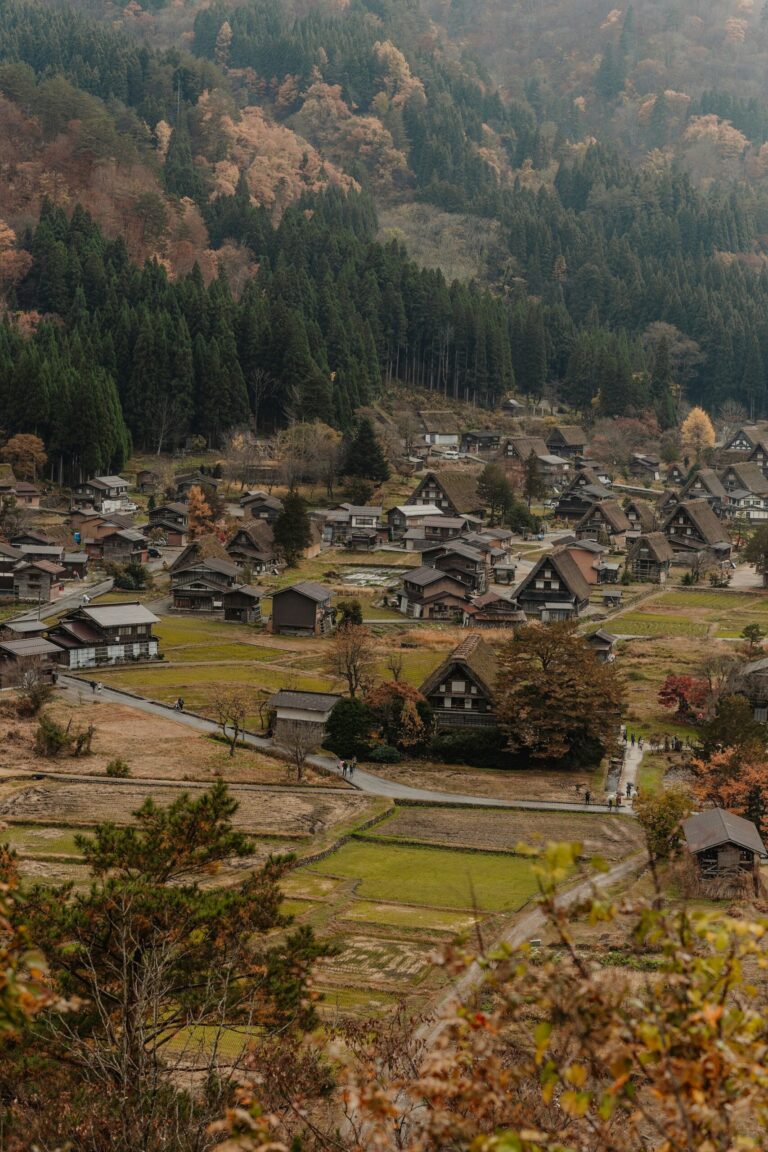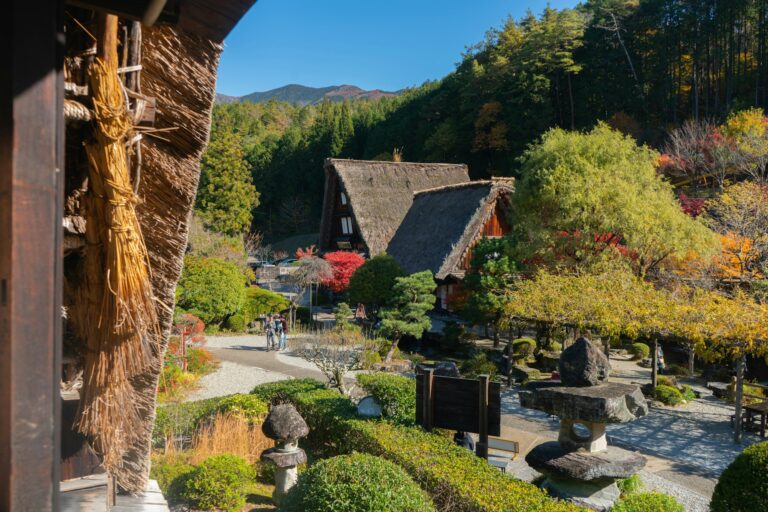
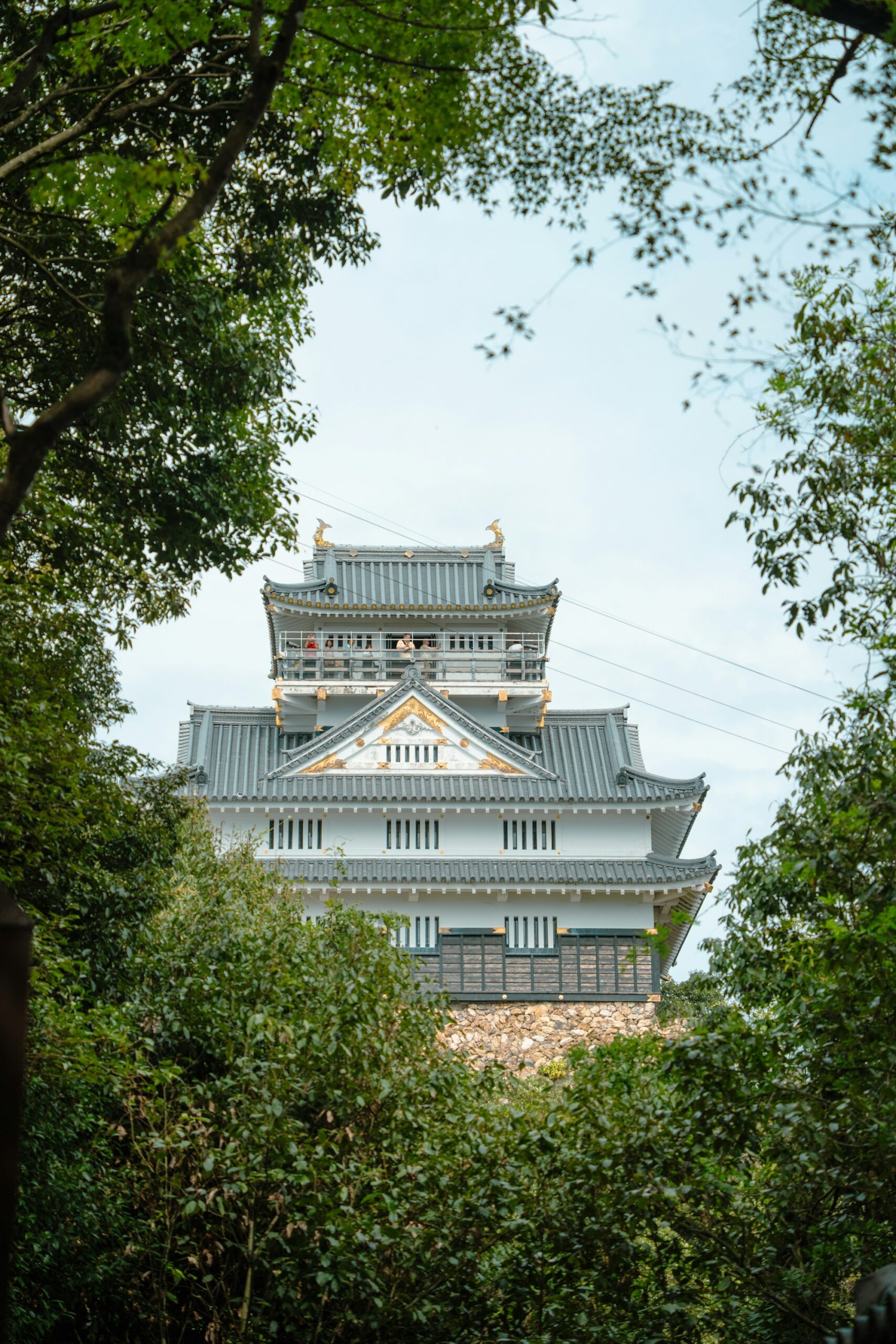
Gifu Castle, Nagara River cormorant fishing and the water town of Gujo Hachiman make southern Gifu Prefecture one of the easiest and most rewarding side trips from Nagoya. Gifu City sits only about 20 minutes from Nagoya by JR train, yet few international visitors stop, which means you can enjoy samurai history, a summer tradition that has continued for centuries and a mountain town of clear canals without the crowds of Kyoto. This guide explains what to see at each place, what has changed in 2026, how to get there and where to stay in Gifu City and the riverside Nagaragawa Onsen area.
1. Mount Kinka and Gifu Castle
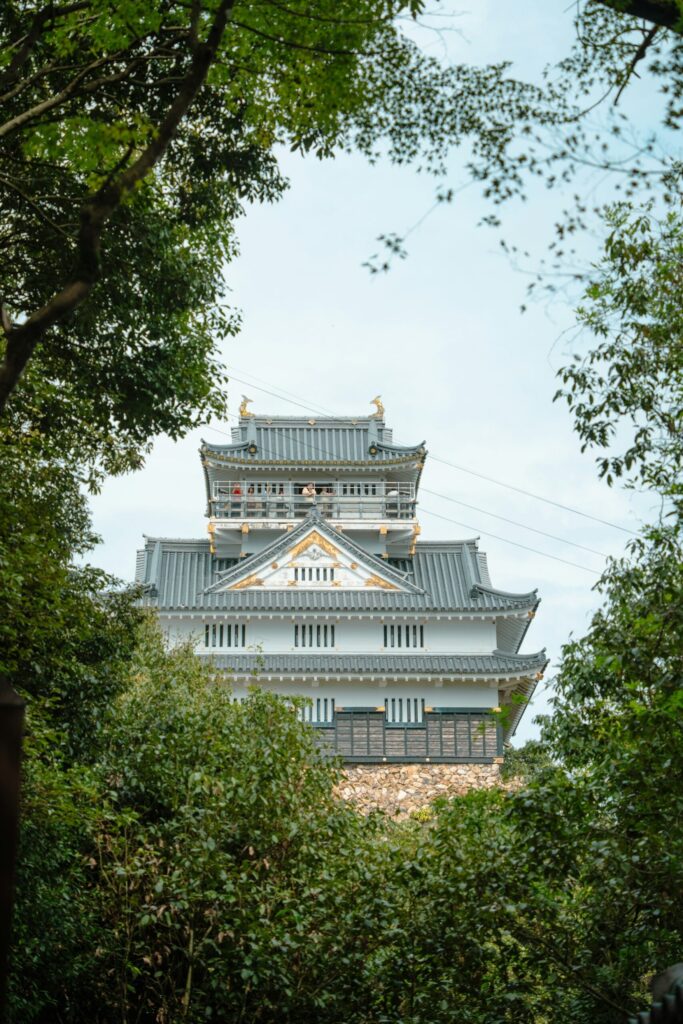
Gifu Castle crowns the summit of Mount Kinka, the forested peak that rises straight out of the city. The castle is closely linked to Oda Nobunaga, the warlord who began the unification of Japan in the 16th century and gave Gifu its name. The current keep is a modern reconstruction, but the real draw is the view: from the summit you can look across the Nagara River, the city and, on clear days, the Nobi Plain toward Nagoya. Important for 2026: the castle keep is closed for earthquake-proofing work from May 19, 2026 until late October 2027, with reopening planned for November 2027, so treat the summit as a viewpoint for now. The Mount Kinka Ropeway climbs from Gifu Park in about four minutes and costs 1,300 yen round trip or 800 yen one way for adults. It usually runs from 9:00 to 18:00, closing at 17:00 from October 17 to March 15, but check its operating status during the castle work. Fit walkers can also hike up on several trails.
2. Nagara River and Cormorant Fishing (Ukai)
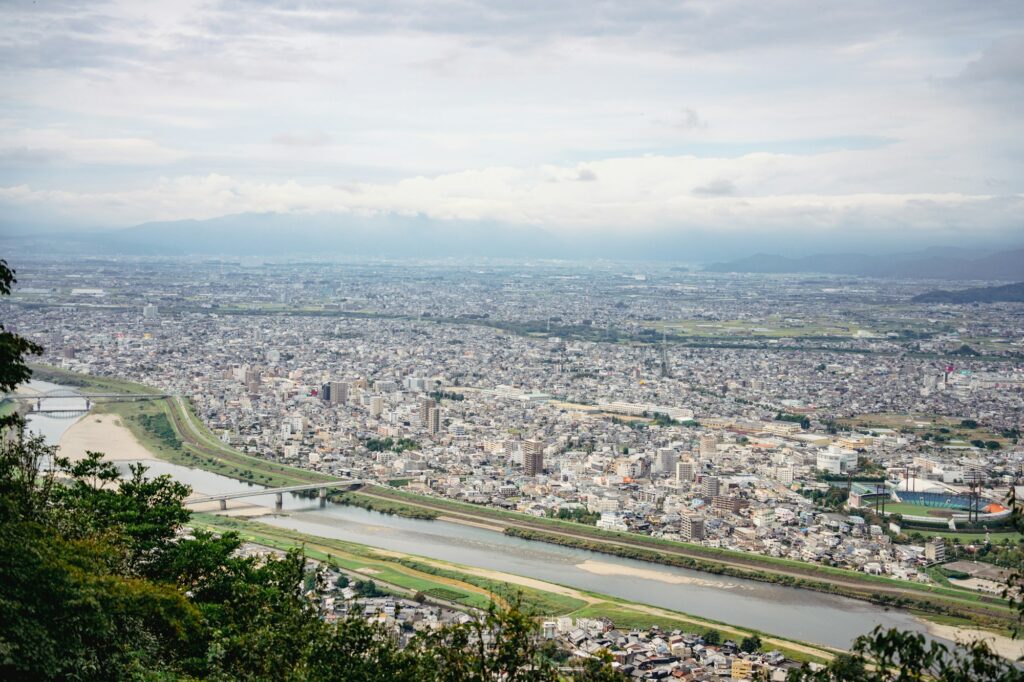
Below Mount Kinka, the clear Nagara River is home to ukai, a centuries-old method of fishing with trained cormorants. After dark, fishing boats drift downstream lit by blazing fire baskets, while masters in traditional dress guide a team of birds that dive for sweetfish. The cormorant masters of the Nagara hold an official title from the Imperial Household Agency, and watching them from a sightseeing boat is one of the most atmospheric evenings in central Japan. The season runs from May 11 to October 15, with no fishing on September 24 or when the river is high, so plan for the 2027 season if you are reading this in late autumn. Shared sightseeing boats cost 4,200 yen for adults on regular days and 5,100 yen on busy days, food not included; reservations are required on the official Gifu City ukai site. Fishing usually starts around 19:45. Buses from Gifu Station reach the Nagarabashi stop in about 15 minutes. By day, wander the old Kawaramachi merchant street nearby.
3. Gujo Hachiman
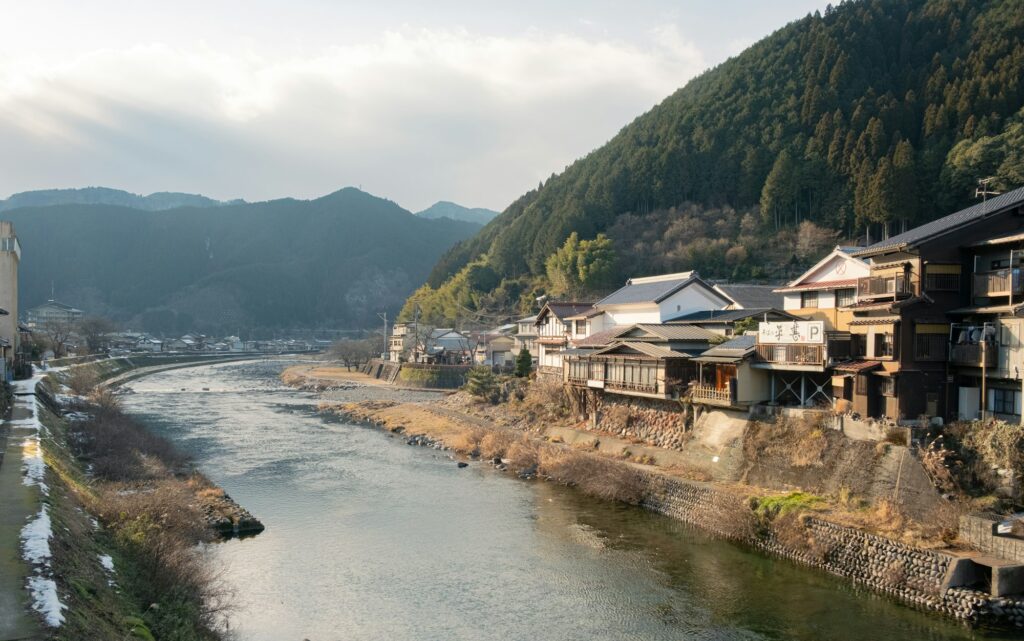
Gujo Hachiman is a small castle town in the mountains of central Gifu, famous for its spring water. Clear streams run through narrow canals beside wooden houses, and locals still use some of the old washing places. Visit Sogisui, a spring celebrated as one of Japan’s finest waters, then climb or drive up to Gujo Hachiman Castle, a wooden reconstruction with a sweeping view of the valley. The castle is open 9:00 to 17:00 most of the year (8:00 to 18:00 from June to August and until 16:30 from November to February) and closes from December 20 to January 10; admission is 400 yen, cash only. Gujo is also known for making realistic plastic food samples, and several workshops let you create your own tempura or lettuce, a fun souvenir. In summer, the town hosts Gujo Odori, a dance festival held on many nights from July to early September, with all-night dancing in mid-August. From Gujo-Hachiman Station on the Nagaragawa Railway, the Mame Bus takes about 20 minutes to the center. Highway buses also connect the town with Gifu and Nagoya.
Where to Stay Near Gifu City
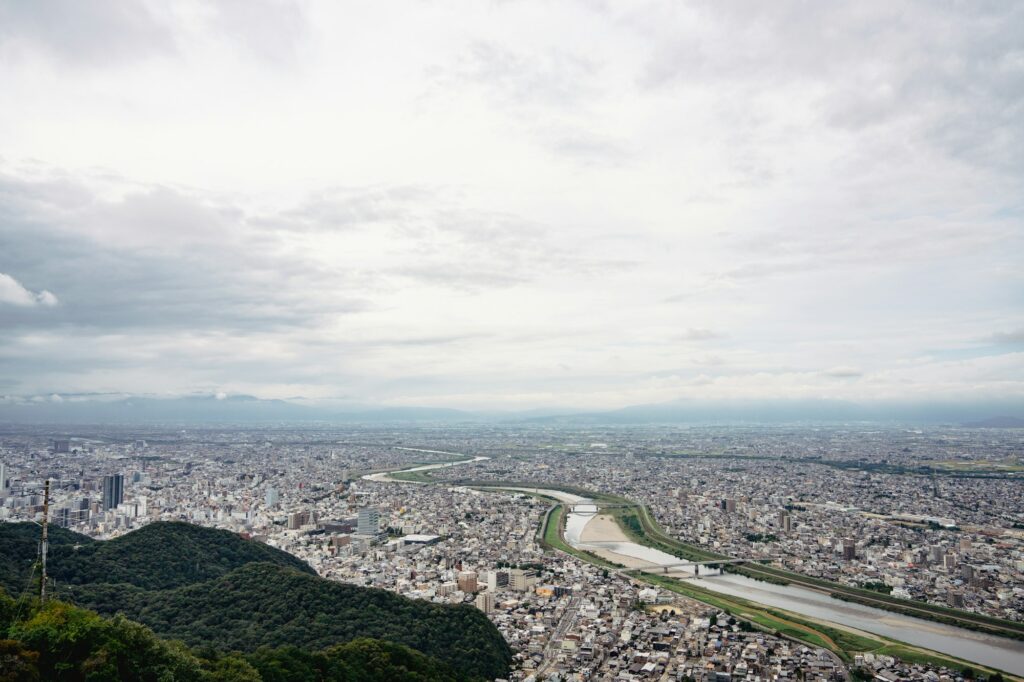 Where to stay: Gifu City
Hotel links in this section go to Orbitz. If you book through them, we may earn a commission at no extra cost to you.
Gifu City is a convenient base, with fast trains to Nagoya and Takayama from Gifu Station. For the most memorable stay, choose the Nagaragawa Onsen area on the river below Mount Kinka, where ryokan and hotels sit steps from the ropeway and the cormorant fishing boats. Business hotels around Gifu Station are better for early trains and budget trips.
Luxury
Juhachiro is a traditional ryokan in Nagaragawa Onsen, set on the Nagara River with views toward Mount Kinka. It is an excellent choice on cormorant fishing nights, with hot spring baths and Japanese-style rooms.
Riverside ryokan near Mount Kinka and the ukai boats.
Mid-Range
Gifu Grand Hotel is a large hotel in the Nagaragawa Onsen area with hot spring baths and river views, within easy reach of Gifu Park, the ropeway and the ukai boat docks.
Large hot spring hotel on the Nagara River.
Budget-Friendly
Dormy Inn Gifu Ekimae Natural Hot Spring is a reliable business hotel near Gifu Station with a natural hot spring bath, a smart pick if you plan to take early trains to Takayama, Gujo or Nagoya.
Dormy Inn Gifu Ekimae Natural Hot Spring
Business hotel with onsen baths near the station.
Compare prices before you book
Hotels in Gifu City on Orbitz
Stay by the Nagara River below Mount Kinka, or near Gifu Station for quick trains to Nagoya and Takayama.
Affiliate link — if you book through Orbitz, we may earn a commission at no extra cost to you.
Quick Tips for Visiting
- Gifu Castle’s keep is closed until late October 2027; check the ropeway’s operating status before you go.
- Book cormorant fishing boats in advance on the official site, and plan around the May 11 to October 15 season.
- Bring cash for Gujo Hachiman Castle, local buses and small shops.
- Combine Gifu City with Nagoya or Inuyama for an easy day trip, or stay overnight for the ukai.
- In Gujo, try a food sample workshop; book ahead in summer and on weekends.
Getting there by train: JR trains connect Nagoya and Gifu in about 20 minutes, and Gifu is also a stop on the Hida limited express to Gero and Takayama, both covered by the JR Pass. From Tokyo or Kyoto, take the Tokaido Shinkansen to Nagoya and change to the JR line, or use Gifu-Hashima Station on the Shinkansen. The Nagaragawa Railway to Gujo and the city buses are not covered by the JR Pass. Read our guide to riding trains in Japan, learn how to ride the Shinkansen, and check whether the JR Pass is worth it.
Frequently Asked Questions
Is Gifu Castle open in 2026?
No. The castle keep is closed for earthquake-proofing work from May 19, 2026 until late October 2027, with reopening planned for November 2027. You can still enjoy the views from Mount Kinka, but check the ropeway’s operating status first.
When is the cormorant fishing season in Gifu?
Cormorant fishing on the Nagara River runs from May 11 to October 15 each year, except September 24 and days when the river is high. Shared boats cost 4,200 yen for adults on regular days and 5,100 yen on busy days.
How do you get to Gujo Hachiman?
Take the Nagaragawa Railway to Gujo-Hachiman Station and then the Mame Bus, about 20 minutes, to the town center. Highway buses also run from Gifu and Nagoya.
Can you visit Gifu as a day trip from Nagoya?
Yes. Gifu City is about 20 minutes from Nagoya by JR train. For the cormorant fishing, which starts in the evening, staying overnight in Nagaragawa Onsen is more relaxing.