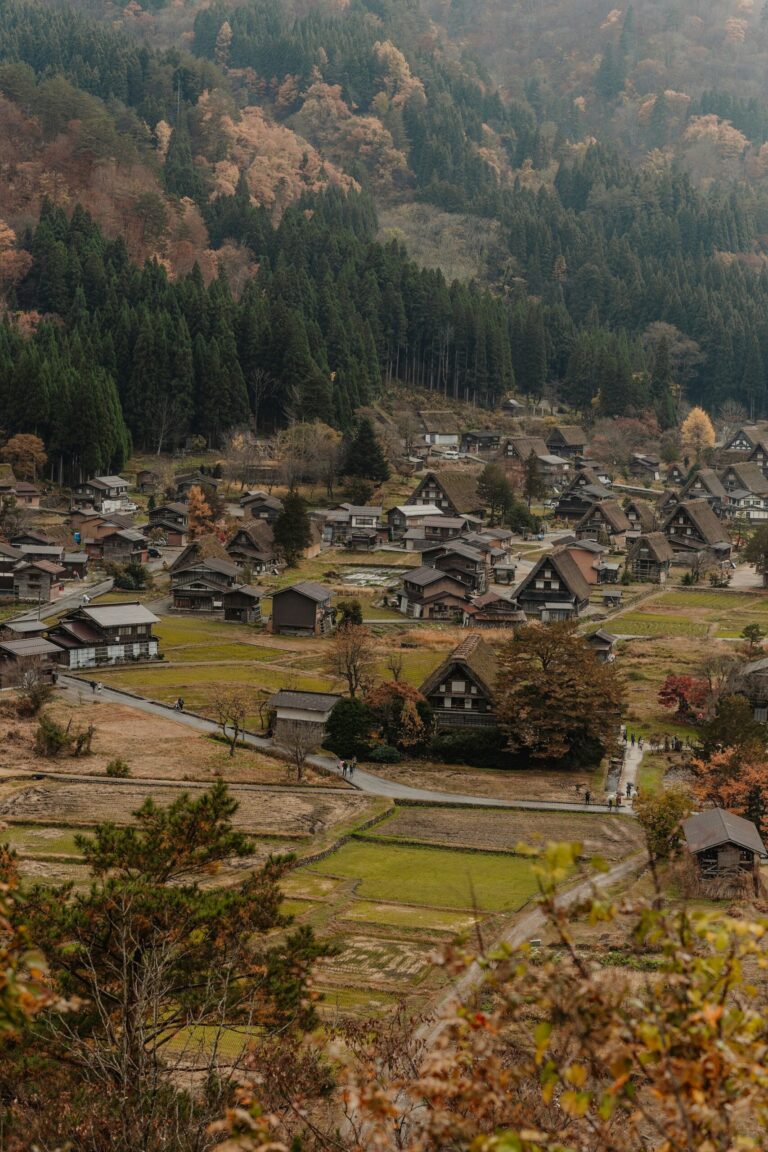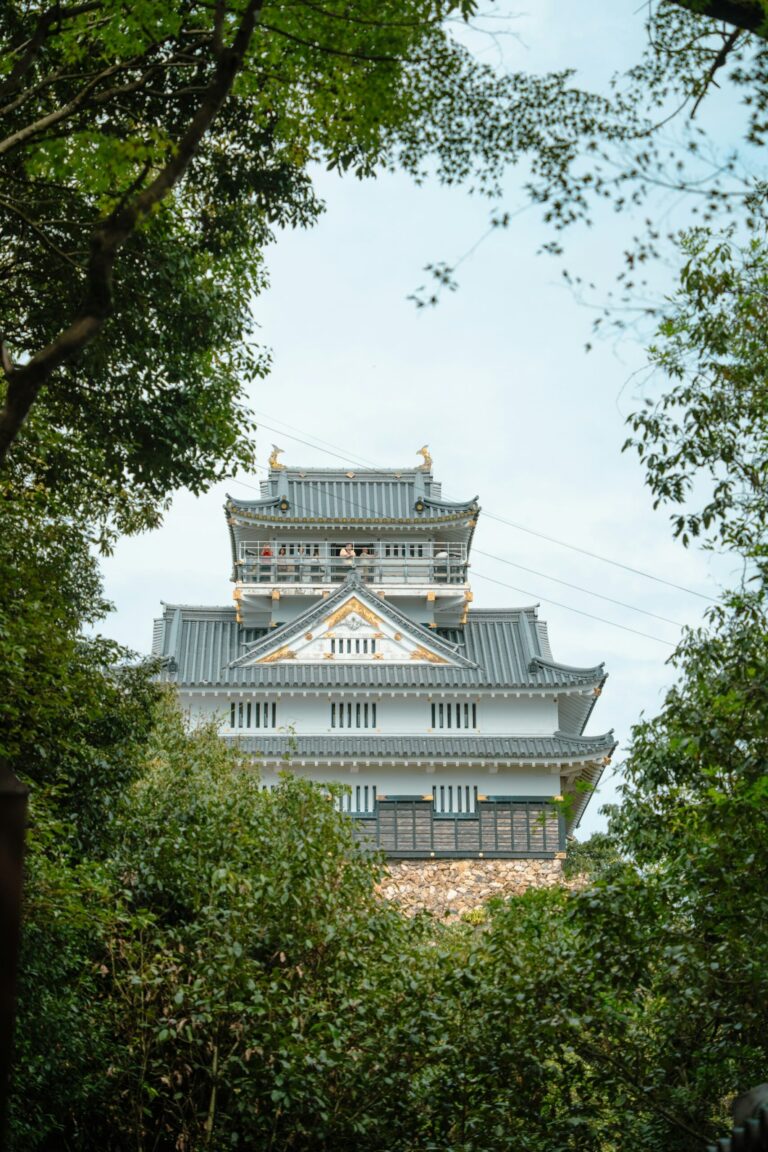
Gero Onsen, Okuhida and Magome-juku show the slower, more rural side of Gifu Prefecture: a famous hot spring town on the Hida River, a cluster of mountain onsen villages beneath the Northern Alps, and a hillside post town on the old Nakasendo road. They are ideal for travelers who want to add hot springs, alpine scenery and a classic hike to a trip through Takayama or Nagoya. This guide covers what to do at each spot, how the trains and buses work, and where to stay in Gero Onsen, one of the easiest places in Japan to try a traditional ryokan.
1. Gero Onsen
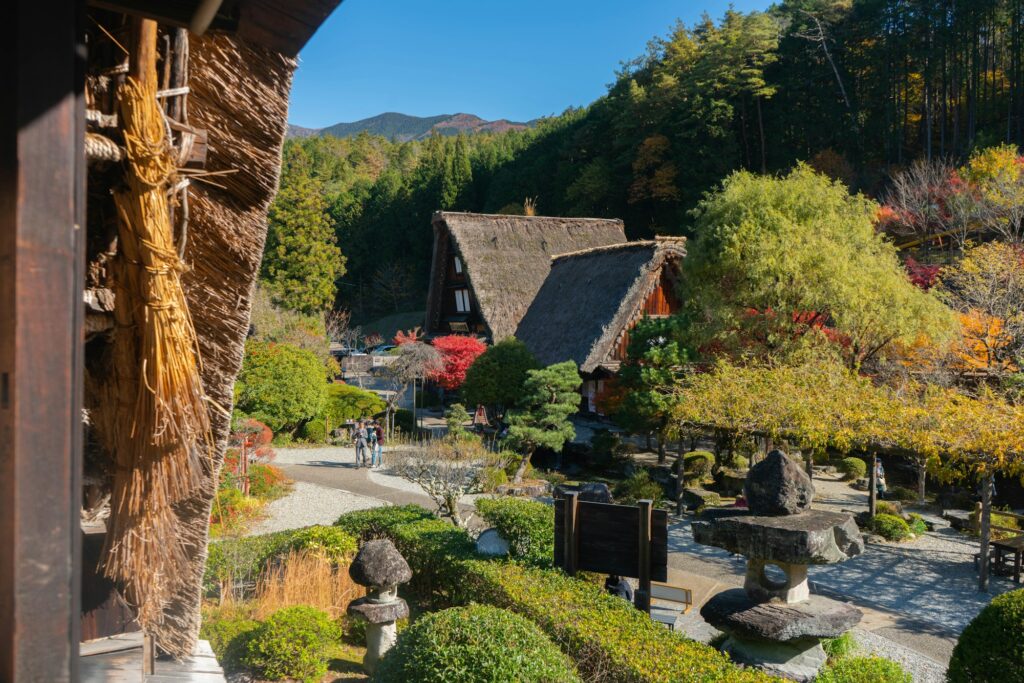
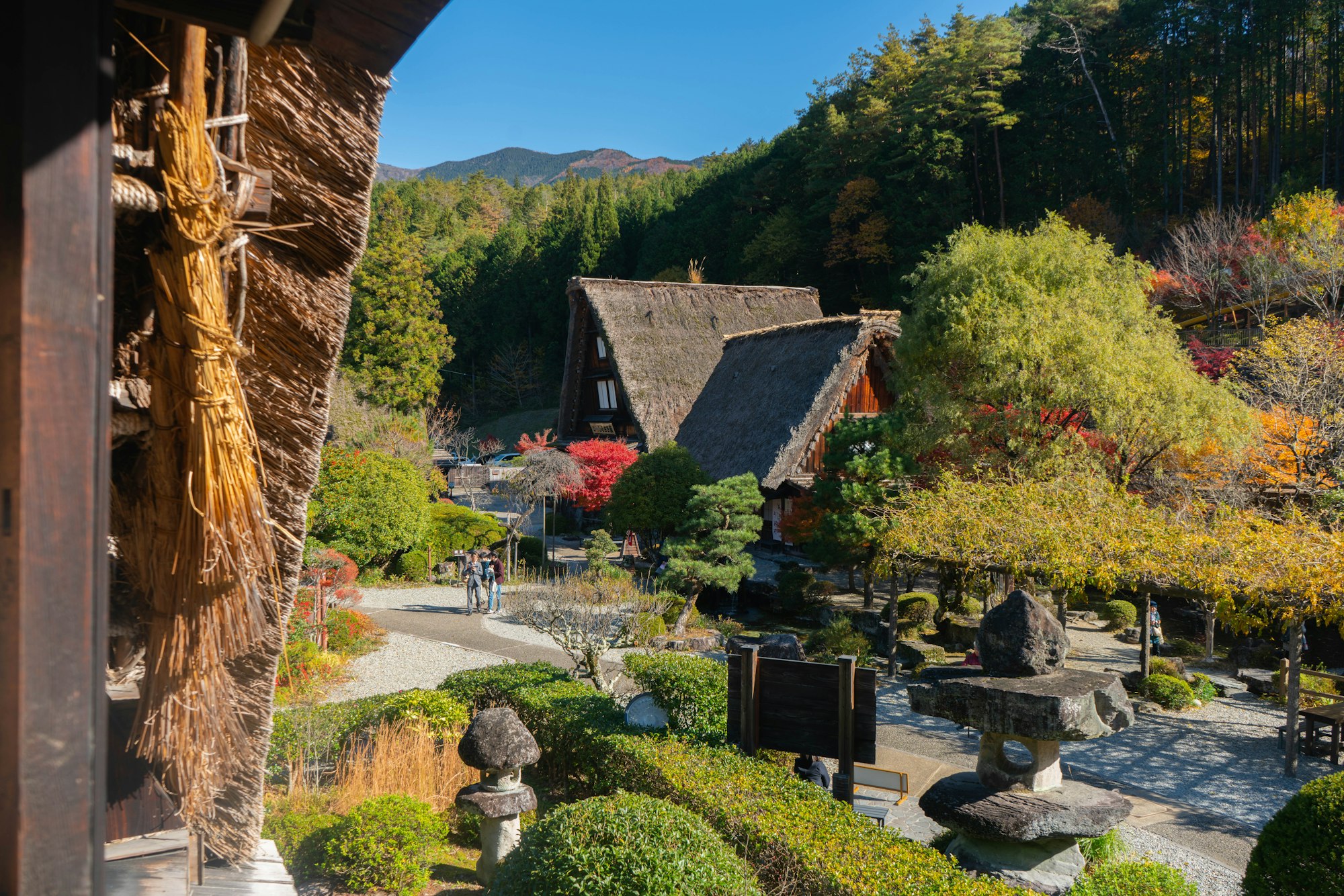
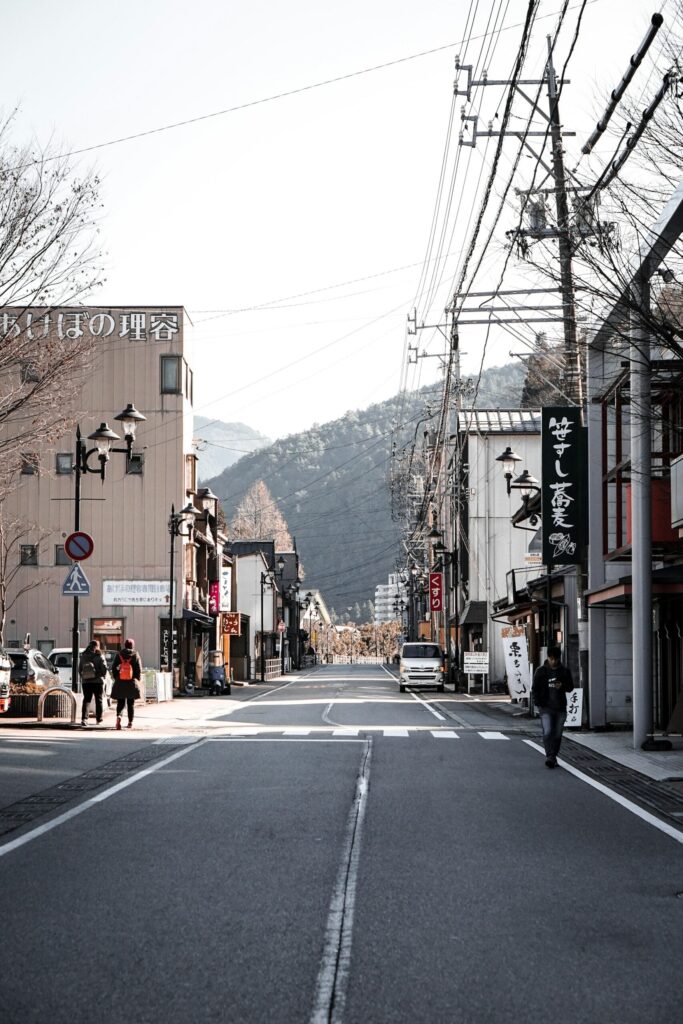
Gero Onsen is one of the most celebrated hot spring towns in Japan. In the Edo period, the scholar Hayashi Razan named it one of the country’s three finest hot springs, alongside Kusatsu and Arima, and its smooth, alkaline water is often described as making your skin feel silky. The town stretches along the Hida River, with ryokan, snack shops and several free foot baths where you can soak your feet while walking around. For a full bath without staying overnight, buy a Yumeguri Tegata, a wooden pass that costs 1,300 yen and gets you into three baths at participating ryokan; it is valid for six months. On the hillside above town, Gero Onsen Gassho Village displays thatched gassho-zukuri farmhouses moved from the region around a garden, a good option if you are not going to Shirakawa-go. Gero is on the JR Takayama line, about 90 minutes from Nagoya by Hida limited express and 45 minutes from Takayama, and the JR Pass covers it. Most ryokan are a short walk from Gero Station.
2. Okuhida Onsen and the Shinhotaka Ropeway
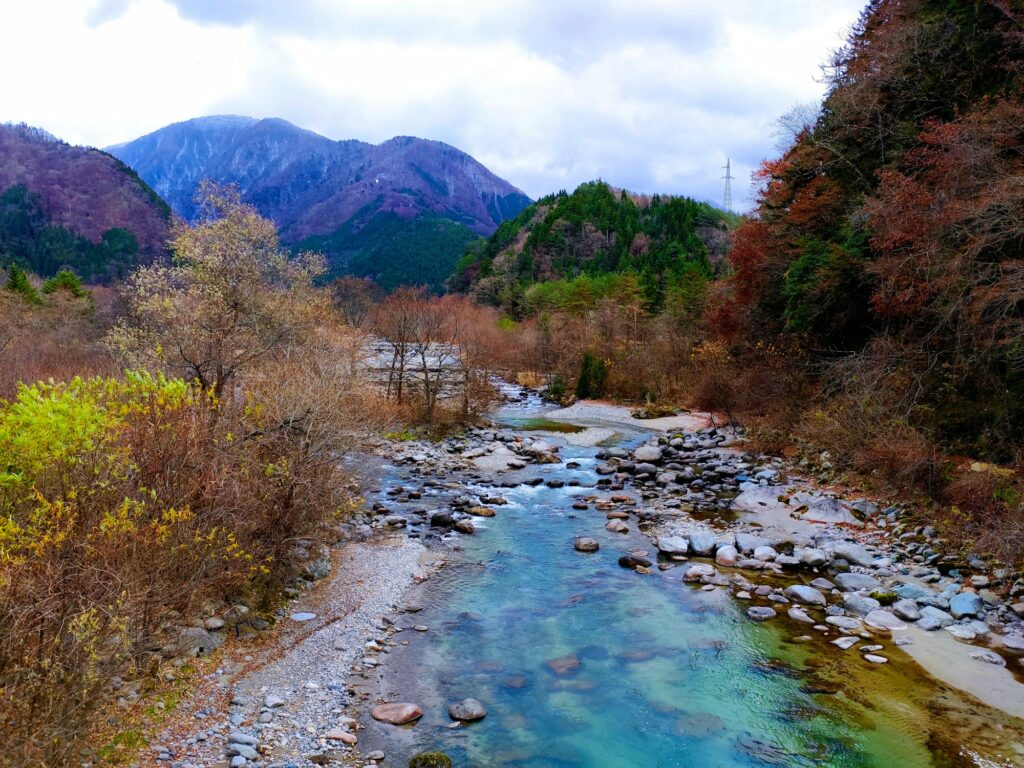
Okuhida Onsen is a group of hot spring villages, including Hirayu and Shinhotaka, tucked into the valleys at the foot of the Northern Alps east of Takayama. Many inns here have outdoor baths looking out at forested mountains, and the clear rivers and autumn colors make the drive or bus ride part of the experience. The highlight is the Shinhotaka Ropeway, which carries you up to a station at 2,156 meters in a double-decker gondola, described by the operator as the first of its kind in Japan. From the observation deck at the top, you can see the jagged peaks of the Hotaka range up close, and in winter the area is often deep in snow. A round trip on both ropeways costs 3,800 yen for adults. From April 1 to November 30 it runs from 8:30 to 16:00, starting at 8:00 in August and on October weekends and holidays, and from December to March it runs from 9:00 to 15:30. Nohi buses run from the Takayama bus terminal to the ropeway for 2,200 yen, roughly once an hour.
3. Magome-juku and the Nakasendo Trail
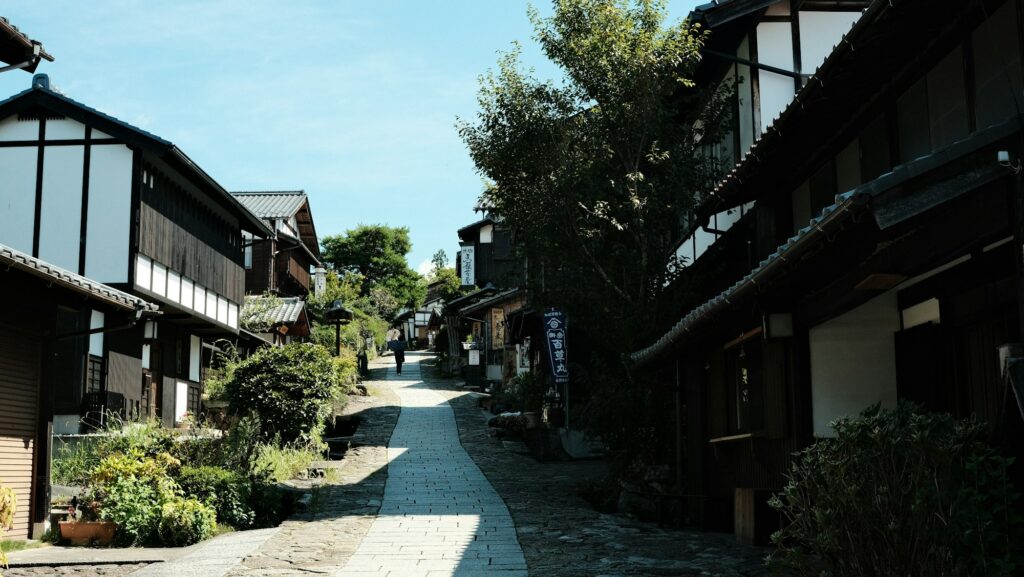
Magome-juku is a beautifully restored post town on the Nakasendo, the old inland highway that linked Edo (Tokyo) and Kyoto. Its stone-paved main street climbs a steep hillside lined with wooden inns, souvenir shops and cafes, and a waterwheel near the lower end makes for a classic photo. Magome is also the hometown of the novelist Shimazaki Toson, whose family home is now a museum. Most visitors come to walk the Nakasendo trail to Tsumago-juku in Nagano, about 8 kilometers through forests, past waterfalls and small villages, which takes 2 to 3 hours. Starting in Magome means less uphill walking. You do not need to carry your bags: from March 20 through November, the tourist information centers in Magome and Tsumago forward luggage between the two towns for 1,000 yen per item, if you drop it off between 8:30 and 11:30; bags can be picked up from 13:00 to 17:00. To reach Magome, take a JR train to Nakatsugawa Station and then a local bus up the hill.
Where to Stay Near Gero Onsen
 Where to stay: Gero Onsen
Hotel links in this section go to Booking.com. If you book through them, we may earn a commission at no extra cost to you.
Gero Onsen is a good overnight stop between Nagoya and Takayama, and it is one of the best places to experience a ryokan with dinner, breakfast and hot spring baths. Most hotels are clustered on both sides of the Hida River within walking distance of Gero Station. For Shinhotaka, stay in Takayama or Okuhida, and for Magome, Nakatsugawa is the closest station town.
Luxury
Yunoshimakan is a historic ryokan on a forested hillside above Gero, known for its traditional wooden buildings, garden and hot spring baths. It is ideal for a special night with a full Japanese dinner.
Historic ryokan above town with garden views.
Mid-Range
Suimeikan is one of Gero’s best-known hot spring hotels, a short walk from the station, with several baths including open-air options. It is a comfortable, easy choice for first-time visitors.
Large onsen hotel close to the station.
Budget-Friendly
Gero Onsen Bosenkan is a good-value option in Gero Onsen that still lets you enjoy the local hot spring water, a sensible pick if you want the onsen experience without the ryokan price.
Value ryokan-style stay in Gero Onsen.
Compare prices before you book
Hotels in Gero Onsen on Booking.com
Book a ryokan by the Hida River, soak in Gero’s famous hot springs and continue to Takayama the next morning.
Affiliate link — if you book through Booking.com, we may earn a commission at no extra cost to you.
Quick Tips for Visiting
- Carry a small towel for Gero’s free foot baths.
- Check the weather before riding the Shinhotaka Ropeway; clouds can hide the peaks.
- Bring warm layers for Okuhida, even in summer, as the summit station is above 2,000 meters.
- Use the luggage forwarding service for the Magome to Tsumago walk.
- Many ryokan serve dinner at a set time, so check in on time.
Getting there by train: Gero is on the JR Takayama line, about 90 minutes from Nagoya by Hida limited express, which the JR Pass covers. For Okuhida, continue to Takayama and take a Nohi bus to Hirayu or Shinhotaka. For Magome, take the JR Chuo line from Nagoya to Nakatsugawa, then a local bus. Nohi buses and local buses are not covered by the JR Pass. Read our guide to riding trains in Japan, learn how to ride the Shinkansen, and check whether the JR Pass is worth it.
Frequently Asked Questions
Why is Gero Onsen famous?
Gero Onsen was named one of Japan’s three finest hot springs, alongside Kusatsu and Arima, by the Edo-period scholar Hayashi Razan. It is known for smooth, alkaline water and free foot baths around town.
How much is the Shinhotaka Ropeway?
A round trip on both sections of the Shinhotaka Ropeway costs 3,800 yen for adults. The top station is at 2,156 meters.
How long is the walk from Magome to Tsumago?
The Nakasendo trail between Magome-juku and Tsumago-juku is about 8 kilometers and takes 2 to 3 hours. Starting from Magome involves less uphill walking.
Can you visit Gero Onsen as a day trip?
Yes. Buy a Yumeguri Tegata pass for 1,300 yen to use three baths at participating ryokan, and enjoy the free foot baths. Staying overnight in a ryokan is the best way to experience the town.