Last checked: October 2026 · Part of our Japan convenience store guide
This guide contains affiliate links. If you buy through them, we may earn a commission at no extra cost to you.
Japan takes cards in far more places than it used to, but cash still matters: small restaurants, shrines, rural buses and many ticket machines expect yen. The good news for US travelers is that getting cash is easy once you know which ATMs take foreign cards. This guide covers the machines that work with a US debit or credit card, what each one accepts, withdrawal limits, and the one screen where you should always choose yen.
- Easiest: Seven Bank ATMs in 7-Eleven stores accept Visa, Mastercard, American Express, JCB, UnionPay, Discover and Diners Club cards, with an English menu.
- Also good: Lawson Bank ATMs (Visa, Mastercard, JCB, UnionPay) and Japan Post Bank ATMs at post offices (Visa, Mastercard, JCB, UnionPay, Discover).
- Limits: up to ¥100,000 per withdrawal at Seven Bank (¥30,000 with a magnetic-stripe transaction); ¥50,000 at Lawson Bank and Japan Post Bank.
- Fees: Japanese ATMs may charge a fee for overseas cards, and your US bank may add its own. The ATM shows its fee before you confirm.
- Currency screen: if the ATM offers to bill you in US dollars, choose yen instead.
Find the nearest 7-Eleven ATM
The map shows an example area. Tap a button below to open Google Maps in English with the stores closest to you right now (allow location access for the best results).
Which ATMs in Japan take foreign cards?
Many ATMs inside Japanese bank branches only work with Japanese bank cards. For a card issued in the US, stick to the networks below. The official card lists change from time to time, so always check the logos on the machine.
| ATM network | Where you find it | Foreign cards accepted | Max per withdrawal |
|---|---|---|---|
| Seven Bank | 7-Eleven stores, some stations and airports | Visa, Mastercard, American Express, JCB, UnionPay, Discover, Diners Club | ¥100,000 (¥30,000 for magnetic-stripe transactions) |
| Lawson Bank | Lawson stores | Visa, Plus, Mastercard, Maestro, Cirrus, JCB, UnionPay | ¥50,000, in ¥10,000 units |
| Japan Post Bank | Post offices, some FamilyMart stores | Visa, Plus, Mastercard, Maestro, Cirrus, JCB, UnionPay, Discover | ¥50,000 |
| AEON Bank | AEON malls and supermarkets | Visa, Plus, Mastercard, Maestro, Cirrus, JCB, UnionPay, Discover | ¥50,000 |
Sources: Seven Bank, Lawson Bank, Japan Post Bank and AEON Bank official English ATM pages (checked October 2026). Your own bank may set a lower daily limit.
7-Eleven (Seven Bank): the safest bet
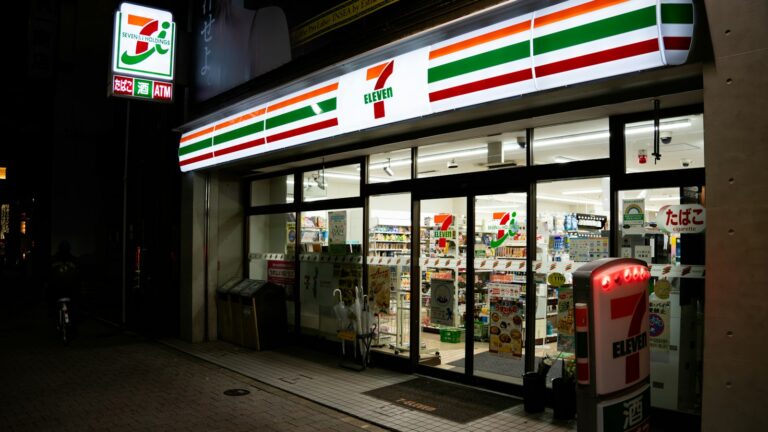
With 7-Eleven stores on almost every block in Japanese cities, Seven Bank ATMs are the easiest place to withdraw yen. They accept the widest range of overseas cards, and the screens and receipts are available in 12 languages, including English. The machines run every day of the year: Visa and Mastercard cards work around the clock, while other brands have short overnight breaks (JCB, UnionPay and Discover from 00:10 to 23:50, for example). Maintenance can occasionally take a machine offline.
Seven Bank says the fee for overseas cards varies by card brand, and the amount appears on screen before you confirm. Read more about the store itself in our 7-Eleven Japan guide.
Lawson Bank ATMs
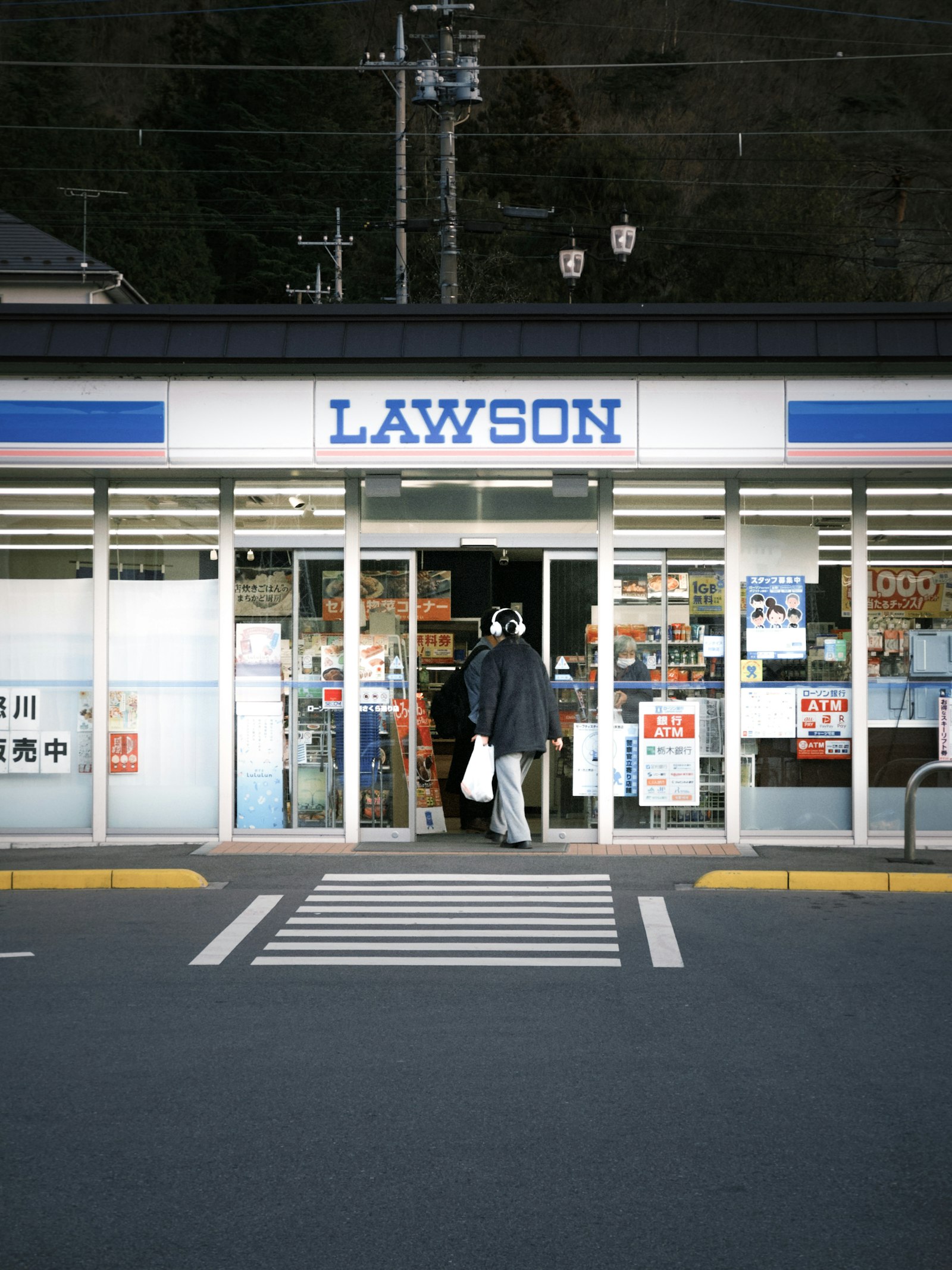
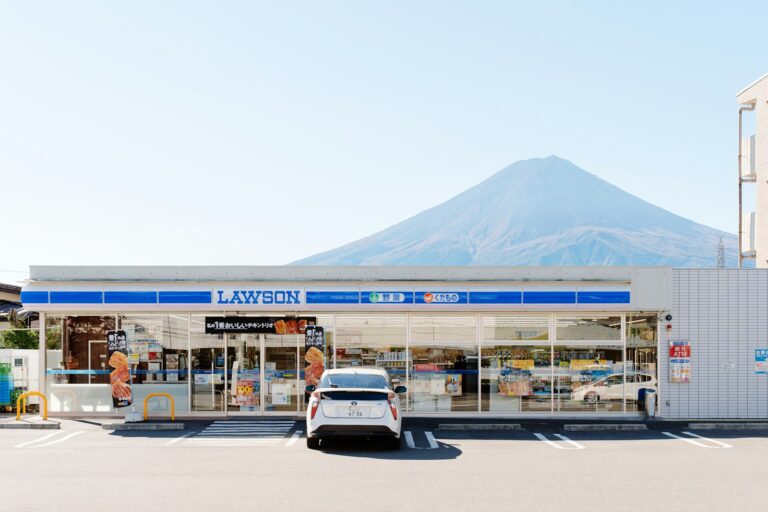
Lawson Bank ATMs accept overseas Visa, Mastercard, JCB and UnionPay cards (plus Plus, Maestro and Cirrus). American Express and Discover are not on Lawson Bank’s list, so Amex and Discover holders should head to 7-Eleven instead. You can take out up to ¥50,000 per withdrawal in ¥10,000 units. The machines run 24 hours, apart from a short maintenance break between 3:00 and 4:00 a.m. A transaction fee applies and is shown on screen. More in our Lawson guide.
Japan Post Bank ATMs (post offices)
Post office ATMs are useful in smaller towns where there may be no 7-Eleven nearby. They accept Visa, Mastercard, JCB, UnionPay and Discover (plus Plus, Maestro and Cirrus), but not American Express or Diners Club. Japan Post Bank charges ¥220 per withdrawal for certain cards issued abroad, and the limit is ¥50,000 per transaction. Unlike convenience store ATMs, post office ATMs are not 24 hours: many open around 7:00 a.m. and close in the evening, with shorter hours on Sundays and holidays and around New Year. Check the hours on the machine or at the post office.
FamilyMart and other ATMs
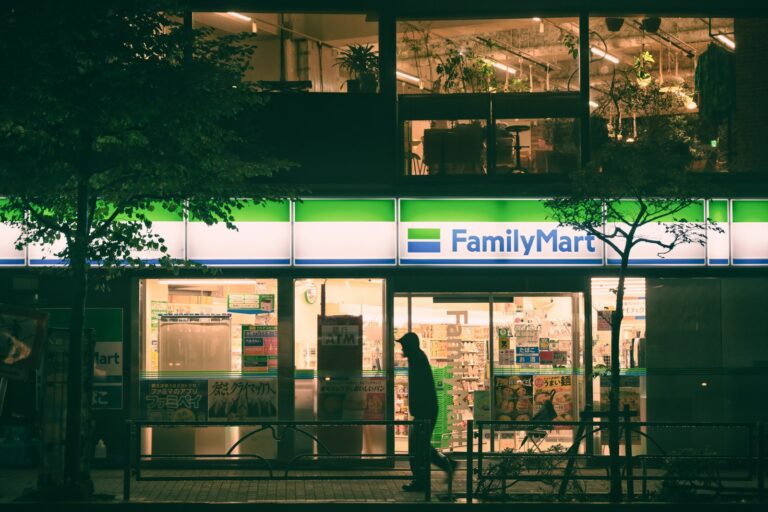
FamilyMart stores mostly have E-net ATMs, and some have Japan Post Bank ATMs. In June 2026 the first new “FamilyMart ATM” built with Seven Bank opened in Tokyo, and more are being rolled out over the next few years. Support for foreign cards depends on the machine, so check the card logos on screen. AEON Bank ATMs in AEON malls also take most major foreign cards, and the major airports (Narita, Haneda, Kansai and Chubu Centrair) have ATMs that accept overseas cards, which is handy when you land. See our FamilyMart guide for more.
How to withdraw yen, step by step
- Choose EnglishTap the language button on the first screen.
- Insert your cardUse the card slot and follow the prompts on screen.
- Select “Withdrawal”You withdraw yen; the machine does not dispense dollars.
- Enter your PINMost US cards use a 4-digit PIN. Ask your bank for one before you fly if you don’t have one.
- Choose the amount in yenPick a preset amount or type your own. Check the fee shown on screen before confirming.
- Choose yen if asked about currencyIf the machine offers to charge you in US dollars, decline and pick yen (see below).
- Take your cash, card and receiptDouble-check that you have your card before you walk away.
Dollars or yen? Always choose yen
At Seven Bank ATMs, Visa and Mastercard holders may be offered the choice of being charged in their home currency. If you pick US dollars, the exchange rate is fixed at the ATM. If you pick yen, your card network and bank convert it when they bill you. Seven Bank does not publish the rate it uses for the dollar option. As a rule of thumb, choosing yen and letting your own bank convert it is the safer choice, especially if your card has no foreign transaction fee.
How much cash do you need in Japan?
Card use keeps growing: Japan’s Ministry of Economy, Trade and Industry put the country’s cashless payment ratio at 42.8% in 2024. Even so, the Japan National Tourism Organization advises visitors to keep cash on hand. You will still need yen for some small restaurants and shops, temple and shrine offerings, rural buses, many ticket machines and for topping up a physical IC card. Our Suica guide explains how to load a transit card.
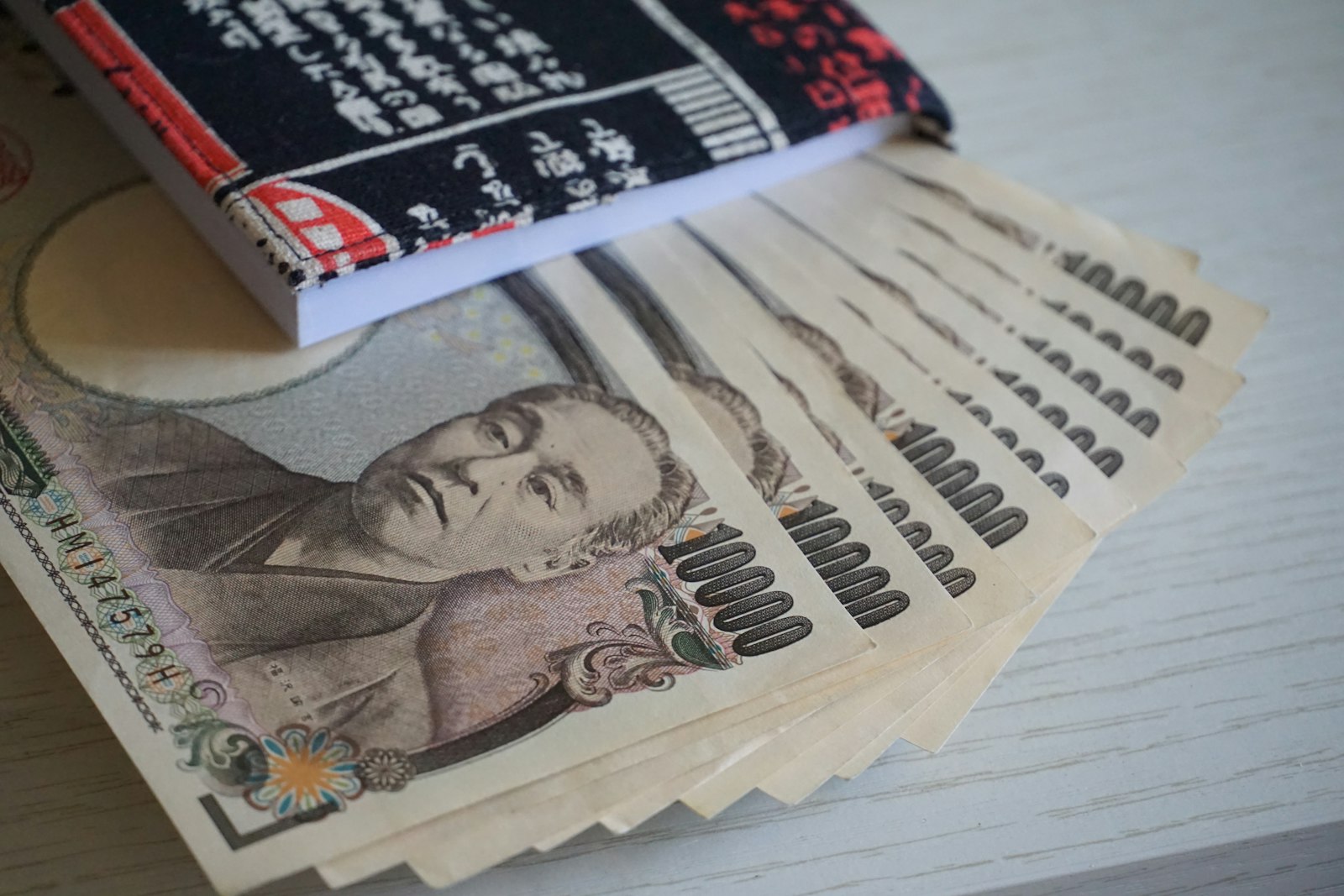
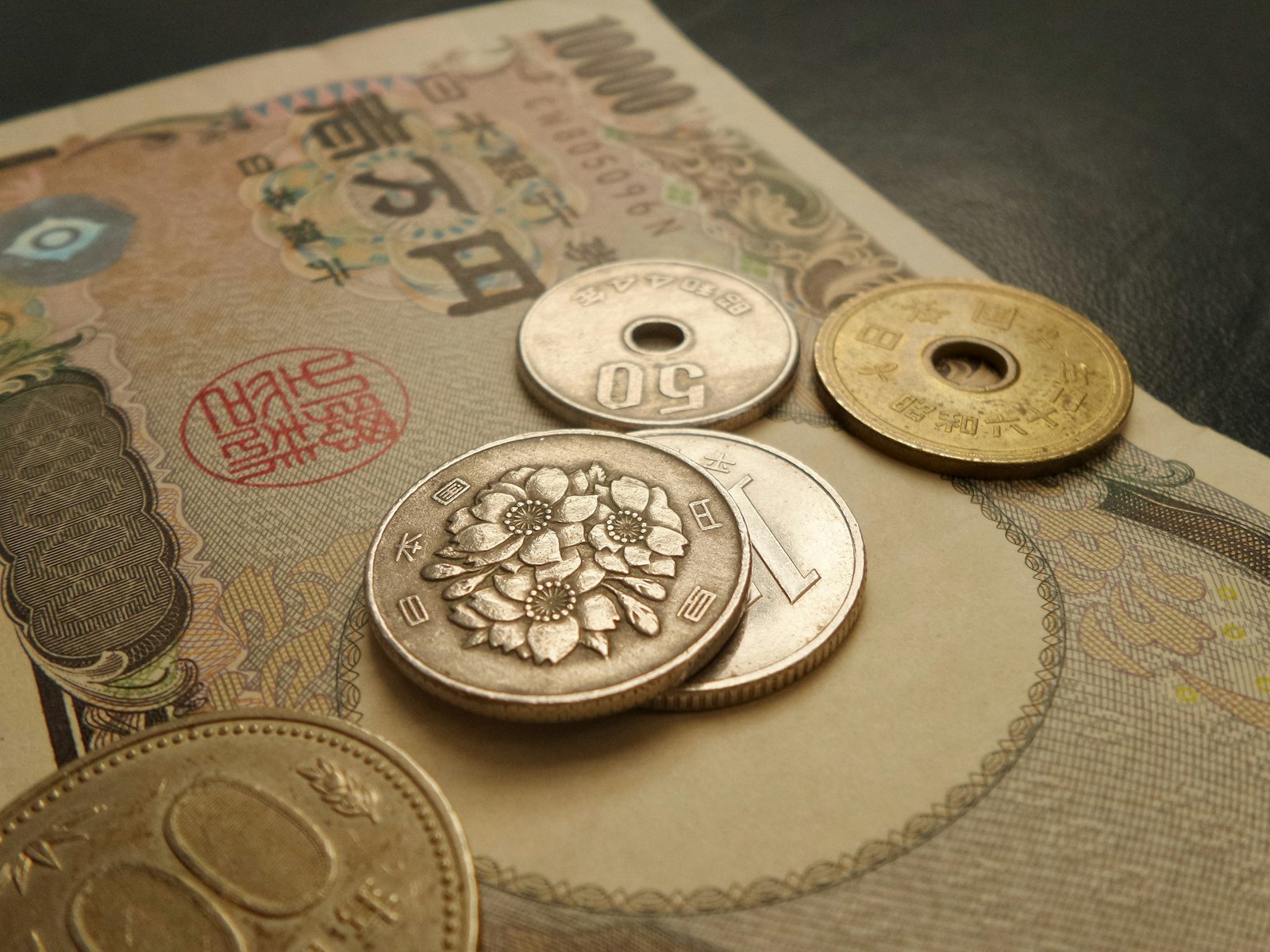
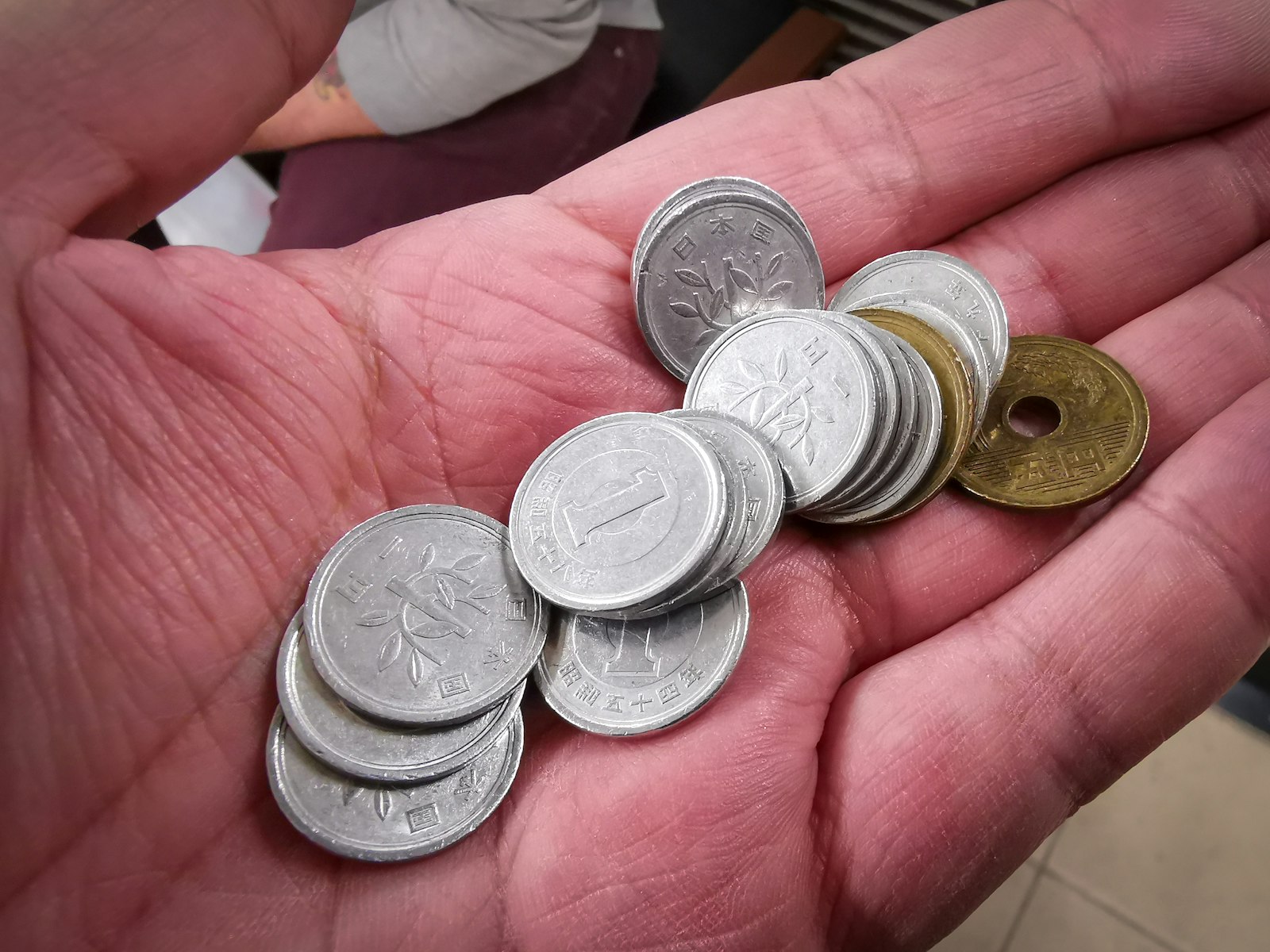
Japan issued new banknotes on July 3, 2024: ¥10,000 (Shibusawa Eiichi), ¥5,000 (Tsuda Umeko) and ¥1,000 (Kitasato Shibasaburo). The older notes remain valid, so you will get a mix of both. Coins come in ¥1, ¥5, ¥10, ¥50, ¥100 and ¥500, and the newer two-tone ¥500 coin circulates alongside the old one.
A wallet that handles yen coins

Pick 01 · Best for coins and cards
Leather Wallet with Coin Pocket
A classic bifold in genuine cow leather with card slots, a bill section and a snap coin pocket, so ¥100 and ¥500 coins stop sliding around your bag.
Good to know: Empty the coin pocket into a ticket machine or a konbini register before it gets too bulky.
See colors & price →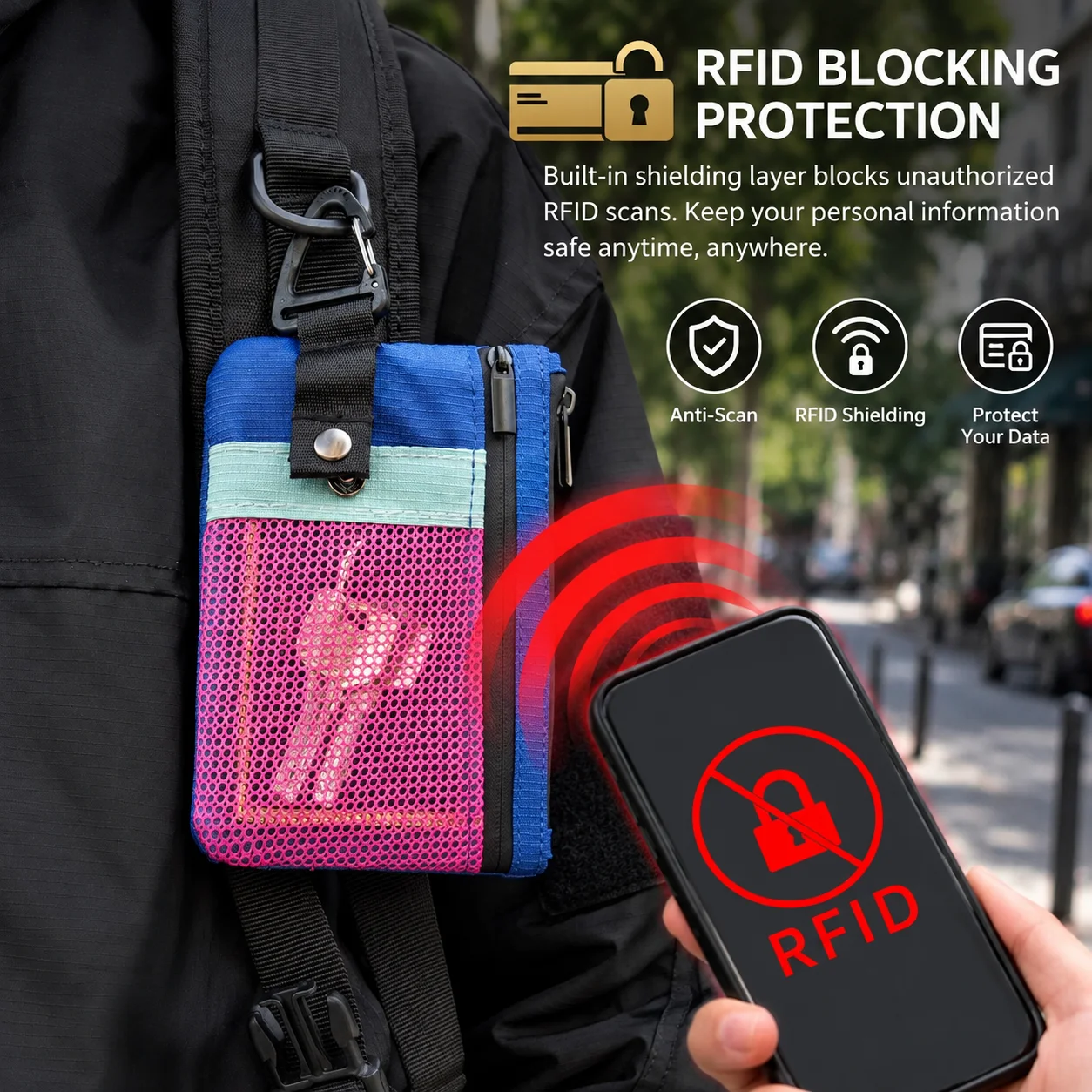
Pick 02 · Best for day trips
Minimalist RFID Wallet with Zipper Coin Pouch
A compact wallet with a zip coin pouch, an ID window and a lanyard. Clip it to your daypack for temples, markets and train stations.
Good to know: The clear ID window is a handy spot for a card you show or tap often.
See colors & price →Prices, colors and shipping times change on AliExpress. Check the listing before you order.
Checking your bank app on public Wi-Fi
If your card gets declined at an ATM, you will probably open your banking app on whatever Wi-Fi is around: a station, a café or a convenience store. Free networks are shared, and some are not encrypted. Read Is Free Wi-Fi Safe in Japan? before you log in, and consider a VPN for banking on the go (our VPN guide explains when you need one).
A VPN encrypts your connection on public networks. NordVPN has servers in Tokyo and Osaka and works on up to 10 devices.
Check NordVPN plans →Affiliate link. 30-day money-back guarantee per NordVPN’s terms.FAQ
Which ATMs in Japan accept US cards?
Seven Bank ATMs in 7-Eleven stores accept the widest range: Visa, Mastercard, American Express, JCB, UnionPay, Discover and Diners Club. Lawson Bank, Japan Post Bank and AEON Bank ATMs also accept many foreign cards, but not all brands. Check the logos on the machine.
How much can I withdraw from a Japanese ATM?
Seven Bank allows up to ¥100,000 per withdrawal with an overseas card (¥30,000 for magnetic-stripe transactions). Lawson Bank, Japan Post Bank and AEON Bank allow up to ¥50,000 per withdrawal. Your own bank may set a lower daily limit.
Do Japanese ATMs charge fees for foreign cards?
Often, yes. Japan Post Bank charges ¥220 per withdrawal for certain overseas cards, and Seven Bank and Lawson Bank fees vary by card. The fee is shown on screen before you confirm. Your US bank may charge its own foreign ATM fee as well.
Should I choose dollars or yen at a Japanese ATM?
Choose yen. If you pick US dollars, the exchange rate is fixed by the ATM operator, which does not publish its rate. Choosing yen lets your own card network and bank do the conversion, which is usually the safer choice.
Are 7-Eleven ATMs in Japan open 24 hours?
Seven Bank ATMs operate every day of the year. Visa and Mastercard cards can be used 24 hours, while other brands have short overnight breaks, and machines can be down briefly for maintenance.