Last checked: September 2026 · Part of our Japan rental car guide
Japan’s expressways are fast, spotless and dotted with some of the best rest stops in the world. They are also toll roads, and the toll gates have their own color code and machines. With an ETC card and a basic plan, tolls become something you simply pay when you return the car. This guide covers how the system works, what it costs, and the unlimited expressway passes sold only to foreign visitors.
- Almost every expressway charges tolls, roughly ¥25 per km plus a base fee for a regular car. Tokyo to Kyoto is about ¥10,000 one way.
- Rent an ETC card with your car (usually a few hundred yen per rental). Insert it before you start the engine and drive through the purple ETC lanes at 20 km/h. Tolls are settled when you return the car.
- No ETC card? Use the green 一般 (general) lanes: take a ticket at the entrance and pay cash or card at the exit.
- Foreign visitor passes give unlimited expressway driving in Hokkaido, Tohoku, San’in-Setouchi-Shikoku and Kyushu. The nationwide Japan Expressway Pass is no longer sold.
Find an expressway rest stop near you
The map shows an example area. Tap a button to open Google Maps in English with the service areas and roadside stations closest to you right now.
How Japanese expressway tolls work
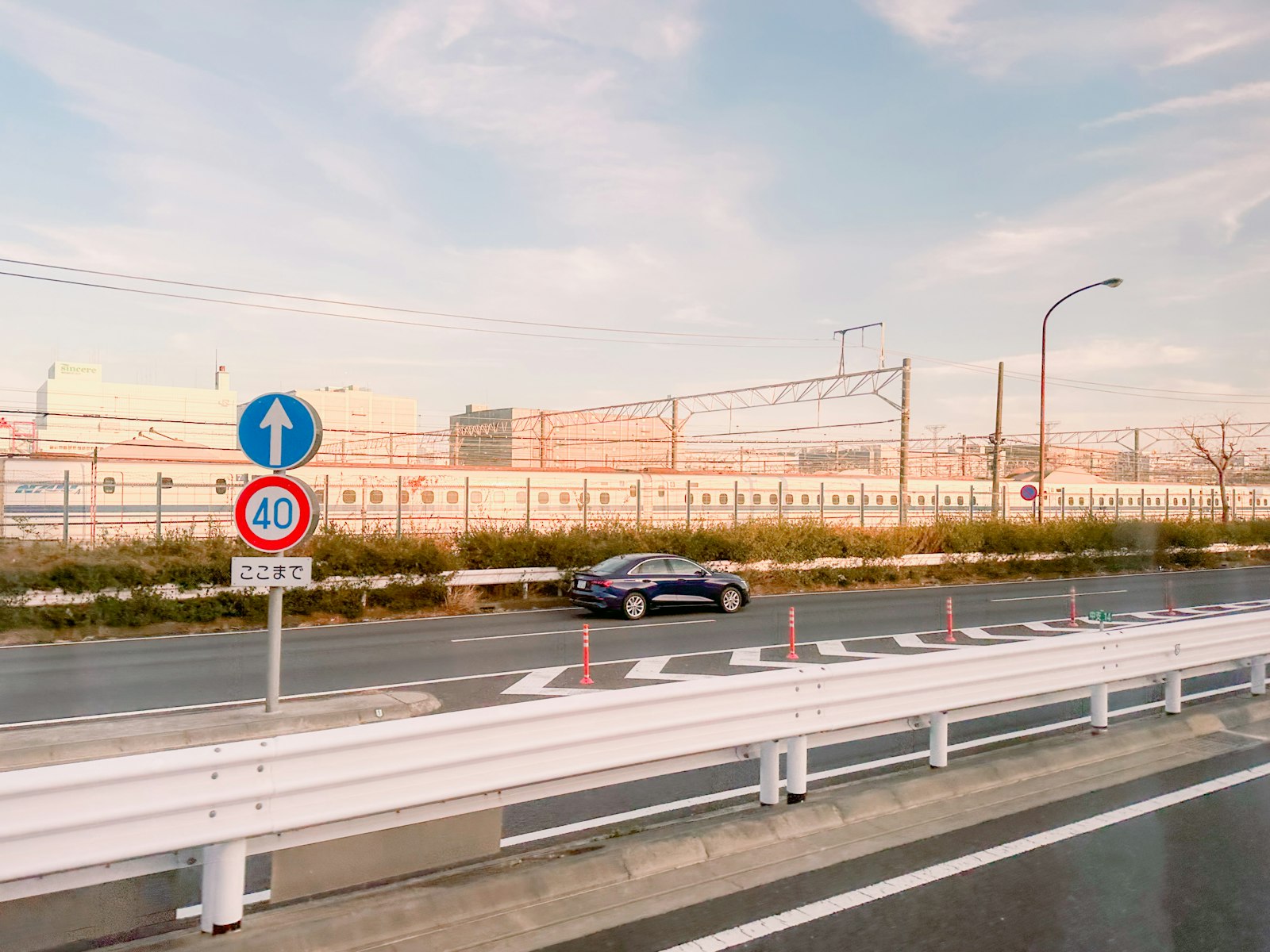
Most expressways are run by NEXCO East, Central and West and charge by distance: you pick up a record at the entrance and pay at the exit. Urban networks such as the Shuto Expressway in Tokyo and the Hanshin Expressway in Osaka and Kobe use their own distance-based fares. Either way, an ETC card handles everything automatically.
| Trip (regular car, one way) | Rough toll |
|---|---|
| Tokyo IC → Kyoto-Higashi IC (Tomei / Shin-Tomei / Meishin) | about ¥10,000 |
| Sapporo-Kita IC → Asahikawa-Takasu IC (Hokkaido) | about ¥3,800 |
Standard tolls for a regular car, September 2026. ETC time-of-day discounts can lower them; kei cars pay about 20% less. Use the NEXCO “Drive Plaza” route search for exact tolls.
ETC cards for rental cars
A card for the car’s reader
ETC (Electronic Toll Collection) is Japan’s version of E-ZPass. The reader is built into most rental cars; you just need the card.
Add it when you book
Rental companies lend ETC cards for a small fee. Foreign visitors can’t get their own ETC card, so this is the way.
Settled at return
The card records every toll. When you return the car, staff read it and charge the total to your card or take cash.
Insert it before you start
If the car says “ETCカードが挿入されていません” (no ETC card inserted), stop and insert it before the next gate.
Toll gate lanes: which one to pick
As you approach a toll plaza, signs above each lane tell you who can use it. Purple means ETC, green means general (cash and cards).
Illustration of the lane color code at a Japanese toll plaza.
- With an ETC card: slow to 20 km/hTake the purple ETC lane and slow down. The bar lifts as the reader beeps and a voice confirms. Don’t tailgate: the bar can close if the car in front has a problem.
- Without ETC: take a ticket (通行券)At the entrance, stop at the green 一般 lane and pull a ticket from the machine.
- At the exit: payIn the 一般 lane, hand the ticket to staff or insert it into the machine, then pay by cash or credit card. The screen shows the amount (料金).
- If the bar doesn’t openStop, turn on your hazards and don’t reverse. Press the call button (インターホン) and staff will guide you. It’s common and easy to fix.
Expressway passes for foreign visitors
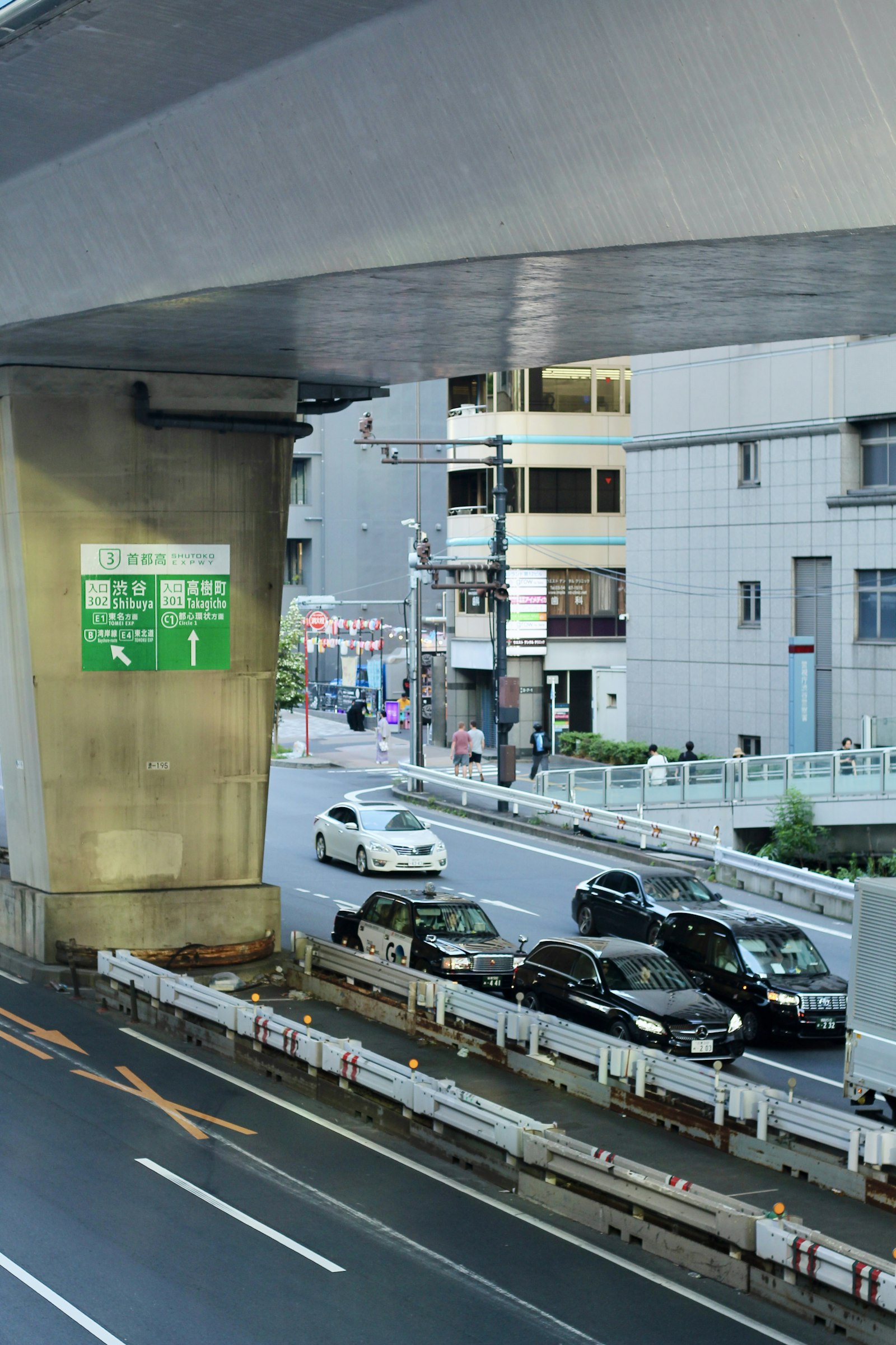
Regional NEXCO passes let visitors with a non-Japanese passport drive unlimited on covered expressways for a flat fee. You book them through participating rental companies together with the car and an ETC card; they aren’t sold separately.
| Pass | Days | Price (regular car) | Good for |
|---|---|---|---|
| Hokkaido Expressway Pass (HEP) | 4–8 | ¥7,700–¥15,400 | Sapporo, Asahikawa, Furano, Obihiro, Hakodate |
| Tohoku Expressway Pass (TEP) | 4–8 | ¥8,500–¥17,000 | Sendai, Aomori, Akita, Yamagata. Sold for limited periods |
| San’in-Setouchi-Shikoku Expressway Pass (SEP) | 3–10 | ¥10,700–¥17,700 | Hiroshima, Okayama, Tottori, Shikoku (excludes the Honshu-Shikoku bridges) |
| Kyushu Expressway Pass (KEP) | 2–10 | ¥6,200–¥23,800 | Fukuoka, Kumamoto, Aso, Beppu, Kagoshima |
Prices as of September 2026. Kei cars pay less. The nationwide Japan Expressway Pass (JEP) and the Central Nippon Expressway Pass (CEP) are no longer sold.
Service areas, parking areas and roadside stations
Service areas
Big rest stops with food courts, local specialties, restrooms and gas stations. Some, like Ebina on the Tomei, are destinations in themselves.
Parking areas
Smaller stops with restrooms and vending machines, sometimes a snack counter. Many have no gas station.
Roadside stations
On ordinary roads, not expressways. Free parking, clean restrooms, farm produce and local food. Perfect road-trip breaks.
Gas can be 50+ km apart
On rural expressways, the next SA with fuel may be far away. Watch the “next gas station” signs.
Expressway rules to know
| Rule | Details |
|---|---|
| Speed limit | Usually 100 km/h (about 62 mph); 80 km/h in many urban and two-lane sections; up to 120 km/h on a few stretches |
| Keep left | The right lane is for passing only. Move back left after you pass. |
| Breakdowns | Pull onto the shoulder, turn on hazards, place the warning triangle behind the car (it’s required), and wait behind the guardrail. Call the rental company or use the roadside emergency phones. |
| Seat belts | Required for every seat, front and back |
Cheat sheet: words on expressway signs
| Japanese | Reading | Meaning |
|---|---|---|
| 高速道路 | kōsoku dōro | Expressway |
| 料金所 | ryōkinjo | Toll gate |
| 入口 / 出口 | iriguchi / deguchi | Entrance / exit |
| IC / JCT | — | Interchange (exit) / junction between expressways |
| 渋滞 | jūtai | Traffic jam |
| 通行止 | tsūkōdome | Road closed |
| 一般 | ippan | General lane (ticket, cash, card) |
Planning the whole trip? See the complete guide to renting a car in Japan.
FAQ
How much are expressway tolls in Japan?
For a regular car, tolls are roughly ¥25 per kilometer plus a base fee. Tokyo to Kyoto costs about ¥10,000 one way and Sapporo to Asahikawa about ¥3,800. Kei cars pay about 20% less.
Can tourists get an ETC card in Japan?
Visitors can’t get their own ETC card, but every major rental company lends one for a small fee. Insert it in the car’s ETC reader before starting the engine and pay the total when you return the car.
Is the Japan Expressway Pass still available?
No. The nationwide Japan Expressway Pass (JEP) and the Central Nippon Expressway Pass are no longer sold. Regional passes remain for Hokkaido, Tohoku, San’in-Setouchi-Shikoku and Kyushu, booked through participating rental companies.
What happens if I drive through an ETC lane without a card?
The bar stays down. Stop, turn on your hazard lights and do not reverse. Press the call button and staff will tell you how to pay.
What do the purple and green toll lanes mean?
Purple lanes marked ETC専用 are for cars with an ETC card only. Green lanes marked 一般 are general lanes where you take a ticket at the entrance and pay cash or card at the exit. ETC/一般 lanes accept both.