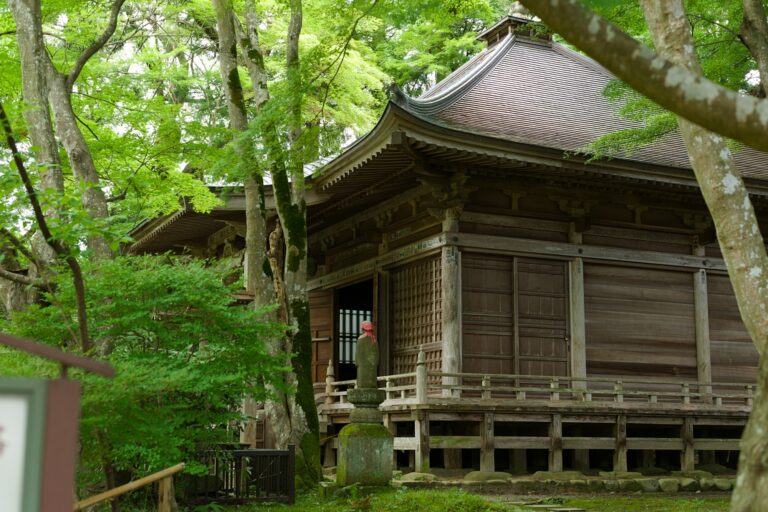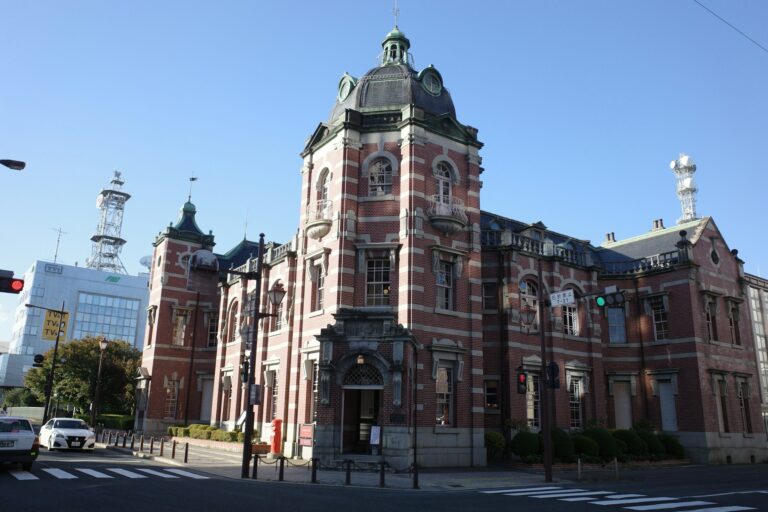
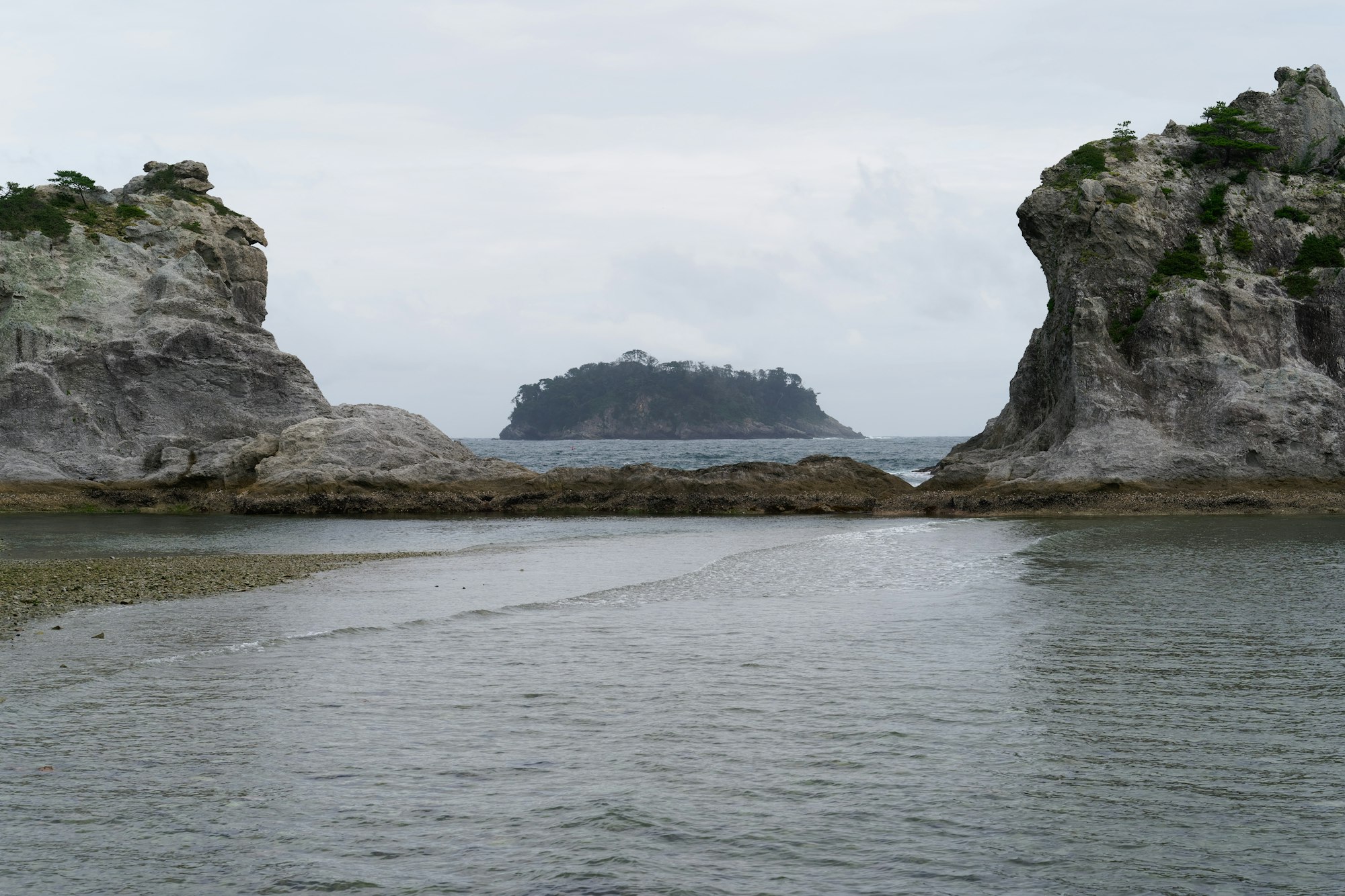
Jodogahama Beach, the Blue Cave boat tour and the Miracle Pine of Rikuzentakata are the highlights of Iwate’s Sanriku coast, a rugged Pacific shoreline of white cliffs, quiet coves and fishing towns. The coast is now protected as Sanriku Fukko (Reconstruction) National Park, created after the 2011 Great East Japan Earthquake and tsunami, and a visit combines striking scenery with a moving look at how the region has rebuilt. It is off the usual tourist route, but Miyako is about 90 minutes from Morioka by bus, and Rikuzentakata can be reached from Ichinoseki. This guide covers the three highlights, practical tips and where to stay.
1. Jodogahama Beach
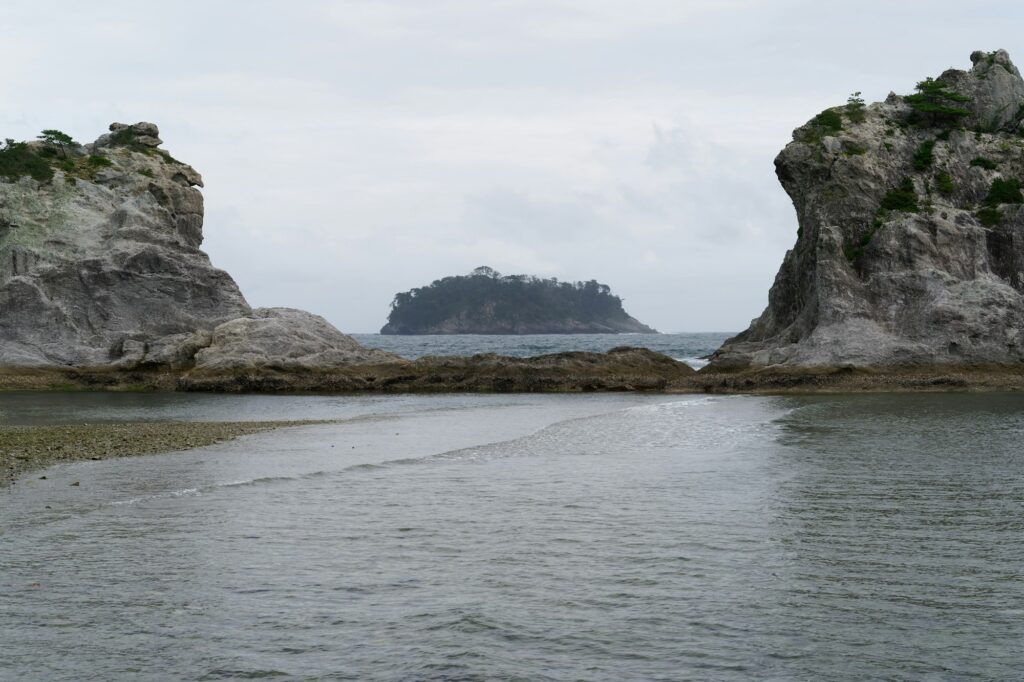
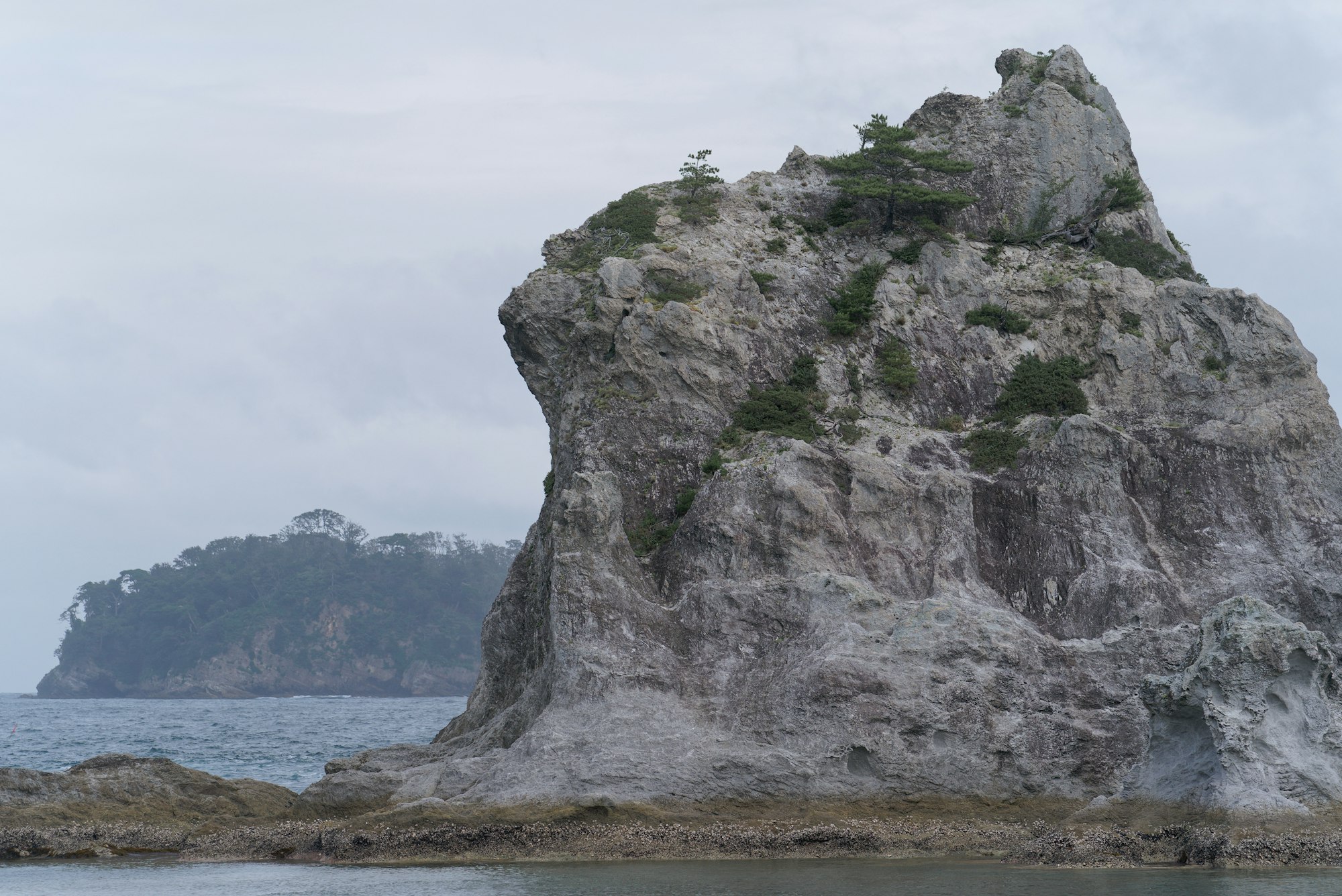
Jodogahama, just outside central Miyako, is the most famous view on the Sanriku coast: a calm, clear cove framed by jagged white rhyolite rocks topped with pine trees. The rocks formed from volcanic activity tens of millions of years ago, and the name, meaning “Pure Land Beach,” is said to come from a monk who, around 1680, declared that the scenery looked like the Buddhist paradise. A short walk leads from the parking areas to the pebble beach, where you can wade in summer, and trails continue along the cliffs to quieter viewpoints. The Jodogahama Visitor Center has exhibits on the area’s geology and nature and can arrange guided walks. From JR Miyako Station, Iwate Kenpoku buses reach the visitor center in about 15 minutes for 200 yen, or the Oku-Jodogahama stop, closest to the beach, in about 20 minutes. Come early on a sunny morning, when the water is at its most transparent.
2. Blue Cave Sappa Boat Tour
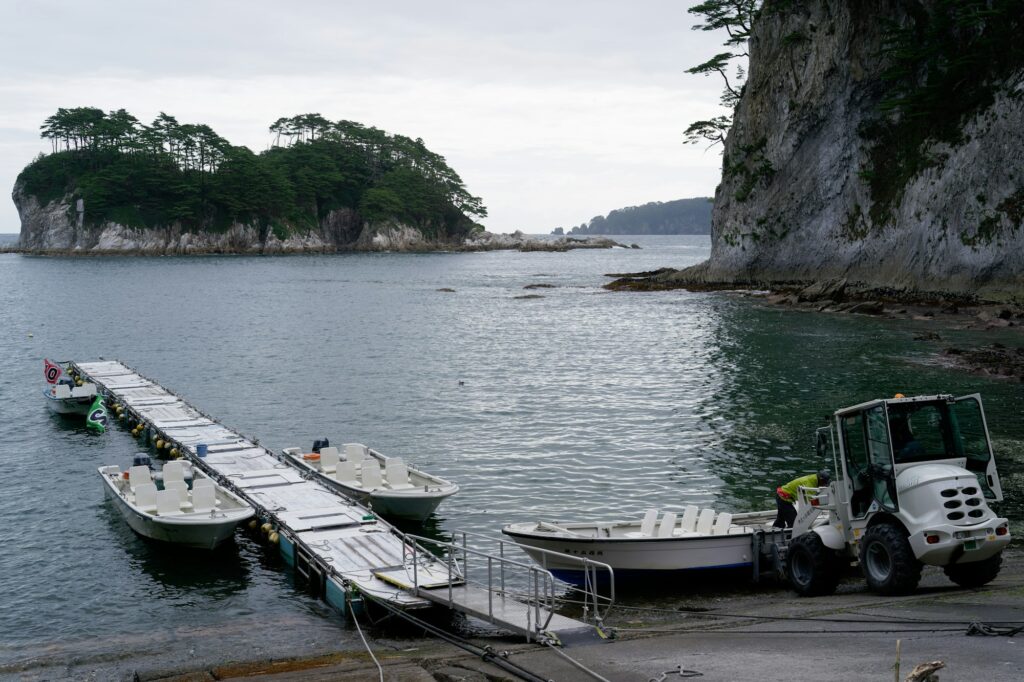
The most memorable way to experience Jodogahama is from the water on a sappa boat, a small, open fishing boat that slips between the rocks and into the Ao-no-Dokutsu, or Blue Cave. Inside the shallow sea cave, sunlight reflecting off the sandy bottom turns the water a vivid cobalt blue, and the boatmen point out rock formations and seabirds along the way. Tours are run by the Jodogahama Marine House at the beach, last about 20 minutes and depart on demand during the day from March to November; the fare was 1,500 yen at last report, so check on arrival. Boats do not run from December to February or in rough seas, and you may get a little wet, so keep cameras in a bag. For a longer cruise, the Miyako Umineko Maru sightseeing boat runs along the coast from a nearby pier and is famous for the black-tailed gulls that follow the boat.
3. Rikuzentakata Miracle Pine and Tsunami Memorial Park
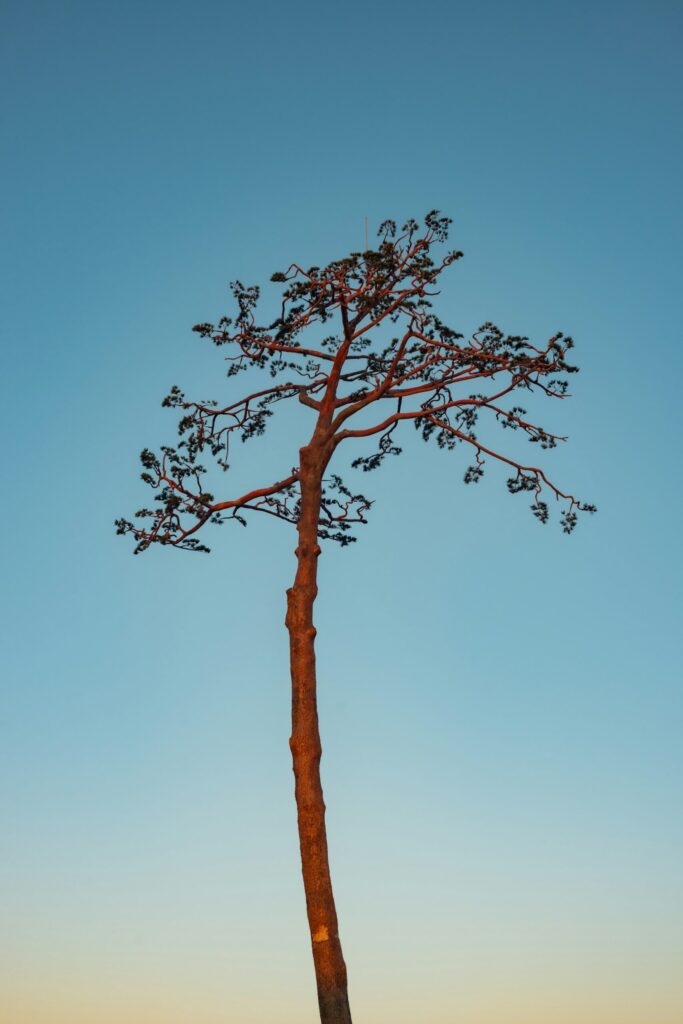
Before 2011, the Takata-Matsubara pine forest in Rikuzentakata had about 70,000 trees and had protected the town from wind for some 350 years. The tsunami swept away all of them except one, which became known as the Miracle Pine, or Kiseki no Ippon Matsu, a symbol of hope across Japan. The tree later died, but it was preserved and reinstalled as a monument in 2013, and it now stands in the Takata-Matsubara Tsunami Memorial Park. Start at the Iwate Tsunami Memorial Museum, opened in 2019, which explains the disaster, the rescue efforts and the lessons for future generations with English panels; admission is free and it opens 9:00 to 17:00, closed over the New Year. A path leads from the museum past the new seawall to the pine. The BRT bus stop “Kiseki-no-Ippon-Matsu” is right in front of the museum; from Ichinoseki, the trip takes about two hours via the JR Ofunato Line and the BRT.
Where to Stay Near Jodogahama & Miyako
 Where to stay: Miyako
Hotel links in this section go to Booking.com. If you book through them, we may earn a commission at no extra cost to you.
Miyako is the best base for Jodogahama and the northern Sanriku coast, with a few hotels in town and a seaside ryokan nearby. Choices are limited, so book early for summer weekends. If you are visiting Rikuzentakata, you can stay in Ichinoseki or in Ofunato and Kesennuma to the south instead.
Luxury
Nagisatei Taroan is an adults-only ryokan on the Miyako coast, with sea views, an open-air bath and tatami rooms, a special stay for couples.
Adults-only seaside ryokan with an open-air bath.
Mid-Range
Jodogahama Park Hotel is set right by Jodogahama, with sea or mountain views, a public bath and a restaurant, the most convenient base for early walks to the beach.
Hotel next to Jodogahama with sea views and a bath.
Budget-Friendly
Hotel Route-Inn Miyako is a reliable chain hotel in central Miyako with simple rooms, convenient for buses to Jodogahama and Morioka.
Reliable chain hotel in central Miyako.
Compare prices before you book
Hotels in Miyako on Booking.com
Compare hotels and ryokan in Miyako and around Jodogahama.
Affiliate link — if you book through Booking.com, we may earn a commission at no extra cost to you.
Quick Tips for Visiting
- Visit Jodogahama between March and November so you can join a Blue Cave sappa boat tour.
- Sunny mornings give the clearest water and the best colors in the Blue Cave.
- Allow at least an hour and a half for the Iwate Tsunami Memorial Museum and the walk to the Miracle Pine.
- Trains along the coast are infrequent, so check bus and train timetables in advance or consider renting a car.
- Ryusendo Cave in Iwaizumi, one of Japan’s three great limestone caves, is another coastal-area highlight if you have a car.
Getting there by train: From Tokyo, take the Tohoku Shinkansen to Morioka (about two and a half hours), then an Iwateken Kotsu bus to Miyako in about 90 minutes, or the JR Yamada Line in about two and a half hours. For Rikuzentakata, ride the Shinkansen to Ichinoseki and continue by the JR Ofunato Line and BRT. Read our guide to riding trains in Japan, learn how to ride the Shinkansen, and check whether the JR Pass is worth it for your route.
Frequently Asked Questions
How do you get to Jodogahama Beach?
Take a bus from Morioka to Miyako, about 90 minutes, then an Iwate Kenpoku bus from Miyako Station to the Jodogahama Visitor Center, about 15 minutes.
When does the Blue Cave sappa boat run?
The sappa boats run on demand during the day from March to November and do not operate from December to February or in rough seas.
Is the Iwate Tsunami Memorial Museum free?
Yes, admission is free. It opens 9:00 to 17:00 and closes over the New Year holidays.
What is the Miracle Pine?
It is the only one of about 70,000 pines in Rikuzentakata to survive the 2011 tsunami. The tree later died and was preserved as a monument in 2013.