A Kamakura day trip is the easiest way to step back into samurai-era Japan from Tokyo. Less than an hour south of the capital in Kanagawa Prefecture, this seaside town served as Japan’s political center when the Kamakura shogunate ruled from here in the late 12th century, and it is still packed with temples, shrines and wooded hills. This guide covers three classic stops that fit neatly into one day: the open-air Great Buddha at Kotoku-in, the grand Tsurugaoka Hachimangu Shrine, and hillside Hasedera Temple with its ocean views.
1. The Great Buddha of Kamakura (Kotoku-in)
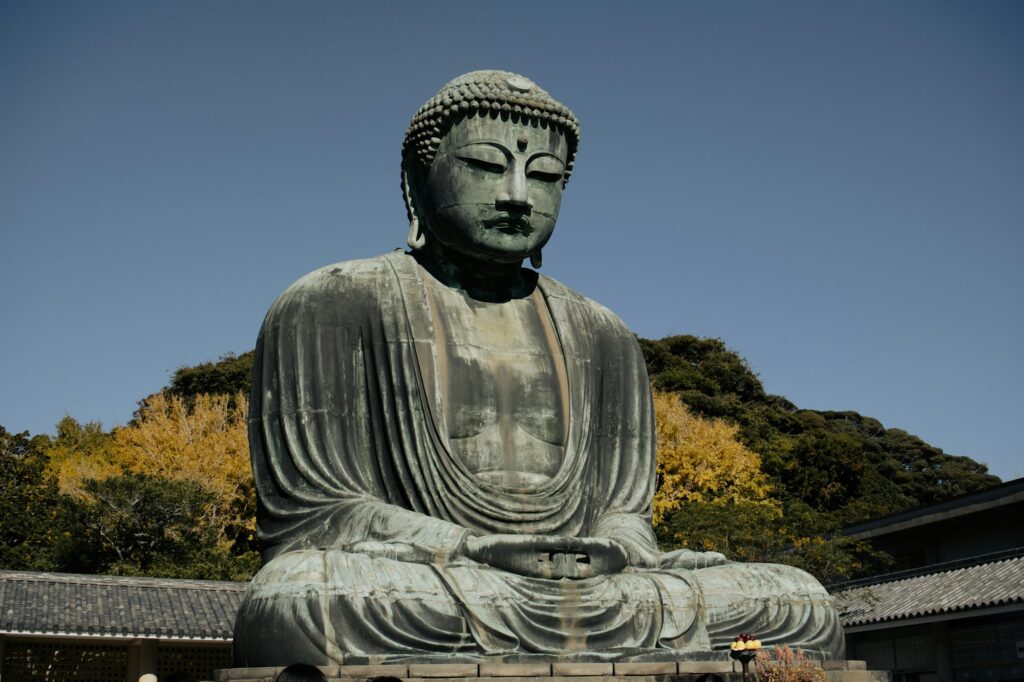
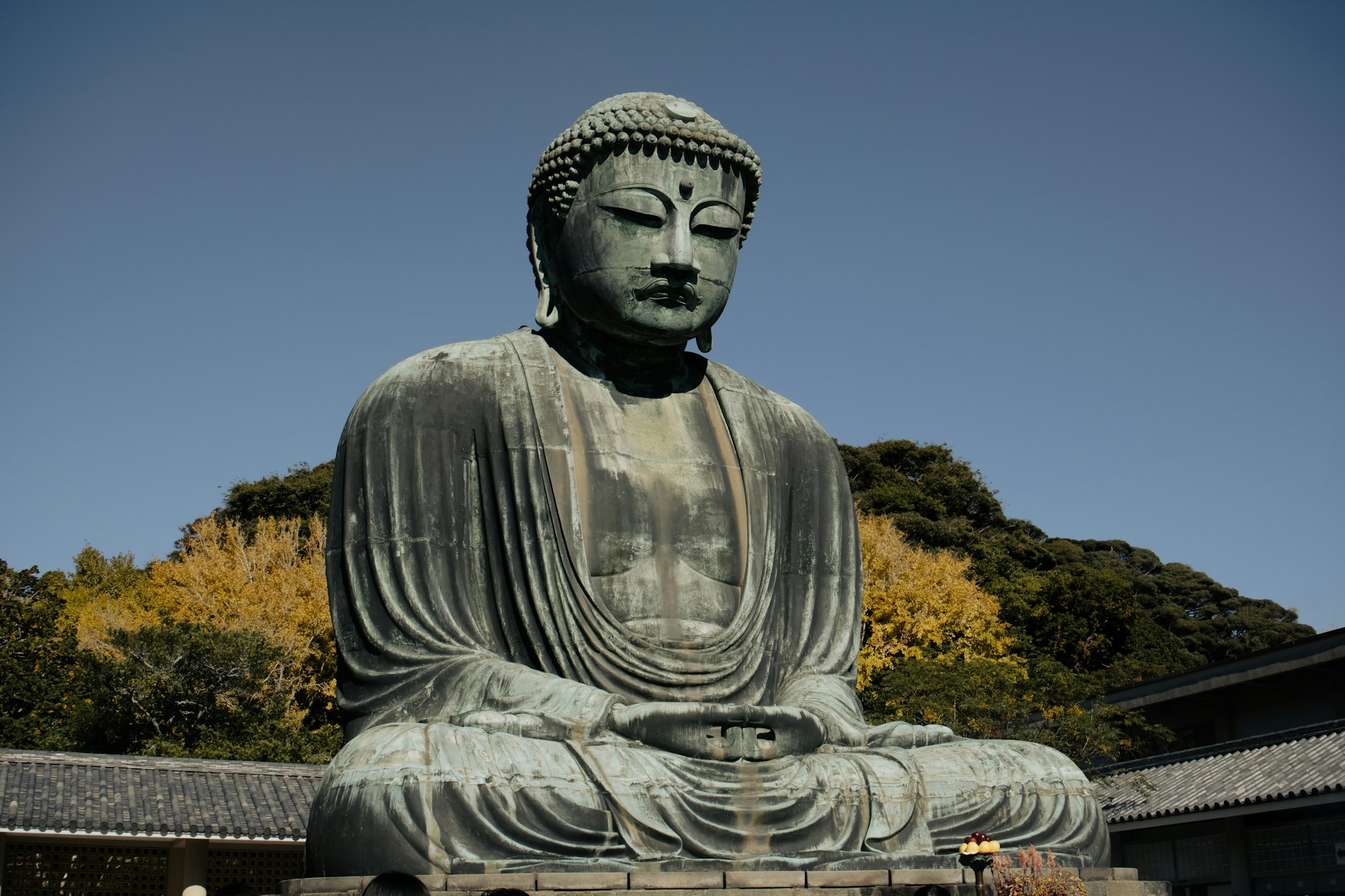
Kamakura’s most famous sight is a bronze Amida Buddha of roughly 11 meters, seated calmly in the open air at Kotoku-in Temple. It was cast in the 13th century and originally sat inside a wooden hall, but the hall was swept away by a tsunami in the late 15th century and the statue has stood outside ever since — which is why you can photograph it against blue sky and green hills. Admission is 300 yen for adults, and for an extra 50 yen you can step inside the hollow statue to see how it was cast in sections (interior entry closes earlier than the grounds, at 4:30 p.m.). The temple is about a seven-minute walk from Hase Station on the Enoden line. Go right at opening time (8:00 a.m.) if you want photos without tour groups, and pair it with Hasedera, which is on the same walk.
2. Tsurugaoka Hachimangu Shrine
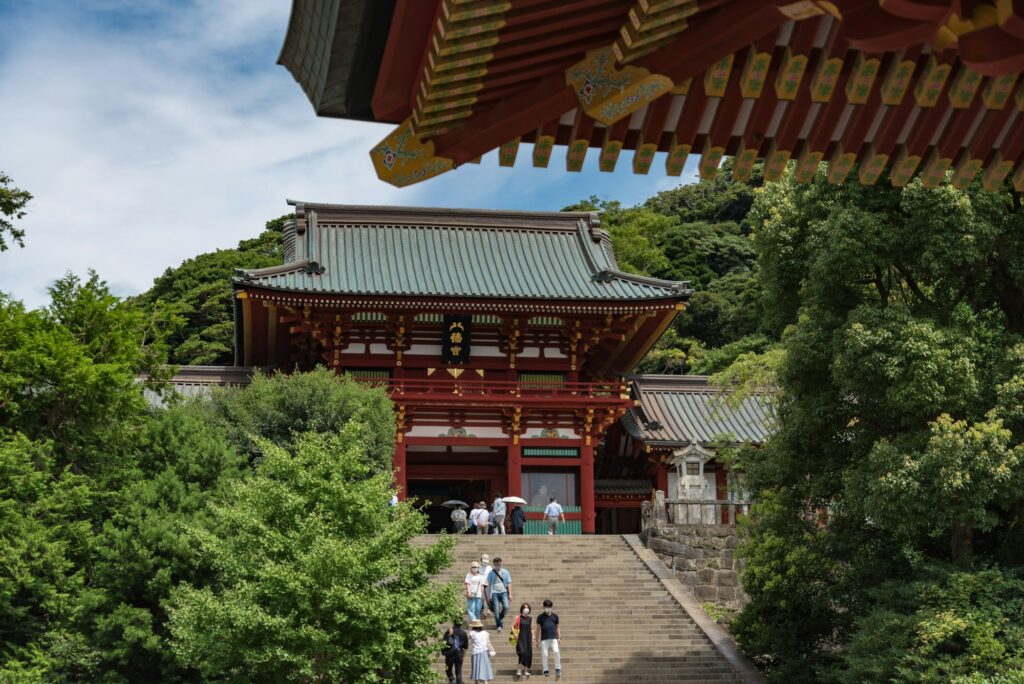
Tsurugaoka Hachimangu is the spiritual heart of Kamakura and the best place to understand why the town matters. The shrine’s roots go back to 1063, and in 1180 Minamoto no Yoritomo — the founder of the Kamakura shogunate — moved it to its current hillside site and built the city around it. A long approach lined with cherry trees runs from the sea toward the shrine, and a broad stone staircase leads up to the vermilion main hall, which offers a view straight down the avenue. Entry to the grounds is free (the treasure hall charges a small fee), and the shrine is a short walk from Kamakura Station. Most visitors arrive via Komachi-dori, the busy shopping street off the station’s east exit, where you can snack on sweets and street food on the way. Allow about an hour, and longer during the annual festival in mid-September, when mounted archery (yabusame) draws big crowds.
3. Hasedera Temple
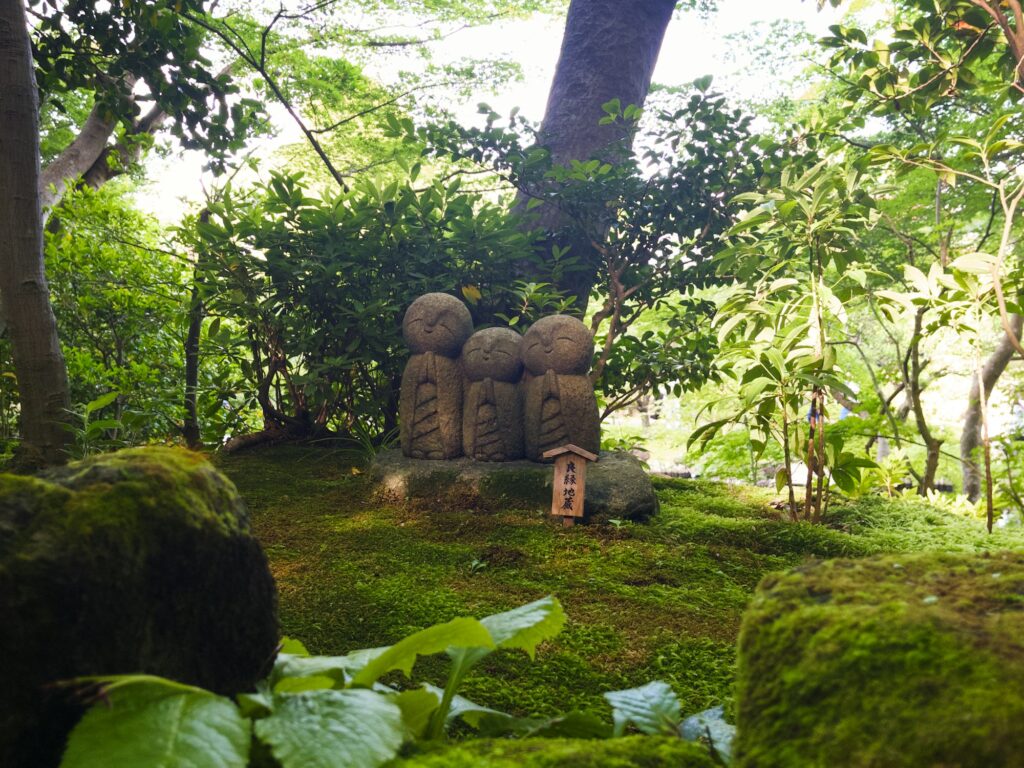
Just down the road from the Great Buddha, Hasedera is a hillside temple that rewards a slower visit. Its main hall houses a nine-meter wooden statue of Kannon, the bodhisattva of mercy — one of the largest wooden statues in Japan. Legend says it was carved in the 8th century and set adrift at sea before washing ashore near Kamakura. Climb past ponds, gardens and rows of small Jizo statues to a terrace with sweeping views over Yuigahama Beach and Sagami Bay; it is one of the best free viewpoints in town once you are inside. In June and early July the slopes fill with hydrangeas, and timed tickets may be needed for the hydrangea path on busy weekends. Admission is 400 yen for adults. Plan on about 45 minutes, and leave time to peek into the small cave shrine of Benzaiten on the lower grounds.
Where to Stay Near Kamakura
 Where to stay: Kamakura & Shonan coast
Hotel links in this section go to Orbitz. If you book through them, we may earn a commission at no extra cost to you.
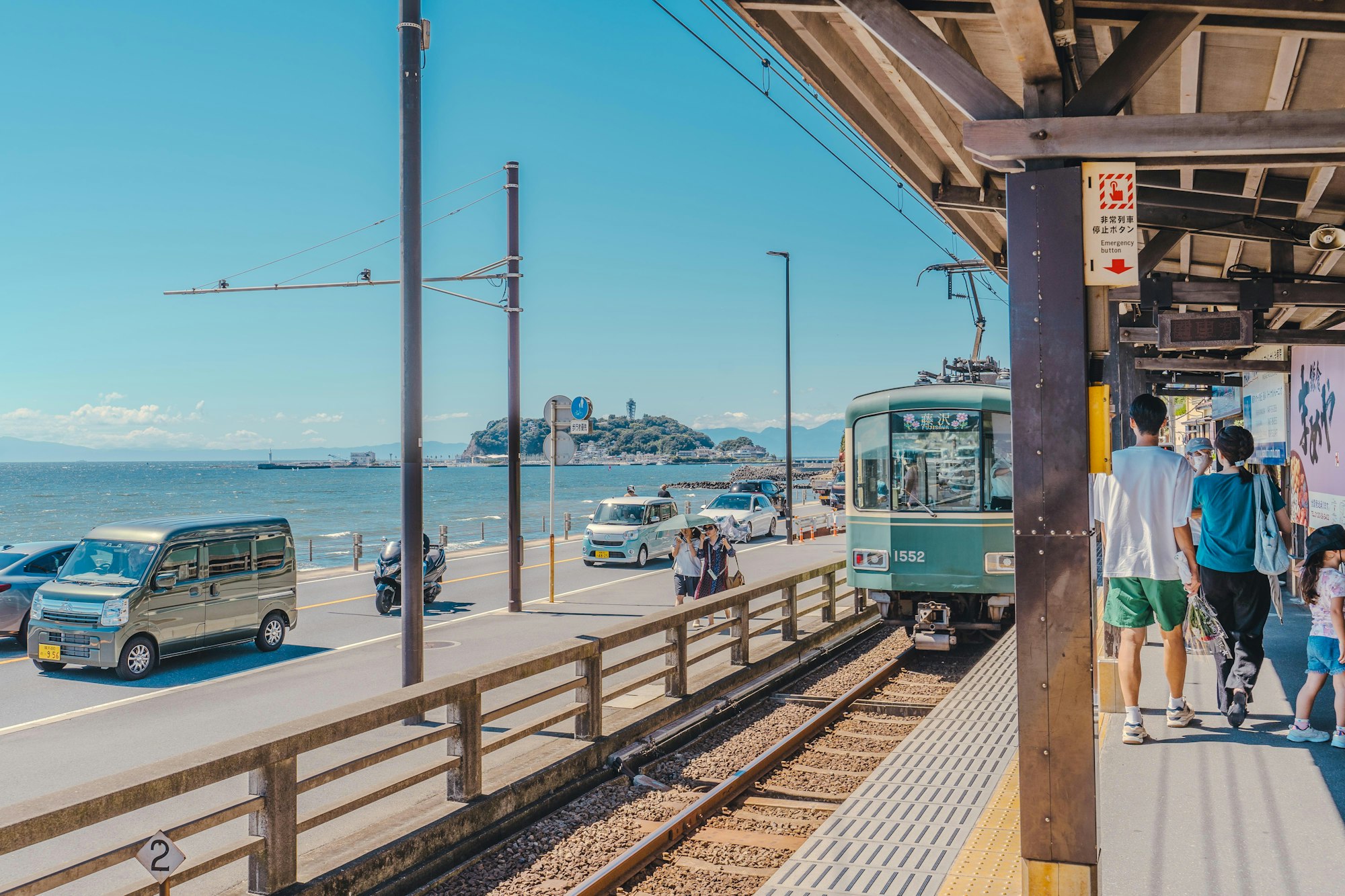
Most visitors see Kamakura as a day trip from Tokyo, but spending a night lets you visit the temples before the crowds and catch sunset on the Shonan coast. Stay near Kamakura Station for easy rail access, or by the sea between Hase and Shichirigahama for beach views and quick access to the Great Buddha.
Luxury
Kamakura Prince Hotel sits above the sea at Shichirigahama, with ocean-view rooms and, on clear days, views toward Enoshima and Mount Fuji. It is a short ride on the Enoden line to Hase for the Great Buddha and Hasedera.
Seaside resort hotel with ocean views along the Enoden coast.
Mid-Range
Hotel Metropolitan Kamakura is the most convenient base for first-timers: it is steps from Kamakura Station and Komachi-dori, and an easy walk to Tsurugaoka Hachimangu. For a quieter stay by the water, Kamakura Park Hotel faces the sea between Yuigahama Beach and Hase.
Modern hotel near the station, ideal for walking to the shrine.
Oceanfront hotel close to the Great Buddha and Hasedera.
Budget-Friendly
Iza Kamakura Guest House & Bar is a relaxed hostel a few minutes’ walk from Hase Station and Yuigahama Beach, with dorm beds, private rooms and a bar lounge — handy for walking to Hasedera and the Great Buddha.
Iza Kamakura Guest House & Bar
Social hostel near Hase Station and the beach, with dorms and private rooms.
Compare prices before you book
Hotels in Kamakura on Orbitz
Spending a night in Kamakura means you can reach the Great Buddha and Hasedera before the day-trip crowds arrive from Tokyo.
Affiliate link — if you book through Orbitz, we may earn a commission at no extra cost to you.
Quick Tips for Visiting
- Start at the Great Buddha and Hasedera (both near Hase Station) in the morning, then ride the Enoden back to Kamakura Station for Tsurugaoka Hachimangu and Komachi-dori.
- Weekends and the June hydrangea season are very crowded; visit on a weekday if you can.
- Bring an IC card such as Suica — the JR lines and the Enoden both accept it, so you can hop between stops without buying tickets.
- Wear comfortable shoes: Hasedera and Tsurugaoka Hachimangu both involve stairs and slopes.
- Kamakura makes an easy pairing with Enoshima, which is a short ride further along the Enoden line.
Getting there by train: Kamakura is reachable from Tokyo and Shinjuku on JR lines in about an hour. Read our guide to riding trains in Japan, check whether the JR Pass is worth it for your itinerary, and if you are arriving from overseas, see our guide to getting from Narita or Haneda Airport to Tokyo.
Frequently Asked Questions
How long do you need in Kamakura?
One full day is enough to see the Great Buddha, Hasedera and Tsurugaoka Hachimangu at a relaxed pace. Add a second day or an overnight stay if you also want to visit Enoshima or hike the wooded trails between temples.
Can you go inside the Kamakura Great Buddha?
Yes. For an extra 50 yen on top of the 300-yen temple admission, you can enter the hollow interior of the statue. Interior entry closes at 4:30 p.m., earlier than the temple grounds.
What is the best way to get around Kamakura?
Walk and use the Enoden line. Hase Station is the stop for the Great Buddha and Hasedera, while Kamakura Station is closest to Tsurugaoka Hachimangu and Komachi-dori. The two areas are a few minutes apart by train.
When is the best time to visit Kamakura?
Spring cherry blossoms, June hydrangeas and autumn leaves are the most scenic seasons, but they are also the busiest. Weekday mornings in any season give you the calmest experience.