Hiroshima Peace Memorial Park is the one place almost every American traveler wants to see in western Japan, and it is a moving, essential visit. On August 6, 1945, the city became the first in the world to suffer an atomic bombing; today it is a green, lively city that has made peace its central message. This guide covers three sites within easy reach of each other in central Hiroshima: Peace Memorial Park and Museum, the Atomic Bomb Dome, and Shukkeien, a 400-year-old garden that was rebuilt after the war.
1. Peace Memorial Park & Museum
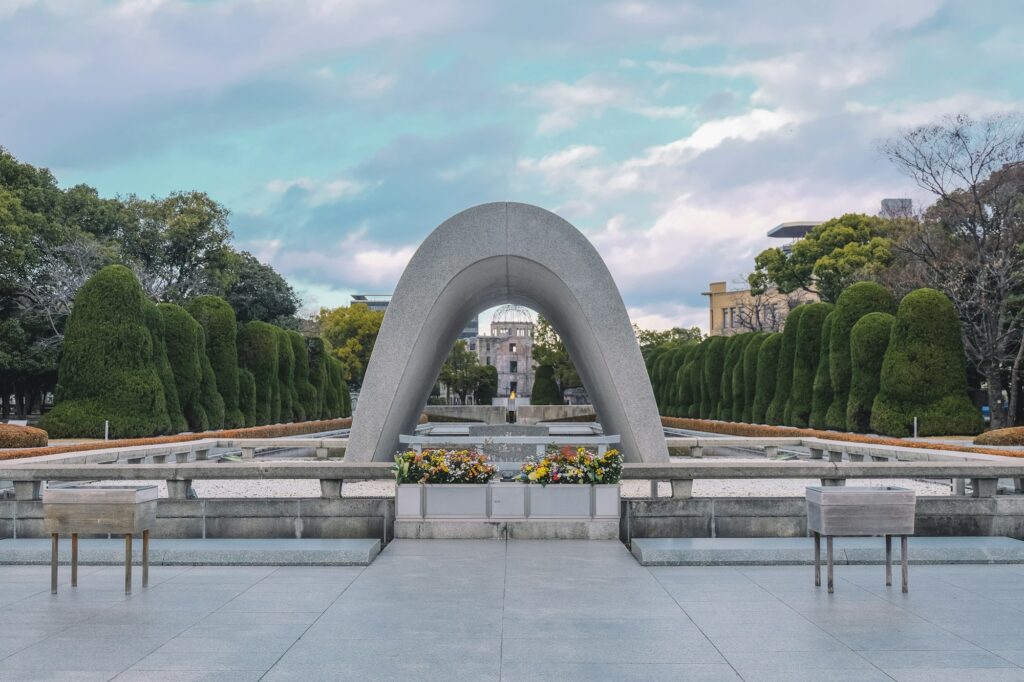
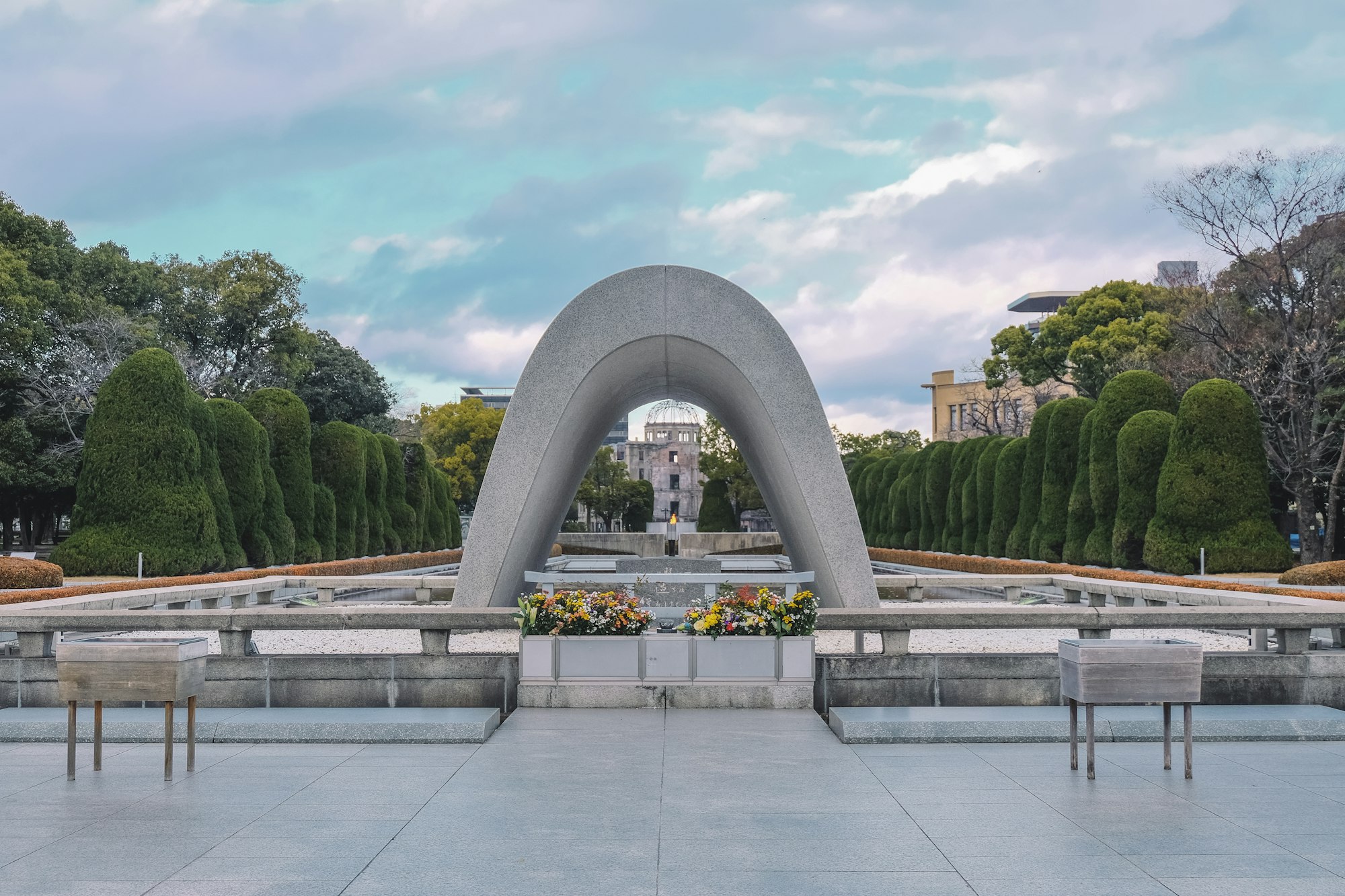
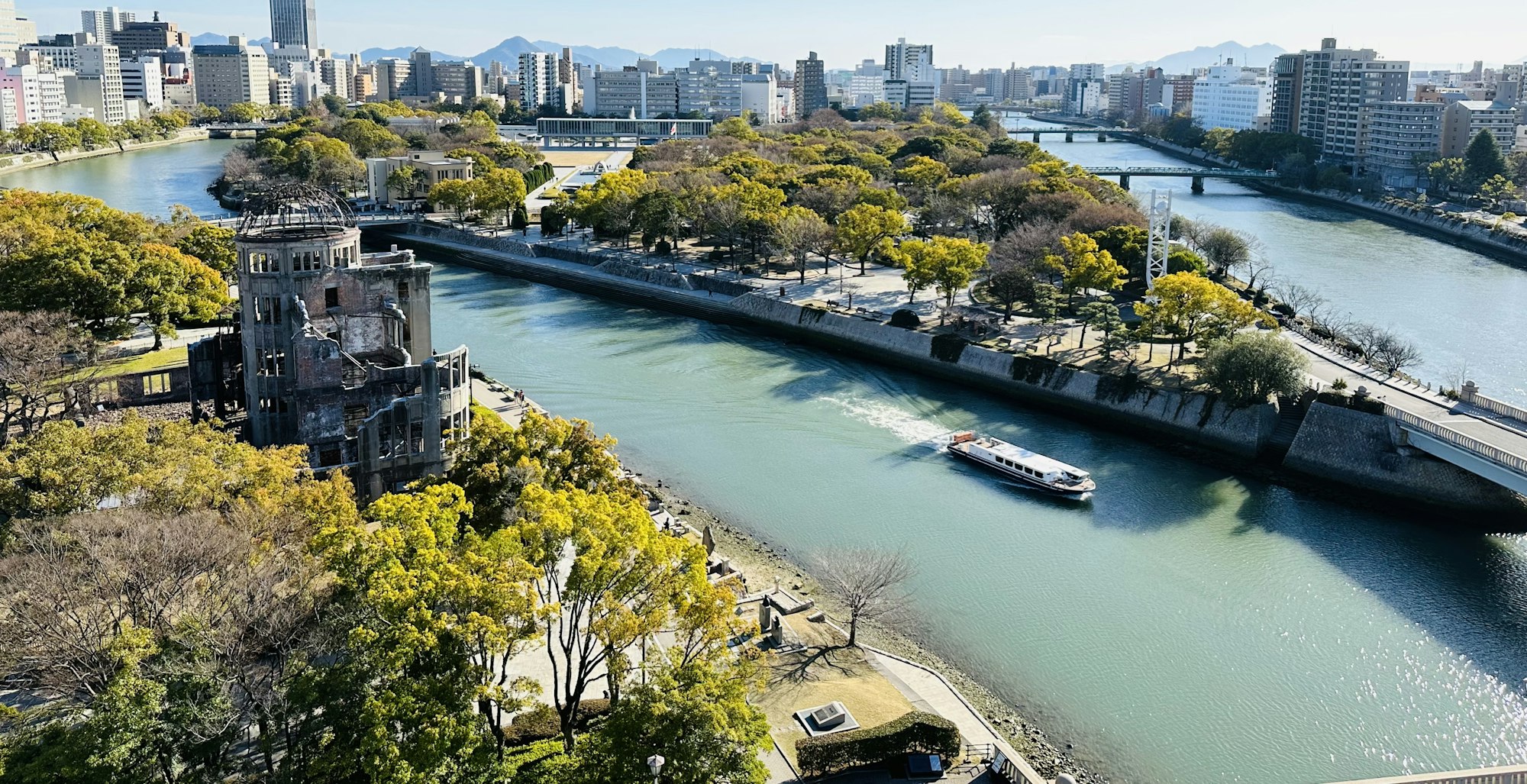
Peace Memorial Park spreads across a river delta island near the bomb’s hypocenter, an area that was once a busy downtown district. Walk through the park’s monuments in a loose loop: the arched Cenotaph for the A-bomb Victims, which frames the Flame of Peace and the Atomic Bomb Dome in a single line of sight; the Children’s Peace Monument, surrounded by colorful paper cranes sent from around the world; and the Peace Bell, which visitors may ring. The Hiroshima Peace Memorial Museum documents the bombing and its human toll through personal belongings, photographs and survivor testimony — it is difficult but deeply worthwhile, and most visitors spend 60 to 90 minutes. Adult admission is 200 yen. The museum opens at 7:30 a.m., closing times vary by season, and it can get crowded, so buying a timed ticket online in advance is recommended. Go early in the morning for the quietest visit.
2. Atomic Bomb Dome
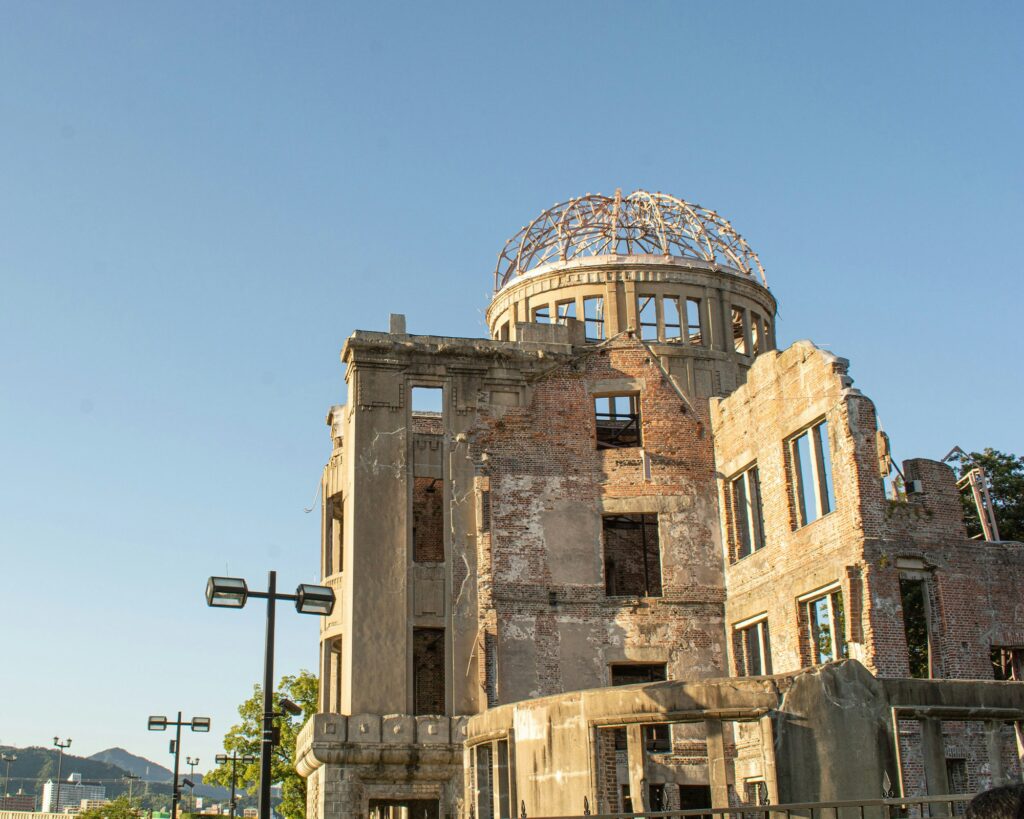
The skeletal Atomic Bomb Dome, originally the Hiroshima Prefectural Industrial Promotion Hall, is the most recognizable symbol of the city. It stood very close to the hypocenter, and its walls and steel dome frame remained standing while almost everything around it was destroyed. The ruins have been preserved as they were, and in 1996 they were inscribed as a UNESCO World Heritage Site as a reminder of the destructive power of nuclear weapons. You can view the Dome from all sides along the Motoyasu River, and there is no fee or entry — the building itself is fenced off. Visit both by day and after dark, when it is softly lit and reflected in the river. It sits at the northern tip of Peace Memorial Park; the Genbaku Dome-mae stop on the Hiroden streetcar is right across the street, a short streetcar ride from Hiroshima Station.
3. Shukkeien Garden
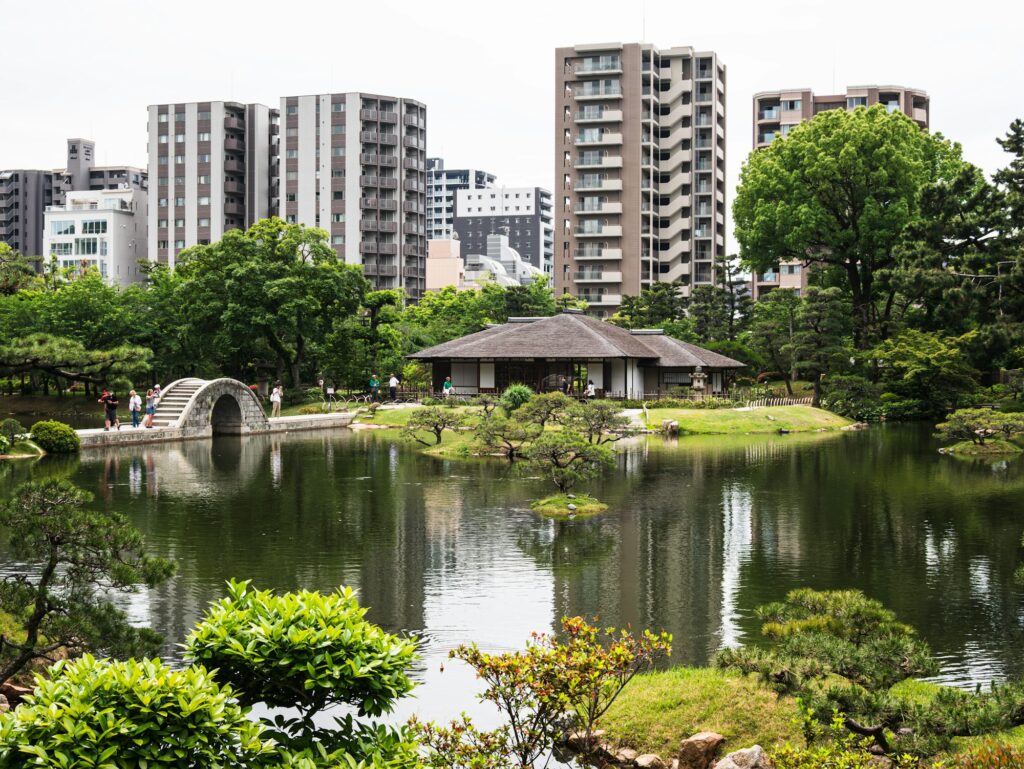
After the intensity of the Peace Park, Shukkeien offers a peaceful counterpoint. This strolling garden was created in 1620 for the lord of the Asano clan, designed by his chief retainer Ueda Soko, a renowned tea master. Its name means “shrunk-scenery garden,” and paths around the central pond lead you past miniature mountains, valleys, islands and bridges — including an arched stone bridge — inspired by China’s West Lake. The garden was devastated in 1945 and painstakingly restored, and its survival story adds meaning to a visit. Adult admission is 350 yen, and the garden is open from 9:00 a.m. (closing at 6:00 p.m. in spring and summer and at 5:00 p.m. in autumn and winter). It is within walking distance of Hiroshima Station, so it fits easily into an arrival or departure day. Autumn colors in November are especially lovely. Note that the nearby Hiroshima Castle main keep closed in March 2026 for structural reasons, though you can still stroll the castle grounds.
Where to Stay Near Peace Memorial Park
 Where to stay: Peace Park & Hatchobori
Hotel links in this section go to Orbitz. If you book through them, we may earn a commission at no extra cost to you.
Staying between Peace Memorial Park and the Hatchobori/Hondori shopping area puts you within walking distance of the main sights, plenty of okonomiyaki restaurants and the streetcar to Hiroshima Station and Miyajima.
Luxury
Hilton Hiroshima is one of the city’s newest upscale hotels, with modern rooms, city views and an easy connection to Peace Boulevard and the downtown area.
Newer upscale hotel within reach of Peace Boulevard and downtown.
Mid-Range
Mitsui Garden Hotel Hiroshima stands on Peace Boulevard just east of Peace Memorial Park, so you can walk to the museum and the Atomic Bomb Dome; upper floors offer city views.
Reliable mid-range hotel a short walk from Peace Memorial Park.
Budget-Friendly
Hiroshima Washington Hotel is a good-value option in the Shintenchi/Hatchobori nightlife and shopping district, close to the okonomiyaki restaurants and the streetcar.
Value hotel in the downtown dining district, near the streetcar.
Compare prices before you book
Hotels in Hiroshima on Orbitz
Staying downtown lets you visit Peace Memorial Park early in the morning, before tour groups arrive, and walk to dinner in Hatchobori.
Check Hiroshima hotel prices →
Affiliate link — if you book through Orbitz, we may earn a commission at no extra cost to you.
Quick Tips for Visiting
- Buy Peace Memorial Museum tickets online in advance, especially for weekends, holidays and the August anniversary period.
- The Hiroden streetcar is the easiest way around downtown; IC cards such as Suica and ICOCA can be used.
- Leave some unhurried time after the museum — the riverside paths and Shukkeien Garden are good places to pause before moving on.
- August 6 brings a solemn memorial ceremony and the evening lantern floating; expect large crowds and book hotels early.
- Pair the Peace Park with Miyajima: the two are easy to combine with an overnight stay in Hiroshima.
Getting there by train: Hiroshima is on the Sanyo Shinkansen, about 1.5 hours from Shin-Osaka and roughly 4 hours from Tokyo. Read our guide to riding trains in Japan, learn how to ride the Shinkansen, and check whether the JR Pass is worth it for your itinerary.
Frequently Asked Questions
How much time do you need at Hiroshima Peace Memorial Park?
Plan on two to three hours to see the museum and the main monuments, including the Atomic Bomb Dome. Allow more time if you want to read the exhibits closely or attend a guided walk.
How much is the Hiroshima Peace Memorial Museum?
Adult admission is 200 yen, and high school students pay 100 yen. Advance online tickets are recommended because entry can be limited when it is crowded.
Can you go inside the Atomic Bomb Dome?
No. The Dome is preserved as a ruin and fenced off, but you can view it from all sides for free along the river and from inside Peace Memorial Park.
Is it respectful for Americans to visit Hiroshima?
Yes. Visitors from all over the world, including many Americans, come to learn and pay their respects, and the city’s message is one of peace and remembrance. Simply be quiet and considerate at the memorials and in the museum.