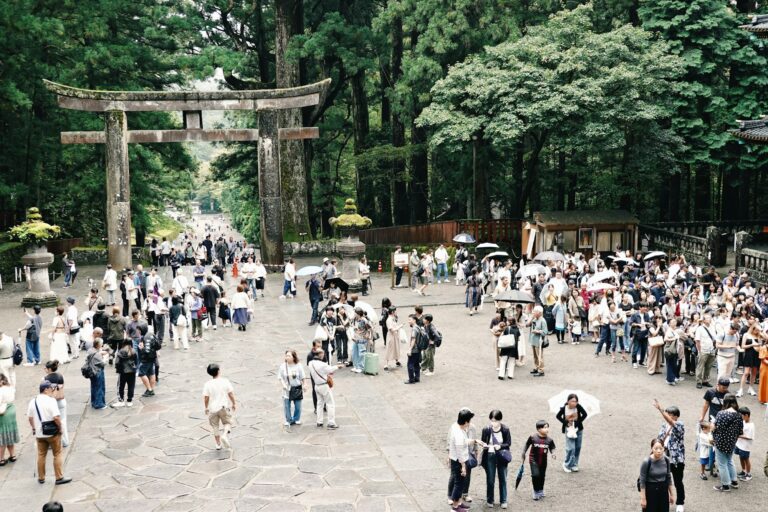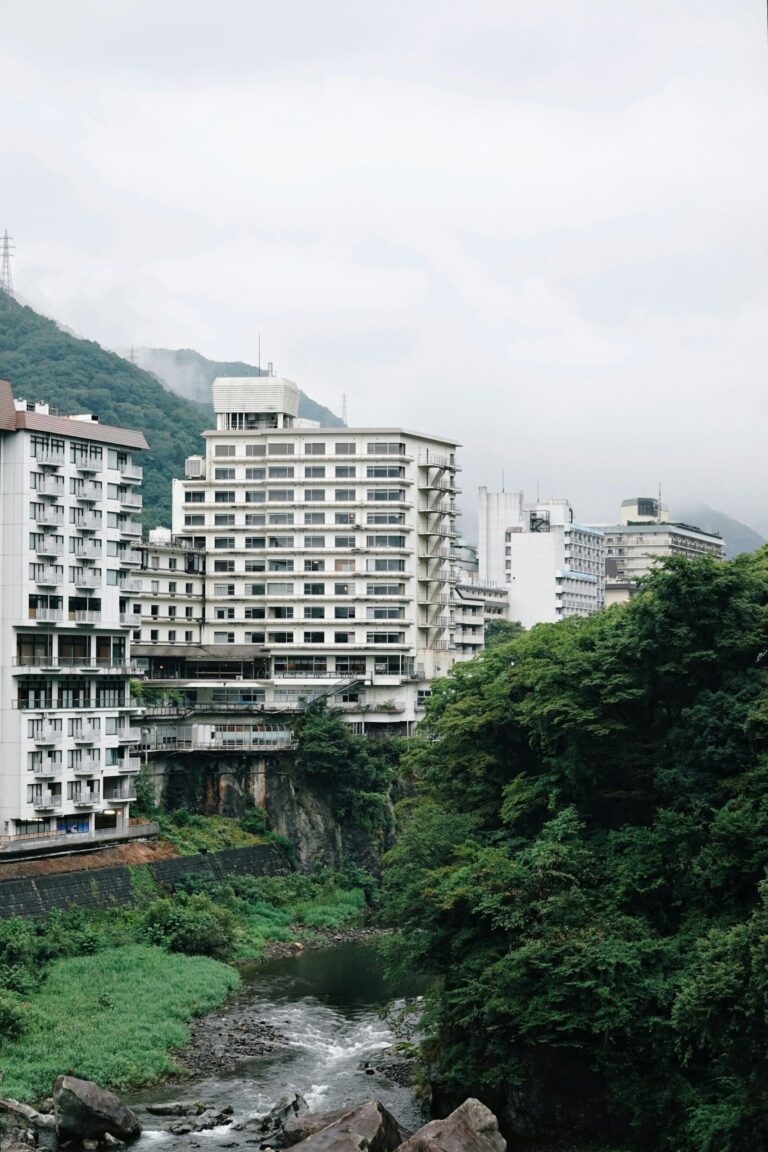
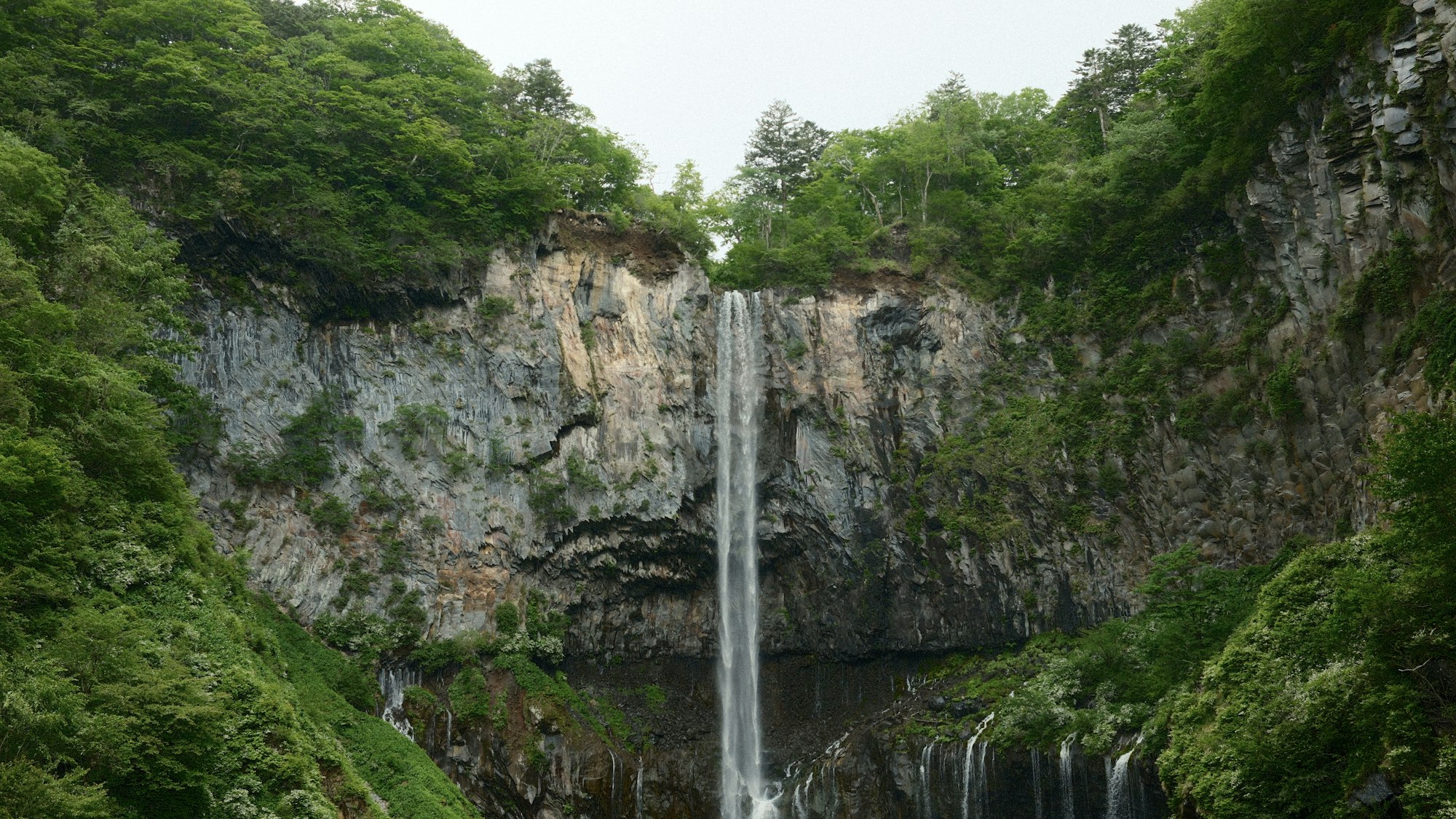
Kegon Falls, Lake Chuzenji and Kirifuri Falls are the best places to experience the natural side of Nikko in Tochigi Prefecture. Above the shrine town, a winding mountain road climbs to a high plateau called Okunikko, where a deep blue lake sits beneath the volcanic cone of Mount Nantai and one of Japan’s most famous waterfalls pours out of it. Closer to town, another graceful waterfall tumbles through the forest of the Kirifuri plateau. These spots are spectacular in autumn, cool in summer and easy to reach by bus. This guide covers how to see each one, how to beat the autumn traffic and where to stay by the lake.
1. Kegon Falls
Kegon Falls drops 97 meters from a cliff at the eastern end of Lake Chuzenji, and it is counted among the three great waterfalls of Japan. The water that pours over the edge is the lake’s main outlet, so the falls are powerful year-round, framed by fresh greenery in early summer, red and gold leaves in autumn and icicles in winter. A free viewpoint near the top gives a look from above, but the best view is from the lower observation deck at the base of the gorge, reached by an elevator through the rock. The elevator costs 600 yen for adults and runs 8:00 to 17:00 from March to November and 9:00 to 16:30 from December to February. The falls are a few minutes’ walk from the Chuzenji Onsen bus stop, which you reach in about 50 minutes by Tobu bus from JR Nikko or Tobu-Nikko Station; the fare is 1,250 yen, and the NIKKO PASS All Area covers it.
2. Lake Chuzenji
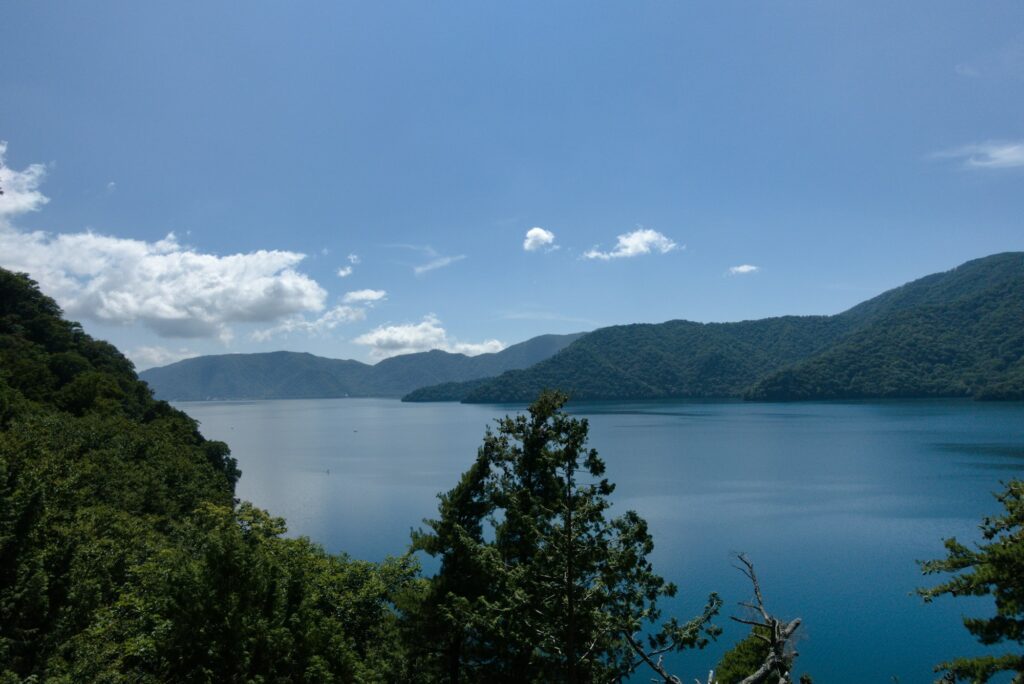
Lake Chuzenji was formed when an ancient eruption of Mount Nantai dammed a river, and its cool climate made it a favorite summer retreat for foreign diplomats from the late 1800s. Two of their lakeside villas are now open as memorial parks: the British Embassy Villa (300 yen) and the Italian Embassy Villa, with a combined ticket for 450 yen. Both are open from April through November and closed in winter, and their wooden terraces have some of the best lake views. Sightseeing boats circle the lake from late April through November; a full loop takes about an hour and costs roughly 1,700 to 1,900 yen depending on the ticket. Getting here is part of the fun: the bus from town climbs the Irohazaka, a famous road of tight hairpin bends. For a view over the whole area, the Akechidaira Ropeway near the top of the road climbs to an observation point in about three minutes (1,000 yen round trip), weather permitting.
3. Kirifuri Falls
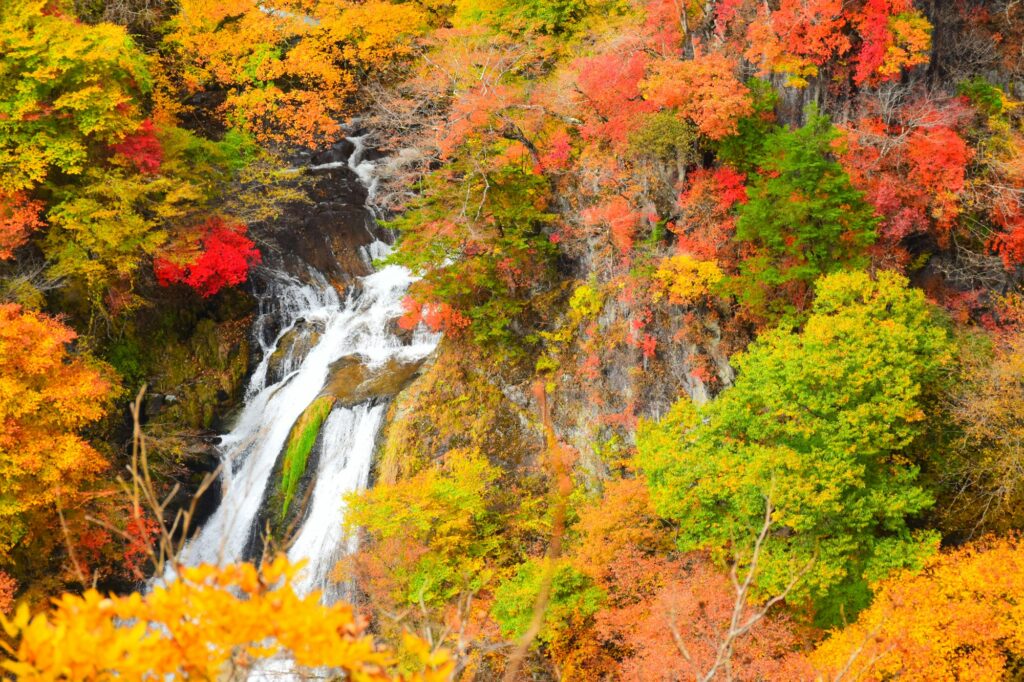
Kirifuri Falls, whose name means “falling mist,” is a two-tiered waterfall about 75 meters high on the Kirifuri plateau, northeast of central Nikko. Instead of standing at the base, you see it from an observation deck across the valley, which frames both tiers against the forested slopes. It is especially beautiful in autumn, when the hillside turns red and orange, and it is far less crowded than Kegon. To get there, take a bus from JR Nikko or Tobu-Nikko Station toward Kirifurikogen and get off at Kirifuri-no-taki, about 10 minutes and 380 yen; the NIKKO PASS All Area covers it. From the stop, it is a 10 to 15 minute walk, mostly on paved paths. Buses run only every 2 to 3 hours and only from April to November, so check the timetable before you set out. The trail down to the base of the falls is closed, so stay on the observation deck route.
Where to Stay Near Lake Chuzenji
 Where to stay: Lake Chuzenji
Hotel links in this section go to Booking.com. If you book through them, we may earn a commission at no extra cost to you.
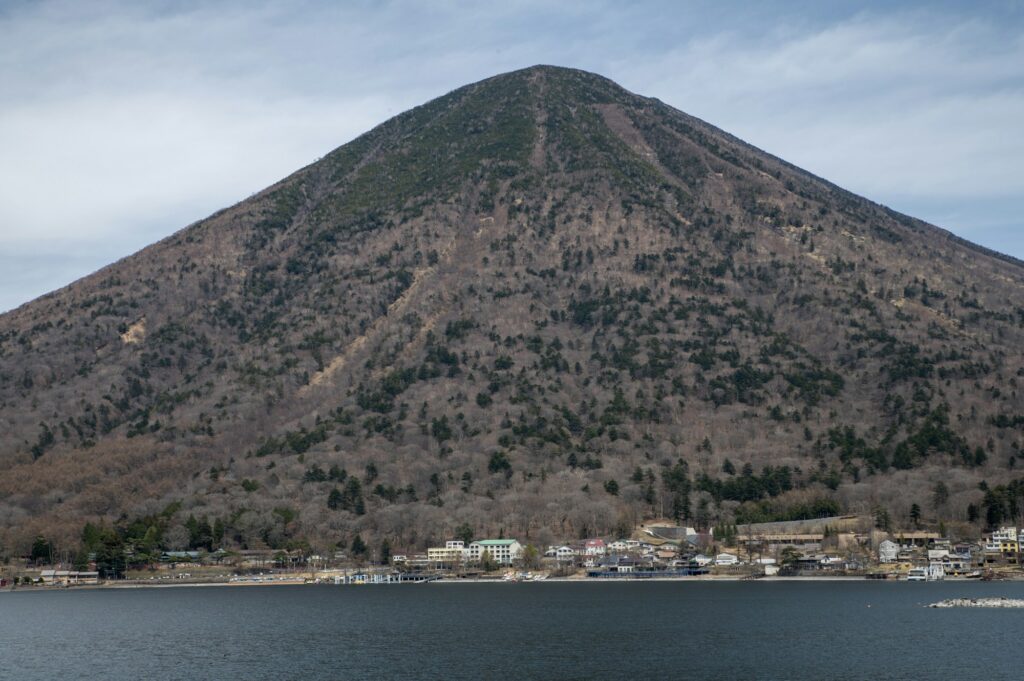
Spending a night at Lake Chuzenji lets you see Kegon Falls and the lake early in the morning, before the buses and cars from town arrive. This matters most in autumn, when traffic on the Irohazaka can be extremely heavy. Hotels are spread along the eastern and northern shores near the Chuzenji Onsen bus stop.
Luxury
The Ritz-Carlton, Nikko sits right on the shore of Lake Chuzenji, with views of the lake and Mount Nantai and hot spring baths. It is one of the most special places to stay in the Nikko area.
Lakeside luxury resort with onsen baths.
Mid-Range
Chuzenji Kanaya Hotel is a classic lakeside hotel in a quiet forest setting, run by the same family company as the historic Nikko Kanaya Hotel.
Classic lakeside hotel with a calm, forest setting.
Budget-Friendly
Chuzenji Pension is a simple, homey lodge near the lake, a good-value way to stay overnight in Okunikko.
Simple, homey lodge near the lake.
Compare prices before you book
Hotels in Lake Chuzenji on Booking.com
Stay by the lake to see Kegon Falls before the crowds and enjoy the autumn colors without the traffic.
Check Lake Chuzenji hotel prices →
Affiliate link — if you book through Booking.com, we may earn a commission at no extra cost to you.
Quick Tips for Visiting
- Autumn leaves peak around Lake Chuzenji and the Irohazaka in mid to late October, and in Nikko town in early November.
- On autumn weekends, take the earliest bus you can; traffic jams on the Irohazaka can add hours to the trip.
- Bring warm layers, as the lake area is much colder than Tokyo.
- The NIKKO PASS All Area (8,000 yen for 4 days, for foreign passport holders) covers Tobu trains from Tokyo and the buses to the lake and Kirifuri.
- Check the boat, ropeway and embassy villa seasons before visiting in winter, when many close.
Getting there by train: From Asakusa, Tobu Railway’s SPACIA X limited express reaches Tobu-Nikko in about 1 hour 50 minutes. With a JR Pass, take the Tohoku Shinkansen to Utsunomiya and the JR Nikko Line to JR Nikko Station, about 2 hours in total. From either station, Tobu buses climb to Chuzenji Onsen in about 50 minutes; the JR Pass does not cover buses. Read our guide to riding trains in Japan, learn how to ride the Shinkansen, and check whether the JR Pass is worth it. Flying in? See our guide to getting from Narita or Haneda to Tokyo.
Frequently Asked Questions
How tall is Kegon Falls?
Kegon Falls is 97 meters tall and is one of the three great waterfalls of Japan. An elevator takes you to an observation deck at its base for 600 yen.
How do you get from Nikko to Lake Chuzenji?
Take a Tobu bus from JR Nikko or Tobu-Nikko Station to Chuzenji Onsen. The ride takes about 50 minutes, costs 1,250 yen and is covered by the NIKKO PASS All Area.
When is the best time to see autumn leaves in Nikko?
Leaves peak around Lake Chuzenji and the Irohazaka road in mid to late October, and in Nikko town in the first half of November. Go early on weekdays to avoid heavy traffic.
Can you visit Kirifuri Falls in winter?
The bus to Kirifuri Falls runs only from April to November, so outside that period you would need a taxi or car. The falls are viewed from an observation deck, as the trail to the base is closed.