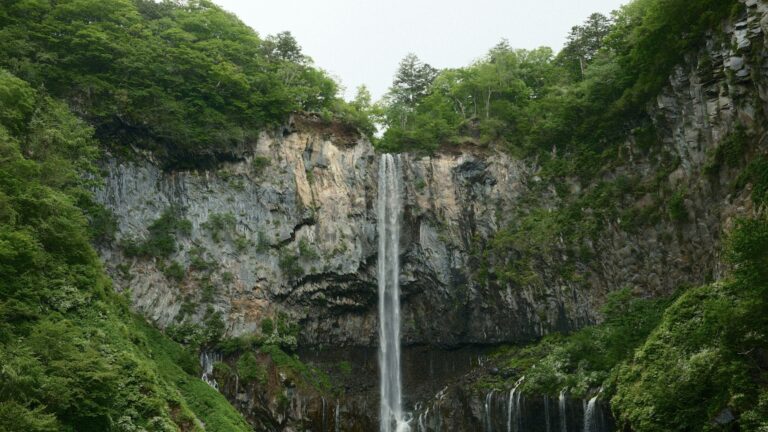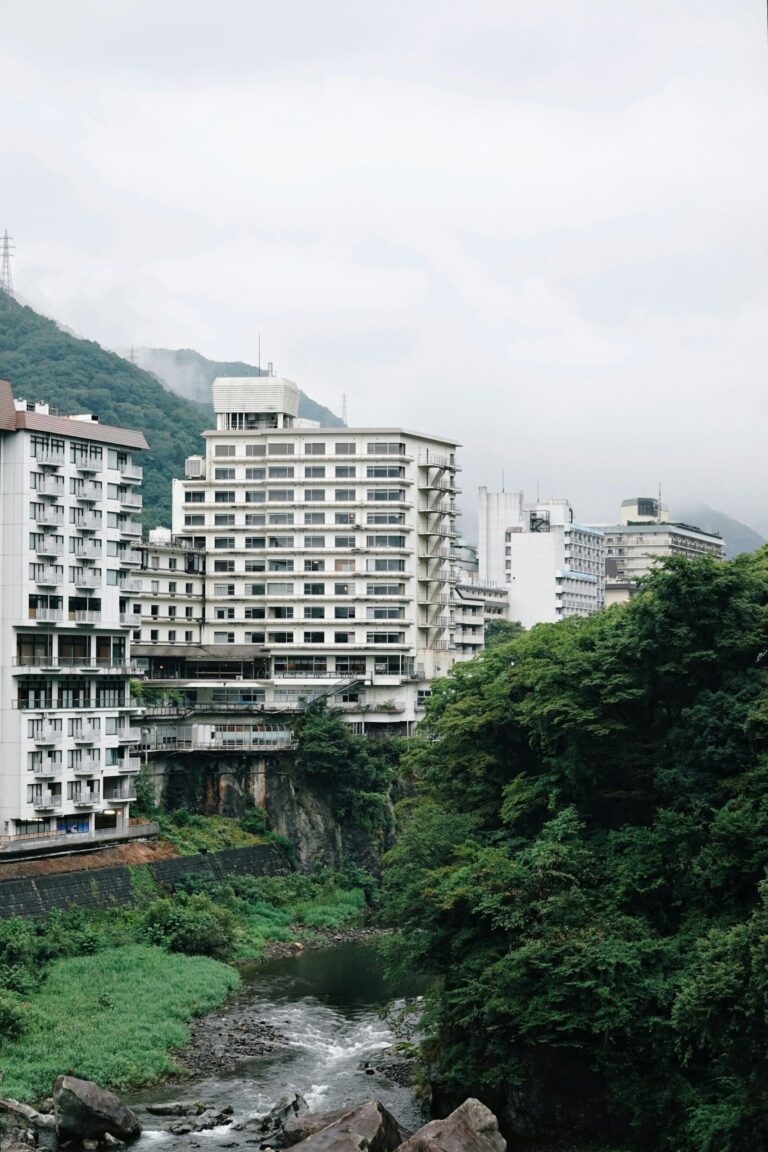
Nikko Toshogu Shrine, Shinkyo Bridge and Kanmangafuchi Abyss are the highlights of Nikko, the mountain town in Tochigi Prefecture that is one of the most rewarding trips from Tokyo. The shrines and temples of Nikko are a UNESCO World Heritage Site, set in a forest of towering cedars, and the most famous of them is the lavishly decorated mausoleum of Tokugawa Ieyasu, the first Tokugawa shogun. A short walk away, a red lacquered bridge spans a rushing river, and a quiet gorge lined with stone statues offers a peaceful escape from the crowds. This guide covers tickets, hours, what to look for and where to stay.
1. Nikko Toshogu Shrine
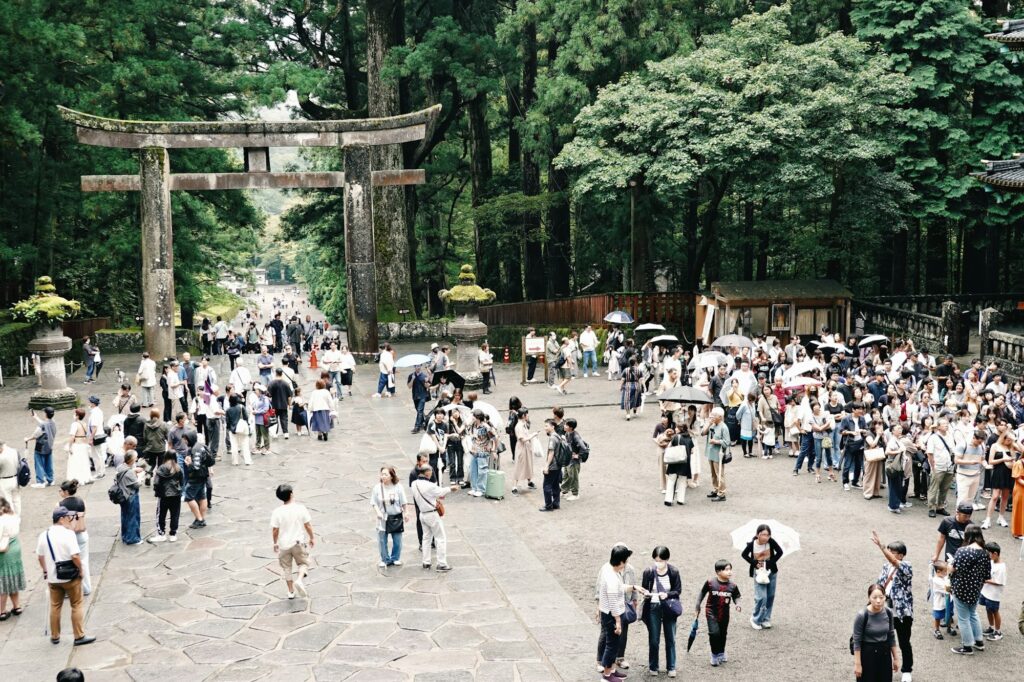
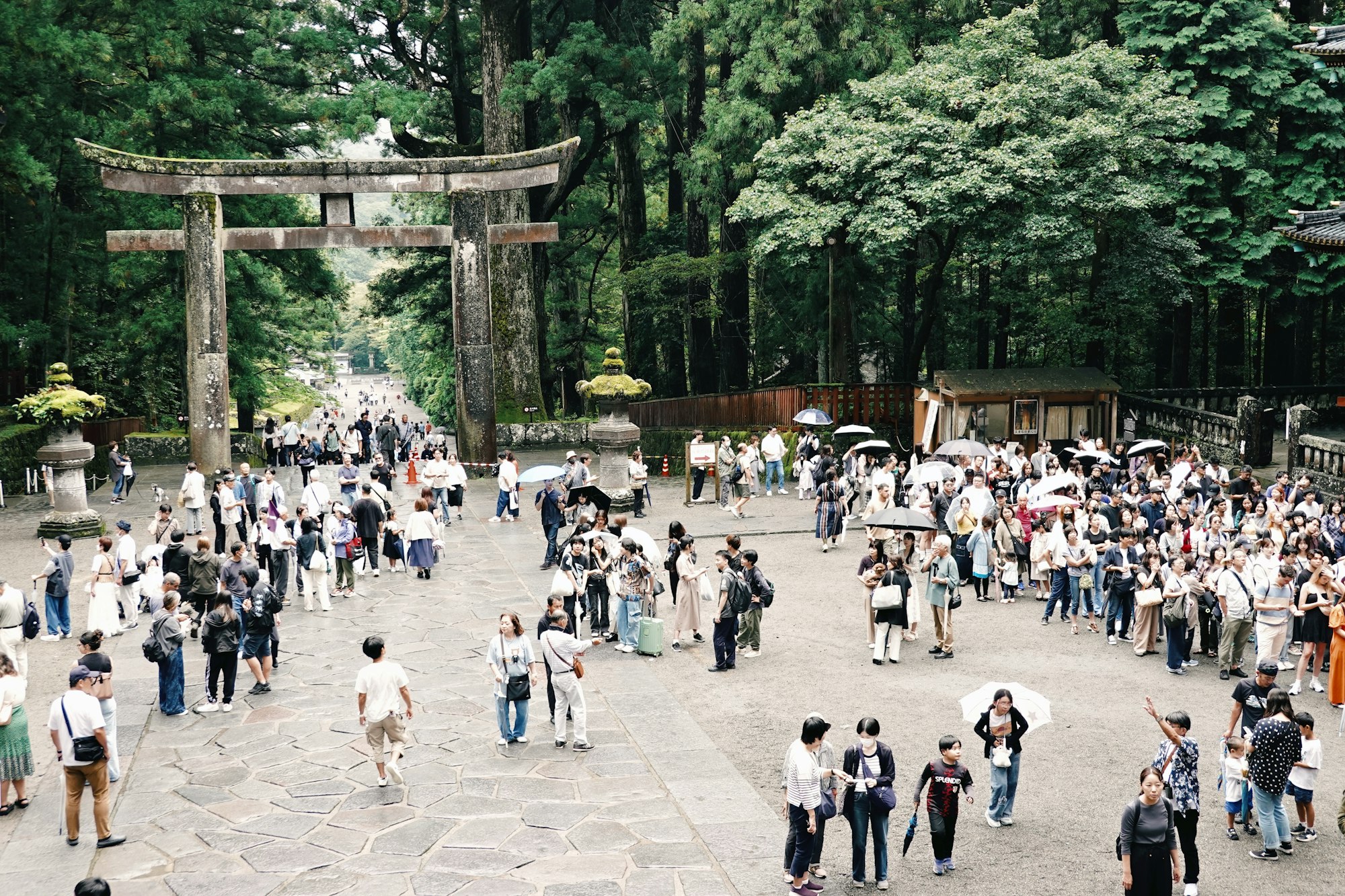
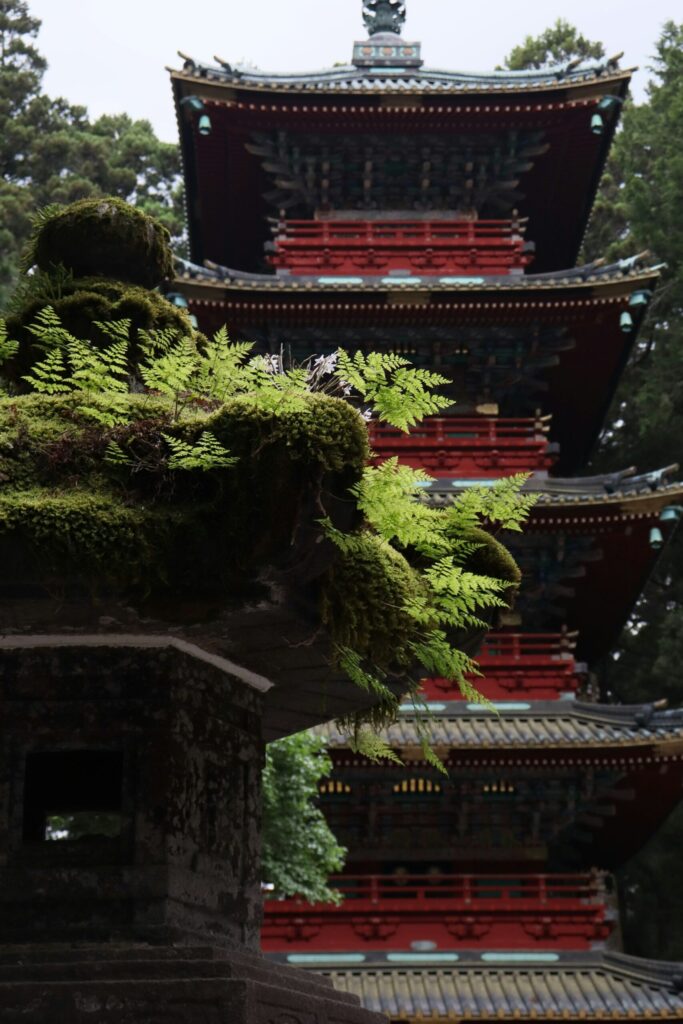
Toshogu is the shrine where Tokugawa Ieyasu, who unified Japan in the early 1600s, is enshrined, and it is the most ornate shrine complex in the country. You enter through a stone torii gate along a cedar-lined approach, pass a red five-story pagoda, and then come to the sacred stable, carved with the original Three Wise Monkeys who “see no evil, hear no evil, speak no evil.” The showpiece is Yomeimon, a gate covered in hundreds of colorful carvings. Look for the tiny Sleeping Cat carved above a gateway on the east side; beyond it, a long climb up stone steps leads to Ieyasu’s tomb at the inner shrine. The Honjido hall is famous for its “crying dragon” painting, which seems to roar when a priest claps beneath it. Admission is 1,600 yen for adults, and the treasure museum costs 1,000 yen extra. The shrine is open 9:00 to 17:00 from April to October and 9:00 to 16:00 from November to March, with last entry 30 minutes before closing.
2. Shinkyo Bridge
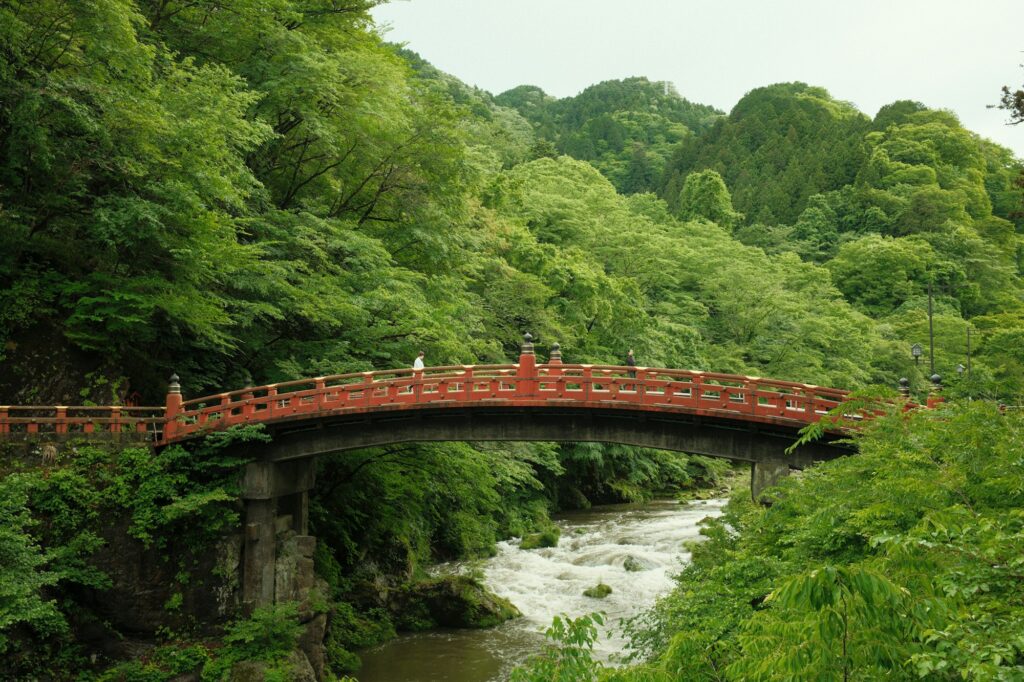
Shinkyo, the “sacred bridge,” marks the traditional entrance to Nikko’s shrine and temple area, where the vermilion bridge arches over the clear, fast-flowing Daiya River. According to legend, the Buddhist monk Shodo Shonin, who founded Nikko’s first temple, was unable to cross the river until two giant snakes appeared and formed a bridge for him. Today the bridge belongs to Futarasan Shrine and is one of Japan’s most photographed bridges, beautiful with fresh green leaves in spring and red maples in autumn. You can photograph it for free from the road bridge beside it, or pay 300 yen to walk across and back. It is open 8:30 to 16:30 from April to October and 9:00 to 16:00 from November to March. From here, it is a short uphill walk to Rinnoji Temple, where the Sanbutsudo hall (400 yen) holds three giant gilded Buddha statues, and then on to Toshogu.
3. Kanmangafuchi Abyss
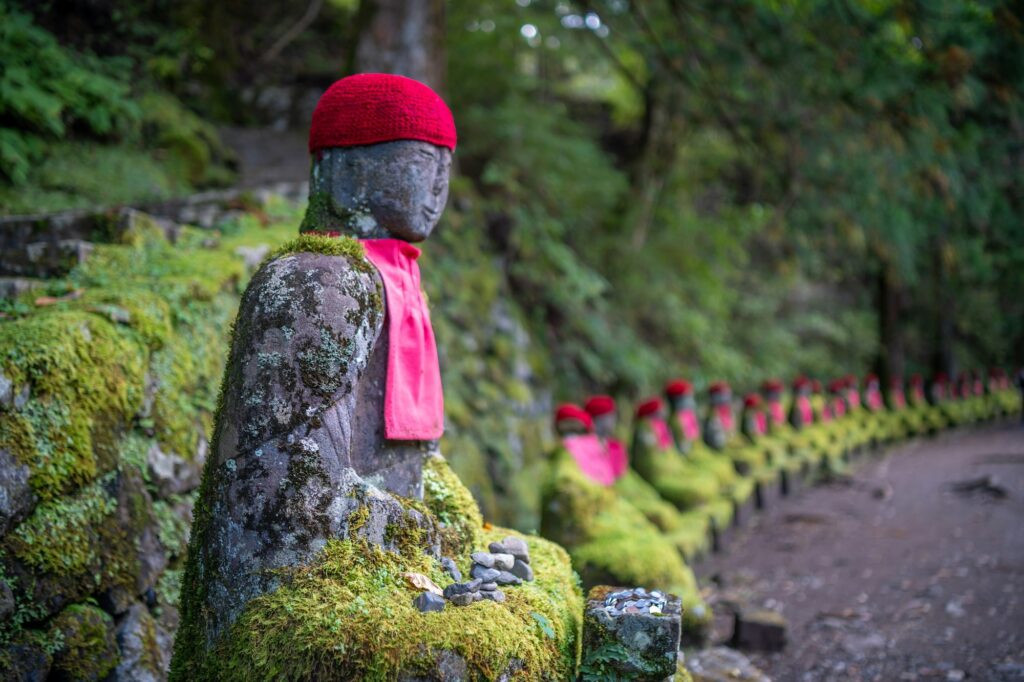
Kanmangafuchi Abyss is a short gorge on the Daiya River formed by lava from an eruption of Mount Nantai thousands of years ago. A riverside path follows the dark volcanic rocks and rushing water, and along it stand about 70 stone jizo statues wearing red knitted caps and bibs, many of them softened by thick green moss. They are nicknamed Bake Jizo, or ghost jizo, because legend says that no one counts the same number of statues twice. Across the river, Sanskrit characters carved into the rock are attributed to the famous monk Kobo Daishi. Kanmangafuchi sits on the edge of the town, roughly a 30 minute walk from the shrine area, and it sees a fraction of Toshogu’s visitors, so it is perfect for a calm late-afternoon stroll. On the way back, the Sogokaikan-mae bus stop is about 15 minutes on foot from the statues.
Where to Stay Near Nikko
 Where to stay: Nikko town
Hotel links in this section go to Booking.com. If you book through them, we may earn a commission at no extra cost to you.
Most of Nikko’s hotels are along the main street between JR Nikko Station, Tobu-Nikko Station and the Shinkyo Bridge. Staying overnight lets you reach Toshogu at opening time, before day-trippers from Tokyo arrive, and gives you time to visit Lake Chuzenji or Kinugawa the next day.
Luxury
Nikko Kanaya Hotel is a historic Western-style hotel dating from the late 1800s, close to the Shinkyo Bridge and the shrine area. Its old-world dining room and wooden interiors are an attraction in their own right.
Historic classic hotel near the shrines.
Mid-Range
Nikko Station Hotel Classic faces JR Nikko Station, a practical choice if you are using the JR Pass and want an easy start the next morning.
Convenient hotel right by JR Nikko Station.
Budget-Friendly
Turtle Inn Nikko is a long-running guesthouse popular with international travelers, in a quiet neighborhood within walking distance of Kanmangafuchi Abyss.
Friendly guesthouse on the quiet side of town.
Compare prices before you book
Hotels in Nikko on Booking.com
Stay one night in Nikko to see Toshogu early in the morning and add Lake Chuzenji or Kinugawa Onsen the next day.
Affiliate link — if you book through Booking.com, we may earn a commission at no extra cost to you.
Quick Tips for Visiting
- Arrive at Toshogu right at opening time to avoid tour groups.
- Buy tickets at each site separately: Toshogu, Rinnoji and Futarasan Shrine charge their own admission.
- Wear shoes you can slip off easily, as you remove them inside some halls, and note that photos are not allowed inside the main hall.
- Foreign visitors can buy the NIKKO PASS World Heritage Area (3,000 yen for 2 days) for Tobu trains from Tokyo and local buses.
- Bring a light jacket: Nikko is in the mountains and cooler than Tokyo.
Getting there by train: From Asakusa in Tokyo, Tobu Railway’s SPACIA X limited express reaches Tobu-Nikko Station in about 1 hour 50 minutes (3,340 yen for a standard seat). With a JR Pass, take the Tohoku Shinkansen to Utsunomiya (about 50 to 60 minutes) and change to the JR Nikko Line to JR Nikko Station (about 45 minutes). Local buses run from both stations to Shinkyo and Toshogu. Read our guide to riding trains in Japan, learn how to ride the Shinkansen, and check whether the JR Pass is worth it. Arriving from overseas? See our guide to getting from Narita or Haneda to Tokyo.
Frequently Asked Questions
How much is Nikko Toshogu Shrine?
Admission to Nikko Toshogu is 1,600 yen for adults and high school students and 550 yen for elementary and junior high students. The treasure museum costs 1,000 yen extra.
Where is the Sleeping Cat at Nikko Toshogu?
The Sleeping Cat carving is above a gateway on the east side of the shrine, at the start of the stone steps that lead up to Tokugawa Ieyasu’s tomb. It is included in the regular admission ticket.
Is Nikko a good day trip from Tokyo?
Yes. Nikko is about 2 hours from Asakusa by Tobu limited express or about 2 hours from Tokyo Station via Utsunomiya with a JR Pass. One night lets you add Lake Chuzenji or Kinugawa Onsen.
How much does it cost to cross Shinkyo Bridge?
Walking across Shinkyo Bridge and back costs 300 yen. You can photograph it for free from the road bridge next to it.