Disclosure: The First Pick takes part in affiliate programs. If you buy through a link on this page, we may earn a commission at no extra cost to you. Prices, promotions and availability change, so always confirm details on the seller’s page. See our Affiliate Disclosure.
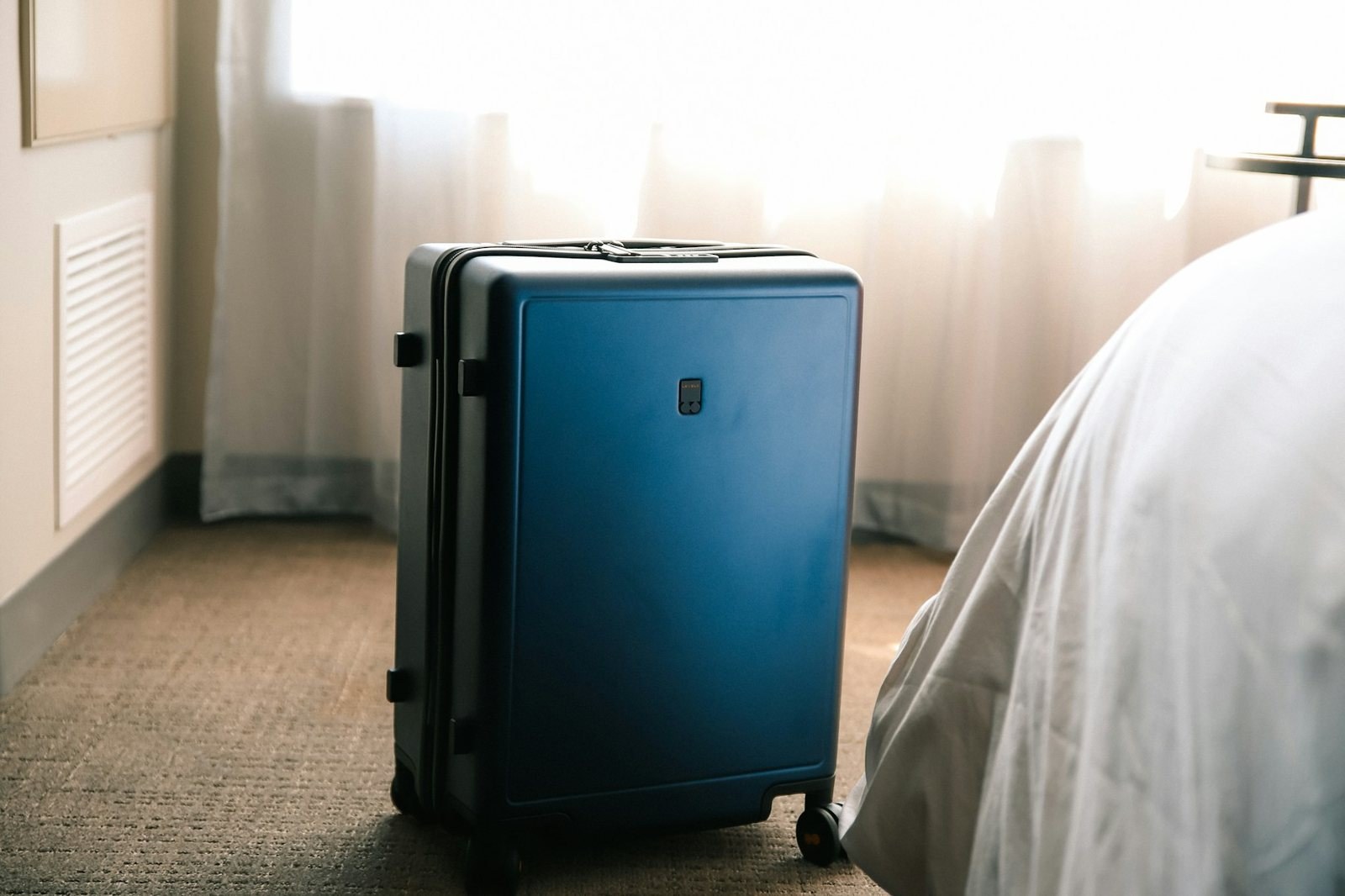
The best luggage for Japan is usually a carry-on or medium suitcase. On Shinkansen lines that require reservations for oversized baggage, bags whose three sides add up to more than about 160 cm (roughly 63 inches) need a special seat reservation, and bags above 250 cm are not allowed. Compact hotel rooms and crowded stations make smaller luggage easier. Always confirm current rules on the official railway sites before you travel.
Why size matters more in Japan
Japan has an excellent rail network, but stations often have stairs, narrow gates and crowded platforms. Hotel rooms can be small, and elevators can be tight. A bag you can lift, carry and store easily will make the whole trip smoother.
The Shinkansen oversized baggage rule
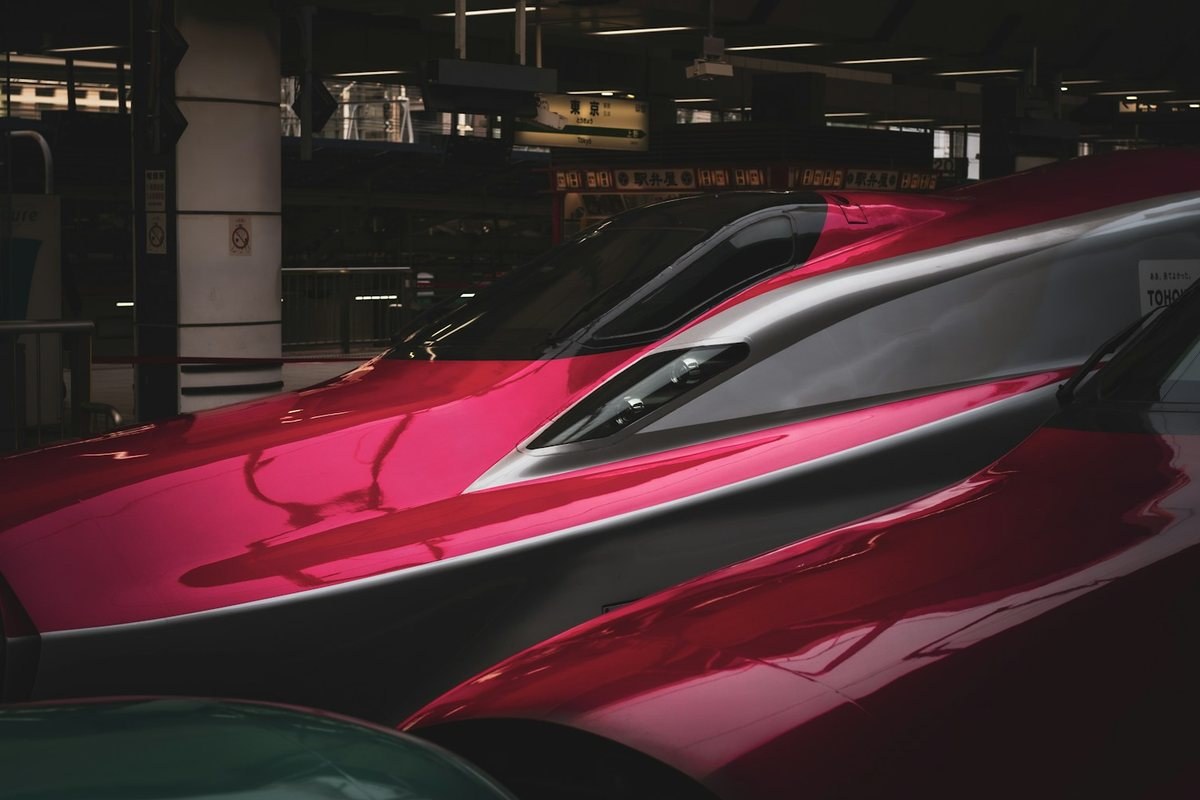
Since 2020, on Tokaido, Sanyo and Kyushu Shinkansen services, passengers with luggage whose three sides total 160 to 250 cm must reserve a seat with an oversized baggage area, and bags over 250 cm are not allowed on board. Rules and lines can change, so check the official JR websites when you plan your route. As a quick guide, 160 cm is about 63 inches, so a large suitcase can be over the limit once wheels and handles are included.
| Suitcase type | Typical total size (L+W+H) | Good for |
|---|---|---|
| Carry-on | About 45 to 55 in (115 to 140 cm) | Trips up to about 7 days, frequent train transfers |
| Medium | About 55 to 62 in (140 to 158 cm) | Longer trips, two people sharing |
| Large | 63 in (160 cm) or more | Check the oversized baggage rule before choosing |
These are approximate ranges. Measure the actual bag, including wheels and handles, before you buy.
Other places size limits appear
- Airlines. Domestic and international carry-on and checked baggage limits vary by carrier and fare class. Check your airline’s page.
- Coin lockers. Station lockers come in several sizes, and larger ones are often full at busy stations. A smaller suitcase is easier to store.
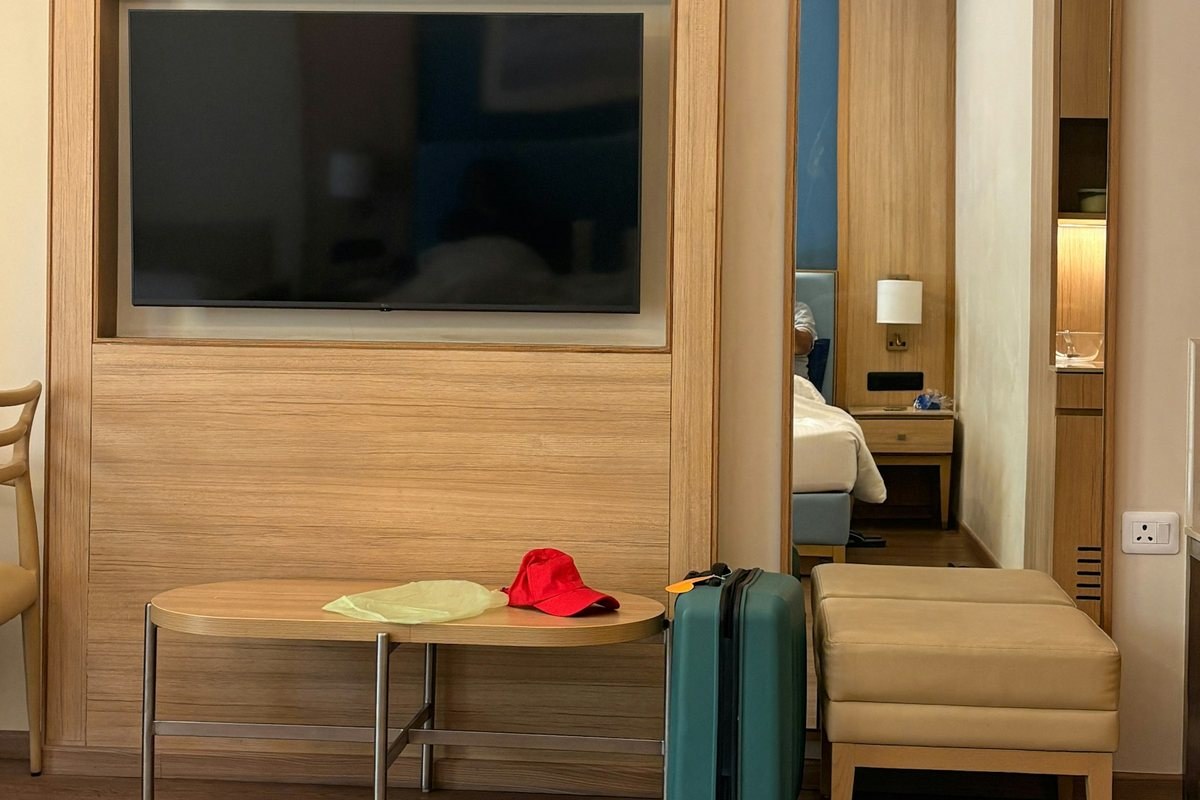
- Hotels. Rooms may have little floor space for an open suitcase. A soft-sided bag can be easier to fit.
- Luggage forwarding. Japan has reliable luggage forwarding (takkyubin) services that send bags between hotels and airports. This is a popular way to travel with a small bag on trains.
Two-wheel or four-wheel? Hard or soft?
- Four-wheel spinners glide easily on smooth station floors and airports but can roll away on slopes.
- Two-wheel bags handle cobblestones and uneven paths better and are more stable on stairs.
- Hard-shell protects fragile souvenirs, while soft-sided bags squeeze into tight spaces and often have handy outer pockets.
Buying luggage online: what to check
Online marketplaces including Temu list a huge variety of suitcases and duffels at low prices. Since luggage takes a lot of wear, look closely before you buy:
- Measured dimensions including wheels and handles, and the empty weight.
- Wheel and handle quality in customer photos and recent reviews.
- Zipper type and stitching at stress points.
- Warranty and return policy, and whether the return window covers your travel dates.
- Delivery time, so you can test-pack before you fly.
If you would rather not invest much, a budget carry-on plus a foldable duffel for souvenirs is a flexible setup. Use our Japan packing list to decide how much space you need, and read our Japan travel guides for routes such as Modern Tokyo: Shibuya, Shinjuku & Akihabara and Kyoto’s iconic temples and shrines.
Temu Shortlist: Listings to Browse
These are example listings and category pages on Temu that match the items above. We have not tested them, and prices, ratings, sizes and availability change often, so read the current listing, recent reviews and the return policy before you buy.
| Listing type | What to check | Link |
|---|---|---|
| Adjustable luggage straps (browse) | Useful for keeping a bag closed and easy to spot | View on Temu |
| Luggage tags (browse) | Bright colors help you spot bags on the carousel | View on Temu |
| Carry-on suitcases (20 inch) | Exterior dimensions including wheels, weight, expandability | View on Temu |
| Foldable duffel bags | Capacity in liters, strap that slides over a handle | View on Temu |
| Luggage covers | Fit for your size, zipper access, stretch fabric | View on Temu |
| Packing cubes | Set size, mesh panels, compression zips | View on Temu |
Tip: sort by recent reviews, open the customer photos, and compare at least two or three listings before you order.
Frequently Asked Questions
What size suitcase should I bring to Japan?
A carry-on or medium suitcase works best for most trips. It fits trains, hotel rooms and lockers more easily, and it avoids the oversized baggage rule on Shinkansen.
Do I need to reserve a seat for a large suitcase on the Shinkansen?
On Tokaido, Sanyo and Kyushu Shinkansen, bags with three sides totaling 160 to 250 cm need an oversized baggage seat reservation. Check the official railway website for current details.
Can I send my luggage ahead in Japan?
Yes. Luggage forwarding services can deliver bags between hotels and airports, and many travelers use them to travel light on trains.
Is it safe to buy luggage from an online marketplace?
It can be a good value if you check dimensions, weight, recent photo reviews and the return policy. Order early enough to test the bag before you fly.