Last checked: October 2026 · Part of our Japan train guide
The Japan Rail Pass used to be the first thing every American bought for a trip to Japan. After the big 2023 price increase and another adjustment in October 2026, that is no longer automatic. For many classic itineraries, individual Shinkansen tickets now cost less. This guide shows the current prices, which trains the pass covers, and a simple break-even test you can run on your own route in two minutes.
- A 7-day ordinary JR Pass costs ¥50,000 on the official website and ¥53,000 through overseas travel agents (October 2026). Green Car (first class) is ¥70,000 / ¥74,000.
- The classic Tokyo → Kyoto → Osaka → Hiroshima → Tokyo loop costs roughly ¥45,000 in regular tickets, so the 7-day pass doesn’t pay off.
- The pass wins when you add long rides like Tokyo ↔ Hiroshima plus a trip north or to the Japan Sea coast (Sendai, Kanazawa, Hokkaido) in the same 7 days.
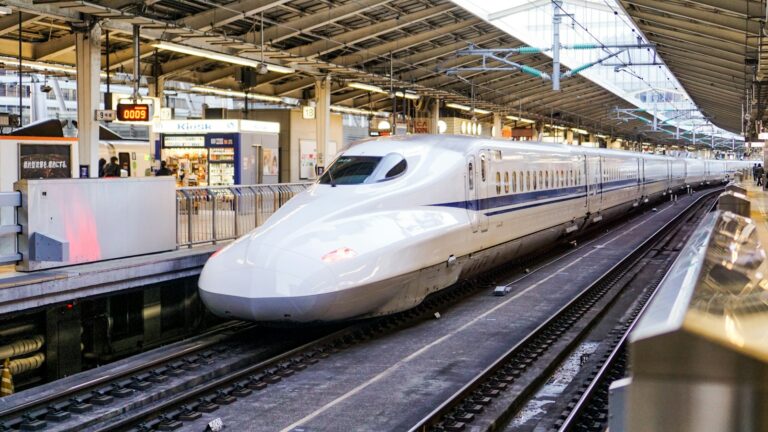
- Nozomi and Mizuho trains are not included. You need a special supplement ticket (about ¥4,960 one way for Tokyo–Kyoto/Shin-Osaka) or take the slightly slower Hikari.
- Regional JR passes (Kansai, Hokuriku, Hokkaido, JR East areas) are often the better deal if you stay in one part of Japan.
Japan Rail Pass prices in 2026
Prices are set in yen. Since October 1, 2026, the official Japan Rail Pass website and overseas travel agents charge different amounts. The lower official-site price is described as a limited-time offer, so check before you buy.
| Pass | Official website | Overseas agents |
|---|---|---|
| Ordinary, 7 days | ¥50,000 | ¥53,000 |
| Ordinary, 14 days | ¥80,000 | ¥84,000 |
| Ordinary, 21 days | ¥100,000 | ¥105,000 |
| Green Car, 7 days | ¥70,000 | ¥74,000 |
| Green Car, 14 days | ¥110,000 | ¥116,000 |
| Green Car, 21 days | ¥140,000 | ¥147,000 |
Adult prices, October 2026. Children 6–11 pay about half. Agents may charge in US dollars at their own exchange rate.
What the JR Pass covers (and what it doesn’t)
Most Shinkansen
Hikari, Kodama, Hayabusa, Kagayaki, Sakura and more, including reserved seats at no extra charge.
JR local & limited express trains
The Yamanote Line in Tokyo, the JR Kyoto Line, Haruka to Kansai Airport and Narita Express.
Nozomi & Mizuho
Allowed only with a special supplement ticket for pass holders. Hikari runs the same route about 30 minutes slower.
Subways & private lines
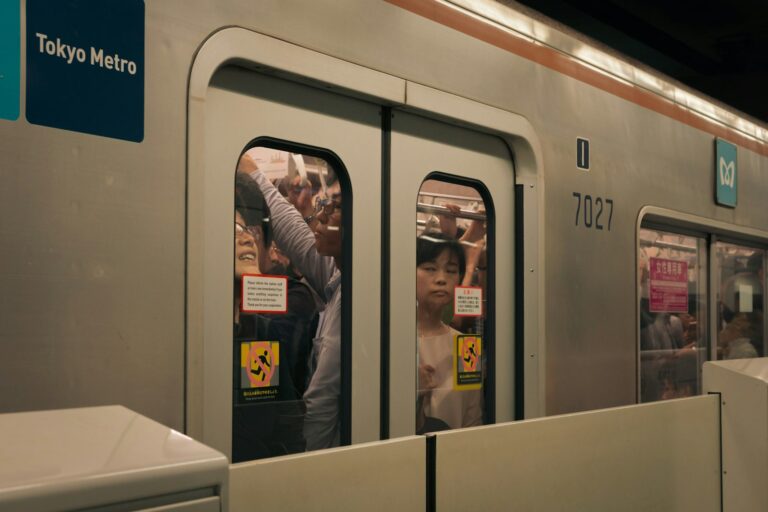
Tokyo Metro, Osaka Metro, Keisei Skyliner, Hankyu, Kintetsu and most buses. Use a Suica or other IC card.
In practice that last point matters more than people expect. Inside Tokyo, Osaka and Kyoto you will ride subways and private lines every day, and none of those trips are covered. Budget ¥1,000–¥2,000 a day for city transport on top of the pass. Our Suica and IC card guide explains the easiest way to pay.
Break-even math for popular routes
Here is what common one-way rides cost with normal reserved-seat tickets. Add up your route and compare it with the pass price.
| One-way trip (reserved seat) | Approx. regular fare |
|---|---|
| Tokyo → Kyoto (Nozomi) | ¥14,000–¥14,500 |
| Tokyo → Shin-Osaka (Nozomi) | ¥14,500–¥15,000 |
| Kyoto → Osaka (JR local/rapid) | about ¥600 |
| Shin-Osaka → Hiroshima (Nozomi) | about ¥10,500 |
| Hiroshima → Tokyo (Nozomi) | about ¥19,500 |
| Tokyo → Kanazawa (Kagayaki) | about ¥14,500 |
| Tokyo → Sendai (Hayabusa) | about ¥11,500 |
| Narita Airport → Tokyo (N’EX) | ¥3,140 |
Rounded, adult, regular season, October 2026. Peak-season fares are a few hundred yen higher. Check exact fares on smartEX or the JR-EAST Train Reservation site.
Example 1: the classic first trip (pass loses)
Tokyo → Kyoto → Osaka → Hiroshima → Tokyo in one week: about ¥14,200 + ¥600 + ¥10,500 + ¥19,500 = about ¥44,800. A ¥50,000 pass costs more, and you would also give up the faster Nozomi unless you pay the supplement.
Example 2: Tokyo, Kanazawa, Kyoto and Hiroshima (pass wins)
Narita Express into Tokyo, then Tokyo → Kanazawa → Kyoto → Hiroshima → Tokyo: about ¥3,140 + ¥14,500 + ¥7,500 (Hokuriku Shinkansen and Thunderbird via Tsuruga) + ¥11,000 + ¥19,500 = about ¥55,600. The 7-day pass saves money, especially if you add the JR ferry to Miyajima, which is also covered.
Example 3: Tokyo and Kyoto only (pass loses badly)
A round trip Tokyo ↔ Kyoto costs about ¥28,500. Even with a day trip to Nara, regular tickets cost far less than ¥50,000.
Should you buy it? A simple verdict
- You are covering 1,000+ miles by rail within 7, 14 or 21 days
- Your route mixes west (Hiroshima, Fukuoka) and north or the Japan Sea coast (Sendai, Kanazawa, Hokkaido)
- You want flexibility to hop on trains without buying tickets each time
- You are fine with Hikari instead of Nozomi, or plan to buy the supplement
- You only travel Tokyo ↔ Kyoto/Osaka once each way
- Most of your days are inside one city
- You will mostly use subways and private lines
- You stay in one region, where a regional JR pass is cheaper
How to buy, activate and use the pass
- Buy online before you flyThe official Japan Rail Pass website sells the pass at the lower price and lets you reserve seats in advance. Overseas agents mail an exchange order instead.
- Activate it in JapanShow your passport at a JR ticket office or a designated machine at major stations and airports. Pick your start date. The 7 days run on calendar days, not 24-hour blocks.
- Reserve seatsSeat reservations are free for pass holders. Use the ticket machines, the official website or a ticket office. Reserve early during cherry blossom season, Golden Week, Obon and New Year.
- Go through the gatesInsert the pass ticket in the automatic gate like any other ticket and take it back. Keep your seat reservation tickets with it.
Cheaper alternatives to the nationwide pass
smartEX / EX Hayatoku
Book Tokaido–Sanyo Shinkansen tickets on your phone with a foreign card. Early-bird fares can be cheaper than the regular price.
JR West, JR East, JR Hokkaido
Area passes for Kansai, Hokuriku, Tohoku or Hokkaido often cost a fraction of the nationwide pass.
IC card + day passes
For Tokyo, Osaka and Kyoto, a Suica-type card plus a subway day pass usually beats any rail pass.
Rental car
For Hokkaido, Okinawa and the countryside, a rental car reaches places trains don’t.
Driving in Japan is easier than many Americans expect. See our Japan rental car guide if part of your trip is rural, and how to ride the Shinkansen if you go with single tickets.
Planning a multi-city route?
Stay steps from the Shinkansen
If you are using the JR Pass to hop between cities, hotels next to the big Shinkansen stations make early departures and luggage-heavy transfers much easier. Compare station-area hotels on Booking.com.
Hotels near Tokyo Station →Near Kyoto Station →Near Shin-Osaka →
Affiliate link — if you book through Booking.com, we may earn a commission at no extra cost to you.
FAQ
How much is the JR Pass in 2026?
As of October 2026, a 7-day ordinary Japan Rail Pass costs ¥50,000 on the official website and ¥53,000 through overseas agents. The 14-day pass is ¥80,000 / ¥84,000 and the 21-day pass is ¥100,000 / ¥105,000.
Is the JR Pass worth it for Tokyo, Kyoto and Osaka only?
Usually not. A round trip between Tokyo and Kyoto or Osaka costs about ¥28,000–¥30,000 with regular tickets, much less than the ¥50,000 7-day pass.
Can I ride the Nozomi with a JR Pass?
Only with a special supplement ticket sold to pass holders, about ¥4,960 one way between Tokyo and Kyoto or Shin-Osaka. Otherwise take the Hikari, which is covered.
Does the JR Pass work on the Tokyo subway?
No. Tokyo Metro and Toei subway lines are not JR and are not covered. The JR Yamanote Line and other JR lines in Tokyo are covered.
Should I buy the JR Pass before I go to Japan?
If you decide to buy it, purchasing online before your trip is usually cheaper and lets you reserve seats in advance. Run the break-even math for your route first.