Last checked: October 2026 · Part of our Japan train guide
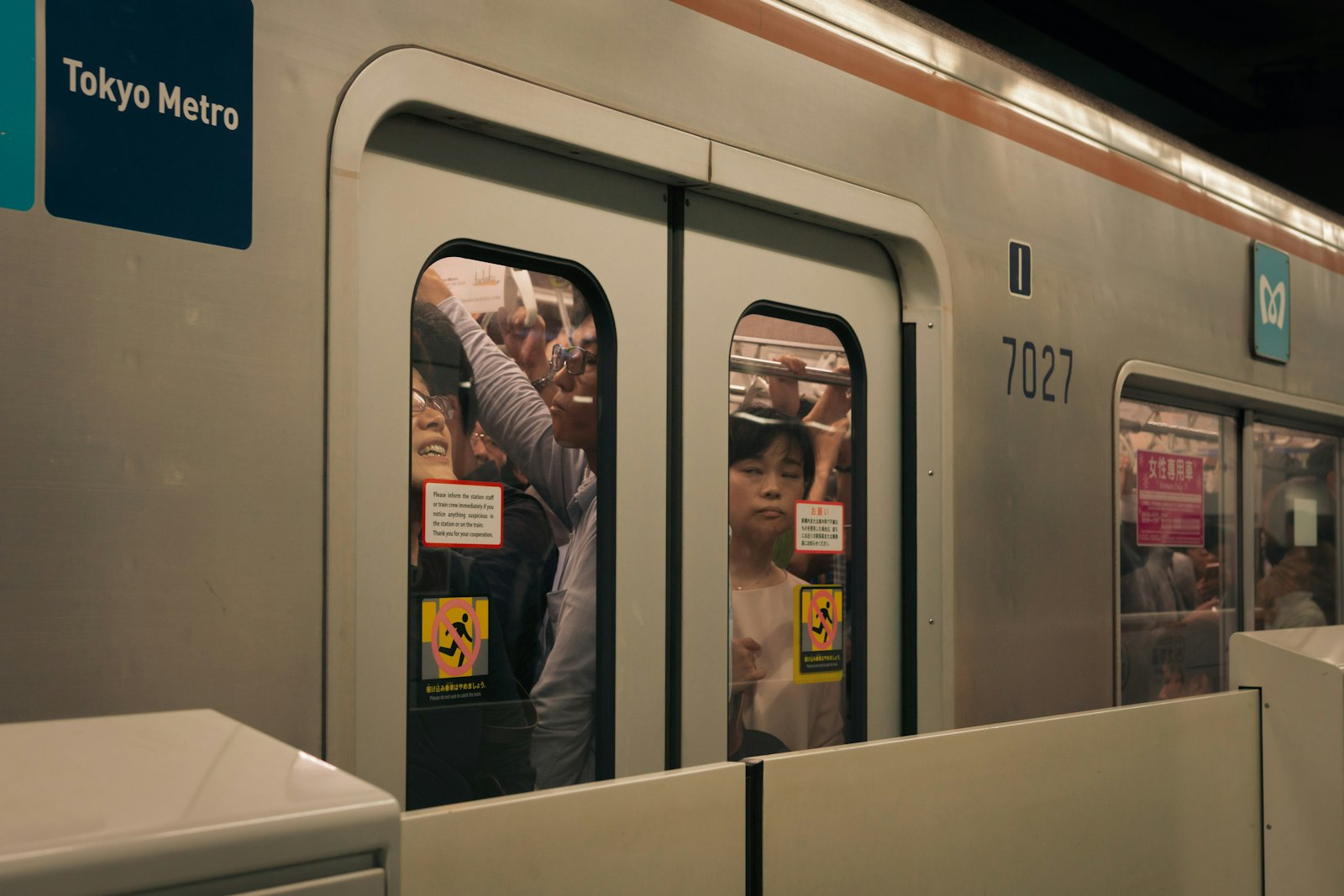
Tokyo has two subway operators, Tokyo Metro and Toei, with 13 lines between them. The Tokyo Subway Ticket lets visitors ride all of them as much as they like for 24, 48 or 72 hours. Prices went up in March 2026, and many guides still show the old ones. Here is what the pass costs now, who can buy it, where to get it, what it does not cover, and how many rides you need for it to pay off.
- Price (adult): 24 hours ¥1,000, 48 hours ¥1,500, 72 hours ¥2,000. Children pay half. Prices rose on March 14, 2026.
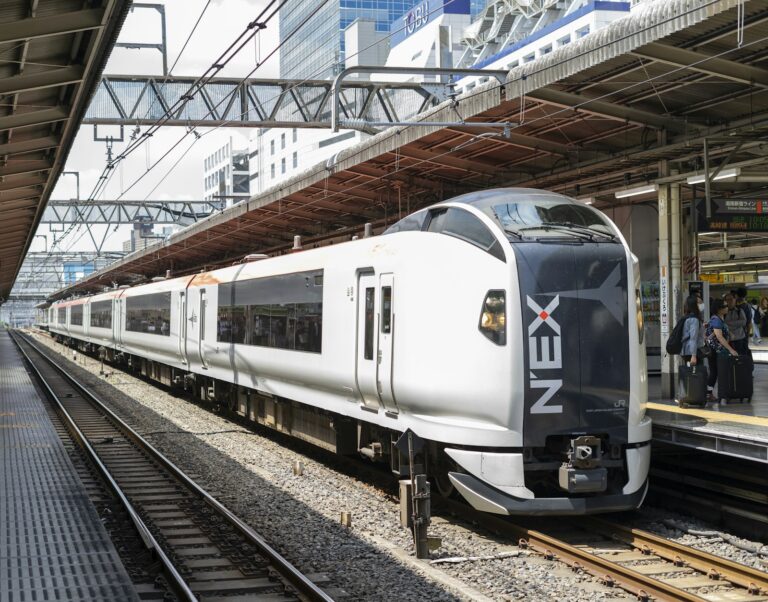
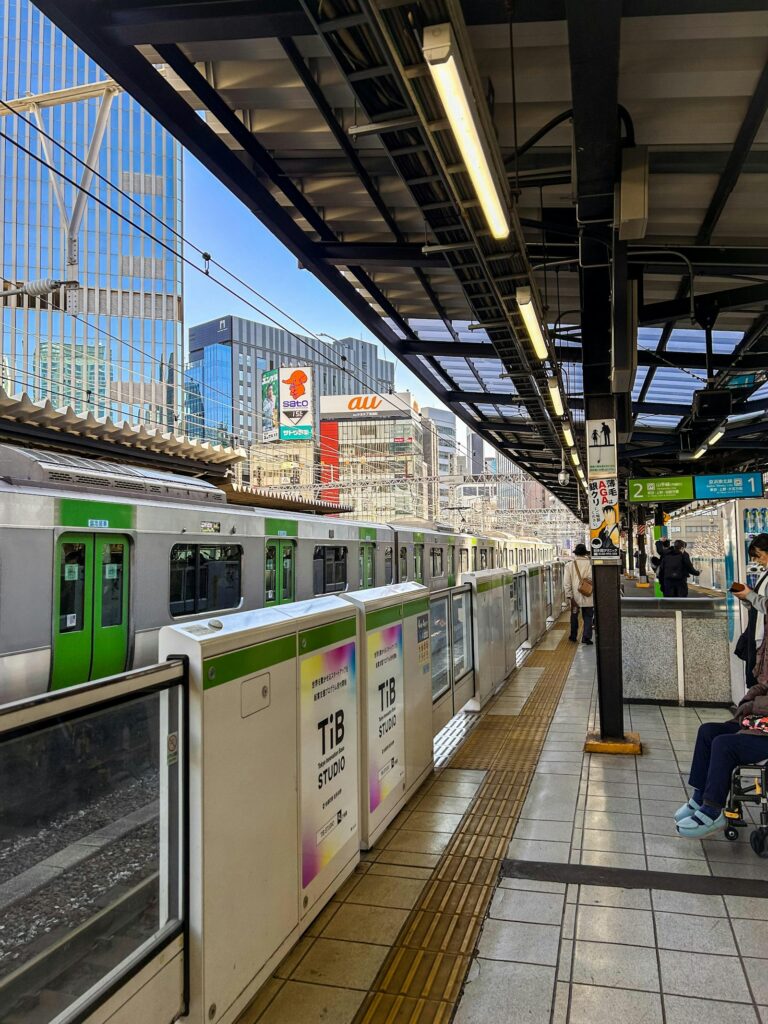
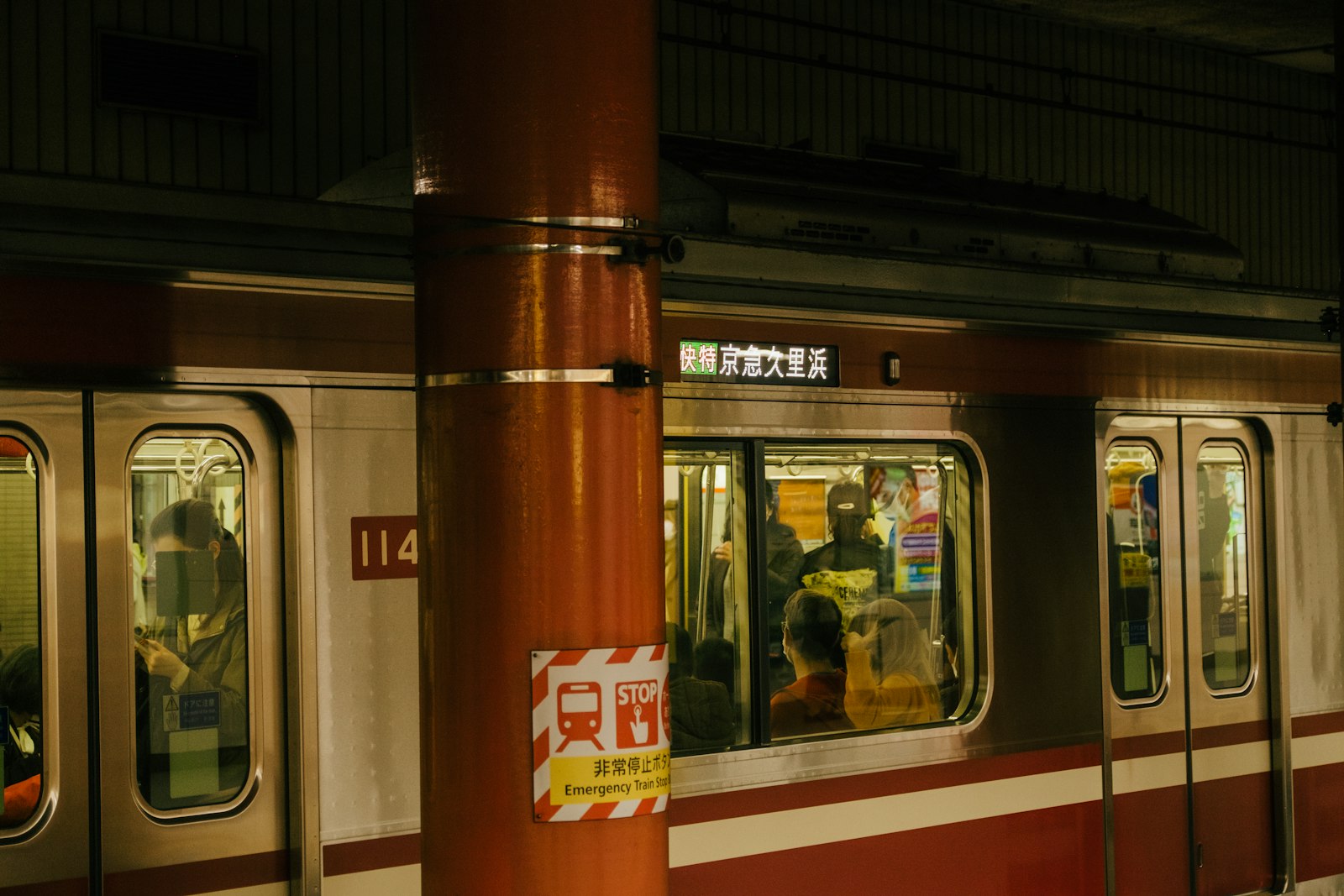
- Covers: all 9 Tokyo Metro lines and all 4 Toei Subway lines. Not JR lines such as the Yamanote Line, private railways, buses or the airport trains.
- Who can buy it: overseas visitors (bring your passport if you buy in Japan) and Japanese residents who live outside Tokyo and its neighboring prefectures.
- Where: online, at Narita and Haneda airport counters, and at Tokyo Metro and Toei tourist information centers in central Tokyo.
- Worth it? Usually, if you take about five or more subway rides a day.
Tokyo Subway Ticket prices (2026)
| Ticket | Adult | Child | Price before March 14, 2026 (adult) |
|---|---|---|---|
| 24-hour | ¥1,000 | ¥500 | ¥800 |
| 48-hour | ¥1,500 | ¥750 | ¥1,200 |
| 72-hour | ¥2,000 | ¥1,000 | ¥1,500 |
October 2026, from Tokyo Metro and Toei (Bureau of Transportation, Tokyo Metropolitan Government). Child fares apply to ages 6 to 11; up to two children under 6 ride free with a paying adult.
The hours run from the time you start your first trip, not from midnight. A 24-hour ticket first used at 2 pm on Monday is good until 2 pm on Tuesday, so a 72-hour ticket can cover four calendar days if you time it well. Since March 2026 there is also a QR-code version that you buy online and scan at ticket gates with a QR reader.
What the ticket covers, and what it doesn’t
Tokyo Metro (9 lines)
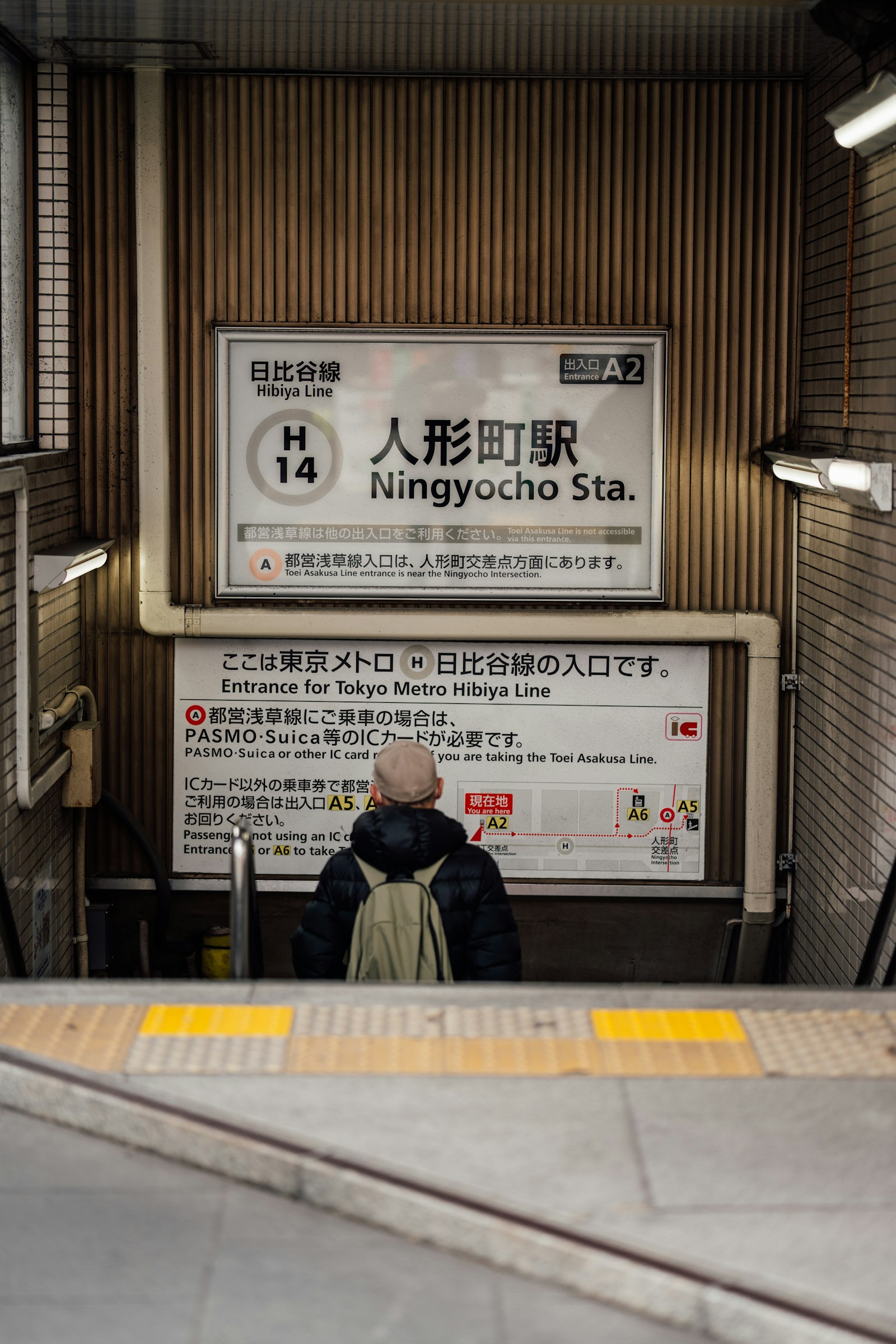
Ginza, Marunouchi, Hibiya, Tozai, Chiyoda, Yurakucho, Hanzomon, Namboku and Fukutoshin lines.
Toei Subway (4 lines)
Asakusa, Mita, Shinjuku and Oedo lines, run by the Tokyo Metropolitan Government.
JR trains
The JR Yamanote Line loop, the Chuo Line and other JR East trains need a separate fare. Use Suica or a JR ticket.
Other railways and buses
Keisei, Keikyu, Odakyu, Tokyu and other private lines, the Yurikamome, Tokyo Monorail, Toei buses and the Sakura Tram.
Who can buy it and where
The Tokyo Subway Ticket is a visitor product. It is sold to travelers from overseas and to Japanese residents who live outside Tokyo and the neighboring prefectures. If you buy it in Japan as a foreign visitor, staff check your short-term stay status with your passport, so keep it with you.
- Online, before or during your tripTokyo Metro sells the ticket, including the QR-code version, through its official online store linked from the Tokyo Metro website.
- At the airportNarita Airport (Terminal 1 and 2 arrival lobbies) and Haneda Airport (Terminal 3, 2nd floor tourist information counters) sell it, so you can buy it as soon as you land.
- In central TokyoTokyo Metro tourist information centers and pass offices, and the Toei Subway tourist information centers at Shimbashi, Shinjuku-Nishiguchi and Ueno-Okachimachi stations.
- Hotels and storesSome participating hotels and electronics stores also sell it. Which ticket types each place has varies, so check before you go.
Arriving at Narita or Haneda? The ticket is also sold in sets with airport transport, such as the Skyliner & Tokyo Subway Ticket (Keisei Skyliner between Narita and Ueno) and the Limousine & Subway Pass (airport bus). Compare those with the other airport options in our Narita and Haneda to Tokyo guide.
Is the Tokyo Subway Ticket worth it?
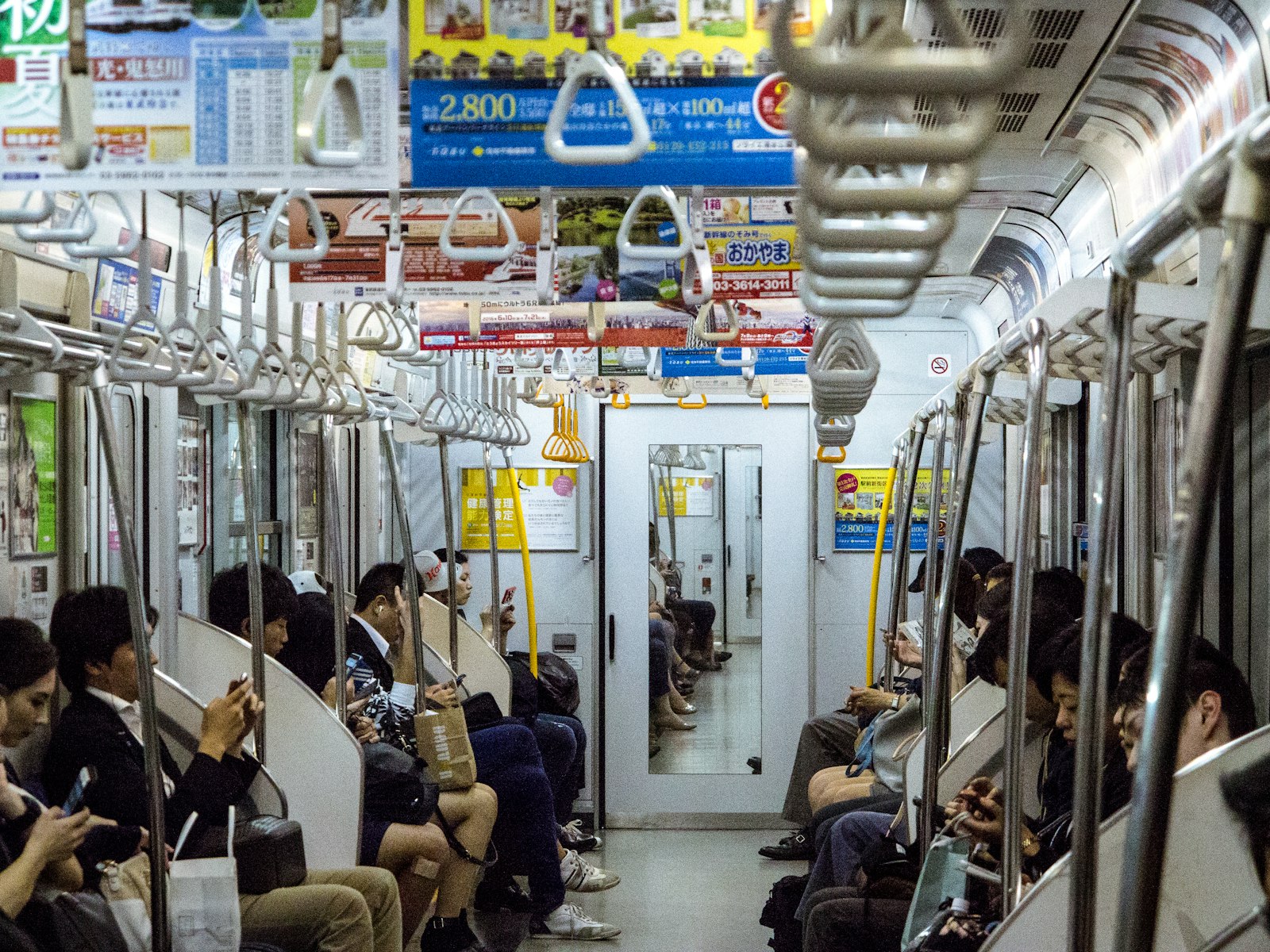
Regular Tokyo Metro fares are ¥180 to ¥330 for an adult paper ticket (¥178 to ¥324 with an IC card), depending on distance. Most rides between central sights fall in the ¥180 to ¥260 range. That puts the break-even point for the 24-hour ticket at about five or six rides. Changing between a Tokyo Metro line and a Toei line normally costs more than a single ride, because you pay two operators, and the pass removes that problem.
| Ticket | Rough break-even (adult) | Good for |
|---|---|---|
| 24-hour (¥1,000) | About 5–6 rides in 24 hours | A packed sightseeing day across town |
| 48-hour (¥1,500) | About 4 rides a day | Two busy days |
| 72-hour (¥2,000) | About 3–4 rides a day | Three days based in central Tokyo |
Estimates based on Tokyo Metro adult fares of ¥180–¥260 for typical rides. Actual savings depend on your route.
A typical first day might be Shinjuku to Asakusa, Asakusa to Ueno, Ueno to Ginza, Ginza to Roppongi, then Roppongi back to your hotel: five rides, all on the subway. On days built around JR-only places, or when you are leaving Tokyo for a day trip, the pass does less. That makes the 48-hour or 72-hour version the best value when you start it on your busiest city days.
You are subway-heavy
Your hotel is near a subway station and your plans are Asakusa, Ginza, Roppongi, Omotesando and Shibuya.
You mostly ride JR
You stay near a Yamanote Line station, or spend days in Hakone, Kamakura or Nikko. A Suica card is simpler.
Other passes and Suica
| Option | Adult price | What it covers |
|---|---|---|
| Tokyo Subway Ticket | ¥1,000 / ¥1,500 / ¥2,000 | All Tokyo Metro and Toei Subway lines for 24 / 48 / 72 hours. Visitors only. |
| Tokyo Metro & Toei Subway 1Day Ticket | ¥1,100 | Both subway networks for one day. Anyone can buy it. |
| Toei 1Day Pass | ¥700 | Toei Subway, Toei buses, Tokyo Sakura Tram and Nippori-Toneri Liner for one day. Not Tokyo Metro. |
| Tokyo Free Ticket | ¥1,720 | Adds JR lines within Tokyo’s 23 wards to the subways and Toei buses for one day. |
| Suica or PASMO | Pay per ride | Every train, subway and most buses. No savings, but no planning either. |
October 2026. Prices for the 1Day Ticket and Tokyo Free Ticket also rose on March 14, 2026.
You will still want an IC card for JR trains, buses and convenience-store purchases. The Tokyo Subway Ticket is a separate ticket, so you can carry both and use whichever fits each ride. See our Suica guide for Welcome Suica and iPhone Suica.
How to use it
- Paper ticket: insert it into the ticket slot of any subway gate and take it back on the other side. Do not tap it on the IC reader.
- QR version: scan the QR code on your phone at a gate with a QR reader.
- Keep the ticket until you leave the last station. You need it to exit.
- When changing between Tokyo Metro and Toei lines, pass the ticket through the transfer gate again.
- Note the time of your first ride so you know when the ticket runs out.
Where to stay
Stay near a subway hub
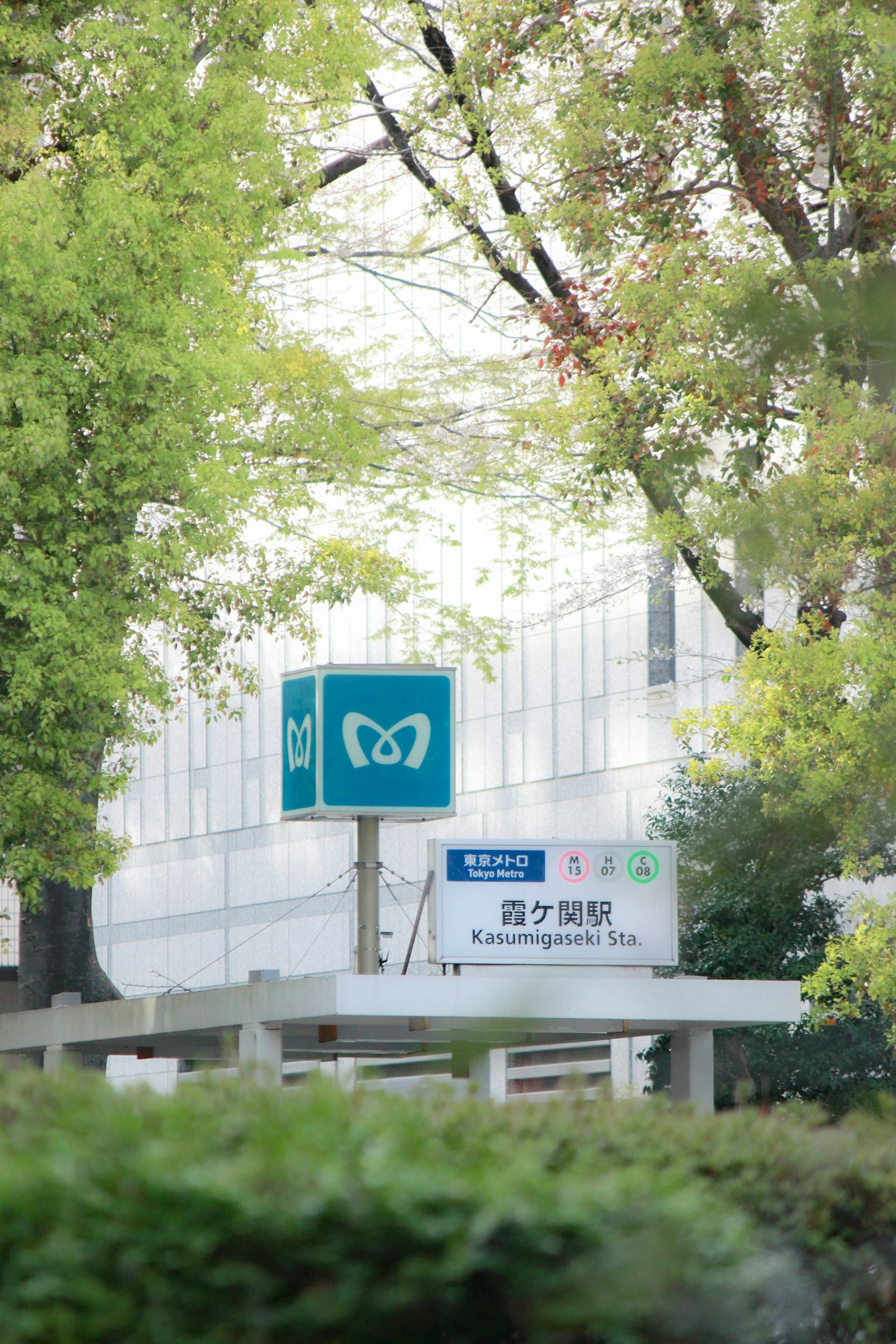
A hotel a few minutes from a station served by several subway lines gets the most out of an unlimited ticket. Shinjuku, Shibuya and Akihabara all have subway and JR connections. Compare hotels on Booking.com, or read our Shinjuku vs Shibuya vs Akihabara guide.
Hotels in Shinjuku →Hotels in Shibuya →Hotels in Akihabara →
Affiliate links — if you book through Booking.com, we may earn a commission at no extra cost to you.
FAQ
How much is the Tokyo Subway Ticket in 2026?
For adults, the 24-hour ticket costs ¥1,000, the 48-hour ticket ¥1,500 and the 72-hour ticket ¥2,000. Children pay half. These prices took effect on March 14, 2026; before that they were ¥800, ¥1,200 and ¥1,500.
Does the Tokyo Subway Ticket cover the JR Yamanote Line?
No. It covers only the 9 Tokyo Metro lines and the 4 Toei Subway lines. JR trains, including the Yamanote Line, private railways, buses and airport trains need a separate ticket or an IC card such as Suica.
When does the 24-hour Tokyo Subway Ticket start?
The hours count from the time you start your first trip, not from midnight. A 24-hour ticket first used at 2 pm is valid until 2 pm the next day.
Is the Tokyo Subway Ticket worth it?
Usually, if you ride the subway about five or more times a day. Most Tokyo Metro rides between central sights cost ¥180 to ¥260, so the ¥1,000 24-hour ticket breaks even at about five or six rides. If you mostly use JR lines, a Suica card is the better choice.
Where can I buy the Tokyo Subway Ticket?
Online through Tokyo Metro’s official store, at Narita and Haneda airport counters, at Tokyo Metro and Toei tourist information centers in central Tokyo, and at some participating hotels and stores. Foreign visitors buying in Japan need to show their passport.