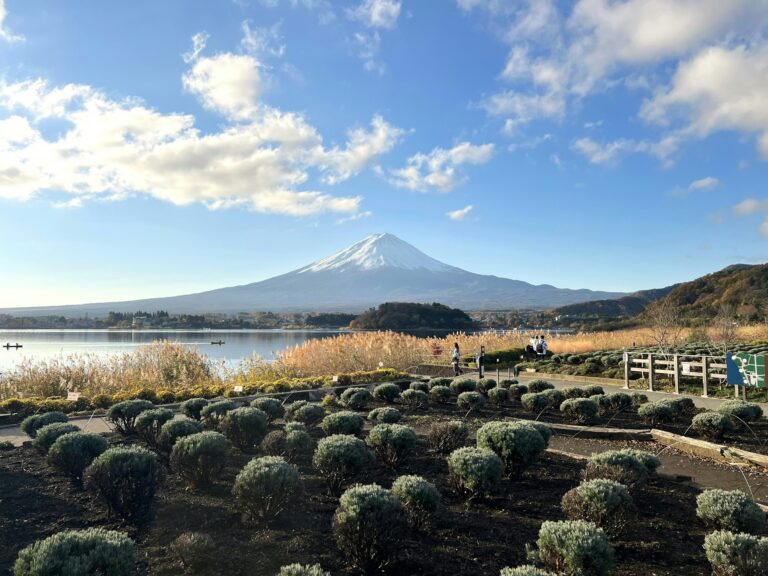
Beyond its famous temples, Kyoto rewards slower exploration — a canal-side walking path, one of Japan’s most studied rock gardens, and a centuries-old market street where locals still shop daily. This guide covers three spots that show Kyoto’s quieter, more contemplative side.
1. Philosopher’s Path
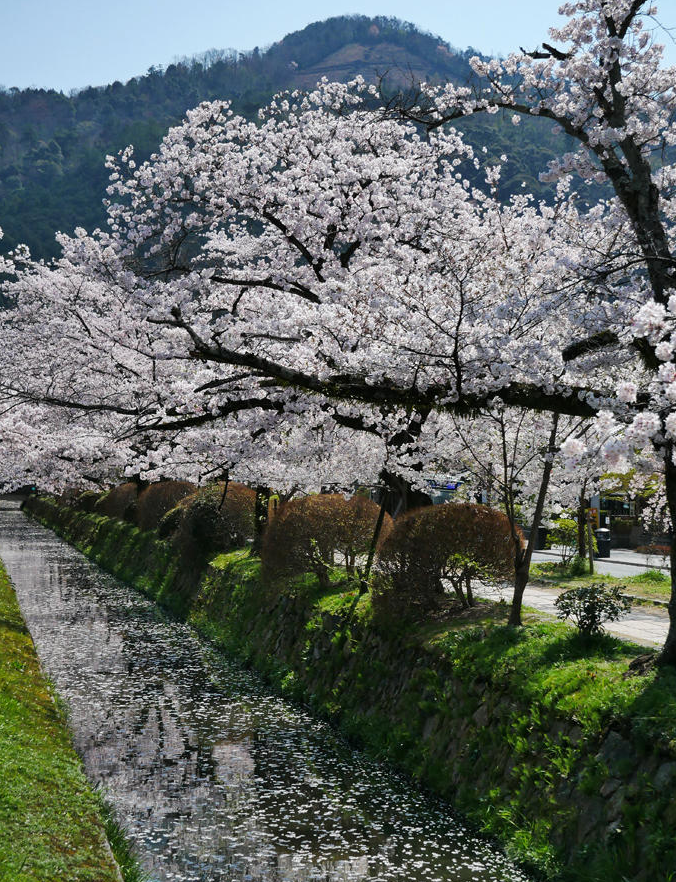
The Philosopher’s Path is a two-kilometer stone walkway following a cherry tree-lined canal between Ginkaku-ji (the Silver Pavilion) and Nanzen-ji Temple. It takes its name from Nishida Kitaro, a 20th-century Kyoto University philosopher who reportedly walked the route daily as part of his meditation practice. The path is at its most spectacular during cherry blossom season in late March to early April, when the canal is framed by pink blossoms on both sides, but it remains a pleasant, unhurried walk throughout the year, passing small cafes, shops, and side-street temples along the way. Budget about 45 minutes to an hour for the walk itself, longer if stopping at the temples on either end.
2. Ryoan-ji Rock Garden
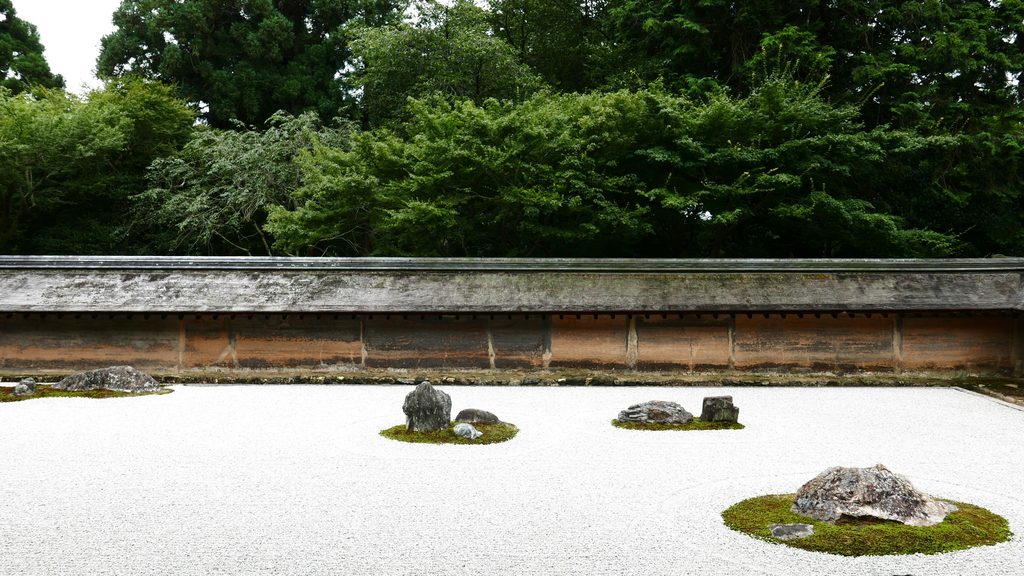
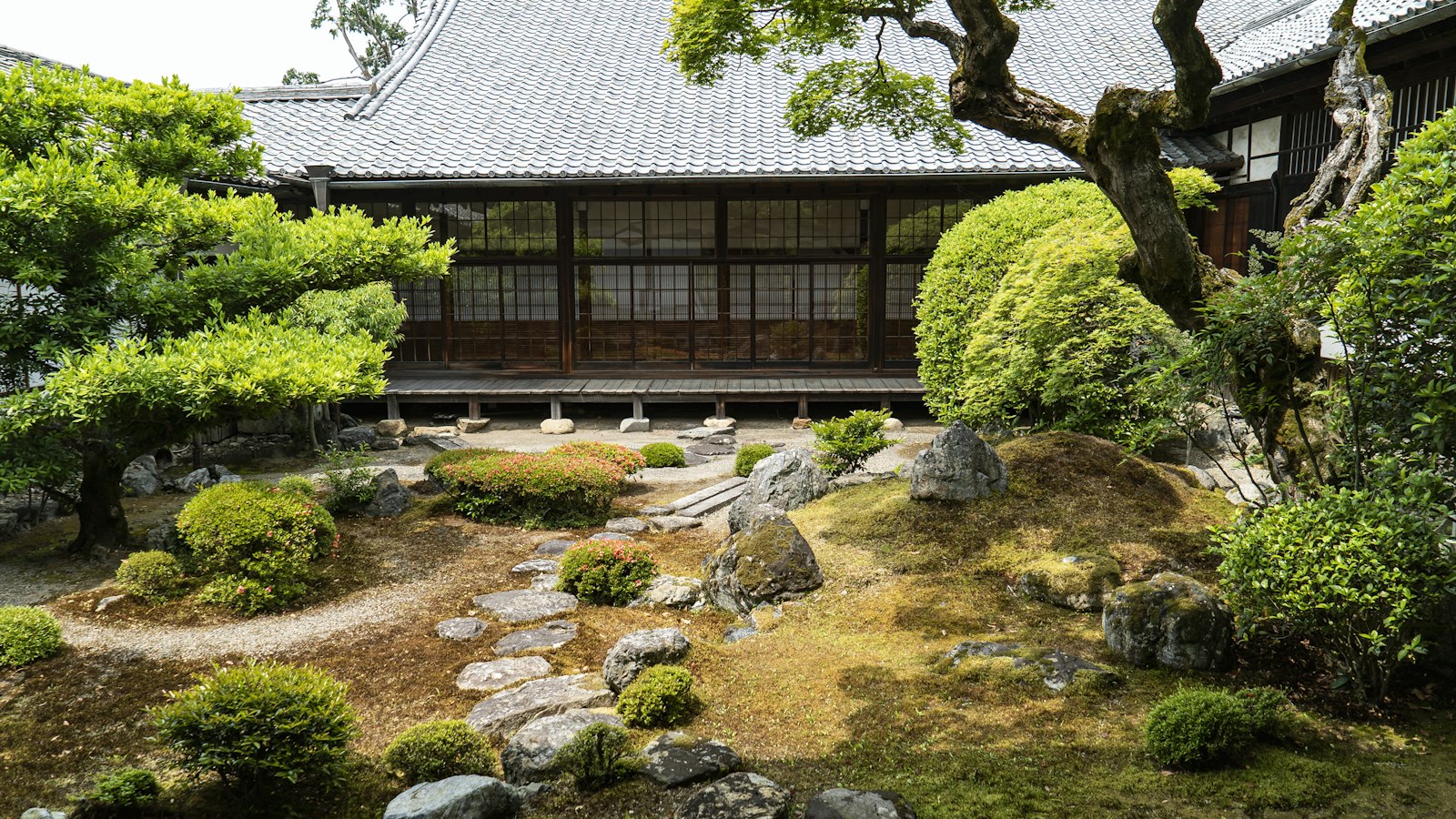
Ryoan-ji is home to Japan’s most famous karesansui (dry landscape) rock garden, a rectangular plot of raked white gravel containing fifteen carefully placed rocks. The arrangement is designed so that no matter where a visitor sits along the viewing veranda, only fourteen of the fifteen rocks are visible at once — a detail long debated by scholars and visitors as either a design flaw or an intentional lesson in the limits of human perception. The garden’s exact meaning and original purpose remain unknown, adding to its enduring appeal as a place for quiet reflection. The temple grounds also include a larger strolling garden with a pond, offering a good contrast to the minimalism of the rock garden itself.
3. Nishiki Market
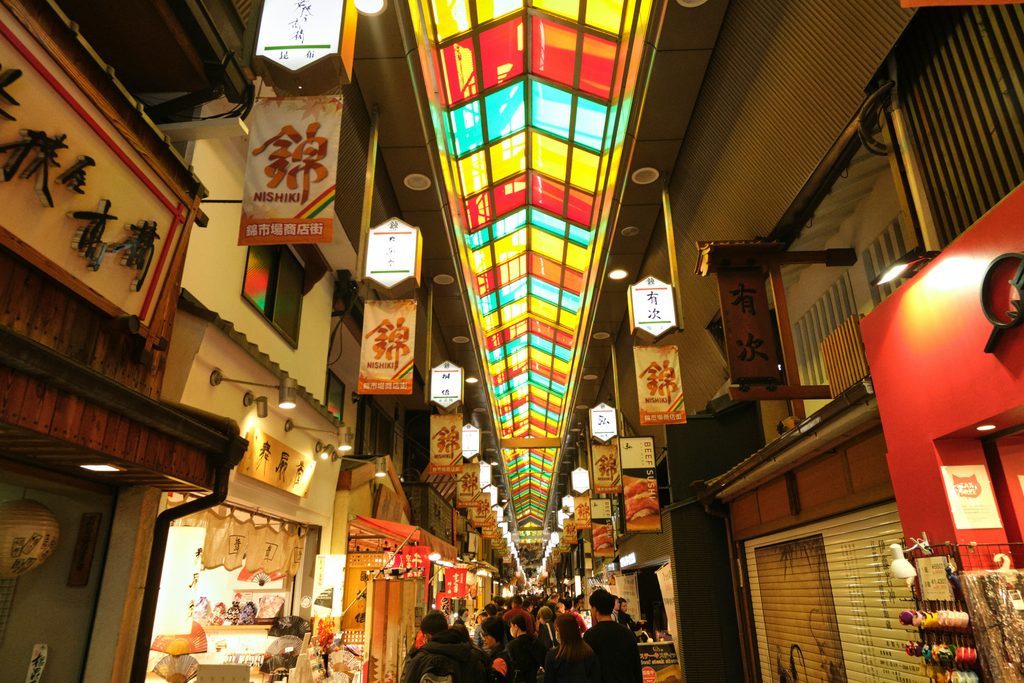
Nishiki Market is a narrow, covered shopping street stretching five blocks through central Kyoto, with a history dating back over 400 years. Known locally as “Kyoto’s Kitchen,” it’s the best place in the city to sample regional specialties like yuba (tofu skin), tsukemono (pickled vegetables), and matcha sweets, many available as small, walk-and-eat portions from the shopfront. Unlike Osaka’s more tourist-driven food markets, Nishiki retains a strong local character, with many stalls run by families who have operated the same shop for generations. The market connects directly to the covered Teramachi and Shinkyogoku shopping arcades, making it easy to continue shopping after browsing the food stalls.
Where to Stay Near Kyoto’s Gardens & Markets
 Where to stay: Central Kyoto
Hotel links in this section go to Booking.com. If you book through them, we may earn a commission at no extra cost to you.
Central Kyoto near Kawaramachi puts Nishiki Market within walking distance, with easy bus access to the Philosopher’s Path and Ryoan-ji.
Luxury
The Four Seasons Hotel Kyoto and Hyatt Regency Kyoto offer high-end stays with traditional garden settings of their own.
Built around an 800-year-old pond garden in Higashiyama.
Next to Sanjusangen-do temple, a short ride from Kiyomizu-dera.
Mid-Range
Hotels near Kawaramachi or Karasuma, such as Mitsui Garden Hotel Kyoto Shijo, offer a central base within walking distance of Nishiki Market.
Mitsui Garden Hotel Kyoto Shijo
Central business hotel a short walk from Nishiki Market.
Budget-Friendly
Guesthouses and capsule hotels near Kyoto Station or Kawaramachi Station offer affordable stays with good bus and train access citywide.
Compare prices before you book
Hotels in Kyoto on Booking.com
Kyoto’s cherry blossom (late March to early April) and autumn foliage (mid-November to early December) seasons sell out fast — compare rates early.
Affiliate link — if you book through Booking.com, we may earn a commission at no extra cost to you.
Quick Tips for Visiting
- The Philosopher’s Path is free and always open; nearby Ginkaku-ji and Nanzen-ji charge separate admission fees.
- Ryoan-ji’s rock garden viewing area can get crowded midday — early morning offers a quieter, more contemplative visit.
- Many Nishiki Market vendors expect you to eat your purchase on the spot or just outside the stall, rather than walking while eating through the whole arcade.
- These three spots are spread across Kyoto; pairing Ryoan-ji with nearby Kinkaku-ji makes for an efficient day of sightseeing.
Getting there by train: Read our guide to riding trains in Japan, learn how to ride the Shinkansen, and check whether the JR Pass is worth it for your itinerary.
Frequently Asked Questions
Why can you only see 14 of the 15 rocks at Ryoan-ji?
The garden’s rocks are arranged so that at least one is always hidden from view regardless of viewing angle along the veranda — a detail believed to be intentional, though its exact meaning is debated.
Is the Philosopher’s Path worth visiting outside of cherry blossom season?
Yes, though it’s most photogenic in spring, the path offers a pleasant, quiet walk year-round with seasonal foliage in autumn as well.
Is Nishiki Market open every day?
Most shops are open daily, though individual stalls set their own hours and some close one day a week — mid-morning to early evening is the most reliable window.