Quick answer: For most first-time visitors, Shinjuku is the best all-round base in Tokyo: it has the most train lines, direct airport trains and buses to Mt. Fuji and Hakone, and food and nightlife until late. Choose Shibuya if you want a stylish, youthful neighborhood with easy access to Harajuku, and Akihabara if you want lower hotel prices, anime and electronics shopping, and a quick ride to Tokyo Station and Ueno.
Shinjuku, Shibuya and Akihabara are three of the most popular places to stay in Tokyo, but they feel very different and sit in different parts of the city. Shinjuku and Shibuya are on the west side of central Tokyo, while Akihabara is on the east side near Tokyo Station. All three are stops on the JR Yamanote Line, the loop line of 30 stations that circles central Tokyo in about an hour, so you can reach most sights from any of them. This guide compares each area for first-timers, with the pros, the downsides and hotels at three price levels, plus two alternatives worth considering.
Hotel links in this guide go to Booking.com. If you book through them, we may earn a commission at no extra cost to you.
1. Shinjuku: Best All-Round Base
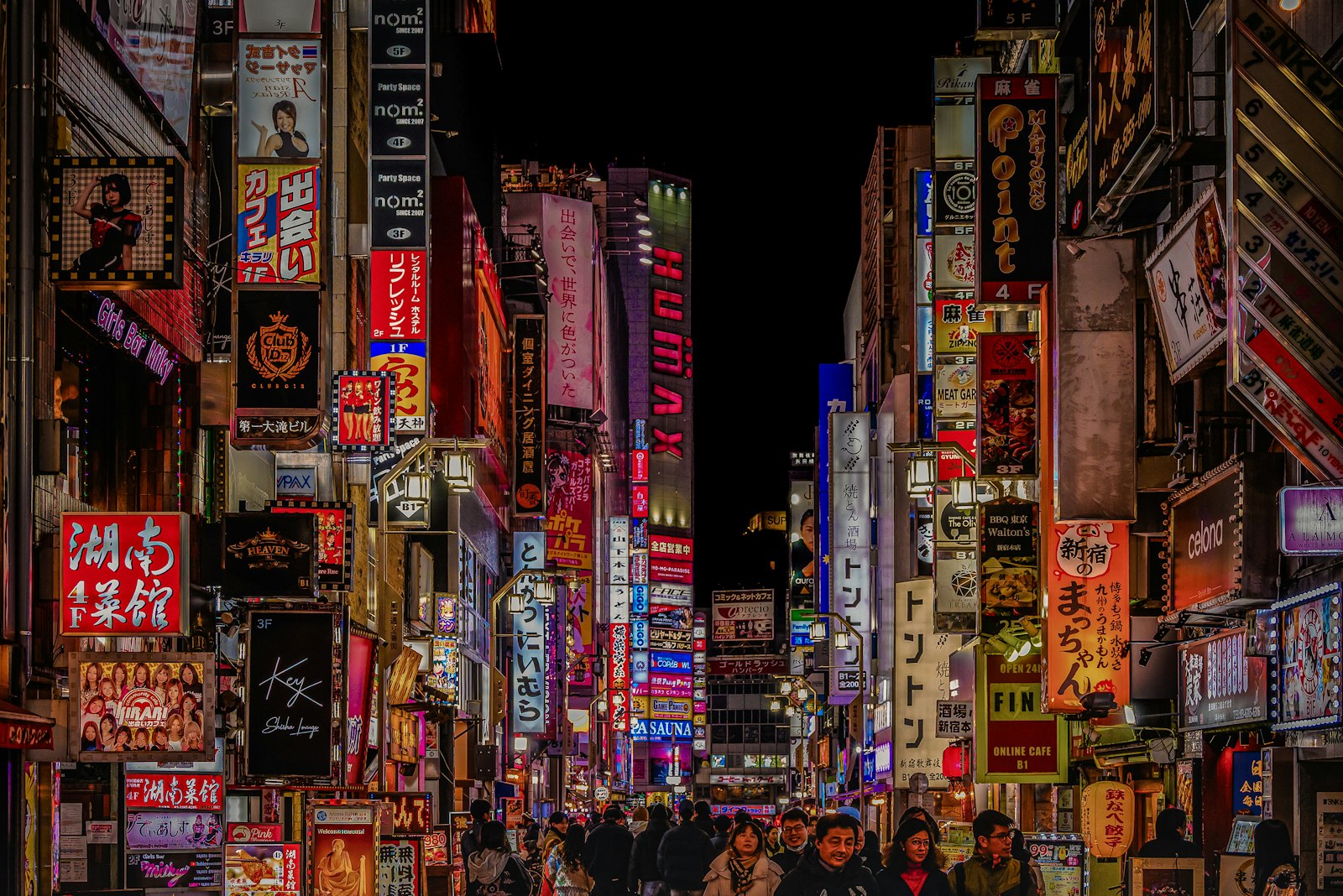
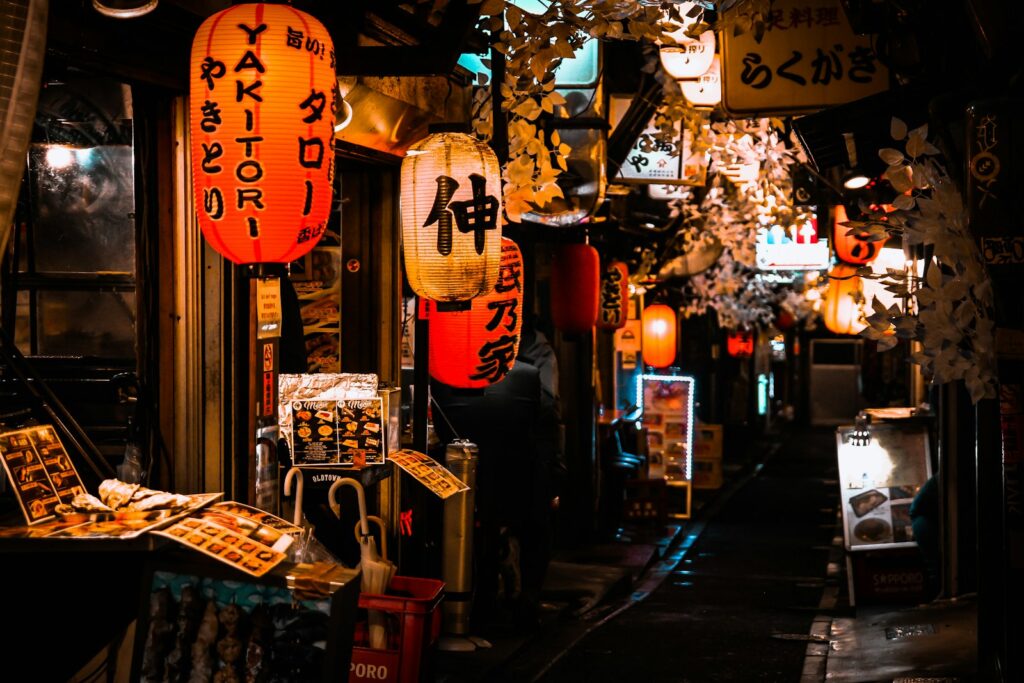
Shinjuku Station is served by five rail operators (JR East, Odakyu, Keio, Tokyo Metro and Toei), and Guinness World Records lists it as the world’s busiest railway station. For travelers that means you can get almost anywhere without a transfer: the JR Yamanote, Chuo and Saikyo lines, the Narita Express direct from Narita Airport, Odakyu Romancecar trains to Hakone, and highway buses to the Mt. Fuji Five Lakes area from the Busta Shinjuku bus terminal. The west side is a business district of tall hotels where the Tokyo Metropolitan Government Building has free observation decks on the 45th floor. The east side is where the energy is: department stores, the narrow lantern-lit bars of Omoide Yokocho, and Kabukicho, Tokyo’s biggest nightlife district.
Good for: first-timers, day trips, late dinners and anyone who wants maximum convenience. Downsides: the station is huge and confusing at first, and the streets around Kabukicho are loud late at night. Pick a hotel on the west side or near the south exits if you want a quieter stay.
Where to stay in Shinjuku
Hilton Tokyo is a large full-service hotel in the West Shinjuku skyscraper district, a short walk from the station and the free observation decks. Hotel Gracery Shinjuku is famous for the giant Godzilla head on its terrace and puts you right by Kabukicho’s restaurants. For a lower price, APA Hotel Shinjuku Kabukicho Tower offers compact, efficient rooms in a high-rise on the same side of the station.
Full-service hotel among the skyscrapers of West Shinjuku.
The Godzilla hotel, steps from restaurants and nightlife.
APA Hotel Shinjuku Kabukicho Tower
Compact, good-value rooms in a modern high-rise.
2. Shibuya: Best for Style, Shopping and Nightlife
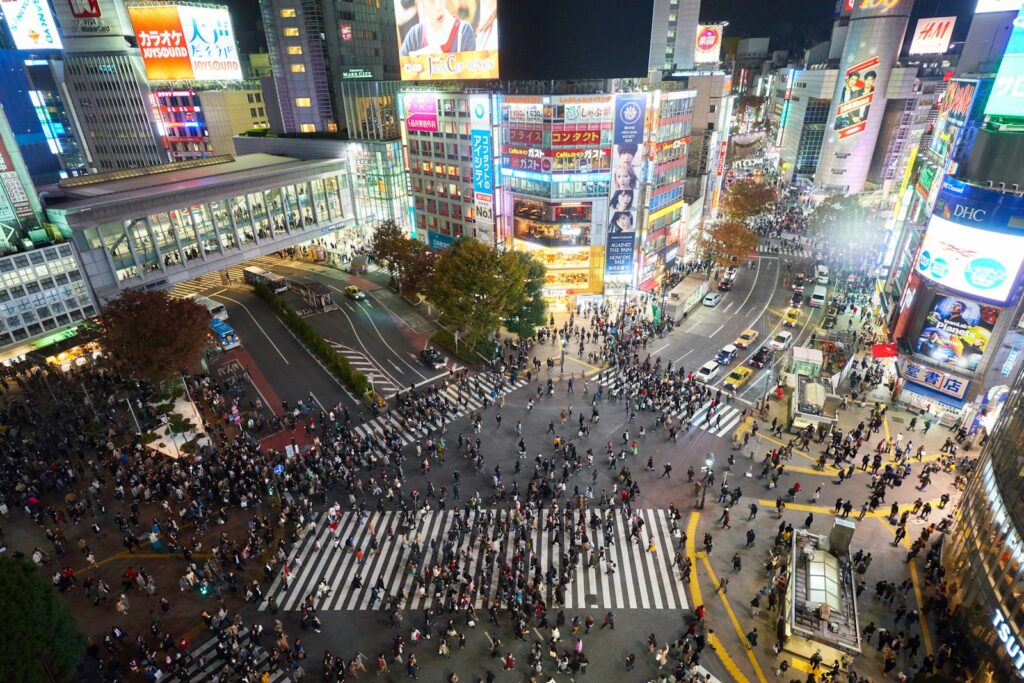
Shibuya is home to the famous Scramble Crossing, where crowds pour across the intersection from every direction each time the lights change, and to Shibuya Sky, a paid open-air observation deck on top of Shibuya Scramble Square. The neighborhood is younger and trendier than Shinjuku, with fashion stores, record shops, cafes and izakaya, and it has been transformed by new towers around the station. Harajuku is the next stop on the JR Yamanote Line, so Meiji Jingu Shrine, Takeshita Street and Omotesando are within easy reach, and the Narita Express also stops at Shibuya.
Good for: couples, younger travelers, shoppers and night owls. Downsides: hotels near the crossing are often pricier than in Shinjuku, and the station is under long-term redevelopment, so exits and walkways can change.
Where to stay in Shibuya
Cerulean Tower Tokyu Hotel is a luxury tower hotel near the south side of Shibuya Station with views over the city. Shibuya Excel Hotel Tokyu is in the Shibuya Mark City complex next to the station, so you are only minutes from the Scramble Crossing and the trains. On a budget, The Millennials Shibuya is a modern capsule-style hostel with private sleeping pods and shared lounges.
Tower hotel with city views near the station.
Next to the station, minutes from the Scramble Crossing.
Stylish capsule-style pods for solo travelers.
3. Akihabara: Best Value and Easiest for Tokyo Station
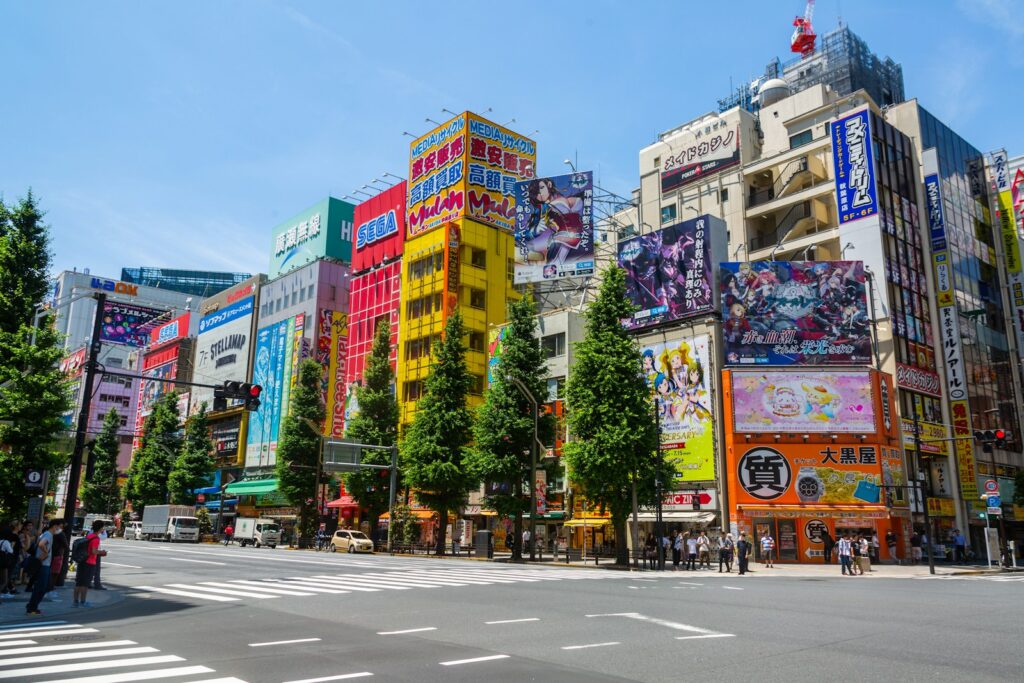
Akihabara, often called Akiba, is Tokyo’s electronics and anime district, packed with multi-story game centers, figure and manga shops, retro video game stores and electronics retailers along Chuo-dori. It is also one of the most practical places to stay on the east side of the city. Tokyo Station, the main Shinkansen hub, is two stops away on the JR Yamanote or Keihin-Tohoku line (about 3 minutes), Ueno is two stops in the other direction, and the yellow JR Sobu Line runs directly to Shinjuku in about 17 minutes. Asakusa and Senso-ji are a short subway ride away. Hotels here are generally cheaper than in Shinjuku or Shibuya, and the area becomes much quieter after the shops close in the evening.
Good for: anime and gaming fans, budget-conscious travelers, and anyone planning Shinkansen trips from Tokyo Station. Downsides: fewer upscale hotels and less nightlife than the west side, and it takes longer to reach Shibuya and Harajuku.
Where to stay in Akihabara
remm Akihabara is a stylish business hotel right next to Akihabara Station, a good choice if you want the shortest walk to the trains. Dormy Inn Akihabara belongs to a Japanese chain known for its large public baths, a nice way to relax after a long day of sightseeing. For the lowest price, APA Hotel Akihabara Ekimae has compact rooms close to the station and the electronics stores.
Modern rooms right next to the station.
Japanese chain hotel with a large public bath.
Compact, good-value rooms near the station.
4. Two Alternatives: Asakusa & Ueno, Tokyo Station & Ginza
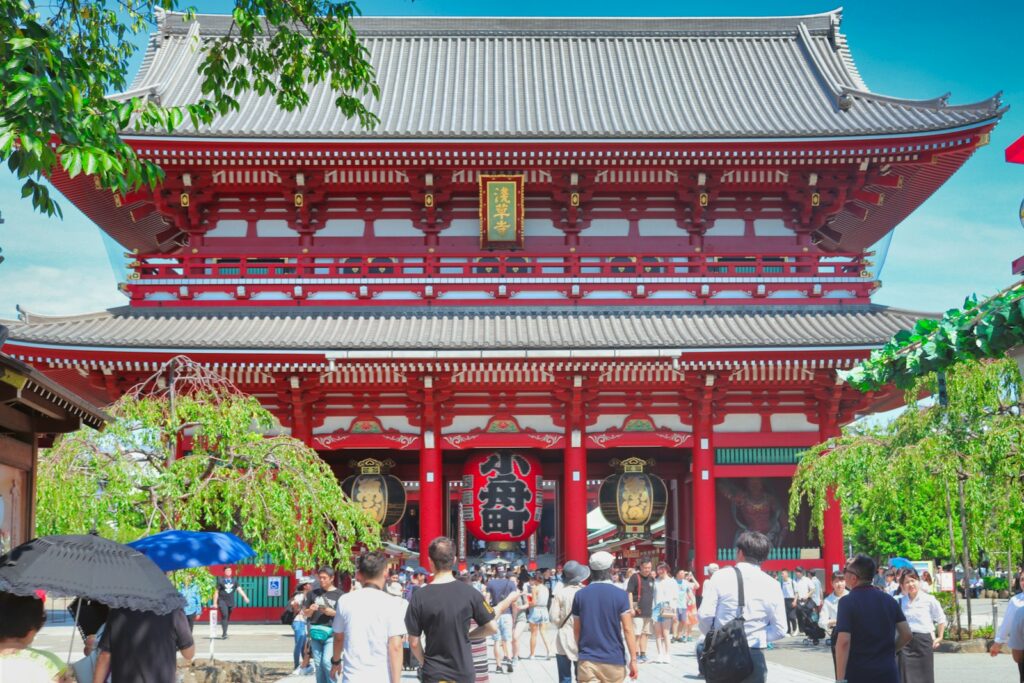
Asakusa and Ueno are the best areas for an old-Tokyo atmosphere. Asakusa is built around Senso-ji Temple and its shopping street, with plenty of ryokan-style and budget hotels, and some trains on the Toei Asakusa Line run through to both Narita and Haneda airports. Ueno has a large park full of museums and is the Tokyo terminal of the Keisei Skyliner, which reaches Narita Airport in as little as 41 minutes. The trade-off is a longer ride to Shinjuku and Shibuya.
Tokyo Station and Ginza suit travelers who plan several Shinkansen day trips or want upscale shopping and a calmer, polished atmosphere. The Narita Express reaches Tokyo Station in as little as 53 minutes. Hotels here are among the most expensive in the city, and the area is quiet at night compared with Shinjuku or Shibuya.
Shinjuku vs Shibuya vs Akihabara at a Glance
| Shinjuku | Shibuya | Akihabara | |
|---|---|---|---|
| Best for | First-timers, day trips | Style, shopping, nightlife | Value, anime, Shinkansen trips |
| Location | West side | Southwest side | East side, near Tokyo Station |
| Narita Express | Direct | Direct | Change at Tokyo (or Skyliner to Ueno) |
| Day trips | Hakone (Romancecar), Mt. Fuji (buses) | Via Shinjuku or Shinagawa | Shinkansen from Tokyo Station |
| Nightlife | Very lively | Very lively | Quiet after shops close |
| Hotel prices | Wide range | Higher | Generally lower |
Still undecided? Choose Shinjuku if this is your first trip and you plan day trips to Hakone or Mt. Fuji, Shibuya if you care most about cafes, shopping and evenings out, and Akihabara if you want the best value or will use the Shinkansen often. Because all three are on the Yamanote Line, you will not be far from anything in Tokyo whichever you pick.
 Compare Tokyo neighborhoods
Compare prices before you book
Hotels in Shinjuku, Shibuya & Akihabara on Booking.com
Tokyo hotels fill up early for cherry blossom season, Golden Week and the autumn leaves, so compare each area while there is still a good choice.
Shinjuku hotels →Shibuya hotels →Akihabara hotels →
Affiliate link — if you book through Booking.com, we may earn a commission at no extra cost to you.
Quick Tips for Choosing Your Tokyo Base
- Stay within a 5 to 10 minute walk of a station on the JR Yamanote Line. Short walks matter more than the exact neighborhood.
- Check which station exit is closest to your hotel. Shinjuku and Shibuya stations have dozens of exits, and the wrong one can add 15 minutes of walking.
- Japanese hotel rooms are small. If you are traveling with large suitcases, consider a room category one size up or send luggage ahead with a delivery service.
- Load a Suica or other IC card onto your phone or buy a physical card so you can tap through ticket gates on trains, subways and buses.
- If you are splitting your trip, a common plan is a few nights in Shinjuku or Shibuya, then a night near Tokyo Station or Ueno before an early Shinkansen or flight.
Getting there from the airport: From Narita Airport, the JR Narita Express runs directly to Tokyo Station, Shibuya and Shinjuku, while the Keisei Skyliner is the fastest way to Ueno, the closest major station to Akihabara. From Haneda Airport, trains and the monorail connect to the Yamanote Line in about half an hour or less, and airport limousine buses serve many large hotels. See our guide to getting from Narita and Haneda to central Tokyo, learn how to use a Suica card, and read our guide to riding trains in Japan. Once you have picked a base, plan your days with our first-timer’s guide to Shibuya, Shinjuku and Akihabara and Tokyo’s top historic and cultural landmarks.
Last checked: October 2026. Before you rely on this guide, check train times and hotel details on the official operator and hotel websites, as services and prices change.
Frequently Asked Questions
Is it better to stay in Shinjuku or Shibuya?
For most first-time visitors, Shinjuku is slightly more convenient because it has more train lines, direct trains to Hakone and highway buses to the Mt. Fuji area. Shibuya is a better fit if you prefer a trendier neighborhood with fashion, cafes and nightlife, and want to be one stop from Harajuku. Both have direct Narita Express trains from Narita Airport.
Is Akihabara a good area to stay in Tokyo?
Yes. Akihabara is a practical and often cheaper base, two stops (about 3 minutes) from Tokyo Station on the JR Yamanote or Keihin-Tohoku line and two stops from Ueno, with a direct JR Sobu Line train to Shinjuku in about 17 minutes. It is quieter at night than Shinjuku or Shibuya and is ideal for anime and electronics fans.
Is Akihabara in Shibuya?
No. Akihabara is in Chiyoda ward on the east side of central Tokyo, near Tokyo Station, while Shibuya is in the southwest of the city. The Tokyo Metro Ginza Line connects Shibuya with Suehirocho Station, a short walk from Akihabara, without a transfer.
Which Tokyo area is best for getting to the airport?
From Narita Airport, the Narita Express runs directly to Shinjuku, Shibuya and Tokyo Station, and the Keisei Skyliner reaches Keisei Ueno, close to Akihabara, in as little as 41 minutes. Some Toei Asakusa Line trains from Asakusa run through to both Narita and Haneda airports.