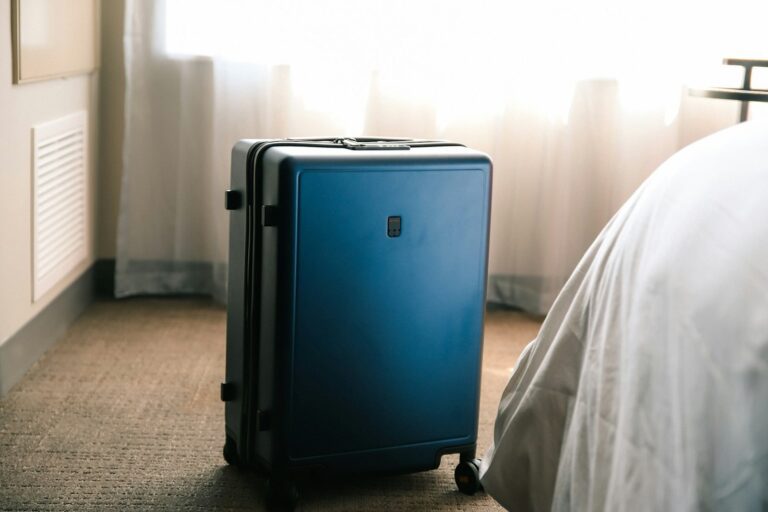
Disclosure: The First Pick takes part in affiliate programs. If you buy through a link on this page, we may earn a commission at no extra cost to you. Prices, promotions and availability change, so always confirm details on the seller’s page. See our Affiliate Disclosure.
Pack light, pack for walking, and bring a few small items Japan does not always supply: a hand towel, a coin pouch, slip-on shoes and a foldable tote. Most other things, from toiletries to umbrellas, are cheap and easy to buy after you land. This Japan packing list covers what to bring, what to skip and where budget marketplaces such as Temu can help you fill small gaps before you fly.
Start with how Japan travel actually works
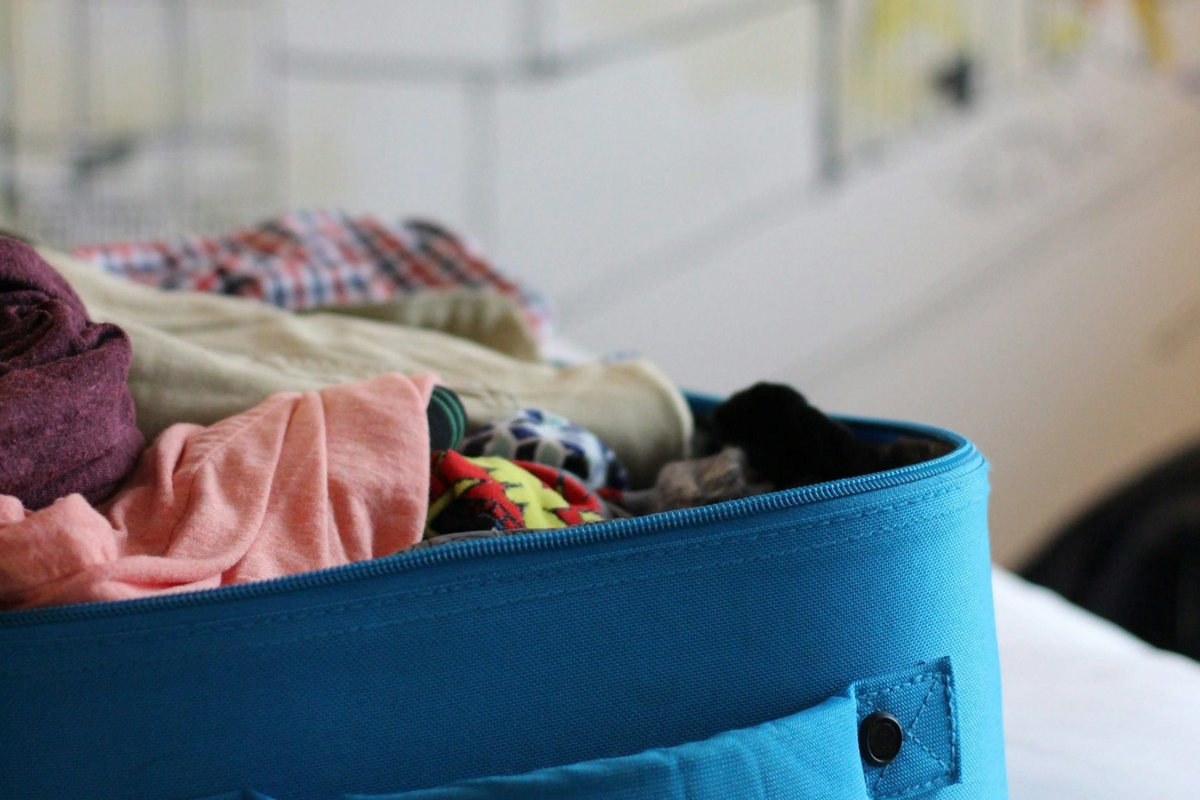
Most first trips involve a lot of walking, station stairs and quick train changes. Hotel rooms, especially in Tokyo and Osaka, are often compact, and luggage space on trains is limited. That is why the best Japan packing list is shorter than you think. Plan for about a week of clothes and do laundry mid-trip: coin laundries and hotel laundry services are common.
Clothing: layers, comfortable shoes, easy-on footwear
- Comfortable walking shoes. Expect 15,000 or more steps on many sightseeing days. Break shoes in before the trip.
- Slip-on shoes or easy lace-ups. You will remove shoes at some temples, ryokan (traditional inns), restaurants with tatami seating and homes.
- Socks without holes. It sounds minor, but shoe-free spaces make this noticeable. Bring a few pairs you are comfortable being seen in.
- Layers. Spring and autumn swing from warm afternoons to cool evenings. Winter in the north is very cold: see our notes on Hokkaido in winter if you are heading to Hokkaido.
- Light rain jacket or compact umbrella. Rain is common, and umbrellas are also sold in convenience stores if you forget one.
- Modest, casual outfits for temples and shrines. Most sites have no strict dress code, but covered shoulders and knees are a safe choice at religious sites.
Small items that make the trip easier
- A hand towel or handkerchief. Many public restrooms do not provide paper towels or hand dryers, and locals commonly carry their own.
- A coin pouch. Cash is still widely used, and Japanese coins (including the 500-yen coin) add up quickly.
- A foldable tote or shopping bag. Many stores charge a small fee for bags, and a reusable one is handy for souvenirs and snacks.
- A small trash bag. Public trash cans are surprisingly rare. Visitors are generally expected to carry their trash until they find a bin.
- A power adapter and a portable charger. See our guide to Japan plugs and voltage before you buy.
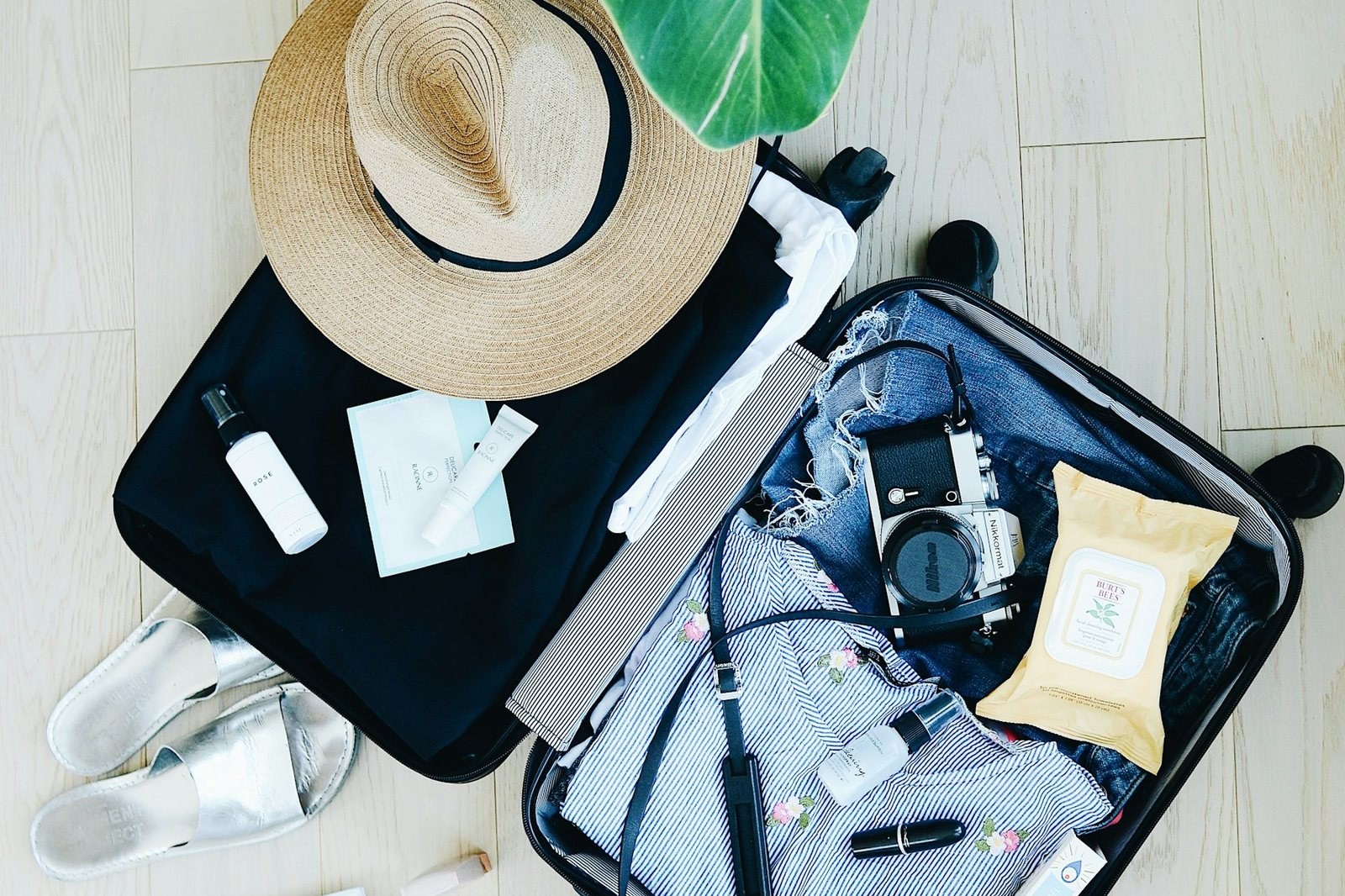
- Packing cubes. They keep compact hotel rooms tidy and make repacking faster when you move between cities.
Documents, money and connectivity
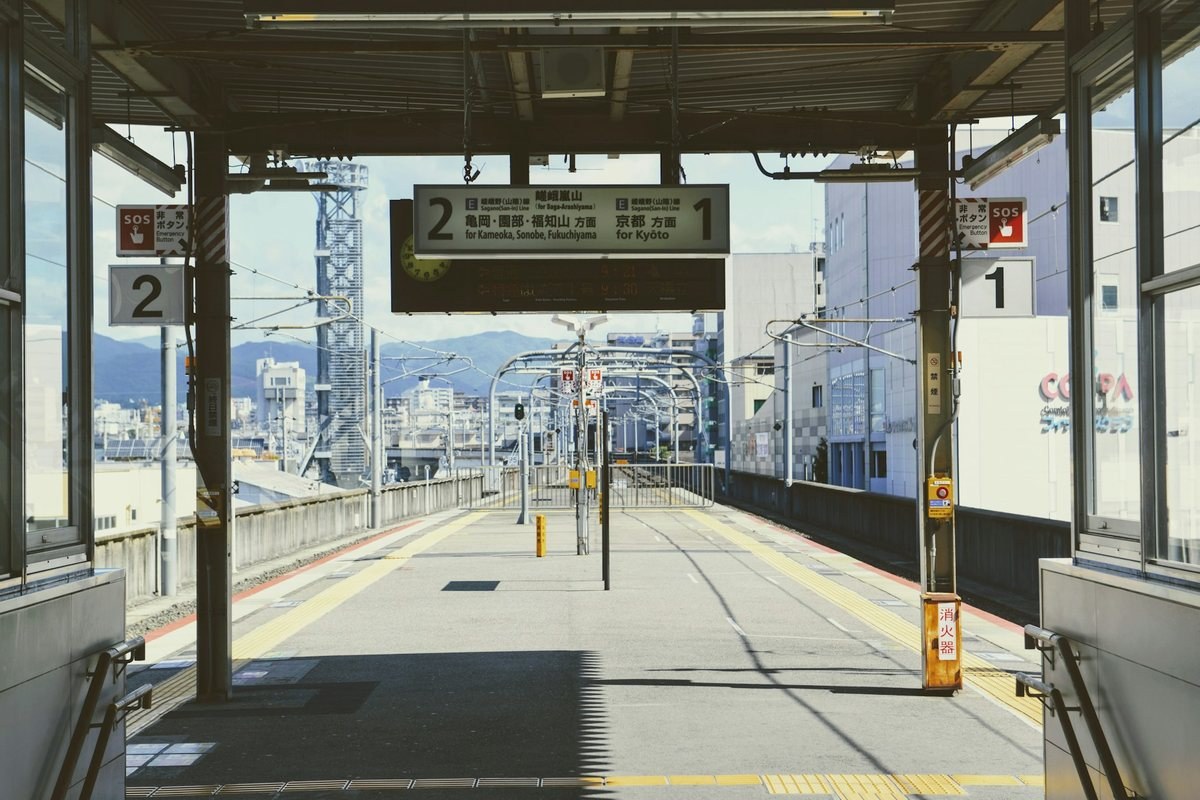
- Passport, and check that it is valid for the length of your stay, plus any entry requirements for your nationality.
- A credit card with no foreign transaction fee, plus some yen in cash for small shops, shrines and rural areas.
- An eSIM or pocket Wi-Fi plan for maps and translation. Set it up before you depart if possible: see how to choose an eSIM for Japan and eSIM vs pocket Wi-Fi.
- A transit card. Many visitors add a Suica or similar IC card to a phone wallet or pick up a physical card on arrival, depending on current availability.
- Travel insurance details and a photo of your passport stored offline.
Add travel insurance to your Japan checklist
Japan does not require travel insurance, but tourists pay hospitals in full and many US health plans cover little abroad. Getting a quote takes a few minutes and is free.
Affiliate link: we may earn a fee if you get a quote from World Nomads, at no cost to you. We are not an insurance agent and this is not insurance advice; coverage varies by policy, so read the policy wording.Medication: check the rules before you fly
Japan has strict rules on some medicines that are common elsewhere, including certain decongestants and stimulant medications. Check the current guidance from Japan’s Ministry of Health, Labour and Welfare or the nearest embassy before you travel, carry medicines in their original packaging and bring a doctor’s letter if needed. When in doubt, ask your doctor or the official sources.
What to skip
- Too many outfits. Wear things twice and use laundry.
- Bulky toiletries. Pharmacies and drugstores are everywhere and well stocked.
- Hair dryers and heated tools. Most hotels provide hair dryers, and some US appliances do not perform well on Japan’s 100V power.
- Large umbrellas and big hard-shell luggage. Both become a hassle on crowded trains and narrow sidewalks.
- Souvenirs you will buy anyway. Leave space in your bag for what you bring home.
Where to shop for small extras before you go
Many of the small items above, such as packing cubes, coin pouches, foldable totes, luggage tags and travel organizers, are inexpensive and available on online marketplaces. Temu is one option travelers consider because it carries a very wide range of low-cost travel accessories and often runs promotions. Because prices, shipping times and product quality vary by seller, we suggest ordering at least two to three weeks before your departure and checking the following before you buy:
- Recent reviews with photos, especially for zippers, seams and materials.
- Exact dimensions in inches or centimeters, so the item fits your bag and airline rules.
- The delivery estimate and return window shown at checkout.
- Electrical items should show clear voltage and safety information. We cover this in our guides to adapters and chargers.
Quick checklist
| Category | Bring | Buy in Japan if needed |
|---|---|---|
| Clothing | Layers, walking shoes, slip-ons | Umbrella, extra socks |
| Small items | Hand towel, coin pouch, foldable tote, packing cubes | Trash bags, wet wipes |
| Tech | Phone, adapter, portable charger, eSIM | Cables, SD cards |
| Documents | Passport, cards, insurance | IC transit card |
| Health | Prescriptions in original packaging, basics | Most over-the-counter items |
Once your bag is sorted, browse our Japan travel guides to plan your route, starting with Modern Tokyo: Shibuya, Shinjuku & Akihabara or Kyoto’s iconic temples and shrines.
Temu Shortlist: Listings to Browse
These are example listings and category pages on Temu that match the items above. We have not tested them, and prices, ratings, sizes and availability change often, so read the current listing, recent reviews and the return policy before you buy.
| Listing type | What to check | Link |
|---|---|---|
| Luggage tags (browse) | Strap durability and privacy flap | View on Temu |
| Travel neck pillows and eye masks | Fill material, washable cover, strap or clip | View on Temu |
| Toiletry and cosmetic bags | Waterproof lining, hanging hook, zipper quality | View on Temu |
| Portable luggage scales | Weight limit, display readability, battery type | View on Temu |
| Universal travel adapters | Plug types covered (Type A works in Japan), USB ports | View on Temu |
| Compact travel umbrellas | Weight, wind resistance, cover included | View on Temu |
Tip: sort by recent reviews, open the customer photos, and compare at least two or three listings before you order.
Frequently Asked Questions
How many days of clothes should I pack for Japan?
Plan for about five to seven days of clothes even on a longer trip. Laundromats and hotel laundry services are easy to find, so you can rewear and wash mid-trip.
Do I need cash in Japan?
Yes, carry some. Cards are accepted in most hotels, chains and department stores, but small restaurants, shrines, markets and rural areas often prefer cash.
Do I need a power adapter for Japan?
Travelers from the US can usually plug in two-prong devices directly because Japan uses the same Type A shape. Three-prong plugs need an adapter, and voltage differs, so check your device labels.
Can I buy travel accessories on Temu before my trip?
Yes, many travelers do. Order early, read recent reviews, check dimensions and confirm the return window, because quality and delivery times vary by seller.