Last checked: September 2026 · Covers 7-Eleven, FamilyMart, Lawson and regional chains
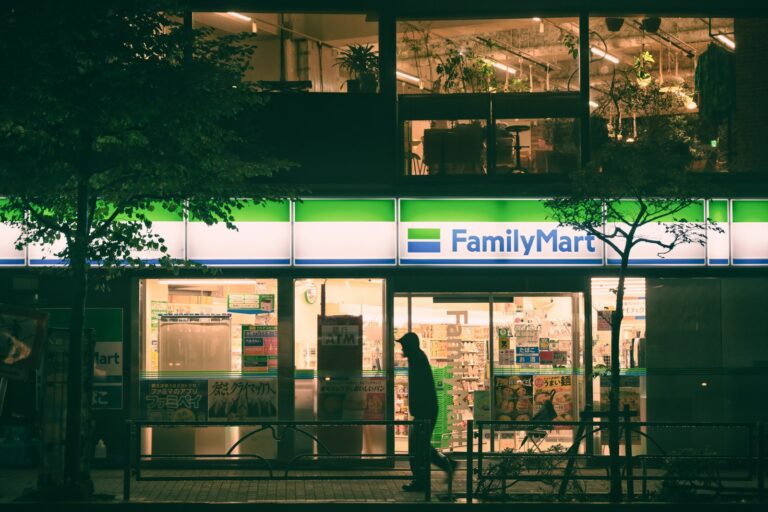
A Japanese convenience store (konbini, コンビニ) is far more than a place to grab a snack. It is an ATM, a post office counter, a print shop, a ticket office, a cafe and, at 2 a.m. in an unfamiliar city, the most reliable help you will find. There are more than 50,000 of them across Japan, and many are open 24 hours. This guide explains what you can do at a Japanese convenience store, how the big three chains differ, and how to handle the moments that confuse first-time visitors.
- Need yen? 7-Eleven’s Seven Bank ATMs are the easiest for foreign cards. Many FamilyMart and Lawson ATMs accept Visa and Mastercard too.
- Paying: cash, Visa/Mastercard/Amex/JCB, contactless and Suica/PASMO are widely accepted at the big three, though options vary by store.
- Self-checkout: tap “none” when asked for a point card, then pick your payment. Full step-by-step guide.
- Free Wi-Fi: 7-Eleven and FamilyMart ended theirs in 2022. Get an eSIM or pocket Wi-Fi before you fly.
- Tax-free: from November 1, 2026, you pay the tax-inclusive price, and the shop refunds the tax after customs confirms at departure that the goods are leaving Japan.
Find the nearest convenience store
The map shows an example area. Tap a button below to open Google Maps in English with the stores closest to you right now (allow location access for the best results).
What you can do at a Japanese convenience store
Services vary by store, and big-city branches offer the most. Here is what travelers use most, at a glance.
Withdraw yen 24/7
Most konbini have an ATM, though the operator varies by chain and store. Seven Bank ATMs at 7-Eleven accept Visa, Mastercard, Amex, JCB, Discover, UnionPay and Diners, with English menus.
Exchange foreign cash
Some 7-Eleven and FamilyMart stores in tourist areas have currency exchange machines that turn dollars and other bills into yen.
Top up Suica or PASMO
At many stores you can charge your transit IC card with cash at the register or at a Seven Bank ATM. Then use it to pay for your shopping too.
Eat well, any hour
Onigiri, sandwiches, bento, hot fried chicken, fresh coffee and desserts. Staff will heat your meal in the microwave.
Print and copy
Multi-copy machines print documents, photos and PDFs from your phone via an app or USB, and copy or scan.
Buy event tickets
In-store terminals (Loppi at Lawson, Famiport or multi-copy machines) sell tickets for concerts, museums, theme parks and buses. Mostly in Japanese.
Send a suitcase or parcel
Many stores accept domestic parcels: Yamato (Kuroneko) at 7-Eleven and FamilyMart, Japan Post Yu-Pack at Lawson.
Post a postcard
Many stores sell stamps and some have a mailbox, handy for postcards home.
Fix travel emergencies
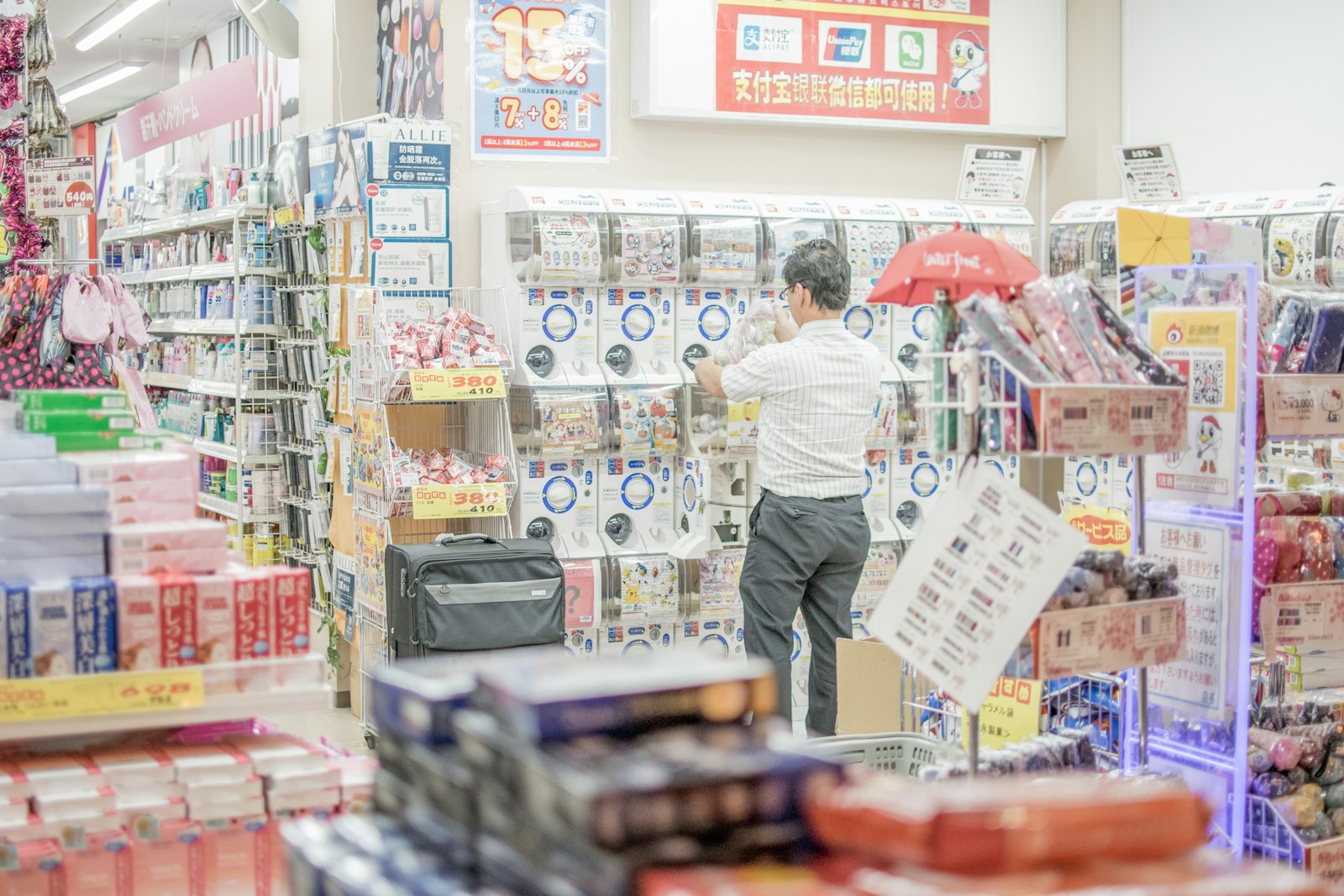
Phone chargers and cables, umbrellas, socks, underwear, toiletries, masks and bandages are all on the shelves.
Restroom and trash
Many stores let customers use the restroom (just ask). Trash bins, when available, are for items you bought there.
7-Eleven vs FamilyMart vs Lawson: which one do you need?
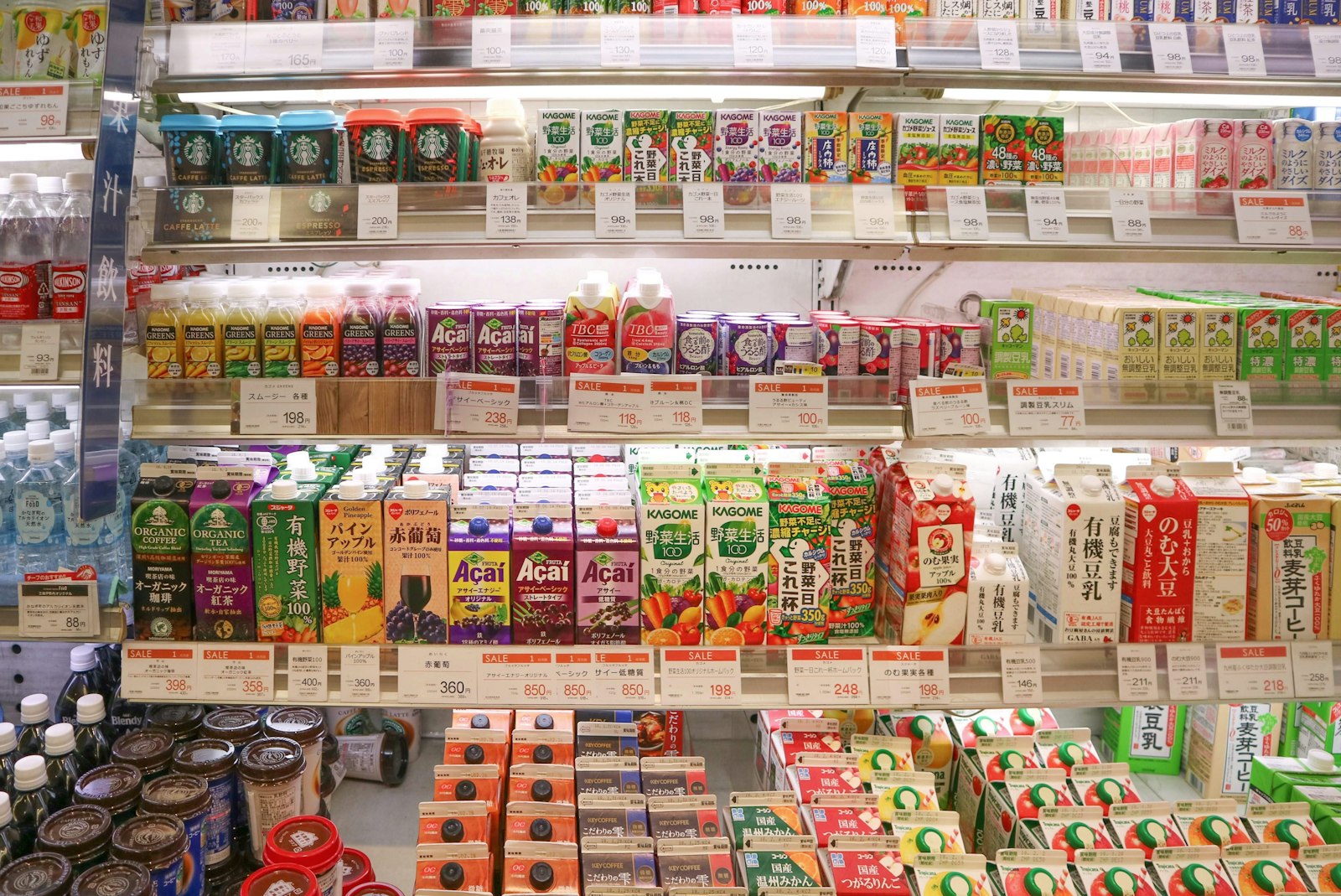
The three big chains are everywhere, and for snacks it simply comes down to taste. For services, the differences matter. Tap a chain for our in-depth guide.
| 7-Eleven | FamilyMart | Lawson | |
|---|---|---|---|
| Stores in Japan (approx., 2026) | 21,000+ | 16,000+ | 14,000+ |
| ATM | Seven Bank (most foreigner-friendly) | E-net, Japan Post Bank, or the new FamilyMart ATM (rolling out since June 2026), depending on the store | Lawson Bank |
| Currency exchange machine | Select stores | Select stores (14 currencies) | Not a standard service |
| Checkout style | Mostly semi-self (staff scan, you pay) | Staffed, plus self-checkout at many stores | Staffed, plus self-checkout at many stores |
| Free Wi-Fi | Ended March 2022 | Ended August 2022 | LAWSON Free Wi-Fi (registration required) |
| Parcel shipping | Yamato | Yamato | Japan Post (Yu-Pack) |
| Ticket terminal | Multi-copy machine | Multi-copy machine | Loppi |
| Must-try | Egg sandwich, Seven Café coffee | Famichiki fried chicken | Karaage-kun, Uchi Café sweets |
Getting cash: konbini ATM tips
Japan still runs on cash more than most Americans expect, especially at small restaurants, shrines and rural buses. Konbini ATMs are the easiest way to get yen with a US debit or credit card.
- Look for the right ATM7-Eleven’s Seven Bank ATMs are the safest bet. Many FamilyMart and Lawson ATMs also take international cards; check the card logos on the machine.
- Choose EnglishSelect the language on the first screen, then “Withdrawal”.
- Enter your PIN and amountSeven Bank allows up to ¥100,000 per withdrawal with a chip card (magnetic-stripe cards are capped lower).
- Choose to be charged in yenIf the ATM offers to bill you in US dollars, decline and choose yen. Your own bank’s rate is usually better than the conversion offered at the machine.
Paying at the register
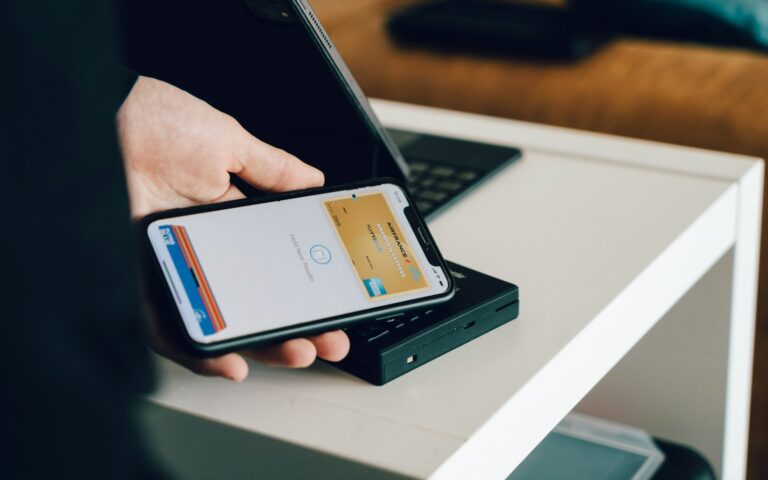
The big three chains generally accept cash, major credit and debit cards (Visa, Mastercard, American Express, JCB and more), tap-to-pay, and transit IC cards like Suica, PASMO and ICOCA, although accepted methods can vary by store and register. Many also accept QR payments such as PayPay and Alipay+. Hand cash or cards to the small tray on the counter rather than directly to the clerk.
If the register is a self-checkout, the screen asks a few questions in Japanese. Our self-checkout guide translates every button so you never get stuck.
What to eat (and how to eat it)
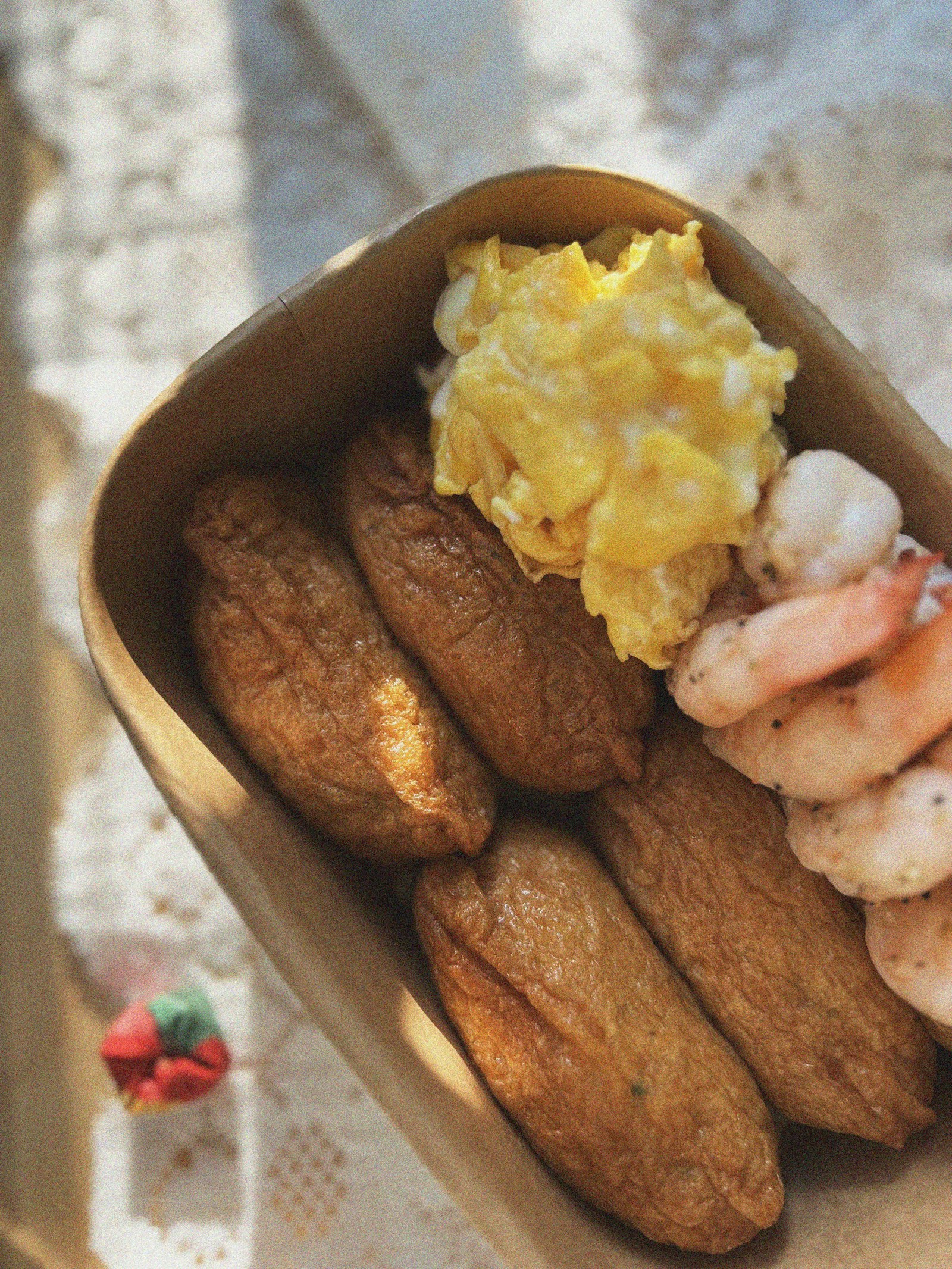
- Onigiri (rice balls): pull tab 1, then corners 2 and 3 to unwrap without tearing the seaweed. Tuna mayo and salmon are safe first picks.
- Sandwiches: the egg salad sandwich (tamago sando) is a cult favorite at every chain.
- Hot snacks: fried chicken, croquettes and, in winter, oden are sold by the register at most stores. Point and order.
- Coffee: buy a cup at the register, then pour it yourself at the machine.
- Desserts: seasonal cream puffs, puddings and roll cakes are surprisingly good.
Tax-free shopping at konbini (new rules from November 2026)
Some convenience stores in tourist areas are registered tax-free shops. From November 1, 2026, Japan uses a refund method for tax-free shopping. Eligible travelers first pay the tax-inclusive price. When leaving Japan (within 90 days of purchase), customs confirms at the airport or seaport that the goods are being taken out of Japan, and the tax-free shop (or its refund agent) then refunds the equivalent consumption tax. Purchases of ¥5,000 or more before tax per store per day can qualify, subject to the rules. The previous special packaging requirement for consumables such as food, drinks and cosmetics is abolished, but the goods must still be taken out of Japan to receive the refund, so anything you eat or use during your trip will not qualify.
Konbini etiquette: 6 unwritten rules
Ask before using the restroom
Say “Toire o karite mo ii desu ka?” Some stores close restrooms at night. Buying something small is a polite thank-you.
Sort your trash
Bins are split into burnables, plastic bottles and cans. Do not dump household or hotel trash.
Don’t linger in the doorway
Stores are small. Step aside to check your phone or unpack food.
Use the cash tray
Place money on the tray. Your change is usually handed back with the receipt.
Keep the volume down
Phone calls and loud groups stand out in Japan. Take calls outside.
Say thank you
A quick “arigatou” goes a long way. Staff are often students juggling a lot of tasks.
Regional chains worth knowing
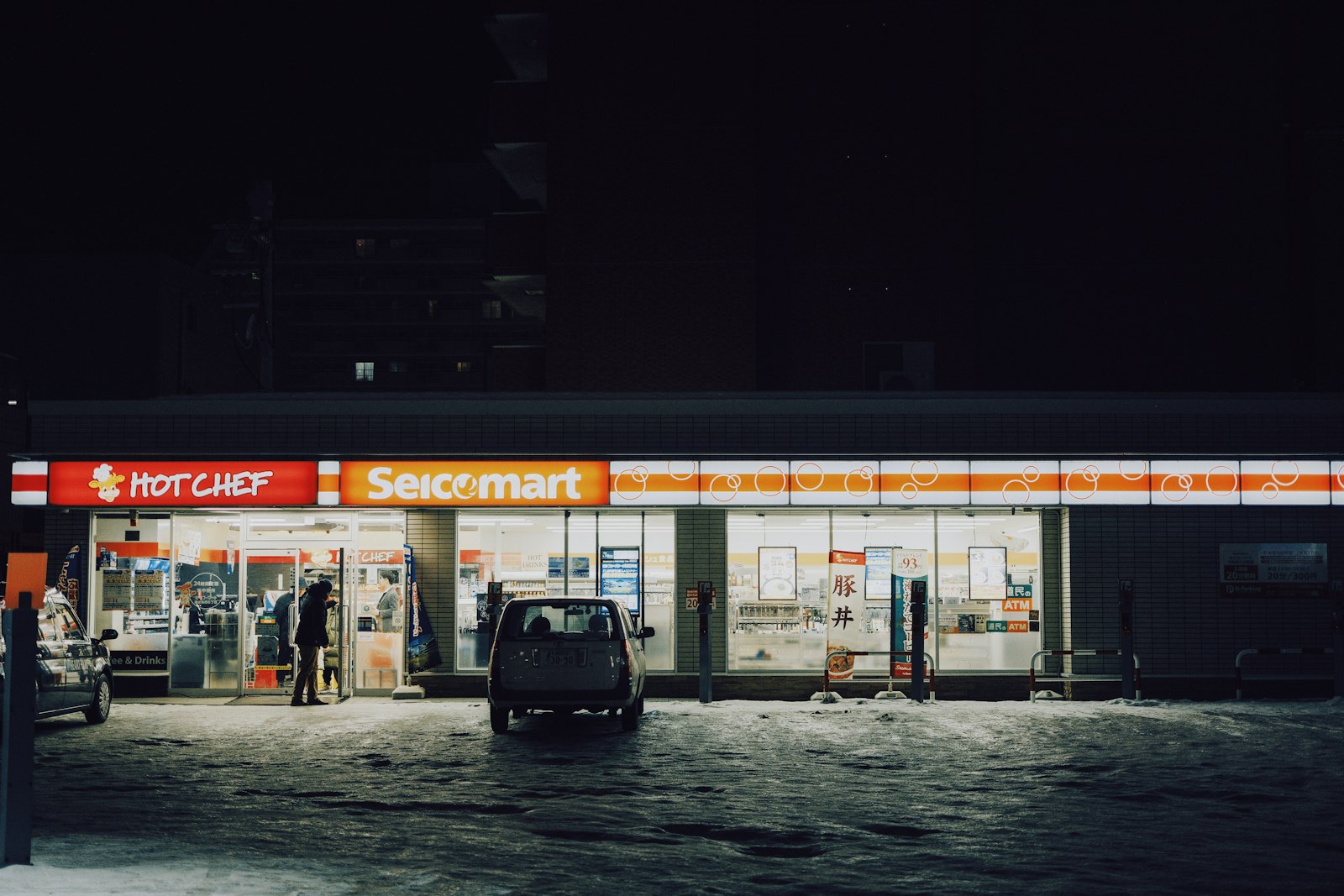
- Seicomart: Hokkaido’s home-grown chain, famous for cheap, freshly cooked “Hot Chef” meals. Visiting the north? See our Hokkaido travel guides.
- NewDays: JR East’s chain inside and near train stations in Tokyo and eastern Japan. Great for a quick bite before a Shinkansen.
- Ministop: known for soft-serve ice cream and parfaits.
- Daily Yamazaki: run by a big bakery company, so the bread is the draw.
In trouble? What a konbini can fix
| Problem | Konbini solution |
|---|---|
| Out of cash | Withdraw yen at the in-store ATM (Seven Bank is easiest) |
| Phone battery dying | Buy a cable or portable battery; some stores rent power banks |
| Sudden rain | Clear umbrellas by the door, usually under ¥1,000 |
| Need to print a ticket or document | Use the multi-copy machine with the chain’s print app |
| Suitcase too heavy | Ship it to your next hotel from the counter (allow a day or more) |
| Transit card empty | Top up Suica/PASMO with cash at the register or a Seven Bank ATM |
| Hungry at 3 a.m. | Many stores are open 24 hours, with ready-to-eat food |
Phrases that help
FAQ
Are Japanese convenience stores open 24 hours?
Many 7-Eleven, FamilyMart and Lawson stores are open 24 hours, but opening hours vary by store. Stores inside stations, offices, hospitals or in rural areas may have shorter hours.
Which convenience store ATM accepts foreign cards in Japan?
Seven Bank ATMs at 7-Eleven are the most reliable: they accept Visa, Mastercard, American Express, JCB, Discover, UnionPay and Diners Club with English menus. Many ATMs at FamilyMart and Lawson also accept Visa and Mastercard.
Can I use a US credit card at Japanese convenience stores?
In most cases, yes. Visa, Mastercard, American Express and JCB are widely accepted at the big three chains, and many registers accept contactless payments, including Apple Pay or Google Pay with a card that supports them. Options vary by store.
Do Japanese convenience stores have free Wi-Fi?
7-Eleven ended its free Wi-Fi in March 2022 and FamilyMart in August 2022. Lawson still offers LAWSON Free Wi-Fi with a one-time registration. It is best to have an eSIM or pocket Wi-Fi.
Can I use the restroom at a Japanese convenience store?
Many stores let customers use their restroom. Ask a staff member first, as some stores close restrooms at night or for security reasons.
Can I ship luggage from a convenience store in Japan?
Many stores accept domestic parcels, including suitcases: Yamato Transport at 7-Eleven and FamilyMart, and Japan Post Yu-Pack at Lawson. Bring your destination address in Japanese and allow at least a day for delivery.