Tokyo is often pictured as a city of neon and skyscrapers, but beneath the modern skyline lies centuries of history. From ancient temples that survived wartime bombing to a working Imperial Palace still home to Japan’s royal family, Tokyo’s historic landmarks offer a quieter, deeply rewarding side of the city. This guide covers three must-see cultural sites, along with practical tips and hotel picks to help you plan a smooth first visit.
1. Senso-ji Temple, Asakusa
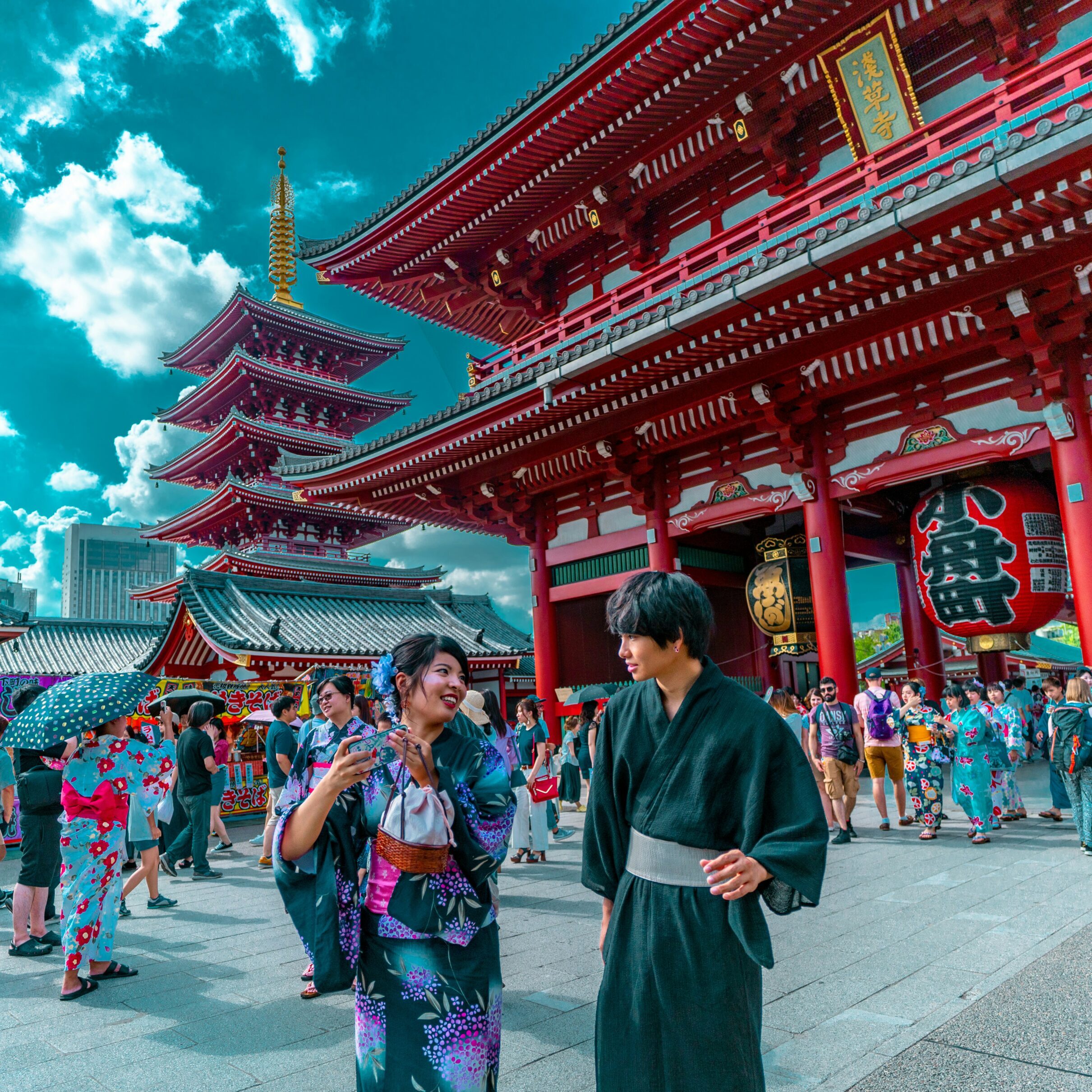
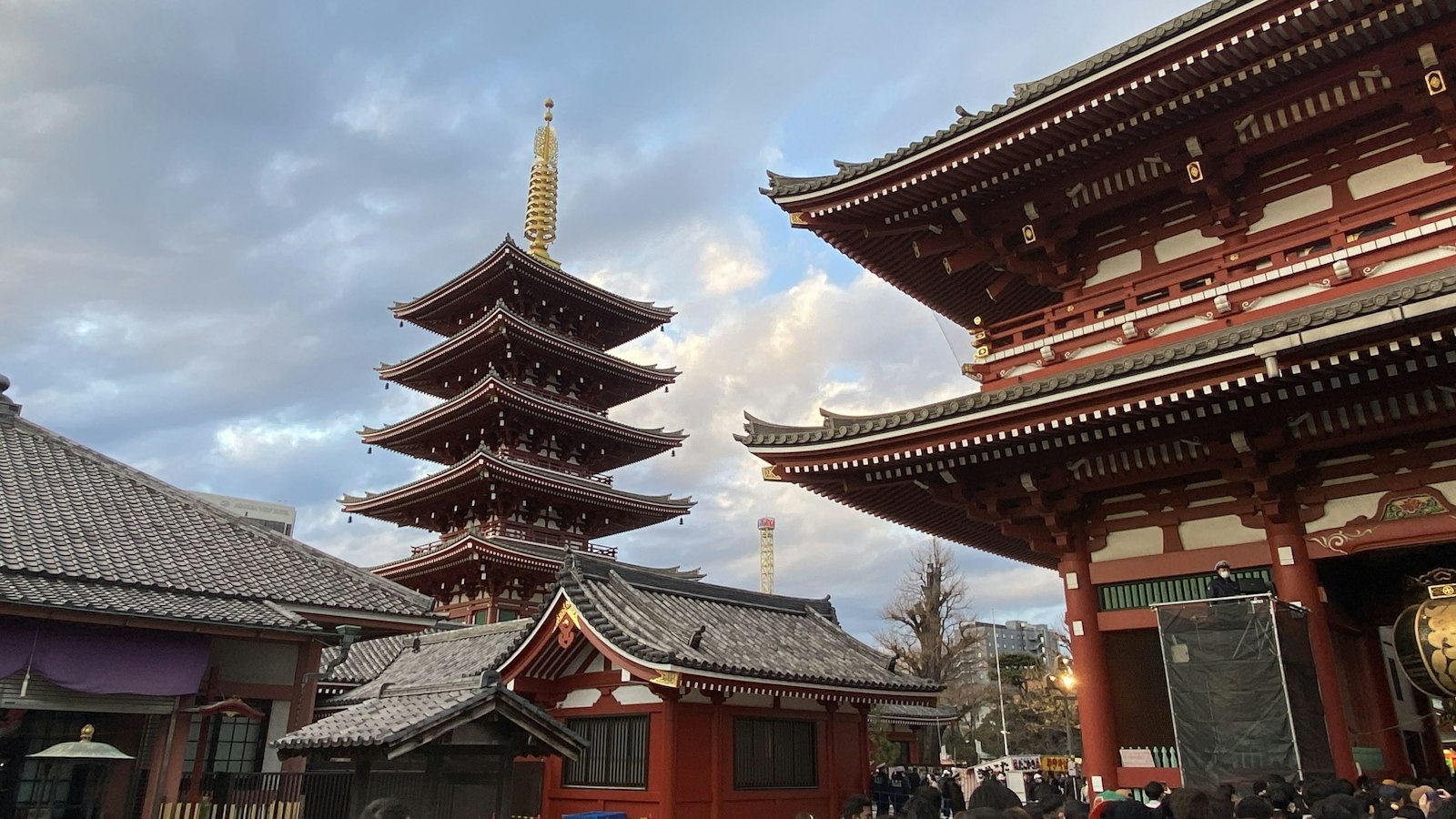
Founded in 645 AD, Senso-ji is Tokyo’s oldest temple and its most-visited spiritual site. Approach through the famous Kaminarimon (“Thunder Gate”), recognizable by its enormous red paper lantern, then walk down Nakamise-dori — a pedestrian street lined with stalls selling traditional snacks, souvenirs, and crafts. At the end of the street, the main temple hall houses a statue of Kannon, the goddess of mercy, and is framed by a striking five-story pagoda. Arrive early in the morning to experience the temple grounds before the crowds and tour groups arrive, and set aside time to explore the quieter side streets of Asakusa, where old-fashioned rickshaw drivers and traditional ryokan inns still operate.
2. Meiji Shrine, Shibuya
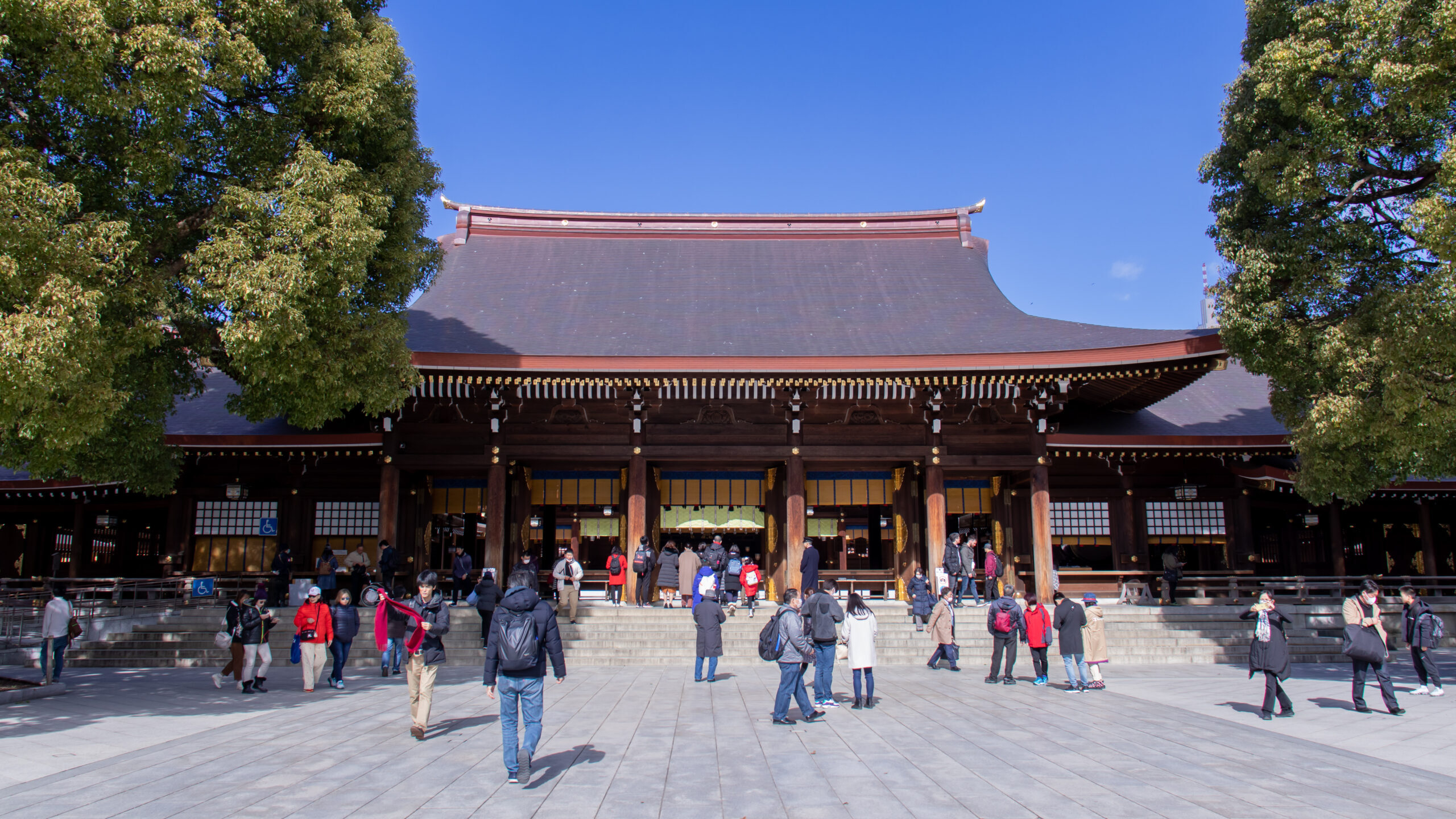
Just minutes from the crowds of Shibuya and Harajuku, Meiji Shrine feels like an entirely different world. Dedicated to Emperor Meiji and Empress Shoken, the shrine sits inside a 170-acre forest of more than 100,000 trees donated from across Japan when the shrine was built in 1920. The walk to the main shrine building passes beneath towering torii gates and rows of sake barrels wrapped in straw — traditional offerings still given to shrines today. On weekends, visitors may catch a glimpse of a traditional Shinto wedding procession crossing the grounds. The shrine is free to enter and makes an easy, calming pairing with a day of shopping in nearby Harajuku or Omotesando.
3. The Imperial Palace & East Gardens
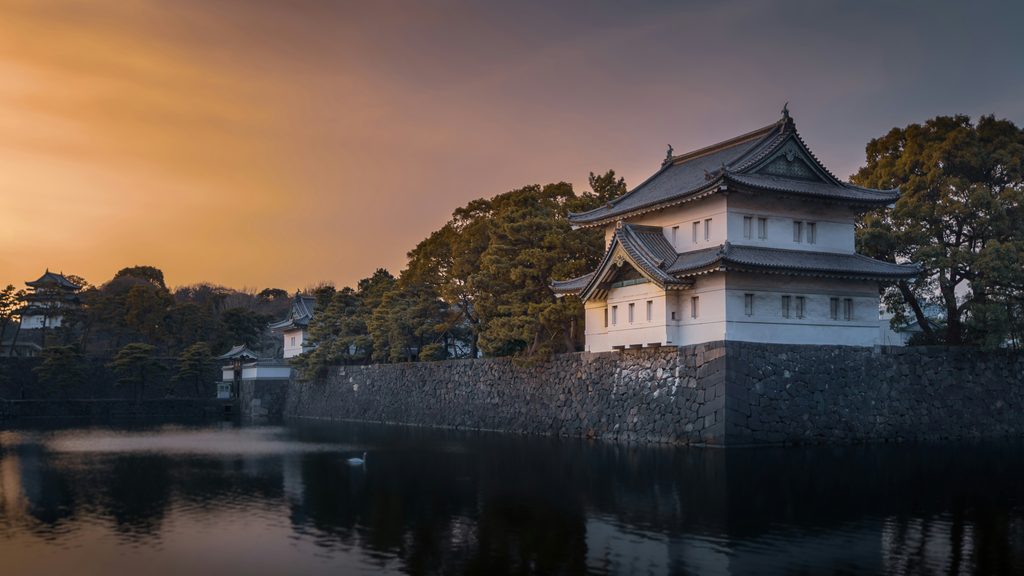
Home to Japan’s Imperial Family, the Tokyo Imperial Palace sits on the site of the former Edo Castle in the heart of the city. While the main palace buildings are only open to the public on select days each year, the East Gardens (Higashi Gyoen) are free and open most days, offering manicured lawns, seasonal flower gardens, and the stone foundations of the original castle keep. The palace is surrounded by a moat and stone walls that make for a scenic walking or jogging loop — a popular route with both tourists and Tokyo locals. Plan for an hour or two to wander the gardens at an unhurried pace, especially in spring cherry blossom season or during autumn foliage.
Where to Stay Near Tokyo’s Historic Sites
 Where to stay: Asakusa & Central Tokyo
Hotel links in this section go to Orbitz. If you book through them, we may earn a commission at no extra cost to you.
Tokyo’s size means location matters. Staying near Asakusa or central Tokyo cuts down on travel time between these historic landmarks and the rest of the city.
Luxury
HOSHINOYA Tokyo, a modern luxury ryokan in Otemachi, and The Peninsula Tokyo offer five-star service with easy access to the Imperial Palace area, combining polished rooms with proximity to central sightseeing.
A modern ryokan tower in central Tokyo, with Japanese-style rooms and a rooftop hot-spring bath.
Five-star rooms overlooking Hibiya Park and the Imperial Palace gardens.
Mid-Range
Chain hotels such as Mitsui Garden Hotel Ueno Tokyo or Richmond Hotel Premier Asakusa International offer comfortable, well-located rooms near Asakusa and Ueno at a more moderate price point, popular with international travelers.
Mitsui Garden Hotel Ueno Tokyo
Next to Ueno Station — handy for Ueno Park and the Keisei Skyliner to Narita.
Richmond Hotel Premier Asakusa International
Upper-floor rooms facing Tokyo Skytree, a short walk from Senso-ji.
Budget-Friendly
Business hotels like APA Hotel Asakusa Tawaramachi Ekimae and Toyoko Inn Asakusa Kuramae No.2 offer compact but clean rooms around Asakusa — a practical option for travelers prioritizing sightseeing over hotel amenities.
APA Hotel Asakusa Tawaramachi Ekimae
Right by Tawaramachi Station, one subway stop from Asakusa.
Toyoko Inn Asakusa Kuramae No.2
Simple rooms with free breakfast in quiet Kuramae, just south of Asakusa.
Compare prices before you book
Hotels in Asakusa on Orbitz
Asakusa puts you a short walk from Senso-ji and one subway ride from central Tokyo. Compare rates and reviews side by side.
Affiliate link — if you book through Orbitz, we may earn a commission at no extra cost to you.
Quick Tips for Visiting
- Most temple and shrine grounds are free to enter; only special buildings or treasure houses may charge a small fee.
- Dress modestly and be respectful of ongoing religious ceremonies at both Senso-ji and Meiji Shrine.
- Combine Meiji Shrine with a day exploring Harajuku and Shibuya, as they are within walking distance of each other.
- Weekday mornings are the quietest time to visit all three sites.
Getting there by train: Read our guide to riding trains in Japan, learn how to ride the Shinkansen, and check whether the JR Pass is worth it for your itinerary.
Frequently Asked Questions
Is Senso-ji Temple free to visit?
Yes, entry to the temple grounds and main hall is free, though small fees may apply for special exhibits.
Can you go inside the Tokyo Imperial Palace?
The inner palace grounds are open to the public only on a few specific days per year, such as the Emperor’s Birthday. The East Gardens, however, are open to visitors most days of the week, free of charge.
How much time should I budget for these three sites?
A full day is a comfortable pace: a morning at Senso-ji, midday at Meiji Shrine paired with Harajuku, and an afternoon at the Imperial Palace East Gardens.